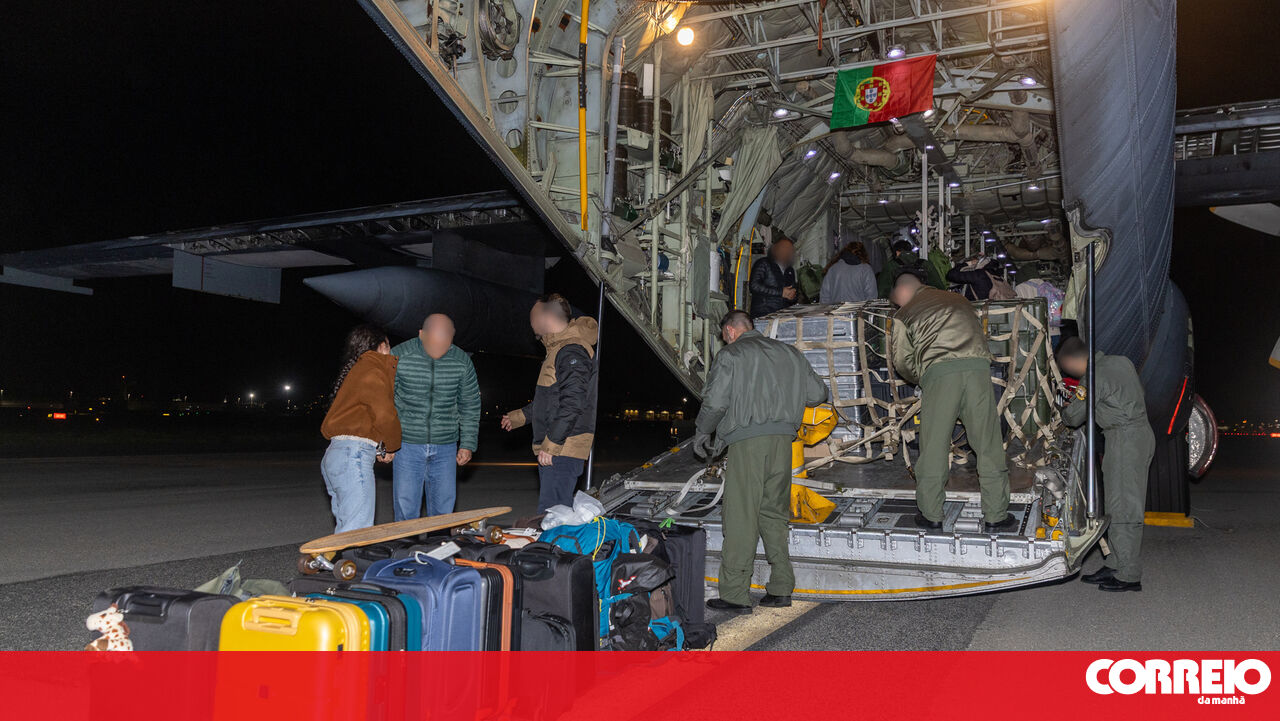
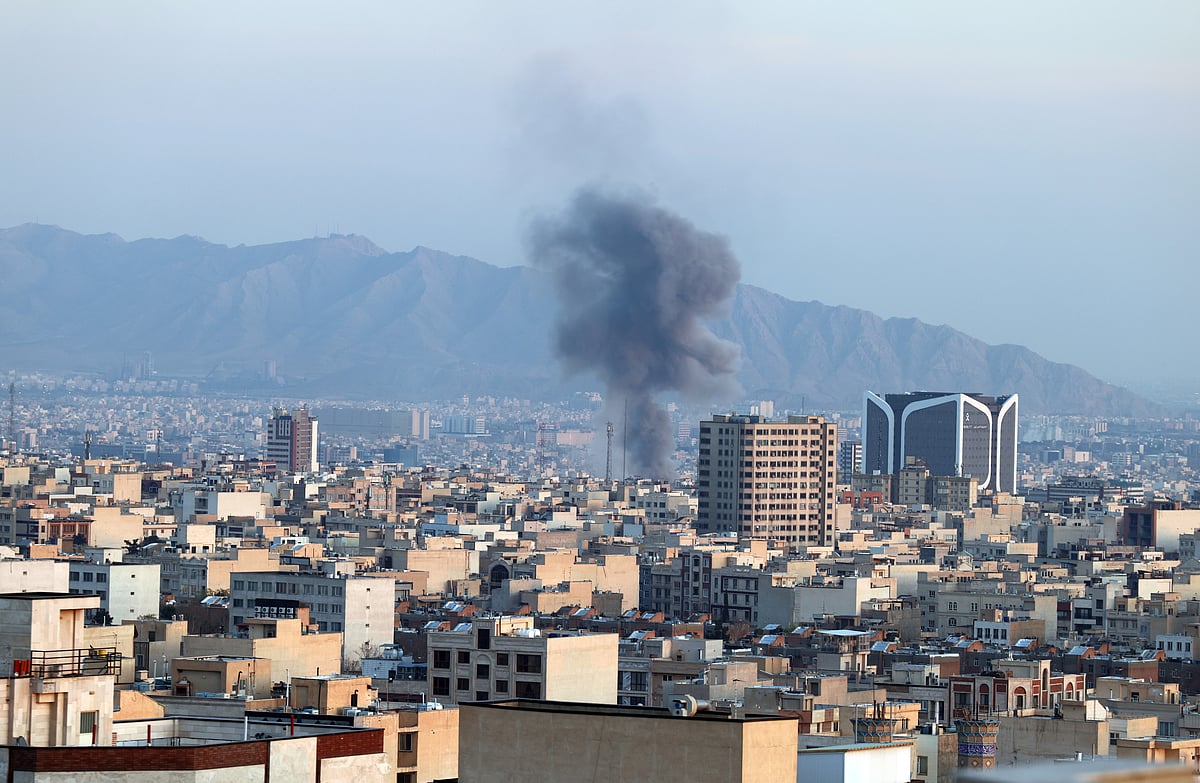
Portugal has already repatriated 500 citizens from the Middle East. Authorities in Lisbon have brought back around 500 nationals following the attacks on Iran, with 73 Portuguese on a cruise in Dubai also starting to leave today. Passengers were held on the ship for a week and are now departing, with commercial flights arranged by the cruise company, a process monitored by the Portuguese government despite complaints about lack of contact from authorities. Emídio Sousa, Secretary of State for Portuguese Communities, stated that the ambassador visited the ship and spoke with half of the Portuguese passengers. He acknowledged that while some may not have been contacted, the group as a whole was kept informed. The Dubai airport has resumed operations after a brief suspension. Meanwhile, the UAE Defence Ministry reported intercepting 15 ballistic missiles and 119 drones. Trump announced that Iran would face a strong attack today, marking a week since the US and Israel began military operations against Tehran. He noted Iran's apology to its neighbours but rejected unconditional surrender. The Iranian president, in turn, refused the surrender demand, calling it a “dream to take to the grave” but apologised for recent attacks on non-military targets in the region, attributing them to communication failures. Amidst the conflict, Iran attacked a tanker in the Persian Gulf, and the US has approved new arms sales to Israel, warning of intensified bombings.
Trump warns that Iran will be "harshly hit" today. Tehran promises to stop attacks on neighbouring countries
Saturday, 7 March 2026RSS
Context & Explainers
Repatriation is the return of people to their country of origin, which can be voluntary or carried out by state authorities. In migration policy it usually refers to deportations or organised returns of irregular migrants under legal procedures or assisted-return schemes, and it directly affects migrants, asylum seekers and the organisations that support them.