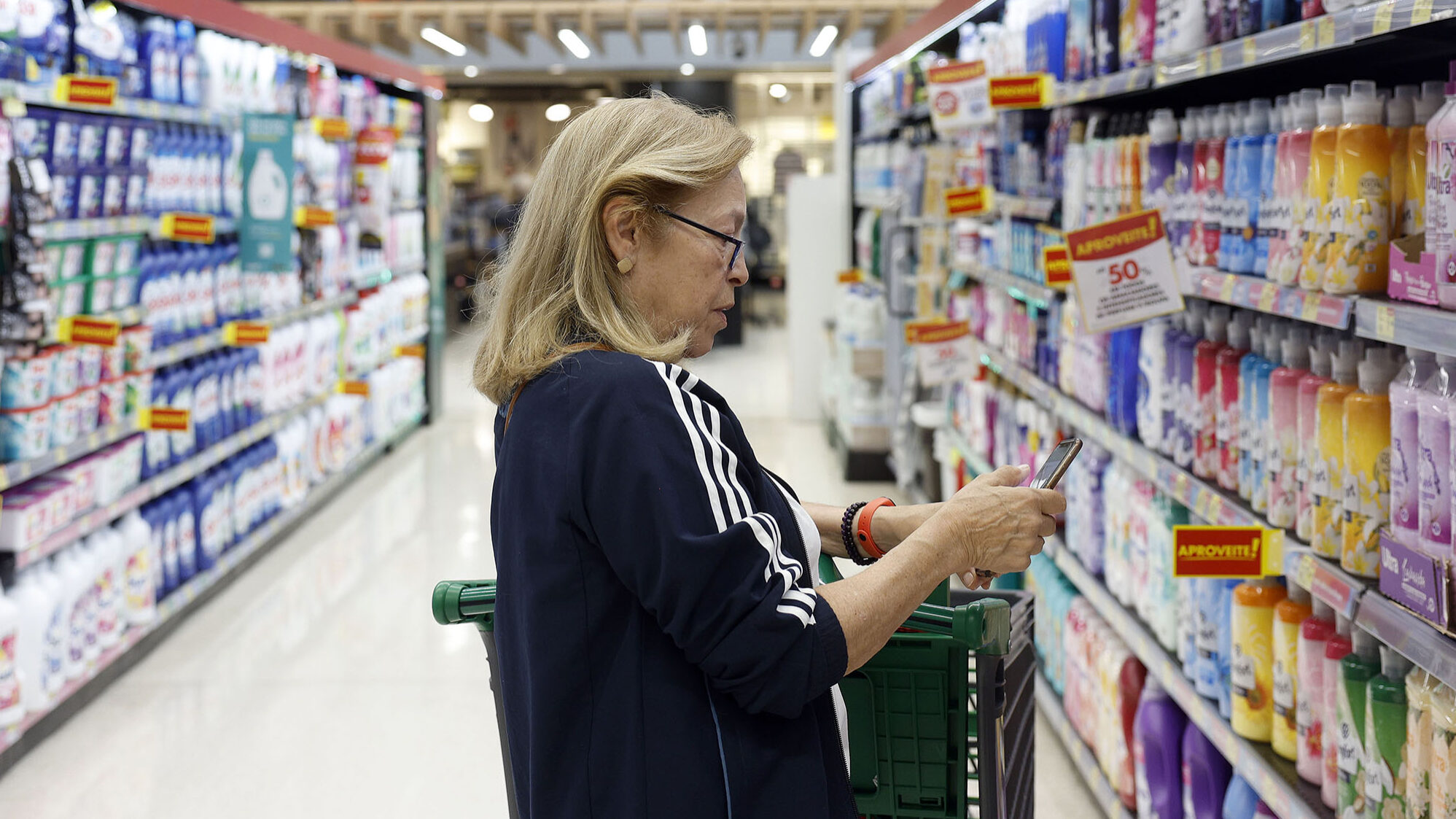
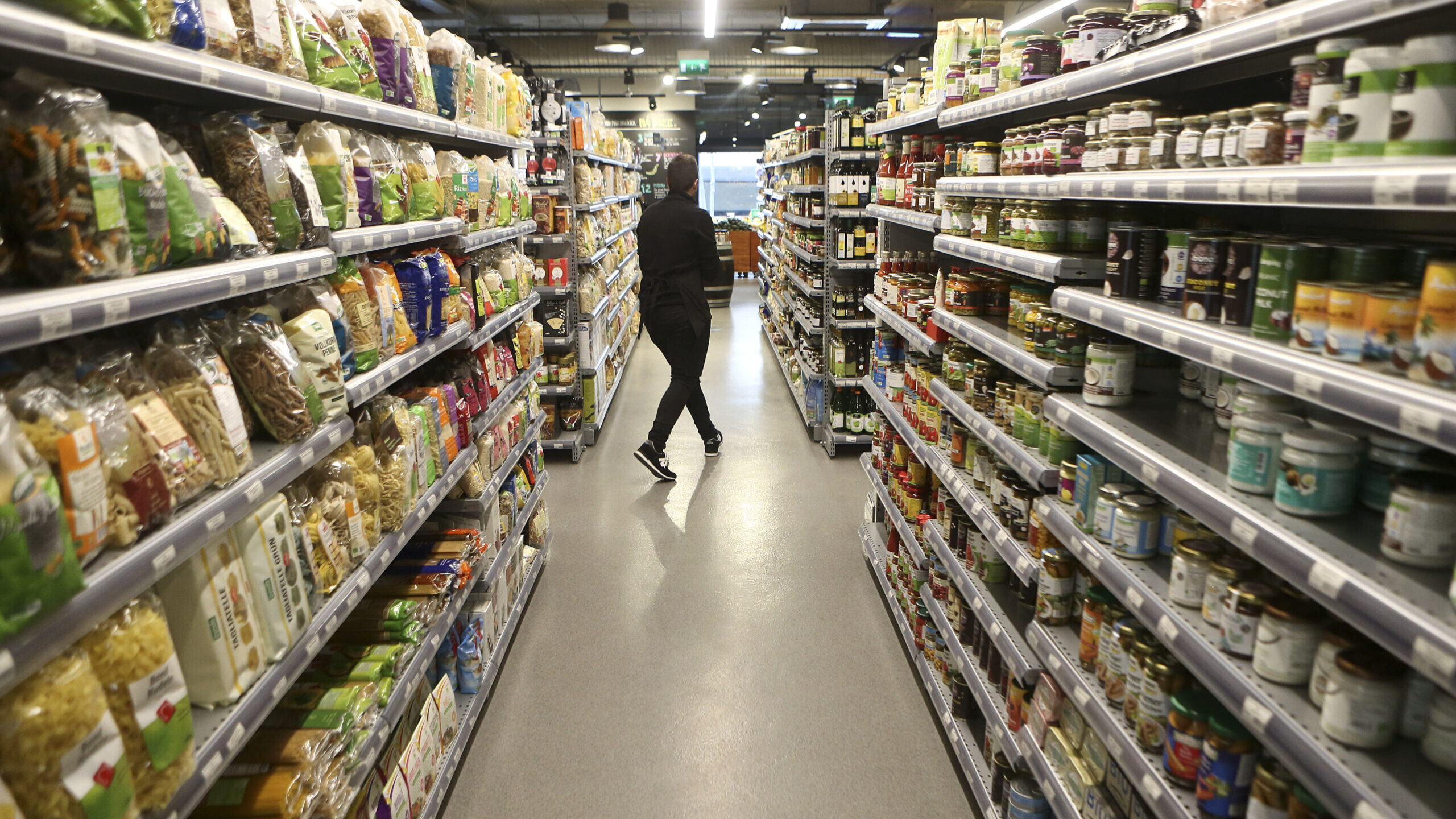
The essential basket of 63 products monitored by Deco Proteste increased by 0.08 euros this week compared to the previous one, accumulating a total increase of 12.57 euros since the start of the year and reaching a new record of 254.40 euros. In a statement released this Thursday, March 26, Deco Proteste highlights that despite the slight rise compared to last week, this increase represents the highest value since the consumer protection organisation began this analysis in 2022. A year ago, it was possible to buy the exact same products for 17.46 euros less (a 7.37% decrease), and at the beginning of 2022, it was possible to spend 66.70 euros less (a difference of 35.53%). Over the last week, between March 18 and 25, the products with the highest percentage price increases were courgettes (17% to 2.75 euros), plum tomatoes (15% to 2.60 euros), and onions (10% to 1.42 euros). Compared to the same period last year, the largest percentage price increases were seen in products such as heart cabbage (53%, now costing 1.87 euros), ground roasted coffee (39%, to the current 5.15 euros), and sea bass (39%, reflecting a cost of 9.81 euros per kilogram). Since Deco Proteste began this analysis on January 5, 2022, the largest percentage increases have been for stewing beef (122% to 12.89 euros/kg), heart cabbage (88% to 1.87 euros/kg), and eggs (84% to 2.10 euros). The essential basket monitored by the association includes meat, frozen foods, fruit and vegetables, dairy, groceries, and fish, considering products such as turkey, chicken, horse mackerel, hake, onions, potatoes, carrots, bananas, apples, oranges, rice, spaghetti, sugar, ham, milk, cheese, and butter, among others. The government admits it may adjust its response to price rises if the situation continues.
Food basket rises slightly to a new high of 254.40 euros
Thursday, 26 March 2026RSS
Context & Explainers
Inflation measures how much general prices rise over time, usually reported year‑on‑year to compare a month with the same month a year earlier. Portugal’s National Institute of Statistics (INE) estimated January inflation at 1.9% year‑on‑year, down 0.3 percentage points from December, which affects rents, wages and everyday purchasing power for residents.