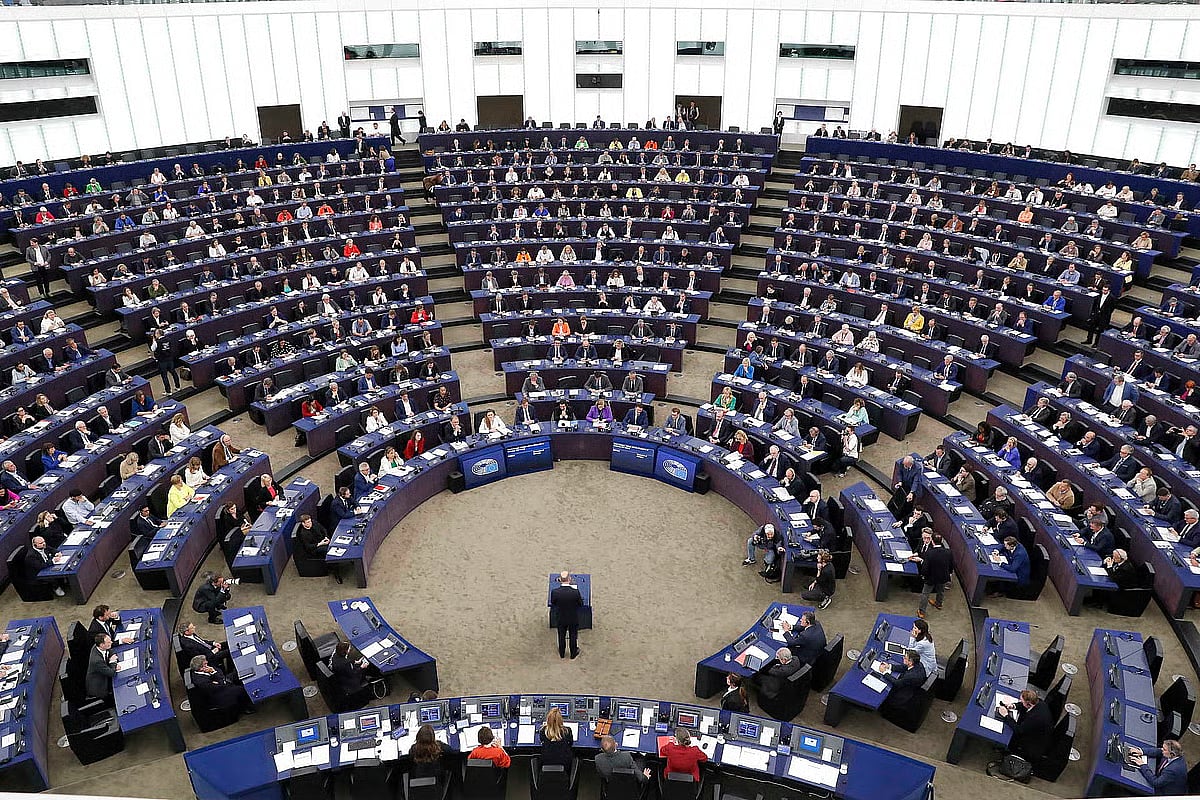
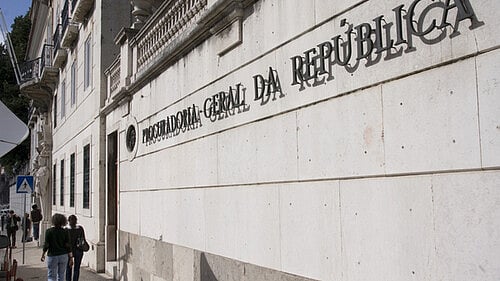
Fifty-two years ago, on the dawn of 25 April 1974, red carnations filled the streets of Lisbon, and decades of silence gave way to a word that, despite being stifled, no censorship could erase: freedom. The Carnation Revolution was more than a military coup; it was a civilisational rupture and a collective act of refusal against fear, imposed ignorance, and submission. Fifty years later, the Constitution of the Portuguese Republic remains the truest reflection of the people's aspirations for a democratic state based on human dignity, popular sovereignty, and equality. This period also saw the establishment of regional autonomy for the Azores and Madeira, recognising Portugal as a plural country of both mainland and islands. Furthermore, 40 years of European integration have provided Portugal with peace, shared values, and economic cohesion. As Europe faces modern challenges such as rising nationalism, climate change, and the need for a common defence policy, Portugal's strategic position remains vital. Ultimately, freedom today is not just a constitutional right, but an active responsibility for every citizen to participate in and shape the nation's collective future.