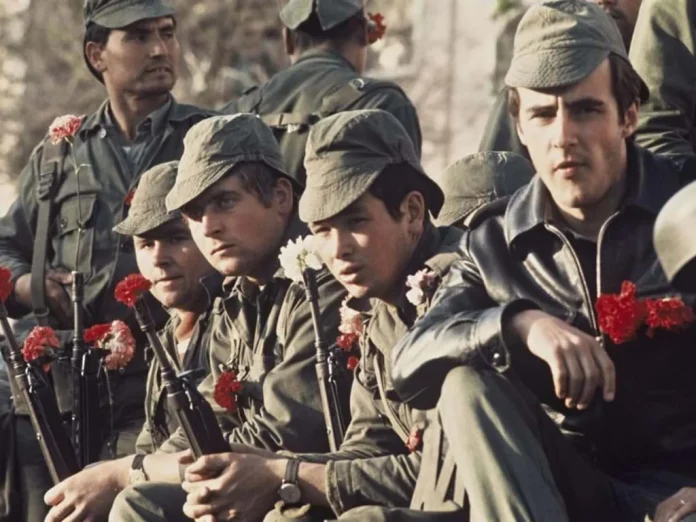
Carnation revolution news in Portugal
Latest news and stories about carnation revolution in Portugal for expats and residents.
Latest news and stories about carnation revolution in Portugal for expats and residents.

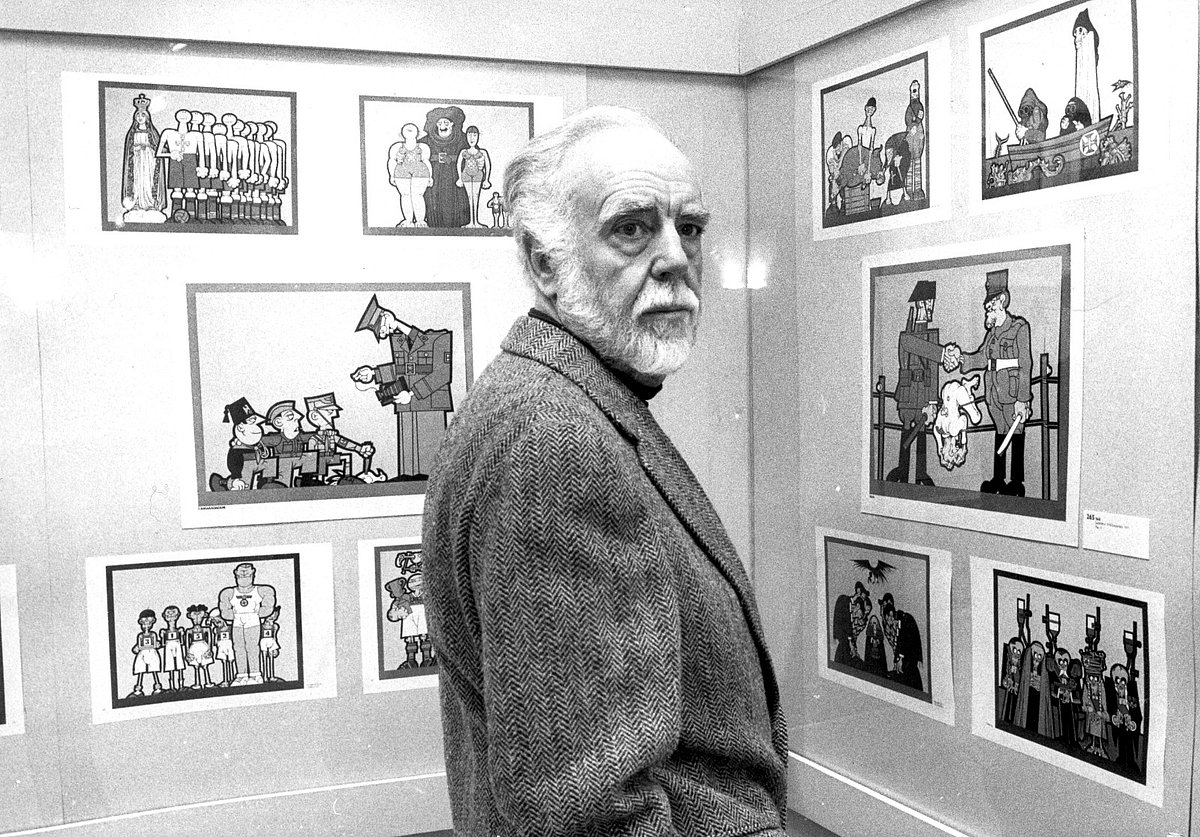
The President of the Republic, António José Seguro, lamented the death of João Abel Manta, a renowned cartoonist and artist who captured the essence of Portuguese history, particularly around the 1974 Carnation Revolution. Known for his political satire during the dictatorship and his diverse work in architecture and graphic arts, Manta is remembered by the President and the Minister of Culture as a vital figure in the national imagination who documented the country's transition to democracy.
'Por Todos Nós' (For All of Us) turns Lídia Jorge's novel 'Os Miseráveis' into an opera. With music by Eurico Carrapatoso and a libretto by João Lourenço and Vera San Payo de Lemos, this commission from the Ministry of Culture for the 50th anniversary celebrations of the 25th of April premieres on Wednesday, May 20th, at the Teatro Aberto in Lisbon, which is celebrating its half-century of existence.
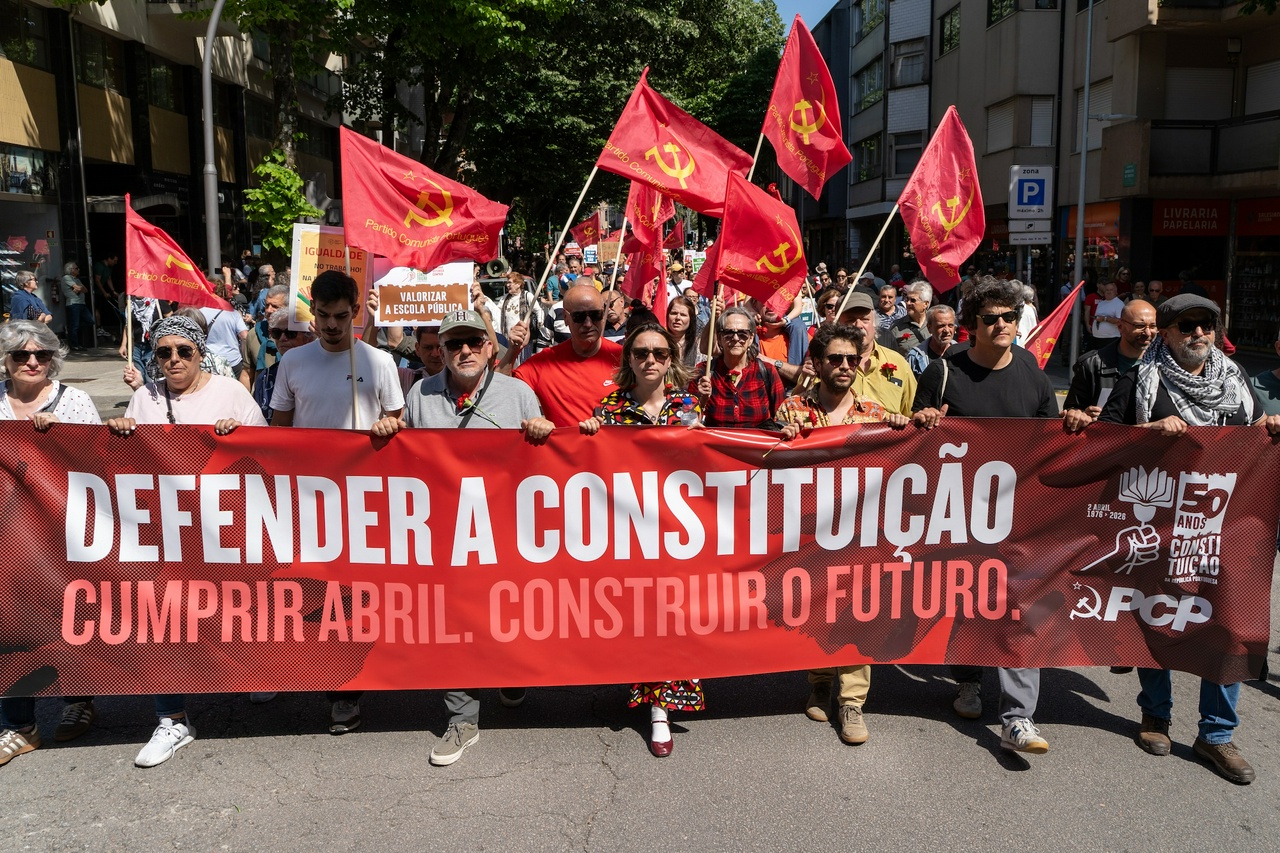
The PCP secretary-general argued this Tuesday (May 12) that his party remembered former leader Carlos Brito “in a sober way,” “putting deep reasons for disagreement” that led to the former communist parliamentary leader's departure into the background. This position was taken by Paulo Raimundo in statements to journalists on the sidelines of a nurses' demonstration in Lisbon, after being questioned about criticisms directed at the PCP regarding the message released following the death of its former leader Carlos Brito last Thursday. Raimundo said that the party, at the time of Carlos Brito's death, wanted to highlight his legacy in the anti-fascist struggle, the Carnation Revolution, and the PCP, where, he stressed, he held “great responsibilities.” Paulo Raimundo also argued that the PCP sought to value Carlos Brito “in a sober way” and “putting into the background deep reasons for disagreement” that led to his departure from the party more than 20 years ago. The PCP leader also welcomed the initiative of the President of the Assembly of the Republic, José Pedro Aguiar-Branco, to present a vote of condolence for Carlos Brito, stating that this is an important initiative that is “fully justified.” “Those who tried to accuse us (...) either did not read well what we wrote, or they wanted us to have written something else that we did not write,” he concluded. The historic PCP leader passed away on May 7 at the age of 93.

For those nostalgic for April 24th, carnations on April 25th are an abomination, regardless of their colour. A column by Ana Cristina Leonardo.

The Carnation Revolution occupies an almost untouchable place in the Portuguese collective imagination. Elevated to the founding myth of democracy, it is frequently presented as a moment of liberation and rupture with the authoritarian past. However, this dominant narrative tends to oversimplify a complex historical process and, above all, to ignore the ideological deviations that marked it.

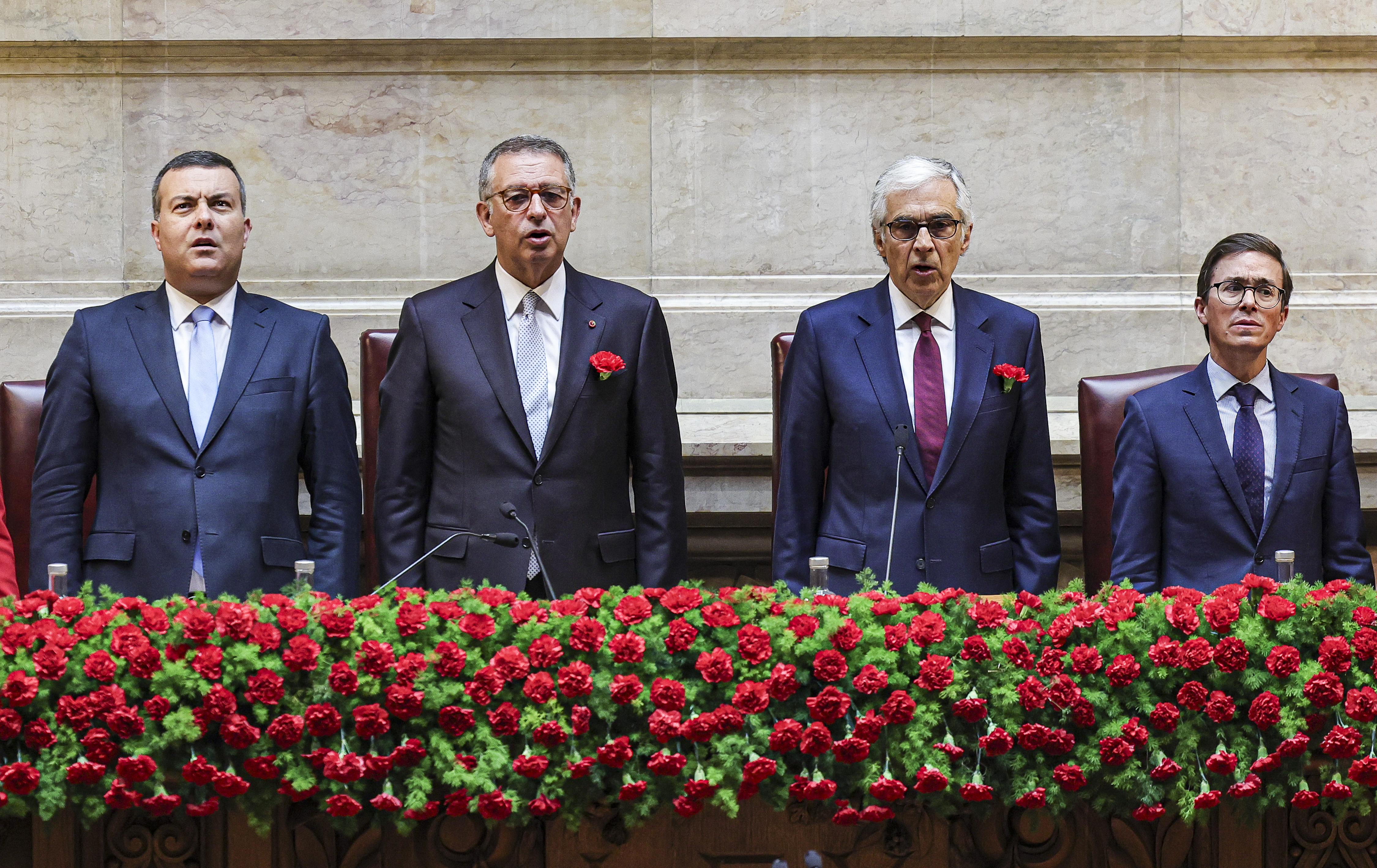
It has been 20 years since a President of the Republic entered the Assembly of the Republic wearing a carnation on their lapel. The author reflects on the significance of the carnation as a symbol of democracy, peace, and the peaceful nature of the Carnation Revolution, arguing that it transcends political party lines and represents the best of Portuguese identity.
Historian Maria Inácia Rezola discusses the international impact of the 1974 Carnation Revolution, the role of Western powers during Portugal's transition to democracy, and the significance of the country's eventual accession to the European Economic Community.


The annual commemorative parade marking the Carnation Revolution returns to the streets of Lisbon.

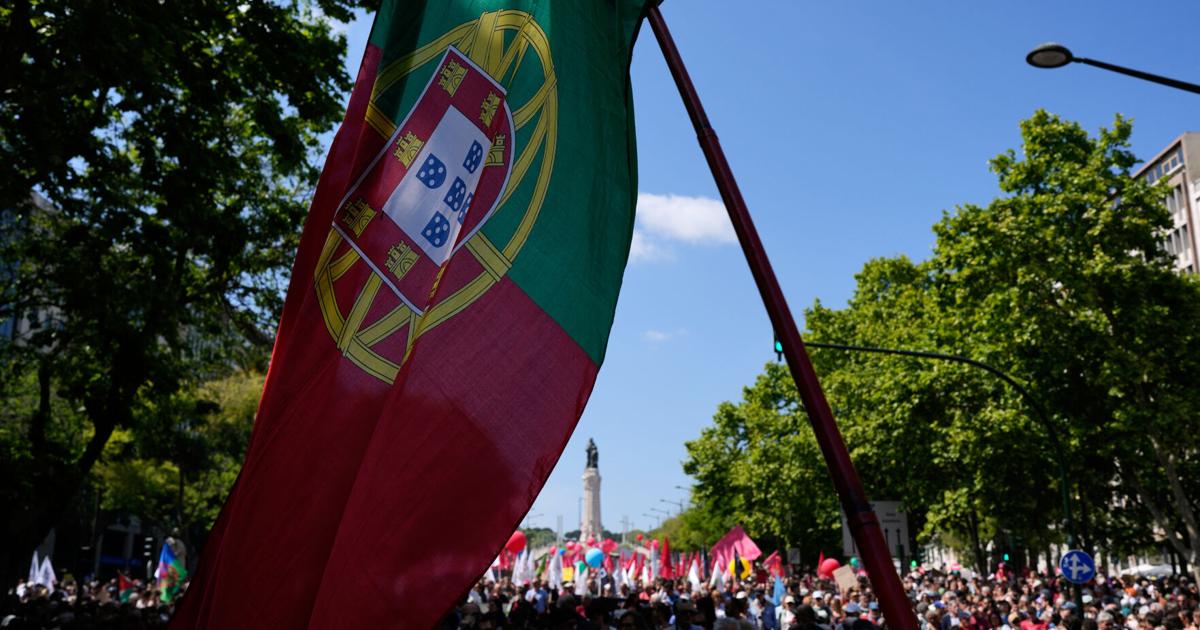

In Lisbon, the 52nd anniversary of the Carnation Revolution was celebrated on Avenida da Liberdade, in a parade marked by the presence of several generations who are apprehensive about the future.

A survey on the 25th of April and Portuguese democracy also reveals what the Portuguese think about the consequences of the fall of the dictatorship in Portugal and whether they consider that there is enough remembrance of the Carnation Revolution. Finally, the answer to the question: what is celebrated on the 25th of April?

Thousands of people took to the streets in Porto and Lisbon to commemorate the Carnation Revolution which, 52 years ago, put an end to the longest dictatorship in Europe.

“Civil society in Portugal is not on the best path,” said Maurício, a doctor, as he prepared to walk down the avenue.

Thousands of citizens take to the streets across Portugal to commemorate the anniversary of the Carnation Revolution.
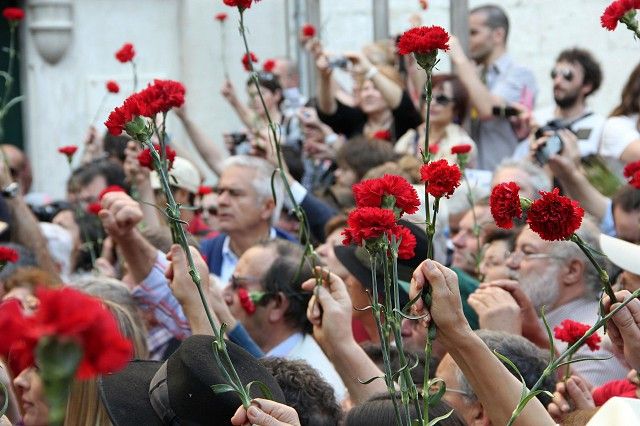
Wielding carnations, people of all ages filled Avenida da Liberdade in Lisbon and the streets of Porto.

Carolina Caeiro Fontela tells the story of her grandmother, Celeste Caeiro, also known as “Celeste of the Carnations”, in a book. It is a tribute to her grandmother, who passed away in November 2024.
Celebrations marking the 52nd anniversary of the Carnation Revolution are underway with parades held in various cities throughout Portugal.
An analysis of the historical and social impact of the book 'Novas Cartas Portuguesas' (New Portuguese Letters), written by Maria Isabel Barreno, Maria Teresa Horta, and Maria Velho da Costa in 1971. The article reflects on the legacy of the Carnation Revolution, the ongoing struggle for women's rights in Portugal, and current challenges such as domestic violence and access to reproductive healthcare, as highlighted by recent Amnesty International reports.
An analysis of how the 1974 Carnation Revolution is portrayed and covered by media outlets in Portugal.

Speech by the President of the Republic at the solemn session commemorating the 52nd anniversary of the 25th of April 1974.