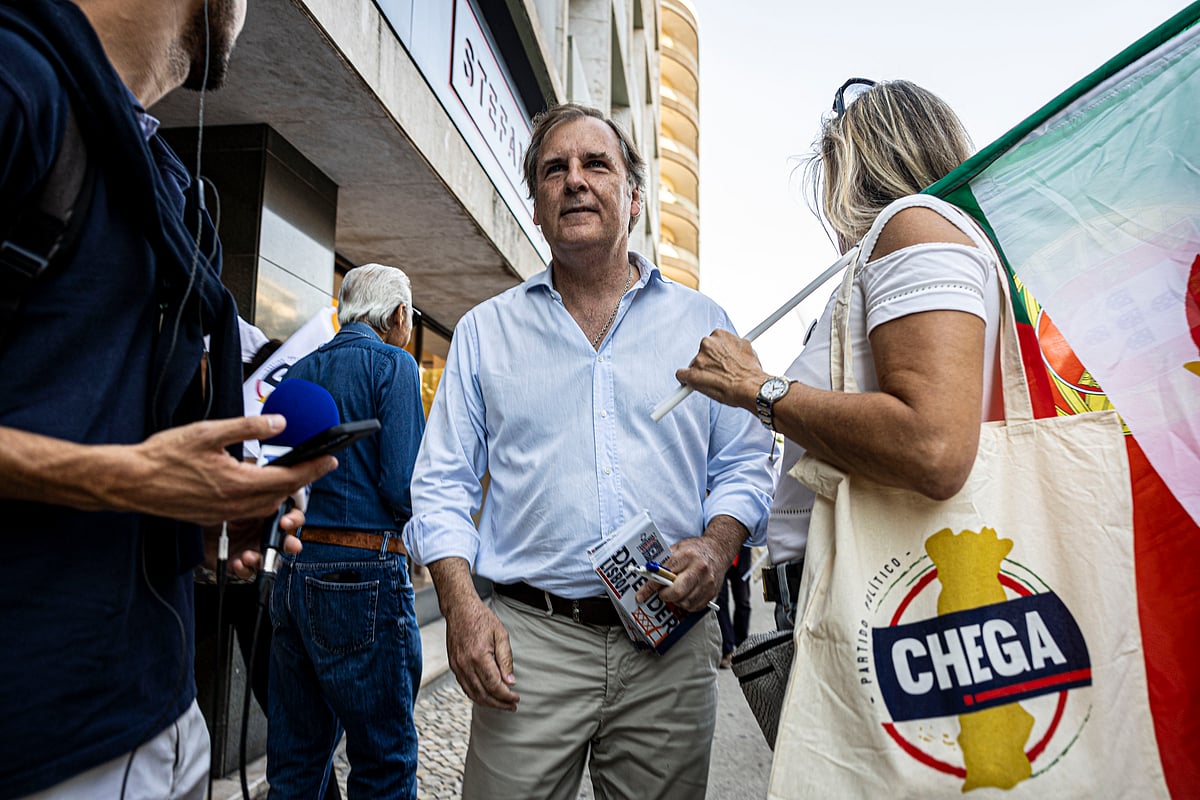
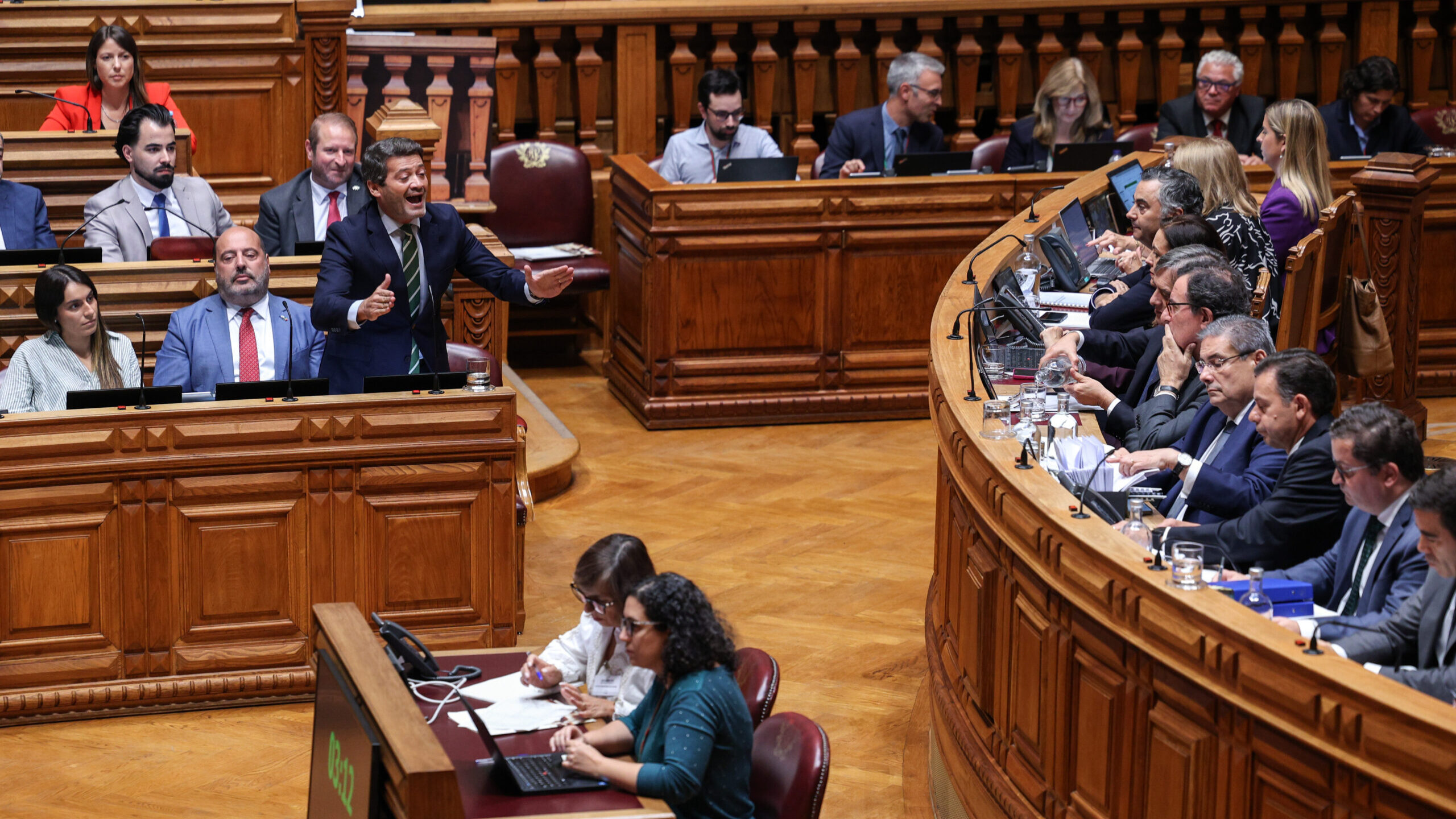
Constitutional expert Vitalino Canas warns that the deadlock in electing members to bodies like the Constitutional Court and the Ombudsman's Office could persist for a long time due to the inclusion of the Chega party in negotiations, which traditional parties view as an 'anti-system' force. Political analysts suggest that while the current situation requires new parliamentary consensus, the process is complicated by the need for a two-thirds majority and the strategic interests of parties like the PS and Chega, leading the President of the Assembly, Aguiar-Branco, to call for political maturity to avoid institutional paralysis.
Impasse over election of external bodies by the Assembly of the Republic may drag on
Wednesday, 18 March 2026RSS

Context & Explainers

Chega ("Enough") is a Portuguese far-right populist party founded in 2019 by André Ventura. It positions itself as an anti-establishment movement against what it calls a "rotten and corrupt system" of PS-PSD dominance. The party surged from 1.3% in 2019 to 22.8% in May 2025, becoming parliament's second-largest force with 60 seats. Chega's core platform emphasizes strict immigration control—ending automatic CPLP residency, deporting non-independent immigrants, implementing job-market quotas, and requiring five-year social security contributions before benefit access. It advocates radical constitutional reform, including reducing parliament to 100 members, abolishing the prime minister position for a presidential system, and dismantling public healthcare. Law-and-order policies include life imprisonment and chemical castration proposals.
The party is defined by inflammatory anti-Romani rhetoric, with Ventura convicted multiple times for discrimination. Chega maintains international alignments with European far-right figures including Marine Le Pen, Santiago Abascal, and Matteo Salvini. Mainstream Portuguese parties, including Prime Minister Luís Montenegro's government, have imposed a cordon sanitaire, refusing coalition with Chega despite its parliamentary strength.