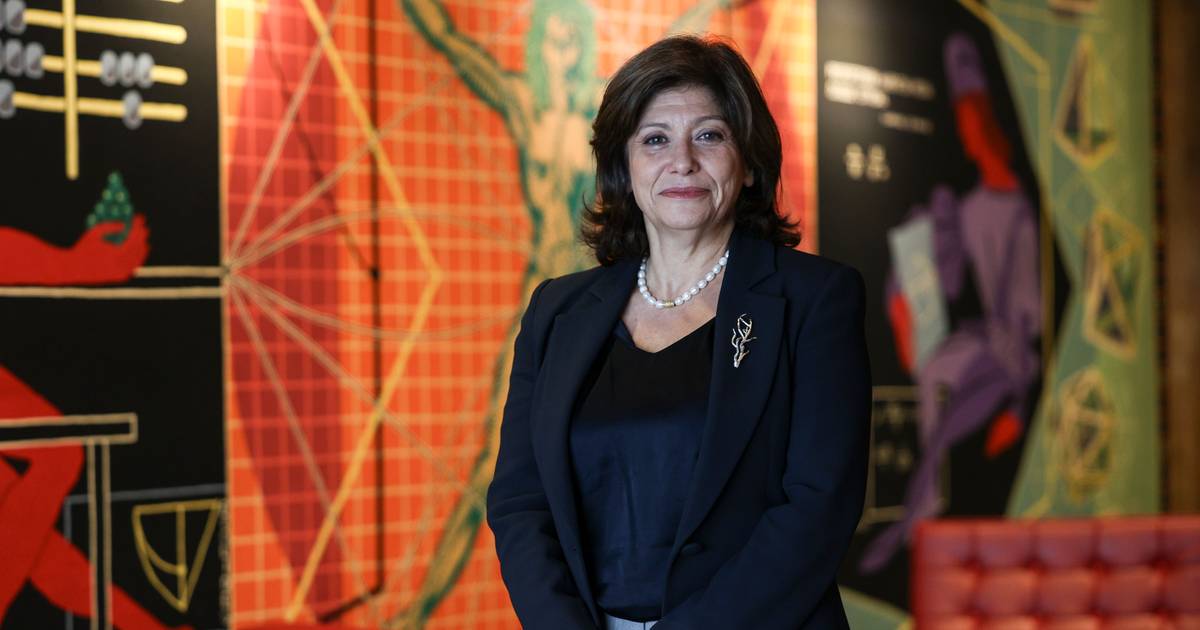
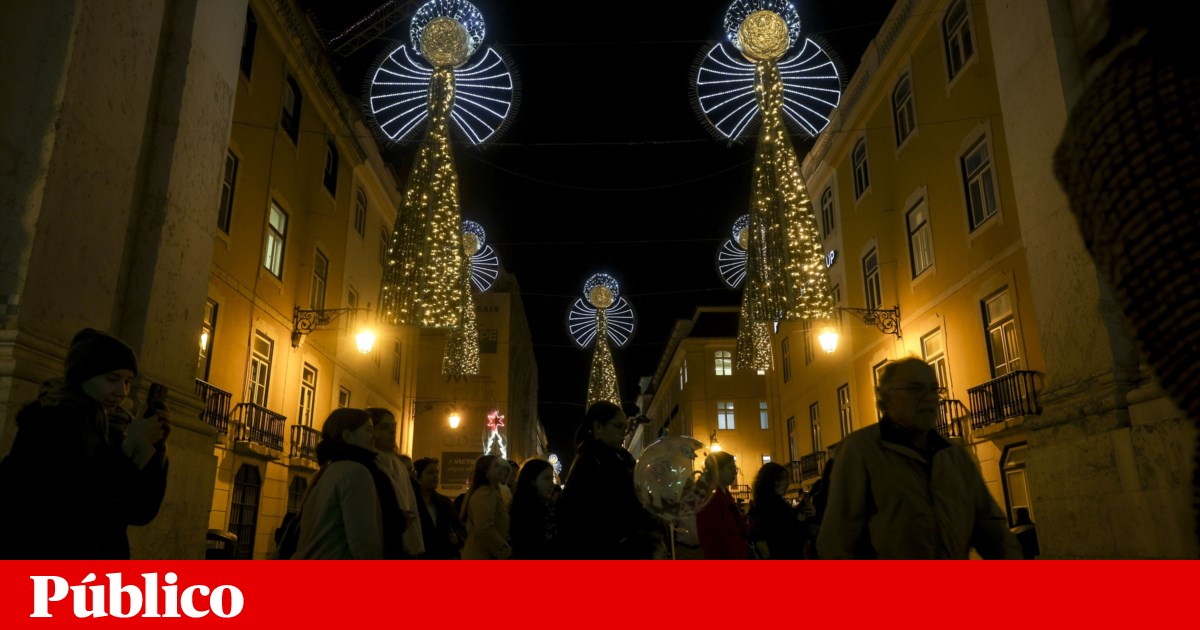
The Secretary-General of Lisbon City Council, Alberto Laplaine Guimarães, is one of those detained in Operation “Lúmen”, as is the president of UACS, Carla Salsinha, in the case involving Christmas lights.
Lisbon City Council opens inquiry into the General Secretariat as part of Operation “Lúmen”
Thursday, 19 March 2026RSS
Context & Explainers
The Public Administration (Administração Pública) is Portugal's central, regional and local government bodies and the public-sector workforce that deliver services like healthcare, education and municipal functions. A pay rise announced on 20 February 2026 raised the state's base public-sector salary to €934.99 with retroactive payments back to January 2026, so employees and those who contract with state bodies should expect updated payrolls and potential budget effects.

The Lisbon City Council (Câmara Municipal de Lisboa) is the executive governing body of Portugal's capital, composed of 17 elected councilors representing different political forces, led by a mayor (currently Carlos Moedas). Its mission is to define and implement policies promoting municipal development across diverse sectors. The Council's responsibilities include: urban planning and construction; social services and housing; education and culture; environmental protection; waste management; public health; transport and mobility; heritage conservation; civil protection; economic development; tourism; sports and leisure; municipal police oversight; and managing public spaces, roads, and infrastructure. Operating under the Ministry of Internal Affairs framework, the Council manages 24 parishes (reduced from 53 in 2012), implements affordable rent programs, collects municipal tourist taxes, issues building permits, maintains allotments and green spaces, and coordinates emergency response systems. As Portugal's largest municipality, Lisbon City Council plays a central role in shaping the capital's development, quality of life, and cultural identity.