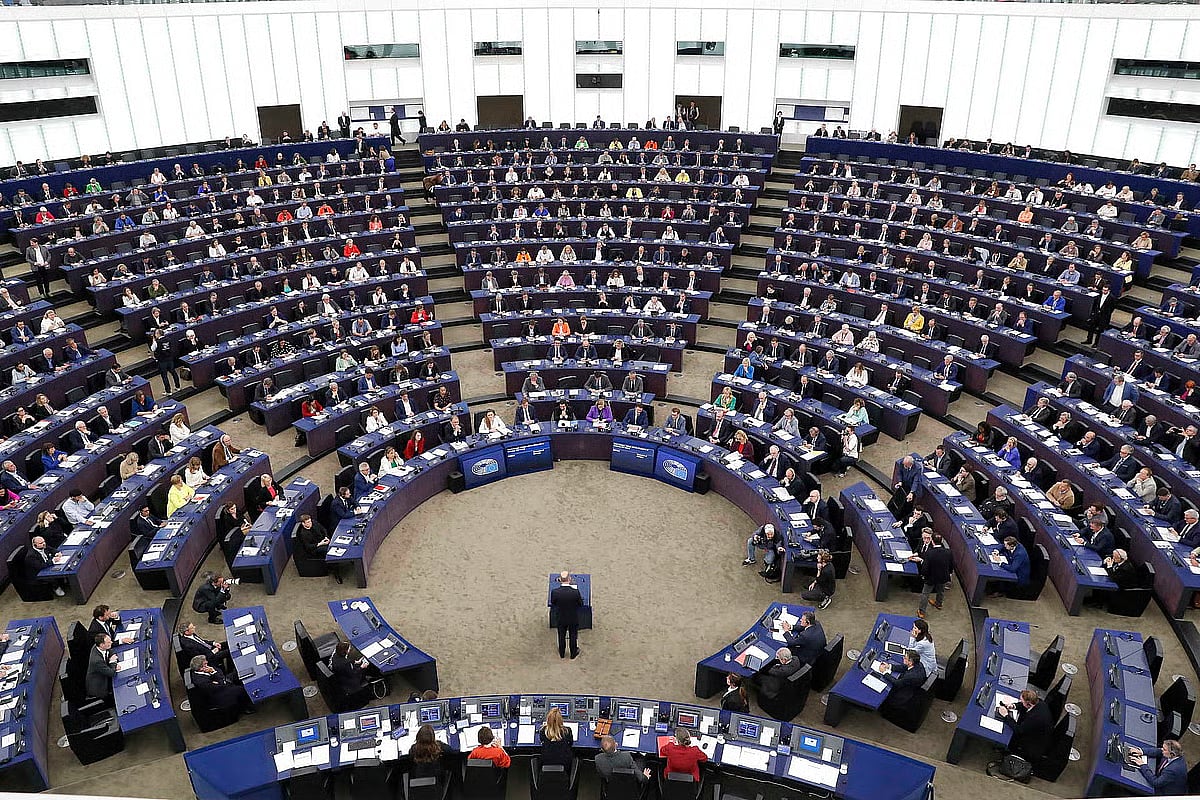
The 63-product food basket monitored by Deco Proteste rose to 254.99 euros this week, an increase of 0.60 euros compared to the previous week and the highest value recorded since monitoring began in January 2022. Despite this weekly peak, the cumulative trend shows different readings: since January of this year, the basket is 13.17 euros cheaper (-5.45%), compared to the same period in 2024 there is still a reduction of 16.49 euros (-6.92%), while compared to the start of 2022, the current cost is 67.29 euros higher (+35.85%). Analyzing the recent variation from March 25 to April 1, the largest percentage increases were recorded in horse mackerel (+29%, to 5.81 euros), plum tomatoes (+24%, to 3.60 euros), and cauliflower (+17%, to 3.12 euros). In the year-on-year comparison, price hikes stand out for products such as heart cabbage (+57%, to 2.08 euros), courgette (+54%, to 2.70 euros), and sea bass (+38%, to 10.24 euros/kg). The balance since the beginning of the Deco series highlights structural changes in prices. Beef for stewing, for example, accumulated the largest percentage increase (+124%, to 13.04 euros/kg), followed by heart cabbage (+109%, to 2.08 euros/kg) and eggs (+84%, to 2.10 euros). The basket includes essential categories such as meat, frozen foods, fruit and vegetables, dairy, groceries, and fish — with representative items such as turkey, chicken, horse mackerel, hake, onion, potato, carrot, banana, apple, rice, spaghetti, sugar, ham, milk, cheese, and butter — meaning that specific variations in some items directly impact the cost perceived by consumers.
Food basket reaches new all-time high of 254.99 euros
Thursday, 2 April 2026RSS
Context & Explainers
Inflation measures how much general prices rise over time, usually reported year‑on‑year to compare a month with the same month a year earlier. Portugal’s National Institute of Statistics (INE) estimated January inflation at 1.9% year‑on‑year, down 0.3 percentage points from December, which affects rents, wages and everyday purchasing power for residents.