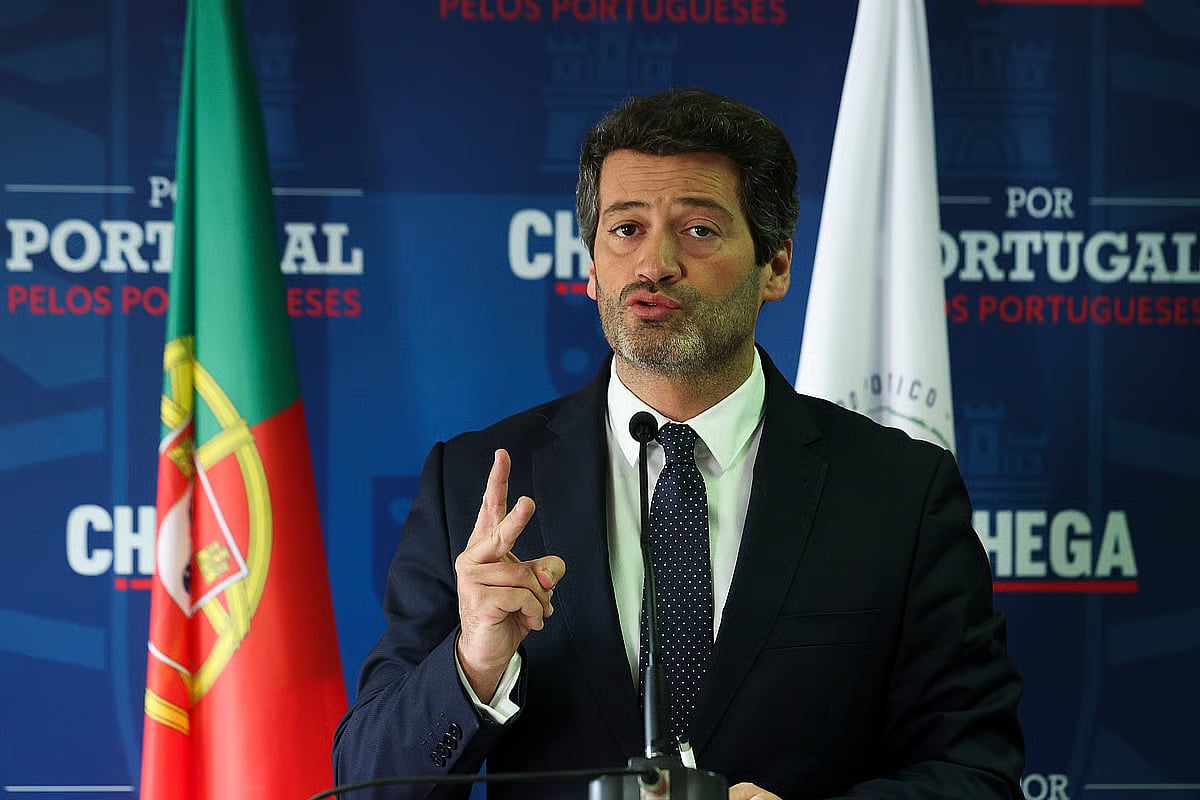
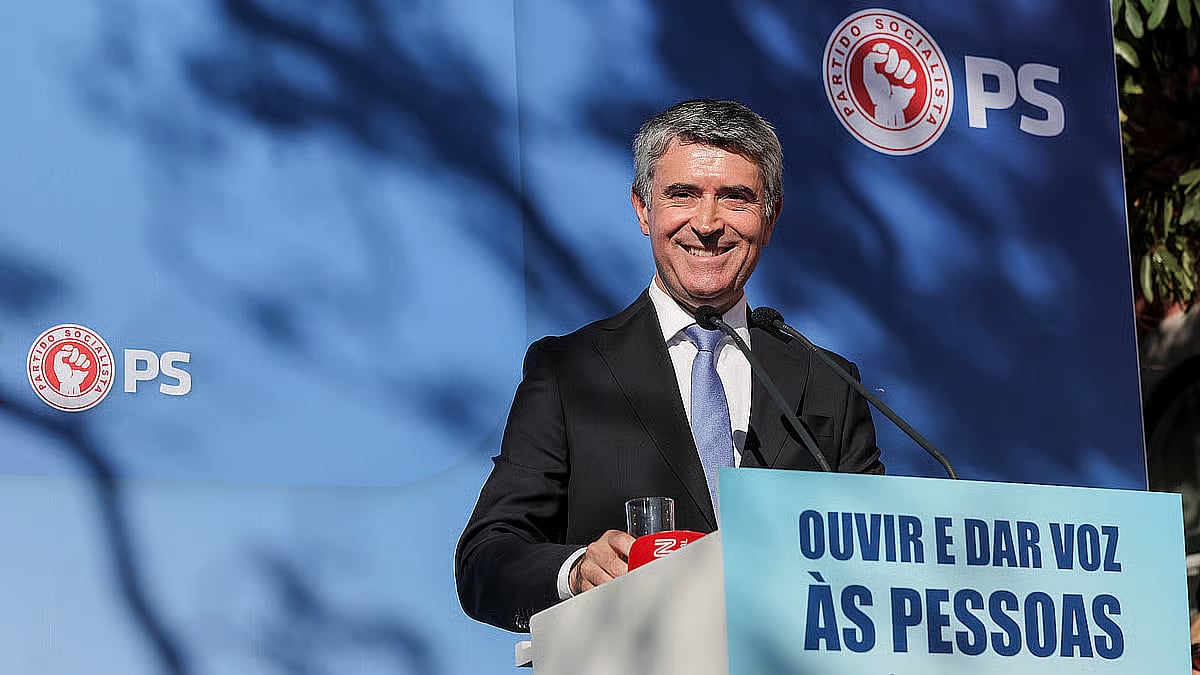
The next President of the Republic will be chosen in a run-off in which André Ventura will face António José Seguro, but this Sunday's election night featured striking interventions from the various figures involved. In the first stage of the race to Belém, the candidates backed by Chega and by the PS stood out, and their ...
From Seguro's "we are all democrats" to Ventura's "socialism corrupts" — the notable remarks from election night
Monday, 19 January 2026RSS

Context & Explainers
The second round (segunda volta) is a runoff held if no candidate wins more than 50% of the vote in the first round of a Portuguese presidential election. Only the top two candidates advance to the runoff, which takes place 21 days after the first round.
Portugal's Constitution requires an absolute majority for the presidency, making runoffs a possibility whenever the field is fragmented. In practice, most Portuguese presidential elections since 1976 have been decided in the first round — the only runoff to date was in 1986, when Mário Soares defeated Diogo Freitas do Amaral.
The 2026 presidential election went to a second round for only the second time in democratic history, with António José Seguro and Henrique Gouveia e Melo advancing from a crowded first-round field. Second-round dynamics often differ significantly from the first round, as voters consolidate behind two candidates and tactical considerations become paramount.

Chega ("Enough") is a Portuguese far-right populist party founded in 2019 by André Ventura. It positions itself as an anti-establishment movement against what it calls a "rotten and corrupt system" of PS-PSD dominance. The party surged from 1.3% in 2019 to 22.8% in May 2025, becoming parliament's second-largest force with 60 seats. Chega's core platform emphasizes strict immigration control—ending automatic CPLP residency, deporting non-independent immigrants, implementing job-market quotas, and requiring five-year social security contributions before benefit access. It advocates radical constitutional reform, including reducing parliament to 100 members, abolishing the prime minister position for a presidential system, and dismantling public healthcare. Law-and-order policies include life imprisonment and chemical castration proposals.
The party is defined by inflammatory anti-Romani rhetoric, with Ventura convicted multiple times for discrimination. Chega maintains international alignments with European far-right figures including Marine Le Pen, Santiago Abascal, and Matteo Salvini. Mainstream Portuguese parties, including Prime Minister Luís Montenegro's government, have imposed a cordon sanitaire, refusing coalition with Chega despite its parliamentary strength.
RSS source
Other news coverage of this topic
- The winners: Seguro and Ventura, between moderation and change • CNN Portugal
- All about a historic election night • Observador
- Seguro and Ventura advance to the presidential second round: the aftermath of the elections • Público
- Seguro's celebration — the man who returned to 'bring all Portuguese together' • ECO
- Seguro or Ventura: a choice between the left and the right, or between democracy and extremism? • Público
- Presidential election night in 13 images • Público
- Images from the first-round election night • Observador
- Presidential election: the rhetoric of moderation won out over the rhetoric of polarisation • Público