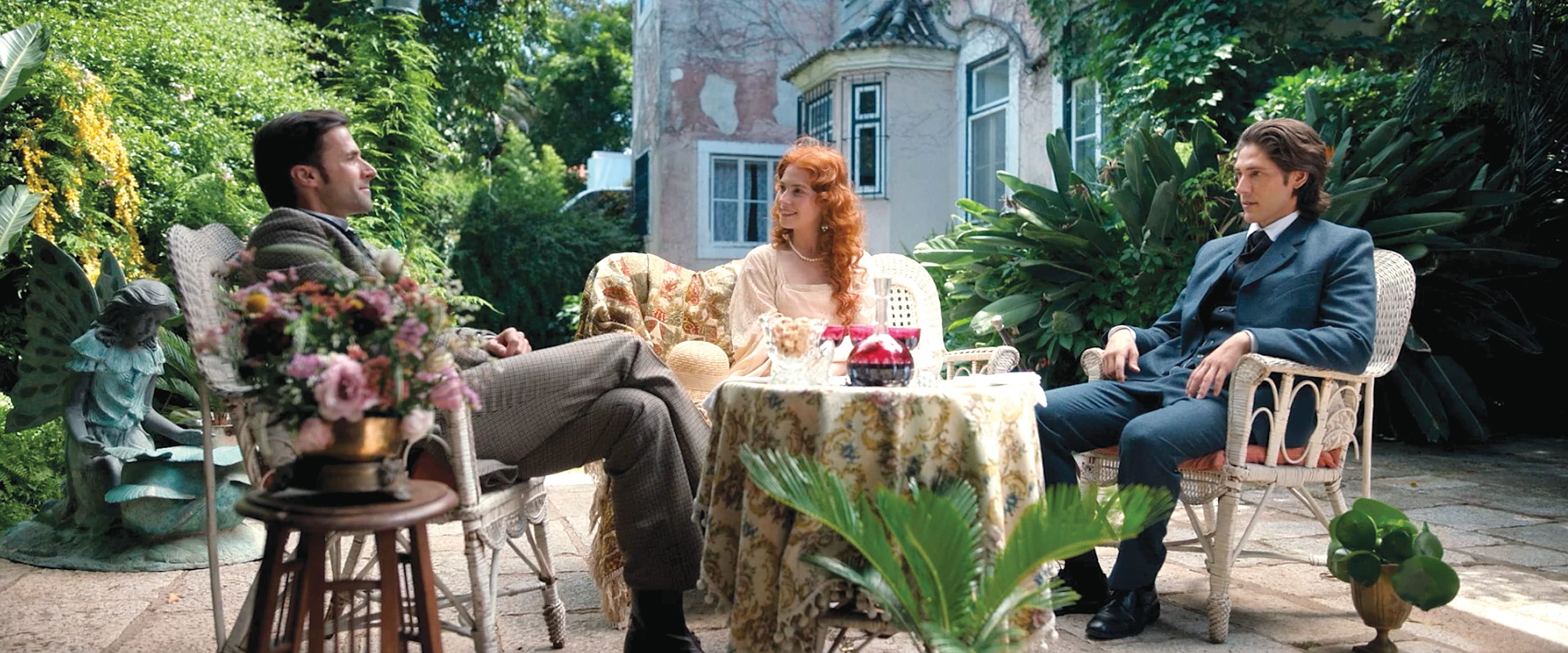
Released in cinemas this week, 'Cherchez la Femme', the final film by António da Cunha Telles (1935-2022), is a true anomaly. While it is a posthumous work—finalised by his daughter, Pandora da Cunha Telles, and André Rosa Carvalho—its status is secondary to the film's strange, unsettling allure. Adapting Mário de Sá-Carneiro's 1914 text 'A Confissão de Lúcio', the film defies modern, politically correct narratives to explore an ambiguous, suicidal love story that transcends gender boundaries. Cunha Telles, a key figure of the Portuguese 'Cinema Novo' movement, delivers a work that captures the essence of the 'romanesque'—a blend of romantic death-drive, erotic irony, and dramatic mockery. The film leaves behind a singular legacy that challenges the cultural stagnation of today's media landscape.