Oscars: "The Memory of the Smell of Things" seeks nomination
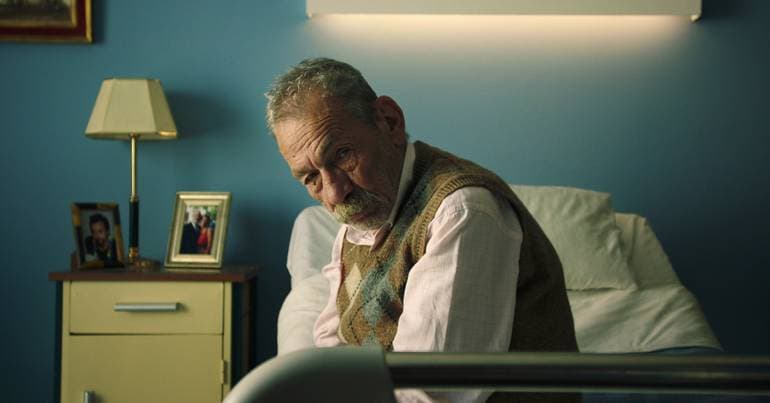
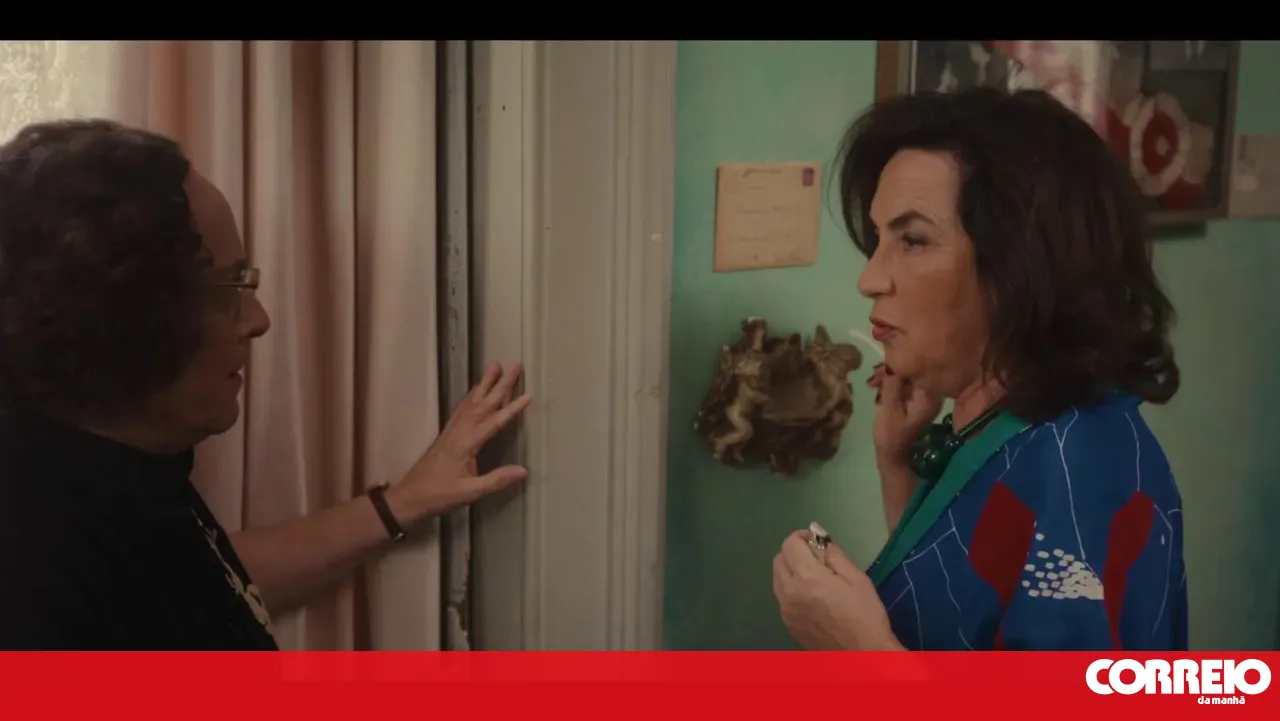
António Ferreira's film stars José Martins as Arménio, who tries to make peace with his past and ageing while confronting Hermínia, played by Mina Andala.
observador.pt
Latest news and stories about cinema in Portugal for expats and residents.
António Ferreira's film stars José Martins as Arménio, who tries to make peace with his past and ageing while confronting Hermínia, played by Mina Andala.
The film 'A Memória do Cheiro das Coisas', by António Ferreira, was the work chosen to represent Portugal in the bid for an Oscar nomination, the Portuguese Film Academy announced today.

The work will represent Portugal in the bid for an Oscar nomination.

University professor and programmer Daniel Ribas is the new artistic director of Batalha - Cinema Centre and Filmaporto, starting his duties in December and succeeding Guilherme Blanc, the municipal company Ágora revealed to Lusa today.

University professor and programmer succeeds Guilherme Blanc, who had been leading the Porto cinema since its reopening. Ribas begins his duties in December.

Researcher, programmer, lecturer and film critic takes over from Guilherme Blanc, who had been leading the Porto institution since its reopening as a public facility in 2022.

From October 10th to 17th, Vila Nova de Famalicão focuses on films such as 'Springsteen: Deliver Me From Nowhere' and 'Noite Escura', in what they call 'the first battlefield of any revolution'.

The Cinemateca cycle dedicated to the producer is one of this week's proposals, but there is also “Elevator Music”, a “Homeland” in comic book form, and oatmeal.

The work arrives in Portuguese cinemas this week, after having been a success in Brazil.

The film “A hora do Chico”, by João Severo and Rafael Sá Carneiro, won the Motelx Award for best Portuguese horror short film tonight at the end of the 20th edition of the horror film festival.
The actress will return to 'Practical Magic' with Nicole Kidman and asked the screenwriters to use her as inspiration.

The international jury decided to award May el-Toukhy, one of only two female directors in competition, with the festival's top prize.

An essential figure in cinema over the last 50 years, he produced films for Bertolucci (The Last Emperor), Cronenberg (Crash), and Skolimowski (The Shout). He was 77 years old.

The jury presided over by actress Maggie Gyllenhaal also awarded John Malkovich, Lee Chang-dong's Possible Love, and the Israeli duo behind NAZA, which received the most applause.
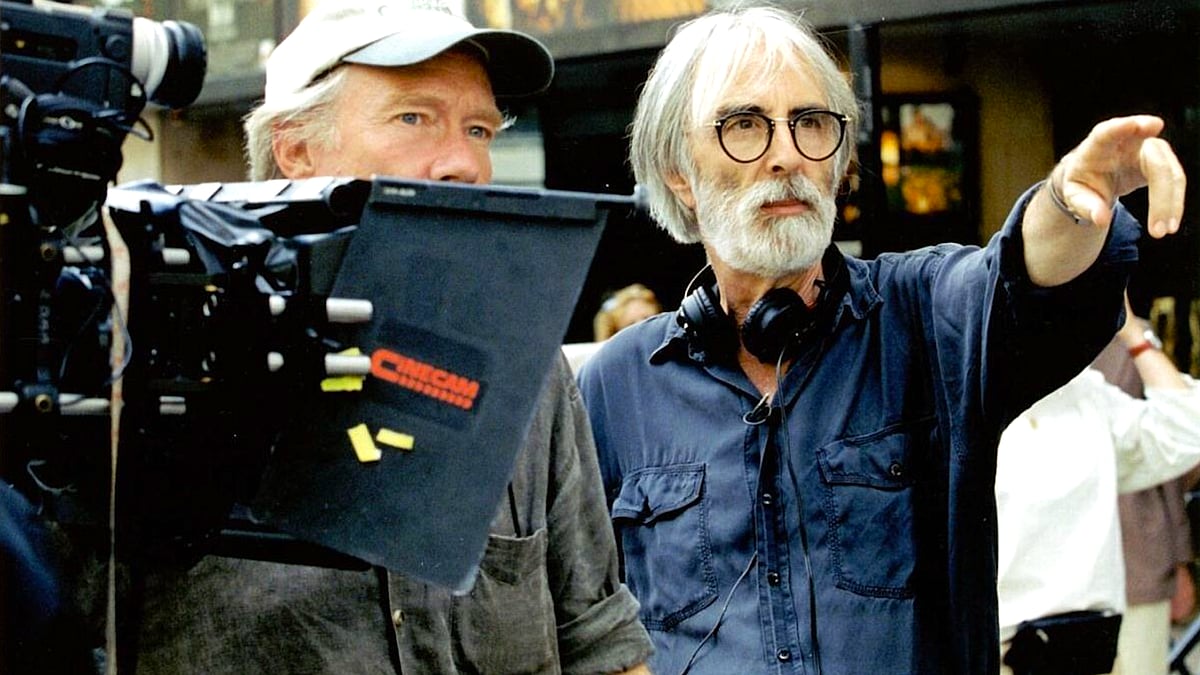
An analysis of the filmography of Austrian director Michael Haneke, highlighting his unique ability to explore human contradictions, social hierarchies, and the nature of evil. The article discusses his major works, including 'The White Ribbon' and 'Amour', and notes the launch of a comprehensive retrospective of his films in Portugal, while also addressing reports that the 84-year-old director has retired from filmmaking.
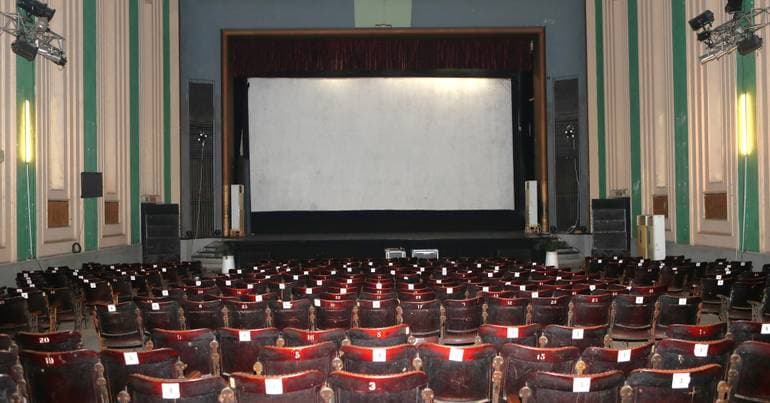
Why is there insistence on the Galerias Avenida for the Coimbra Film House? Why has it 'evolved' into the delusional hypothesis of a creative incubator for a restricted band of 'enlightened ones'?

The feature film “A Noiva Difícil”, by filmmaker Rubaiyat Hossain, a co-production with Portuguese participation, was distinguished today with the Bisato d'Oro for Best Direction, awarded by independent critics present at the Venice Film Festival.

“A Noiva Difícil”, a Portuguese-Bangladeshi co-production directed by Rubaiyat Hossain, won the Bisato d'Oro for Best Direction in Venice, with cinematography by the Portuguese Leonor Teles highlighted.
“A Bit of Light” follows an Iranian doctor determined to commit suicide, frustrated by the repression in his country. Yet life persists in small gestures. We spoke with the filmmaker.
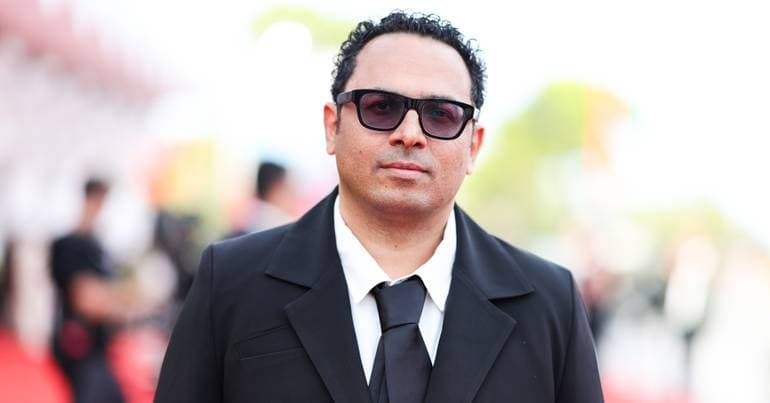
Filmmaker Rubaiyat Hossain received the Bisato d'Oro for best director for the feature film “A Noiva Difícil”, which is a co-production with Portuguese participation.

More than 24 minutes of applause at the official screening, a record in Venice that has stood for many decades. It is likely an absolute record for any festival anywhere, suggests “Variety”, which is usually well-informed on these matters. With the Venice International Film Festival drawing to a close, “Naza” has arrived, a depiction of a genocide using 21st-century means.
'Paulo Branco or The Vain Glory of Producing', as the cycle is called, covers more than 45 years of his career and kicks off with the screening of 'Non, or the Vain Glory of Command', by Manoel de Oliveira.

Although this is not an unforgettable year for the films in the main Venice Competition showcase, none seemed out of place. We highlight the Danish film “Woman Unknown” by May el-Toukhy, and the French films “A Good Little Soldier” by Bernard Brizé and “Bunker” by Florian Zeller.
A new film featuring a Brazilian actor attempting to marry a Portuguese religious woman is set to be released in cinemas today.
Here is an event for the month of September: a Chantal Akerman cycle at the Trindade cinema in Porto, with ten films that will also be available on Filmin starting this Thursday.
After leaving Cannes stunned and following its national premiere at MotelX, the best monster movie of recent years arrives in cinemas. “Hope: The First Impact”, by Na Hong-jin, is colossal.

Ruben Alves brings to cinemas a fun, yet critically observant comedy about a multicultural, frenetic capital that is increasingly distant from its essence.
When brilliant minds of physics are intercepted by totalitarian politics: a fascinating film by Ilya Khrzhanovsky, like an anachronistic big production from the times of the Soviet thaw.
Practical Magic 2 returns to a world steeped in moonlit mischief and powerful ancestral magic, as the Owens sisters must confront the dark curse that threatens to unravel their family The post Cinema: Practical Magic 2 appeared first on Portugal Resident.