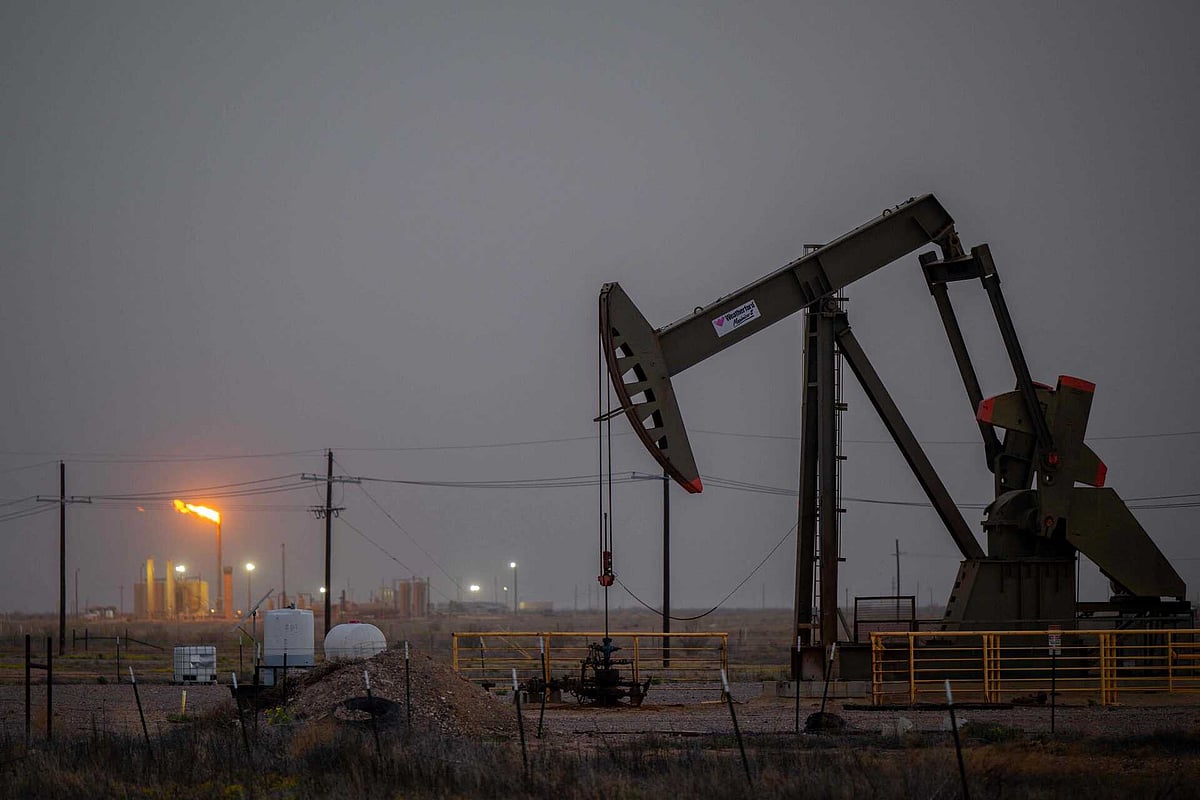
The International Energy Agency (IEA) estimates that the closure of the Strait of Hormuz due to the war in the Middle East will cause a global oil supply collapse of eight million barrels per day in March. In its monthly oil market report published this Thursday, the 12th, the IEA highlights that this conflict represents the largest supply disruption in history, noting that with an average of 98.8 million barrels per day this month, oil market output will fall to levels seen in the first quarter of 2022. This drop would represent a 7.5% decrease compared to February's supply. According to the agency's data, flows through the Strait of Hormuz have been reduced to less than 10%. These losses can only be partially offset in the short term by increased production from non-OPEC producers, primarily the US, Canada, Russia, and Kazakhstan. The IEA announced that its 32 member countries will release up to 400 million barrels from strategic reserves to stabilise the market. Despite this, prices remain volatile, with Brent crude fluctuating above $95 per barrel due to uncertainty regarding the duration of the conflict and the blockade. The IEA warns that this release is a temporary measure and that the final impact depends on infrastructure damage and the duration of the maritime blockade. For the year, the IEA has significantly revised its supply growth forecast downward to 1.1 million barrels per day, down from the 2.4 million projected before the conflict began. Demand expectations have also been significantly lowered due to reduced kerosene consumption from paralysed air traffic and disruptions in the liquefied natural gas supply chain.
Iran: IEA forecasts oil supply to fall by eight million barrels per day in March
Thursday, 12 March 2026RSS