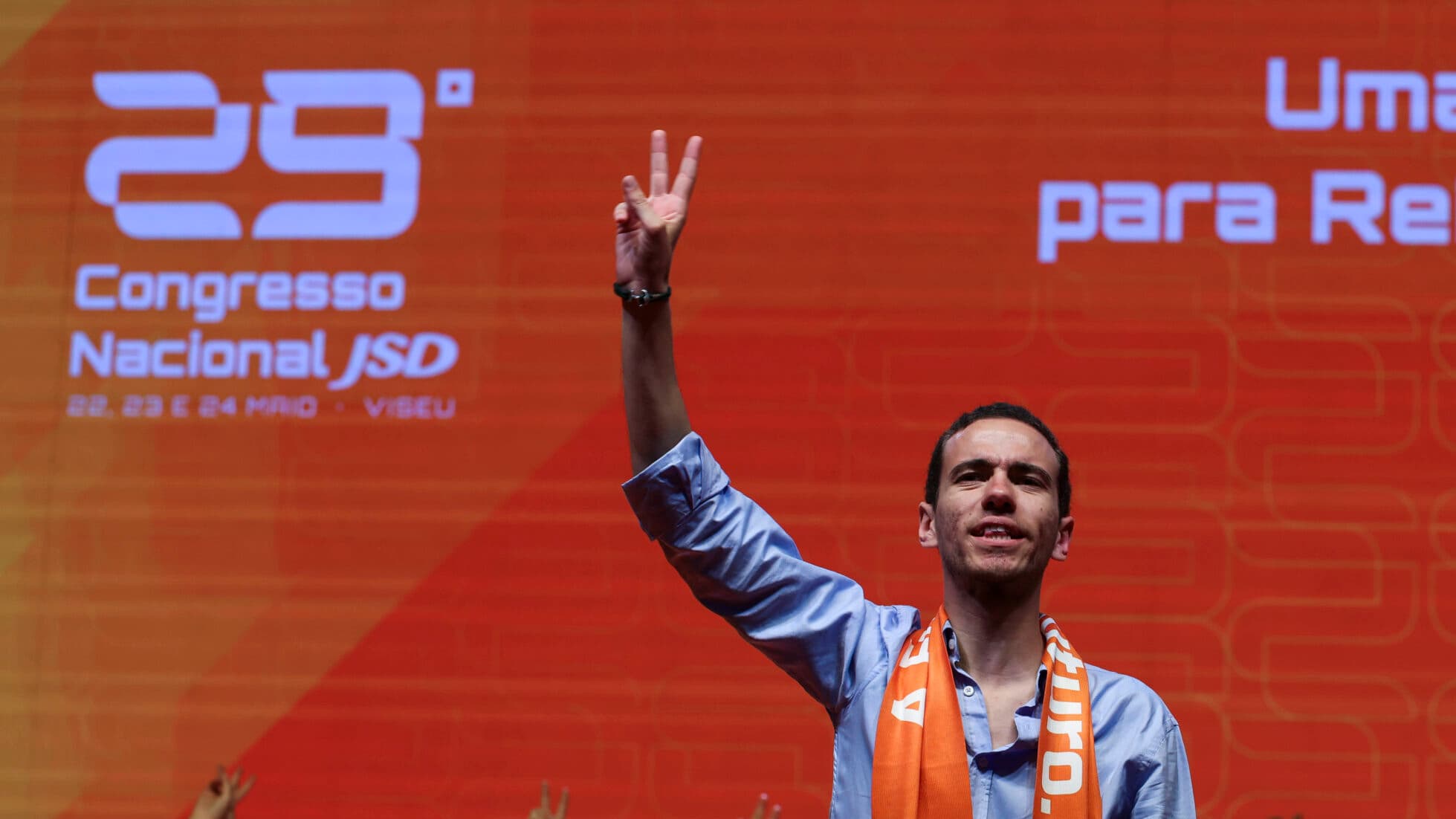
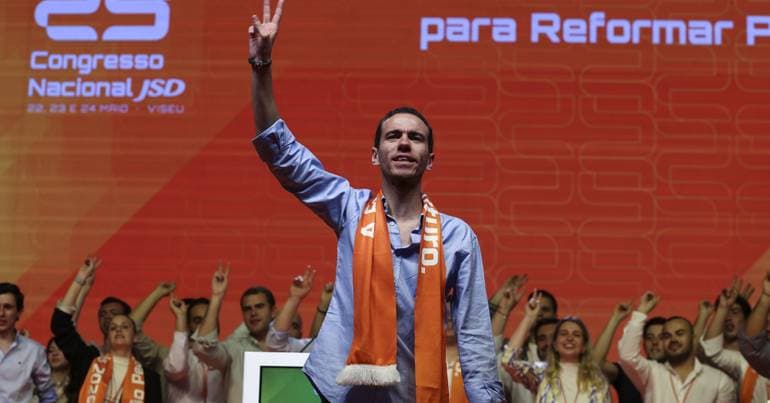
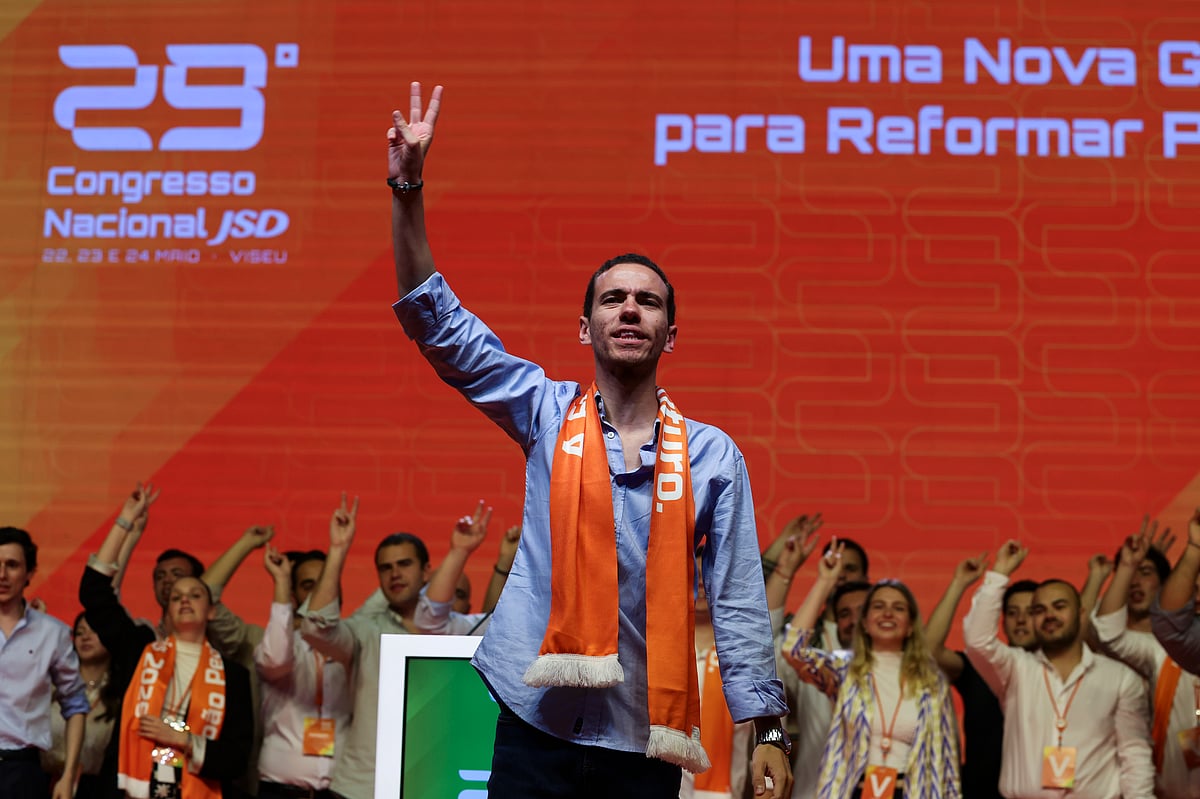
António José Seguro challenges young people to change politics and the future of Portugal
António José Seguro encourages the youth to take an active role in shaping the political landscape and the future of the country.

Latest news and stories about youth politics in Portugal for expats and residents.
António José Seguro encourages the youth to take an active role in shaping the political landscape and the future of the country.

The number of registered members has risen in the JSD, Livre, and JCP. The JS is seeing a recovery in the number of militants, though still below 2015 levels. The JP and BE are experiencing a decline.

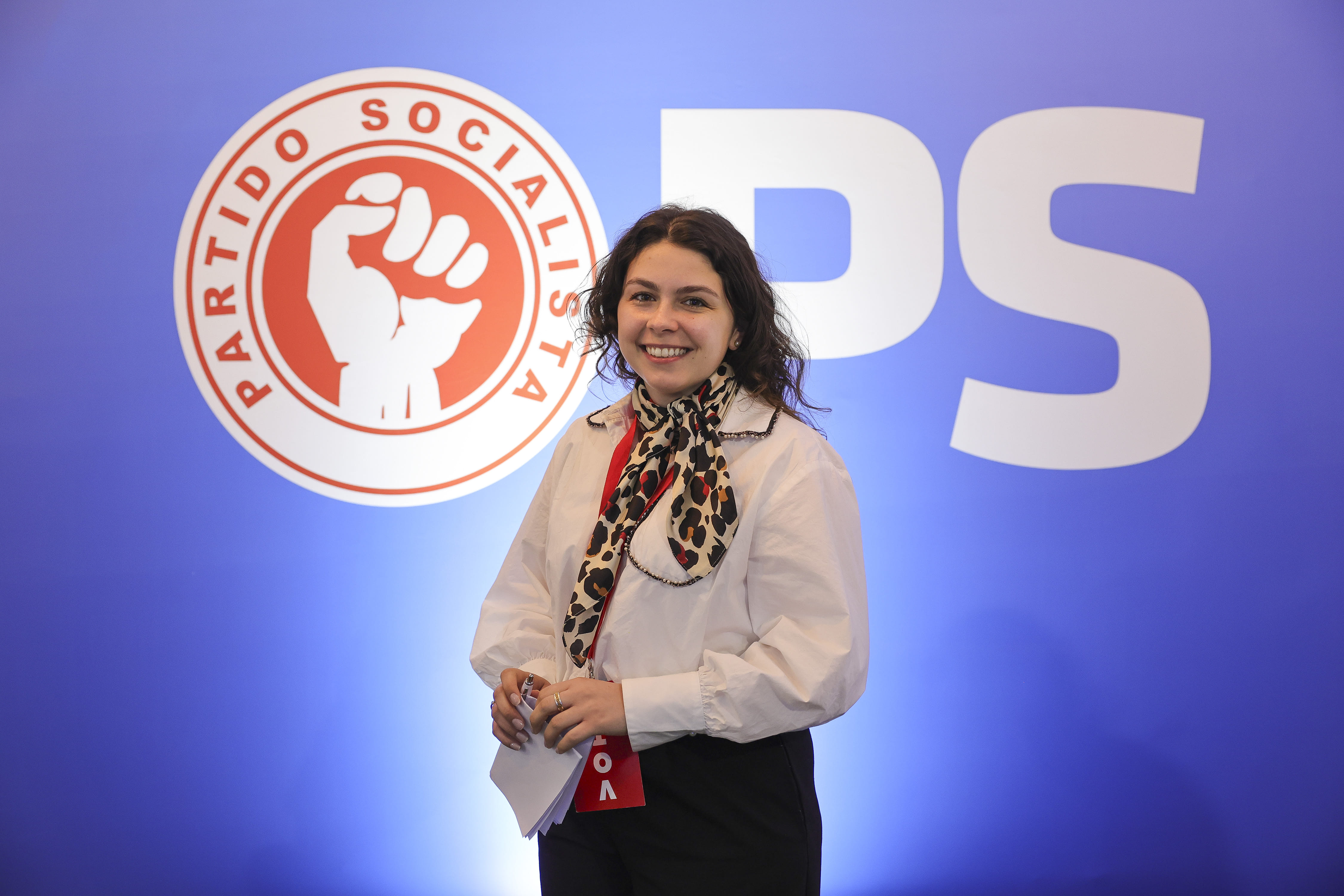
Young delegates at the 25th National Congress of the Socialist Party (PS) discuss their resistance to far-right narratives, while simultaneously criticising their own party for failing to adequately represent and engage with younger generations in the political arena.
The direct elections to succeed João Pedro Louro as president of the Social Democratic Youth (JSD) will be contested by the current secretary-general, João Pedro Luís, and former MP Clara de Sousa Alves, though the latter has yet to confirm her candidacy. The race represents a choice between continuity and change, influenced by age and regional factors. Louro, who is ineligible for re-election due to age limits, will propose an election date of May 23rd during the National Council meeting in Alcochete. Luís, 24, is running on a platform of 'The Strength of the Future,' while Alves, a lawyer from the Trás-os-Montes region, is considered a potential challenger representing a different approach.

The candidate for the JSD leadership promises to replace João Pedro Louro with a stronger connection to Portuguese youth. The next leader will be elected at the 29th National Congress, which does not yet have a set date.

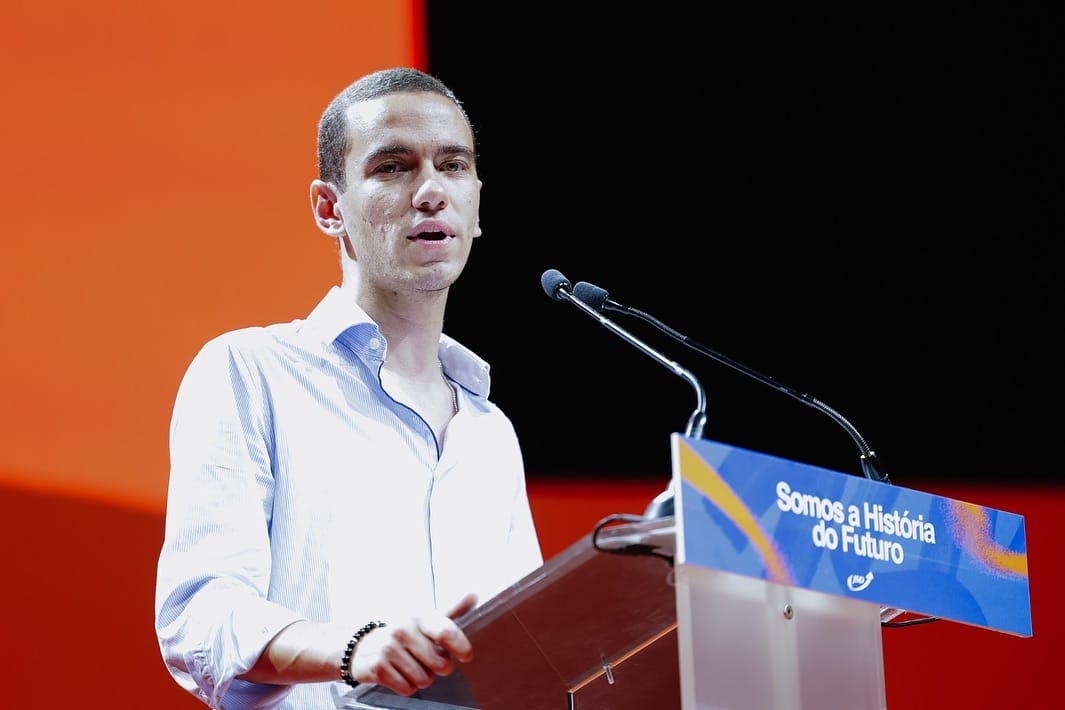
The current secretary-general of the Social Democratic Youth (JSD), João Pedro Luís, announced on Monday that he will run for the presidency of the PSD's youth wing. The current leader, João Pedro Louro, is 32 and cannot run in this year's congress. In a video posted on social media, 24-year-old João Pedro Luís announced his candidacy, arguing that the JSD should be 'truly young' and 'connected to Portuguese youth' in areas such as education, housing, territorial cohesion, artificial intelligence, and security. João Pedro Luís narrowly missed being elected as a member of parliament in 2022 at just 19, when he led the PSD list in Portalegre, and also served as Luís Montenegro's national youth representative during his leadership campaign. The date for the JSD Congress will be set at the next National Council meeting in the Setúbal district on March 28. Party youth wings hope to increase their number of parliamentary seats.

The current secretary-general of the PSD youth wing announces his candidacy for the leadership to replace João Pedro Louro.

The identity verification process for new members is fueling tensions within the Socialist Youth. The procedure, justified by the need to prevent unintentional memberships, is seen as a selective barrier to the entry of young people.

One learns, all too soon, the art of strategic silence and timely bowing. Where the grain in the gears of the parent party should be pulsing, only a disciplined and grey echo remains.

Different visions of the future and the country mobilise young people to support António José Seguro and André Ventura. What unites them? The belief that politics — and this election — can help change their lives.

FOMO (Fear Of Missing Out), precariousness and a fear of making mistakes explain youth abstention better than apathy. A lack of credibility in politics pushes them away from the democratic centre and drives them towards populism.

Perhaps this whole process is an involuntary test of endurance: if you survive registration, you're ready for Portuguese politics — and for the classic line 'we'll see about that later'.

Asks whether young people will be the driving force that brings António José Seguro to victory.

Marques Mendes again urged supporters to believe in advancing to the second round. The candidate finishes his campaign with a rally and a youth event in Lisbon.

With the 2026 presidential election approaching, debate is growing about democratic representation in Portugal. The question arises: do young people feel that any candidate addresses their concerns? Opinion column by Joana Vieira Barroso.