Latest news and stories about worker rights in Portugal for expats and residents.
This page has only 1 story and is not indexed by search engines.
Seven answers explaining the changes the government plans for dismissals and what to expect next

Portugal's government plans to revise regulations governing platform-based work (delivery, ride-hailing and other gig-economy jobs). Potential changes include clarifying worker status (employee vs contractor), strengthening social protections and labour rights, introducing minimum standards and transparency obligations for platforms, and tougher enforcement — measures that would affect platforms, workers and consumers.

The document was submitted on the same day that dozens of demonstrators protested against the law in an action called by CGTP‑IN, between Largo Camões and the Assembly of the Republic.

A delegation from the CGTP's executive committee delivered a petition with more than 190,000 signatures on Tuesday to the Prime Minister's official residence at São Bento to 'defeat this labour package'. 'The Government has already had every opportunity to open its eyes,' said the CGTP general secretary in remarks to journalists in Lisbon, after the ...

Portugal's main trade union confederation, CGTP, says it does not rule out calling another strike over the labour package.

Fixed-term contracts, outsourcing after layoffs, hour banks, dismissals for just cause. These are some of the issues that lead workers to strike today, December 11, the first general strike called by CGTP and UGT since 2013. The government has deemed this strike to be untimely and senseless. Follow it here...

Labour legislation does not trouble business owners, and the government is creating an unnecessary storm. “Just because there is minimal non-compliance with breastfeeding, should a rule be created for everyone? Fixed-term contracts for more years? That's not needed at all.” José Teixeira, leader of the DST group, spoke at the League of Innovators.

The impact of the proposed labour changes on the weakening of a system that has, more or less generously, robustly ensured social protection for workers against the eventualities of their life cycle is significant and should not be ignored or removed from the discussion.
Opposition to the reintegration of workers, the expansion of minimum services during strikes, collective bargaining, and the simplification of layoffs are the changes in the government's labour reform that raise questions about their constitutionality among labour law experts.

A Labour and Social Security Law expert points out that the “most controversial” change relates to the opposition to the reintegration of workers dismissed unlawfully.

The Association believes that productivity comes from better working conditions, not from 'reforming laws to make workers work more at any cost.'

The gathering began at 5:30 PM in Chiado, Lisbon.

The Assembly of the Republic discussed the government's proposal to amend labour law.

The union, which will join the strike, reminds that the notice “covers all workers, regardless of their union affiliation, the roles they perform, and their employment status.”

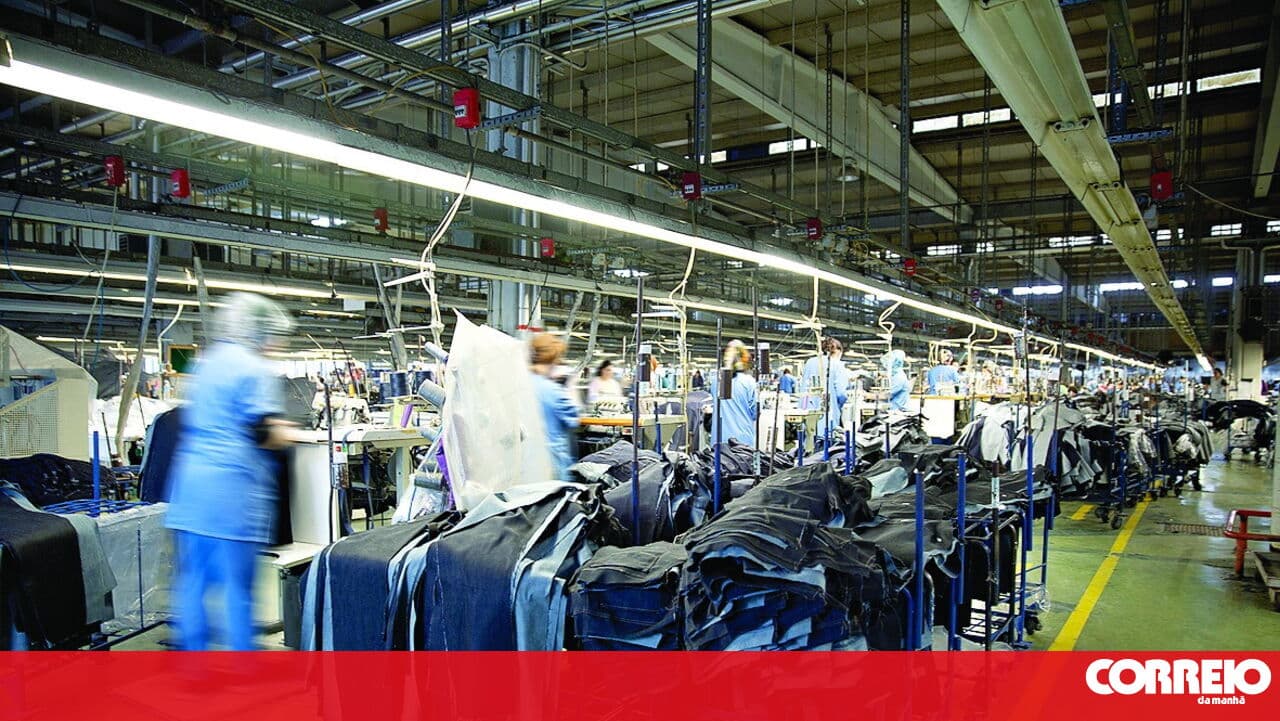
Around 210 workers remained after Dielmar was taken over by Valérius following an insolvency process. Of these, only 122 employees are left. Valérius is now proceeding with a collective redundancy.

The motion, unanimously approved, aims to extend the fight to defend workers' interests, who speak of a “perpetuation of precariousness” with the new labour package.

Workers at Autoeuropa have voted in favour of a motion opposing the government's proposed labour reforms.

Presidential candidate Catarina Martins today criticised the Government for insisting on a labour law that will “take away more rights” from workers in a country “where people already work so many hours for such low pay.”

Catarina Martins discusses the implications of the new labour law, which is expected to strip away additional rights from workers.

João Proença, former leader of UGT, criticises the undermining of collective bargaining and states that the project is “100% unbalanced” because it “threatens job security” and “increases precariousness.”

Can companies shape the salary package and allow workers to choose what suits them best? INEM helicopters: where can they actually land? Write to foradobaralho@observador.pt