

Vidigueira hosts the election of the Ambassador of the Wine Territories of Portugal
The municipality of Vidigueira is the venue for selecting the representative for the Portuguese Wine Territories association.

Latest news and stories about wine culture in Portugal for expats and residents.
The municipality of Vidigueira is the venue for selecting the representative for the Portuguese Wine Territories association.
Commemorated on September 10th, Port Wine Day marks the 270th anniversary of the Douro Demarcated Region. Beyond the tastings, parties, and entertainment that mark the date, at these 12 hotels located on the riverbanks, Port wine is celebrated every day.

Between spaces and objects linked to wine and vineyards, we take paths that go from Bucelas to Pico, with a drink included.

A call to action to support Maria Campaniço in her bid to become the ambassador for Portugal's wine-growing regions.

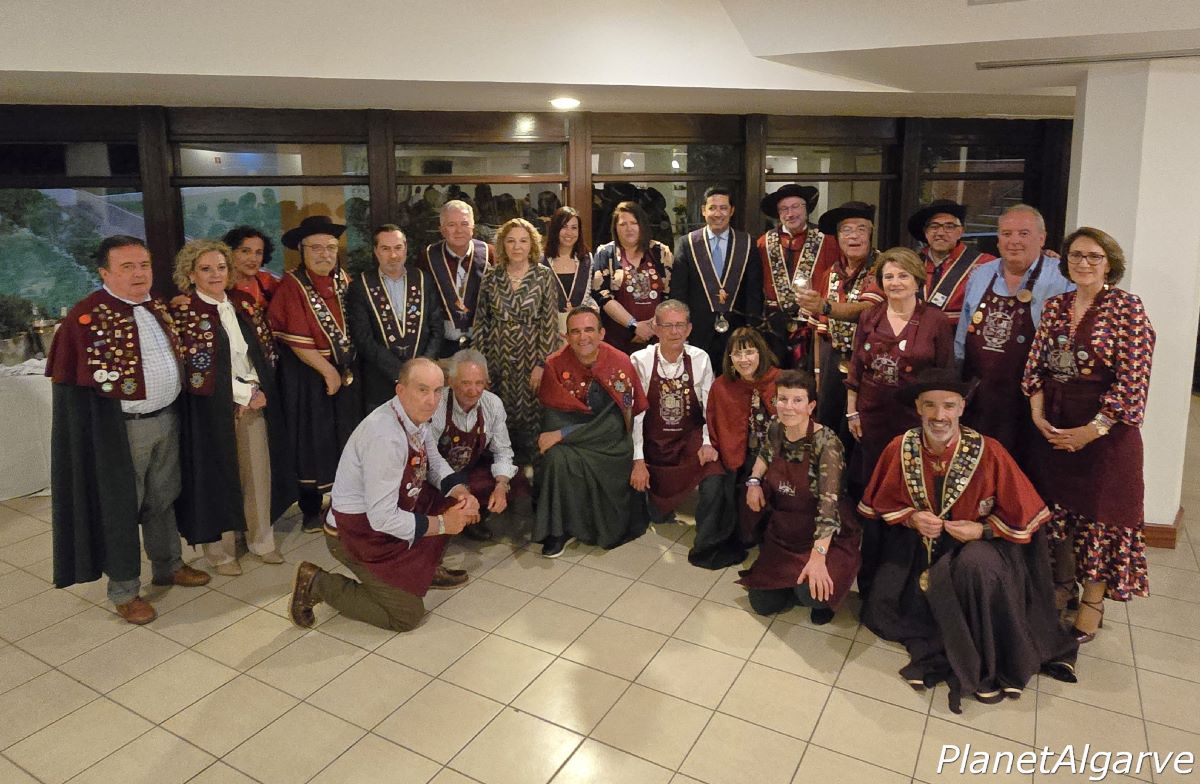
He fell in love with the Alentejo region when, on his first night there 40 years ago, he tasted roast lamb in a local tavern. Vidigueira is his favourite place in Portugal due to its wine culture.
She graduated in architecture, but curiosity, a taste for tasting, and a desire to learn more about wines led her to get involved in the wine business.
Order a Portonic instead of an Aperol Spritz and celebrate the cultural tradition and brilliance of Portugal’s wine culture. It is Portugal’s ultimate summer beverage! Do we owe this refreshing The post The ultimate Portuguese summer sipper! appeared first on Portugal Resident.

Equating the secular culture of moderate wine consumption at the table with the dangers of indiscriminate excess is an unfair reductionism, scientifically fragile, and economically blind.

For decades, a silent hierarchy in the wine world relegated white wines to a secondary status, often viewed as simple summer drinks compared to the perceived depth and prestige of reds. However, advancements in winemaking technology, changing climate preferences, and a shift in consumer mindset have finally allowed white wines to be judged on their own quality. As a sommelier, the author reflects on how overcoming these deep-seated prejudices has revealed the true potential, complexity, and ageing capacity of white wines, proving that a wine's greatness is defined by what is in the glass, not by its colour.

The Vine and Wine Institute (IVV) is tasked with promoting and coordinating the celebration initiatives associated with this day.

The cellar, next to the D. Luís Bridge, was closed for half a year and recently reopened, renovated and with a new, more immersive way of telling its story.
Creating a 'novelty' doesn't necessarily mean inventing something new. By taking an old concept, updating its branding, and crafting an appealing narrative, something that has existed for centuries can suddenly seem like it was invented last week. In the wine world, few examples illustrate this better than Pet-Nat. Today, it is a staple in trendy bars and modern restaurants, yet its origins lie in a distant past. Long before complex methods or the technical processes of Champagne, winemakers were already producing sparkling wines—often by accident, as winter temperatures would pause fermentation, only for it to resume in the bottle come spring. Known today as the 'Ancestral Method,' this process involves a single fermentation completed inside the bottle, resulting in a wine that is spontaneous, unpredictable, and full of personality. While not every Pet-Nat is a masterpiece, their current popularity reflects a modern desire for imperfection and individuality in an age obsessed with consistency. Ultimately, the success of Pet-Nat proves that sometimes the future isn't ahead of us, but hidden in the past, waiting to be rediscovered.
In recent years, natural, organic, and biodynamic wines have evolved from a niche curiosity into a global phenomenon. While these categories are often grouped together, they represent distinct approaches to winemaking. This article explores the differences between them, addresses the hype surrounding natural wines, and argues that the quality of the wine in the glass should ultimately matter more than the philosophy behind its production.

The author argues that the wine industry has developed an unnecessarily complex and elitist vocabulary that alienates consumers. Instead of focusing on abstract descriptors like 'graphite' or 'mineral tension', the industry should communicate wine through the emotions, pleasure, and social experiences it provides, making it more accessible and human.

Promoting good wines is not about increasing consumption, for which we are already champions, but about creating consumption habits that point towards less quantity but better quality. It is time to eliminate the phrase: let's drink by the decilitre!

These wine sacks were favoured by nomads and travellers because they were lightweight, durable, and flexible. To prevent the wine from seeping through, the leather was traditionally lined with pine The post BiB – What is a wine sack? appeared first on Portugal Resident.
When he arrived at an event, after having closed the Society section, David would be exhausted, in a state of fatigue that was pitiful. But that did not deter him from the next stage: eating, drinking, and writing about it. He was a resilient man.

The 11th edition of the Portugal Wine Competition has concluded, with 38 medals awarded following a blind tasting process.
Heritage, tradition, gastronomy, and wines invite you to stop in Estremoz. Take a leisurely stroll through the “White City” of the Alentejo, which has many new things to discover. Watch this Saturday (11:35 am) on SIC Notícias.

It is the most expensive wine ever: the 1945 Domaine de la Romanée-Conti breaks its own record at auction and has increased in value by almost 50% in eight years. It is not far from reaching one million...

For 230 years, those passing by Rua do Infante D. Henrique in Porto saw only a granite facade and discreet windows. Today, it is possible to visit the most exclusive 'club' on the Douro riverfront.

Dry farming may sound like a new-age concept, a part of the sustainability sector of agriculture, and the latter is true, but dry farming in wine culture dates back to The post Dry farming. Going back to basics appeared first on Portugal Resident.
Port wine is unpredictable, and producers sometimes misjudge their declarations: they think it will be good and it turns out not so well, or vice versa. This year, everything points to 2024 being considered a classic vintage, something that has not happened since 2017.

The article highlights the unique experience of staying inside a giant wine barrel in Portugal, offering visitors a whimsical and immersive lodging experience. This attraction allows guests to live inside a massive wine barrel, fulfilling a dream for wine enthusiasts and adventure seekers alike. The setup provides a distinctive way to enjoy Portugal’s rich wine culture while offering a memorable and cozy stay.

From the 19th century, red wine became commonplace and the famous phrase “since there was no wine, we drank white!” is said to have originated. The reasons for these preferences are almost always silly, such as “red goes in red and comes out colourless, something stays there” or “it's the colour of the blood of Christ”, as if the apostles' blood were a different colour.

Two women and a glass of wine. The perfect start to a conversation about life, culture, stories and ideas. A selection of women who leave their mark, like certain wines. With Inês Meneses.
