Latest news and stories about weather warning in Portugal for expats and residents.
This page has only 1 story and is not indexed by search engines.
The warning is in force until 09:00 on Sunday, after which it will be downgraded to a yellow warning until 18:00.

IPMA has issued a yellow warning for rough seas in 10 districts. Eight districts remain under a yellow warning due to snowfall.

Waves may reach a maximum height of 10 metres in the northwest.

The seven affected districts are Porto, Viana do Castelo, Lisbon, Leiria, Aveiro, Coimbra and Braga. Coimbra and Braga will have the orange warning in effect until 12:00. Other districts are under a yellow warning.

In Gralheira, municipality of Cinfães, CNN Portugal reporter Francisca Genésio describes a cold morning with snow still visible but already melting after a night in which “it barely snowed”. She reports a forecast of heavier snowfall during the afternoon and warns of possible disruptions to access routes and on election day, recommending people follow authorities' instructions.

The districts of Guarda and Castelo Branco were under a yellow warning until 18:00 on Friday due to snowfall.

Seven districts of mainland Portugal are under an orange warning this Saturday because of forecasted rough sea conditions. According to the Portuguese Institute for the Sea and Atmosphere (IPMA), the warning is expected to remain in force until 12:00 in the districts of Porto, Viana do Castelo, Lisbon, Leiria, Aveiro, Coimbra and Braga.
The districts of Guarda and Castelo Branco were under a yellow warning until 18:00 on Friday due to snowfall.

The city council has installed safety barriers at Porto's river mouth to prevent public access. Waves may reach up to 10 metres.

National weather services placed fifteen mainland districts under a yellow warning for inland snowfall and increased coastal swell, with outlets warning of travel disruption and hazardous maritime conditions. Forecasters expect snow inland and rough seas along the coast that may affect ferries, coastal roads and port operations. Travellers and mariners should monitor local forecasts and services; note the yellow warning (aviso amarelo) indicates potential danger but not the highest alert level.
Aviso amarelo (yellow warning) is the second level in Portugal's weather-alert system issued by the Instituto Português do Mar e da Atmosfera (IPMA) to signal potentially dangerous conditions like heavy snow or rough seas. When districts are under aviso amarelo, expect travel disruption and take precautions—drivers, boaters and coastal residents in the affected areas should be especially alert.

A yellow warning (aviso amarelo) from IPMA signals potentially dangerous weather conditions (the lowest of three levels: yellow, orange, red) that may cause local disruption. For expats it means be alert—expect slower travel and take common‑sense precautions—but it is not usually an immediate emergency level.

A yellow warning is in effect until 18:00 for Bragança, Viseu, Guarda, Vila Real, Viana do Castelo, Castelo Branco and Braga, due to snowfall above 1,000 metres.

Fifteen mainland Portugal districts are under a yellow warning for snow and sea swell until 18:00. Authorities and emergency services are monitoring conditions and advising the public to take precautions against disruption to transport and coastal hazards.

The warning for expected snow remains in force until 18:00, and the alert for rough seas continues until the early hours of Sunday. Also, Sporting host Casa Pia in the opening match of the second half of the Primeira Liga season.

At 3am the Portuguese Institute for the Sea and Atmosphere (IPMA) placed 15 districts under a yellow warning due to expected snowfall and rough seas.

Home News Weather warning: Snow may fall in Portugal Weather warning: Snow may fall in Portugal Fifteen districts are currently under a yellow warning due to forecasts of snow and occasionally strong sea swells, the Portuguese Institute of the Sea and the Atmosphere ( IPMA) announced today.

The harbourmaster warns that waves on the north coast could reach up to four metres.

An orange warning is issued whenever a weather situation poses a moderate to high risk.

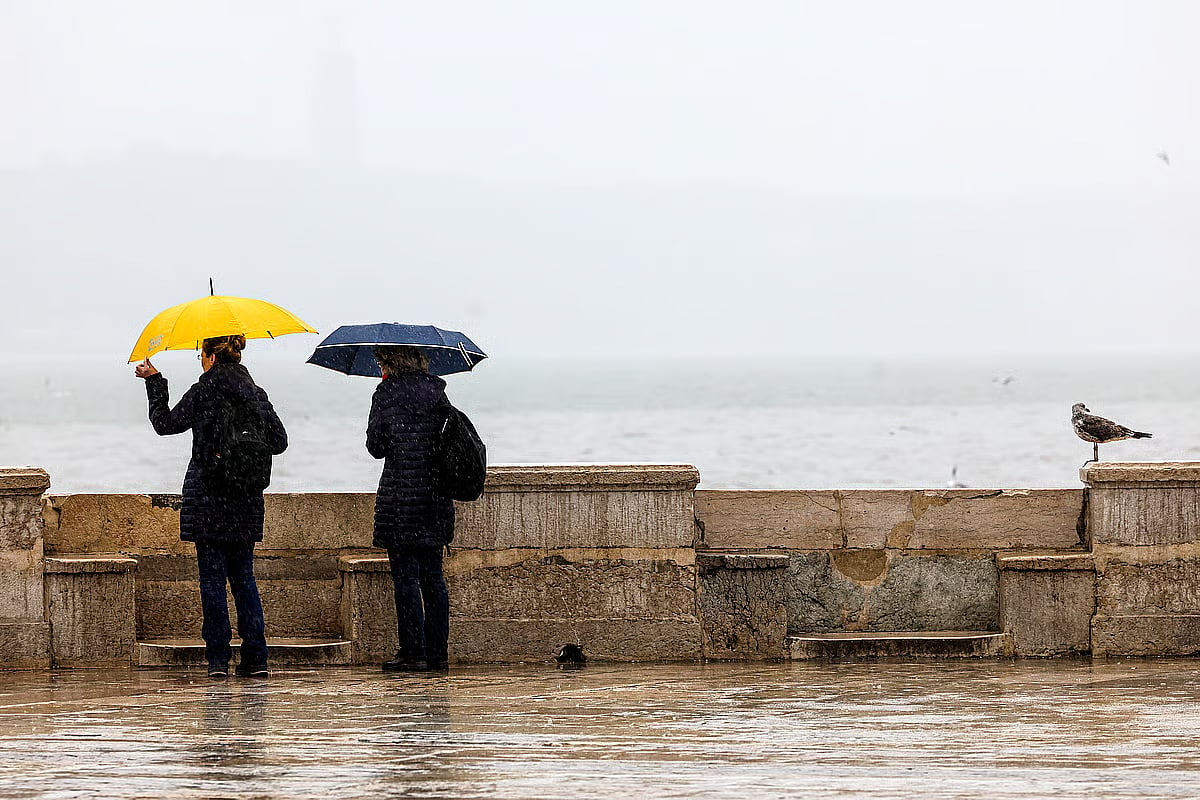
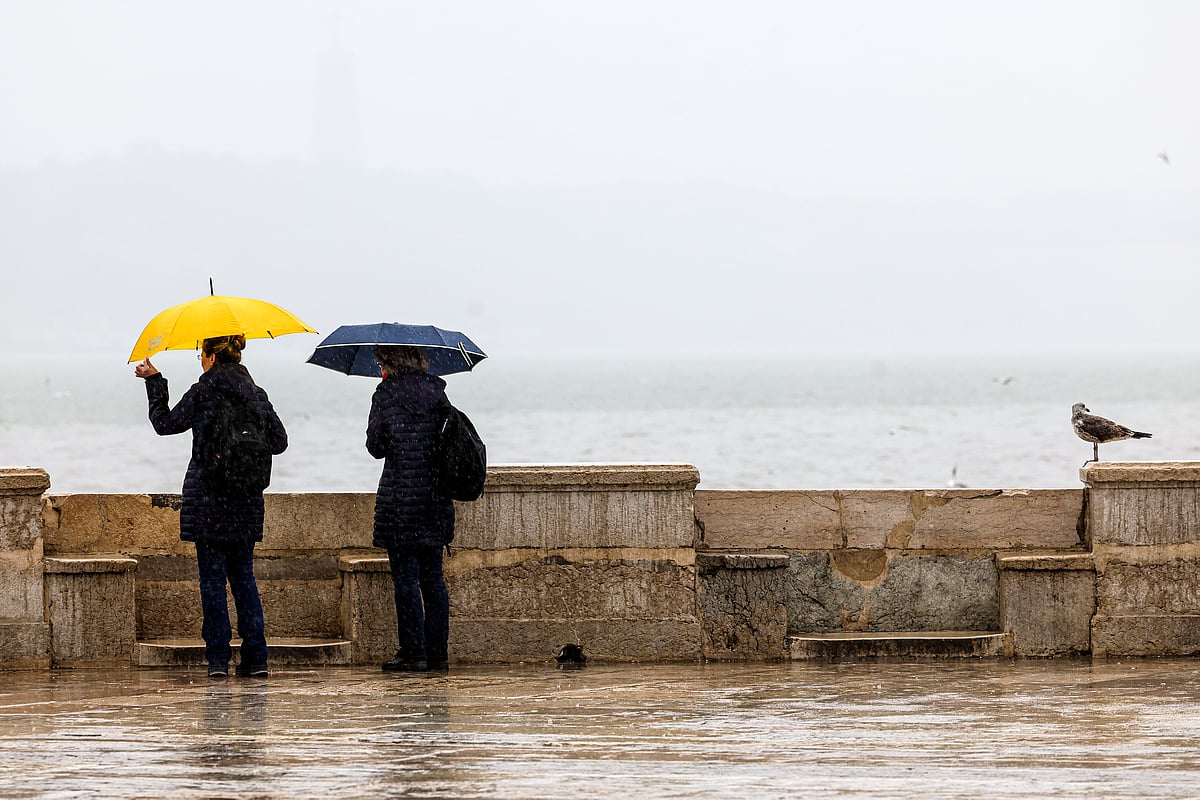
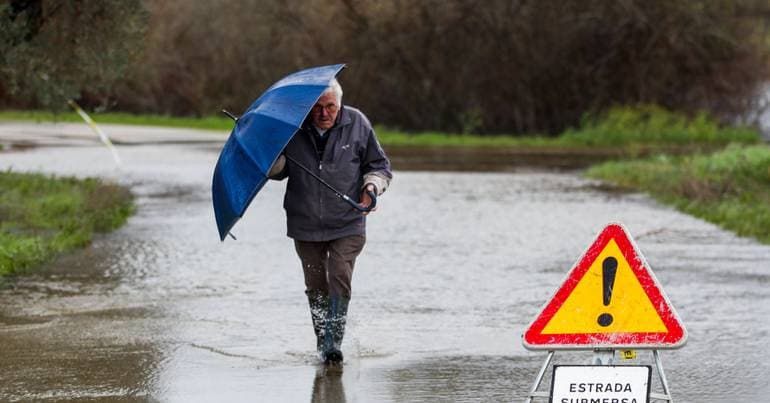
A forecast of occasionally heavy rain and rough sea conditions led IPMA to issue yellow and orange warnings for several districts from Thursday to Saturday.

The districts of Aveiro, Porto and Braga are under a yellow warning for rain until 09:00, and Viseu, Évora, Faro, Vila Real, Beja, Castelo Branco and Portalegre until 12:00 this Tuesday.

The Portuguese Institute of the Sea and Atmosphere (Instituto Português do Mar e da Atmosfera or IPMA) placed eleven mainland districts under yellow weather warnings for occasionally heavy rain and strong winds, with some districts also flagged for snowfall at higher elevations. Travellers and anyone with outdoor plans should monitor local updates and expect possible short‑term disruption to roads and services in affected districts.

IPMA is the Portuguese Institute of the Sea and Atmosphere (Instituto Português do Mar e da Atmosfera), the national agency for weather, marine forecasts and climate monitoring. Residents should watch its forecasts and warnings during storms, heatwaves or cold snaps because IPMA issues official advisories used by services, transport operators and local authorities.

A yellow warning (aviso amarelo) from IPMA signals potentially dangerous weather conditions (the lowest of three levels: yellow, orange, red) that may cause local disruption. For expats it means be alert—expect slower travel and take common‑sense precautions—but it is not usually an immediate emergency level.

The Portuguese Institute for the Sea and Atmosphere (Instituto Português do Mar e da Atmosfera or IPMA) has placed eleven mainland districts under a yellow weather warning for occasionally heavy rain and strong winds until the early hours of Tuesday, with wind gusts reported up to 90 km/h and rough seas warned for Madeira and the Azores. Districts named include Viana do Castelo, Braga, Porto, Lisbon, Setúbal, Leiria, Aveiro and others; warnings run until about 09:00 in some reports. Expats should expect travel and local disruption, check public-transport updates and secure outdoor items; coastal and island travel may be more affected.

IPMA is the Portuguese Institute of the Sea and Atmosphere (Instituto Português do Mar e da Atmosfera), the national agency for weather, marine forecasts and climate monitoring. Residents should watch its forecasts and warnings during storms, heatwaves or cold snaps because IPMA issues official advisories used by services, transport operators and local authorities.

A yellow warning (aviso amarelo) from IPMA signals potentially dangerous weather conditions (the lowest of three levels: yellow, orange, red) that may cause local disruption. For expats it means be alert—expect slower travel and take common‑sense precautions—but it is not usually an immediate emergency level.