Tap water in Vila Franca do Campo is now safe to drink
Tests reveal that the water is no longer contaminated. However, as “cleaning and maintenance work on the network” is still ongoing, the council advises the public to boil it as a precaution.

Latest news and stories about water quality in Portugal for expats and residents.
This page has only 1 story and is not indexed by search engines.
Tests reveal that the water is no longer contaminated. However, as “cleaning and maintenance work on the network” is still ongoing, the council advises the public to boil it as a precaution.

Residents of Pernes woke once again to a nauseating smell in the air and the Alviela riverbed coated in a brown foam.

The mayor said that 'it is possible and it is advisable' to consume it directly from the tap.

Águas Públicas em Altitude has completed analyses of the reservoir, which had an abnormal odour detected during maintenance. The company said that consumption “is guaranteed with safety and rigour”.

Pombal Town Council — in a municipality in the district of Leiria severely affected by the bad weather — assures the quality of the public water supply and publishes the locations of public water points available to residents.
Work is being carried out with the help of fire brigades from various parts of the country, which will have at least 14 water tankers in the municipality.

Electricity still does not reach all homes; water runs cloudy from the taps; there is a shortage of roof tiles, but an additional mobile network is now operating.

The company urges customers to be alert to any visible changes in the water, particularly in colour, odour or cloudiness.

Águas de Coimbra also issued the same clarification on Friday, assuring that the water reaching consumers' taps is safe.

Águas do Centro Litoral (AdCL) assured today that there is no problem with the quality of the water supplied to its customers in the districts of Coimbra and Leiria following the recent bad weather.

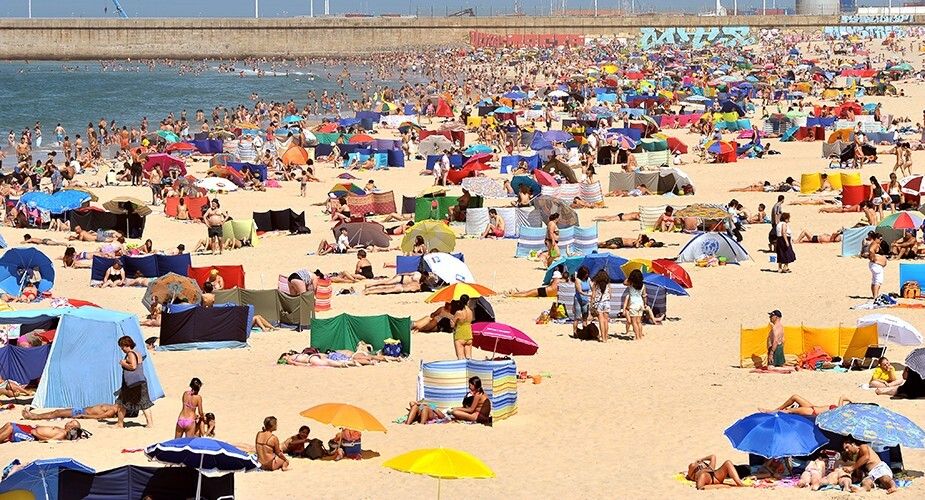
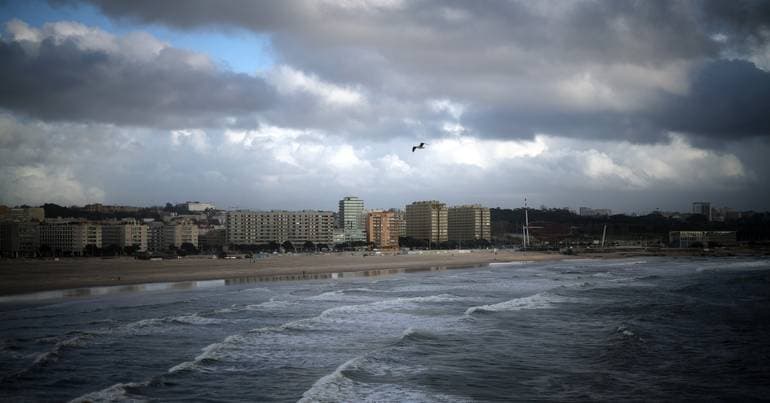
The Matosinhos City Council says it has been — and is — “working continuously” to protect the water quality of Matosinhos Beach, and has a programme to identify the sources of pollution.

Local authorities warn that Matosinhos Beach may lose its official designation as a bathing area.

High pollution levels and the associated risk to public health are at issue. The beach was closed 18 times during the last bathing season.

Matosinhos Beach faces possible removal from the official list of bathing waters after persistent water pollution and associated public‑health risks. The beach was closed 18 times during the last bathing season; the Portuguese Environment Agency (APA) is awaiting the adoption of remedial measures and a final decision is expected in April. Local authorities warn that failure to address contamination could cost Matosinhos its bathing‑area designation and further restrict public access.

The Portuguese Environment Agency classified the beach as “poor” and has called for a “programme of measures on the causes of pollution”.

ProTejo — Movement for the Tagus — suspects the pollution between the Fratel dam and Barca da Amieira do Tejo may stem from effluent discharges and has already reported it to the authorities.

In recent days yellowish foam has been seen again on the Tagus River. This is the warning from proTEJO — Movement for the Tagus — which points to a recurring pollution source affecting about 20 kilometres of this watercourse, between the Fratel dam and Barca da Amieira.
I am writing on 16 January 2026. I live in Lisbon, the capital of Portugal, a Member State of the European Union. I see, daily, how the combined work of so many people, companies and institutions (state bodies, local authorities and private companies) means that, as a rule, there is control over the quality of the water from our taps and that we have safe water for ...

A study on the impacts of the accidental discharge in August 2025 concludes there is a “recurring microbiological contamination” in the River Lis.