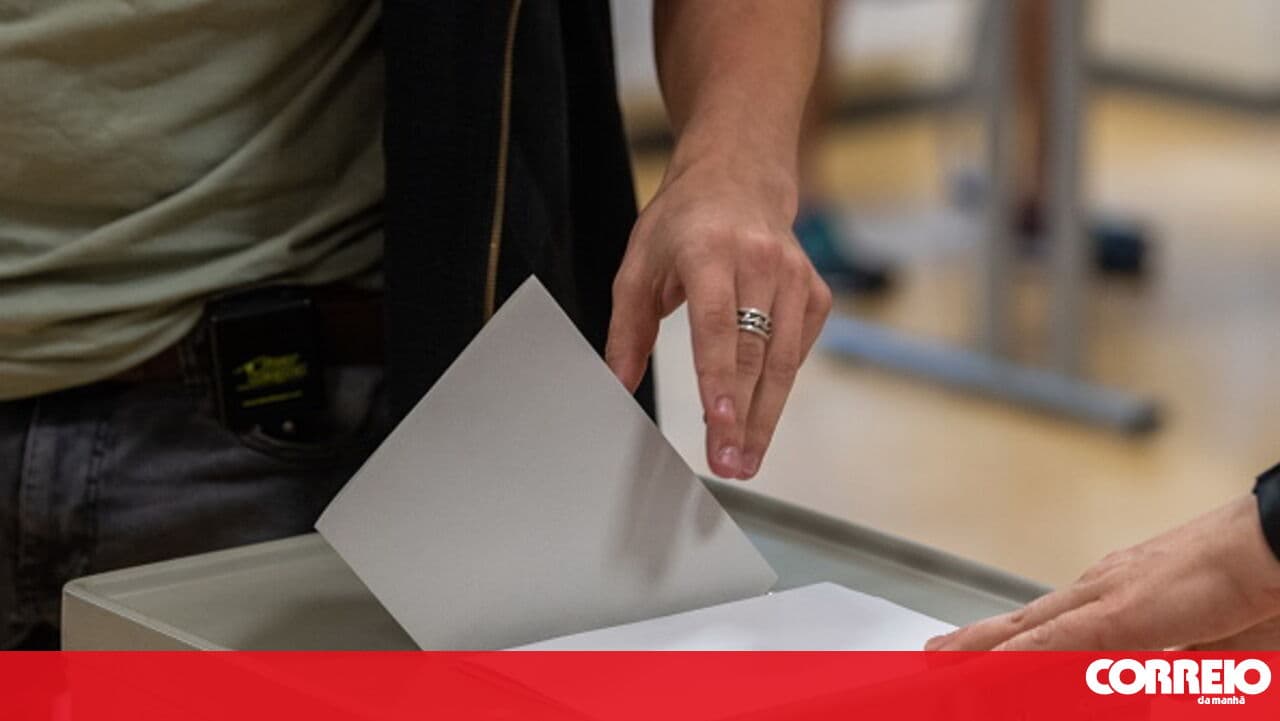
Thousand-kilometre journeys and expenses of hundreds of euros. Emigrants need much more than willpower to vote in the Presidential elections
In legislative and European elections, the ballot arrives by post, is filled out in minutes, and sent back in an envelope. In presidential elections, this option disappears, and voting requires physical presence at a specific embassy or consulate. The administrative difference seems small on paper, but in real life, it translates into kilometres, hours, and euros: 854 kilometres of road between Charleston and Washington, 1,700 kilometres of flight between Tromsø and Oslo, nearly 24 consecutive hours by bus and train between Rovaniemi and Helsinki, entire weekends consumed in a round trip from Osaka to Tokyo, hundreds of euros to travel from Bilbao to Madrid. It is between what is possible in other elections and what is required in presidential elections that reports of frustration, resignation, and a recurring question arise: why, when almost everything in the state can already be handled remotely with secure digital authentication, does voting still often require a journey?