Latest news and stories about voting in Portugal for expats and residents.
This page has only 1 story and is not indexed by search engines.
António José Seguro is the most voted candidate with 30.69% in today's presidential election, with provisional results reported for 1,150 of the 3,259 civil parishes and 47 of the 109 consulates.

Everything you need to know about the Presidential elections here — FROM 20:00

Historian José Manuel Sardica outlines the commonalities between these elections and the 1986 presidential election, the only one to elect a president in a second round.

The radio presenter was authorised to be temporarily absent from the hospital.

At 13:00, nearly all candidates had cast their votes and appealed to citizens to participate, urging higher turnout.

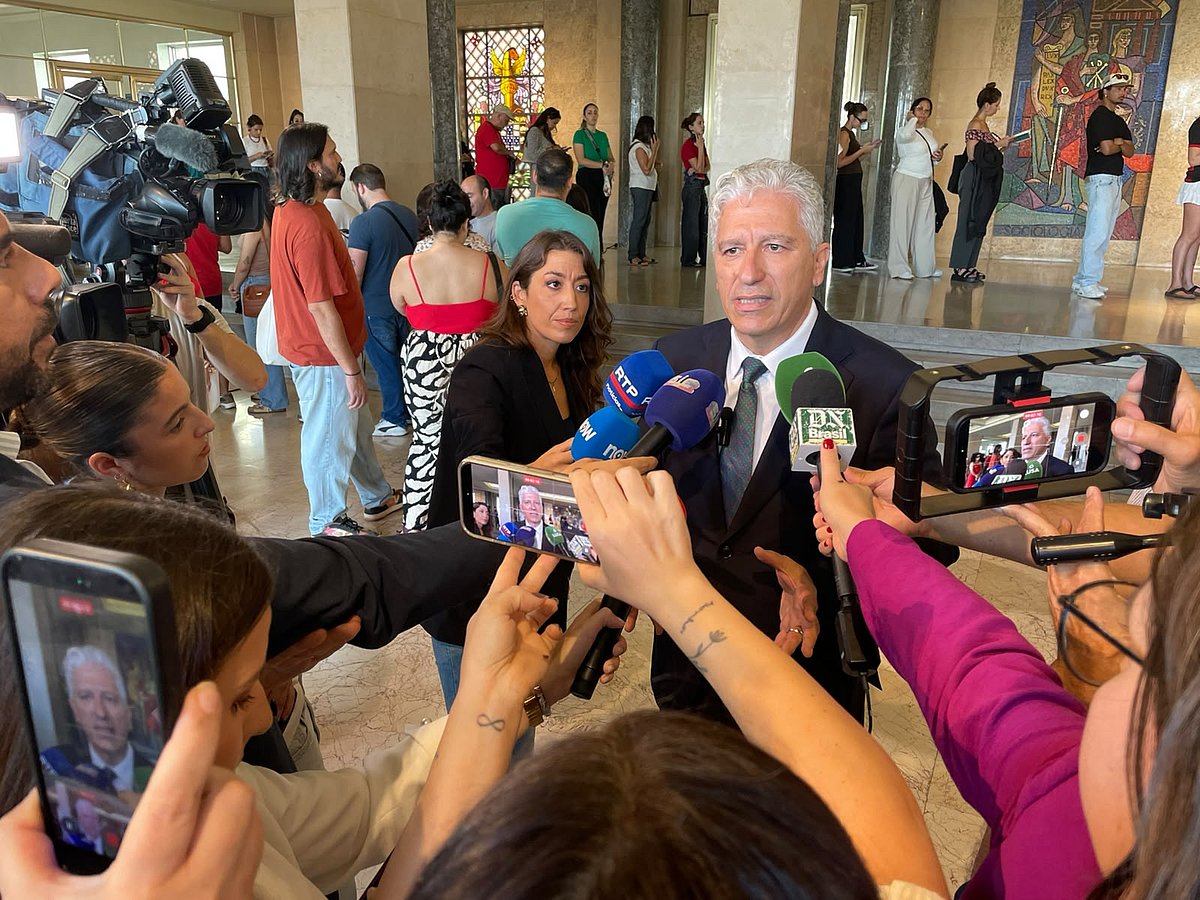
The leader of the PS expressed his gratitude to “all the thousands of people who are supporting the electoral process” in Portugal and abroad, saying they are the “guarantee that the electoral process unfolds with full democratic unity”.

Henrique Gouveia e Melo cast his vote this morning in Lisbon. After a campaign he described as “very intense”, the presidential candidate expressed a positive and confident mood. Focusing on the importance of civic participation, Gouveia e Melo issued a direct appeal against abstention, emphasising that voting is the essential tool for the Portuguese to take control of their own destiny.

The Minister of National Defence recognises the strong likelihood of a run-off; nonetheless, he expresses the hope that the pace of electoral events will slow after the President of the Republic is chosen.

PCP leader highlighted the role of the President of the Republic in 'ensuring the Constitution is upheld'. He also thanked all the staff working to ensure the democratic process proceeds normally.

The socialist, whom polls indicate is one of the candidates likely to reach the second round, was accompanied by his wife.

António José Seguro has also already voted in Caldas da Rainha. To journalists, the socialist candidate said he had exercised his right to vote with “great hope” for the country’s future and in the “common sense of the Portuguese”.

At 10:00, Humberto Correia was the first candidate to cast his vote.

The PCP leader voted in the presidential election on the morning of this Sunday and emphasised the role of the President of the Republic in “ensuring the Constitution is upheld”.

Humberto Correia was the first candidate to exercise his right to vote, at around 09:00. The presidential candidate, whose electoral campaign was marked by touring the country dressed as D. Afonso Henriques, says he managed to fulfil the objective he set for these elections.

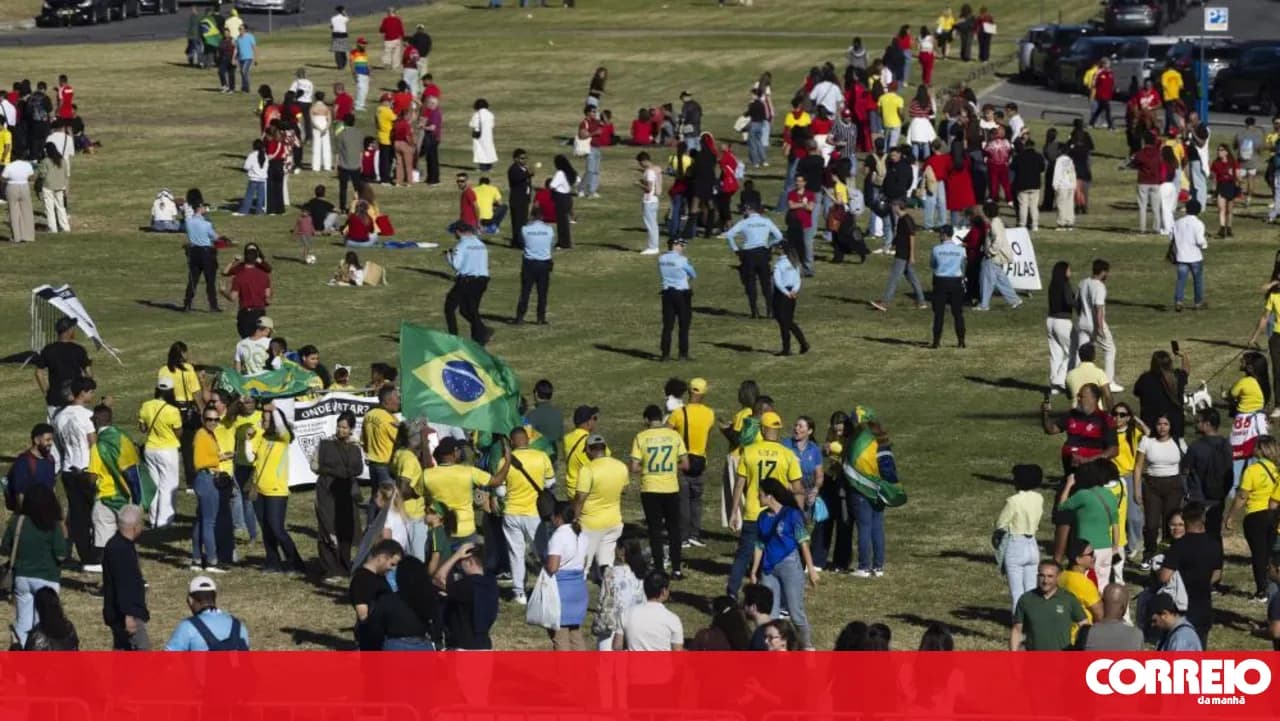
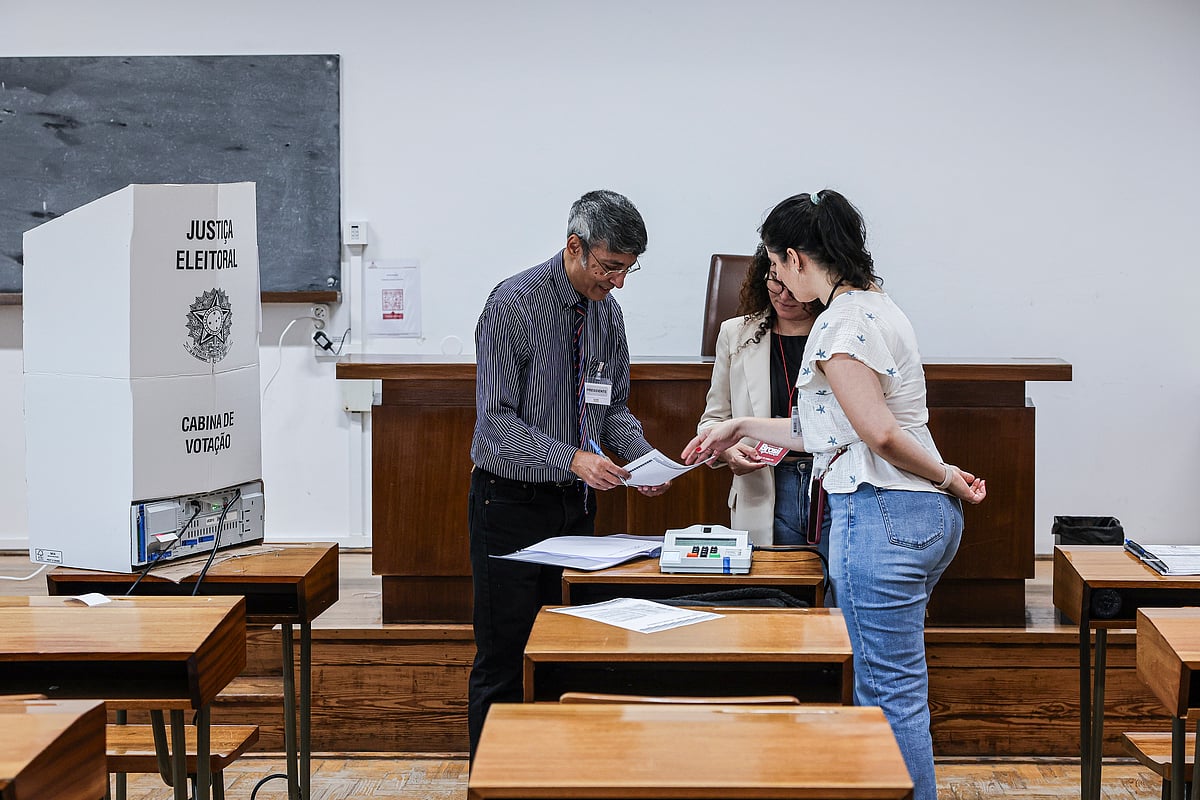
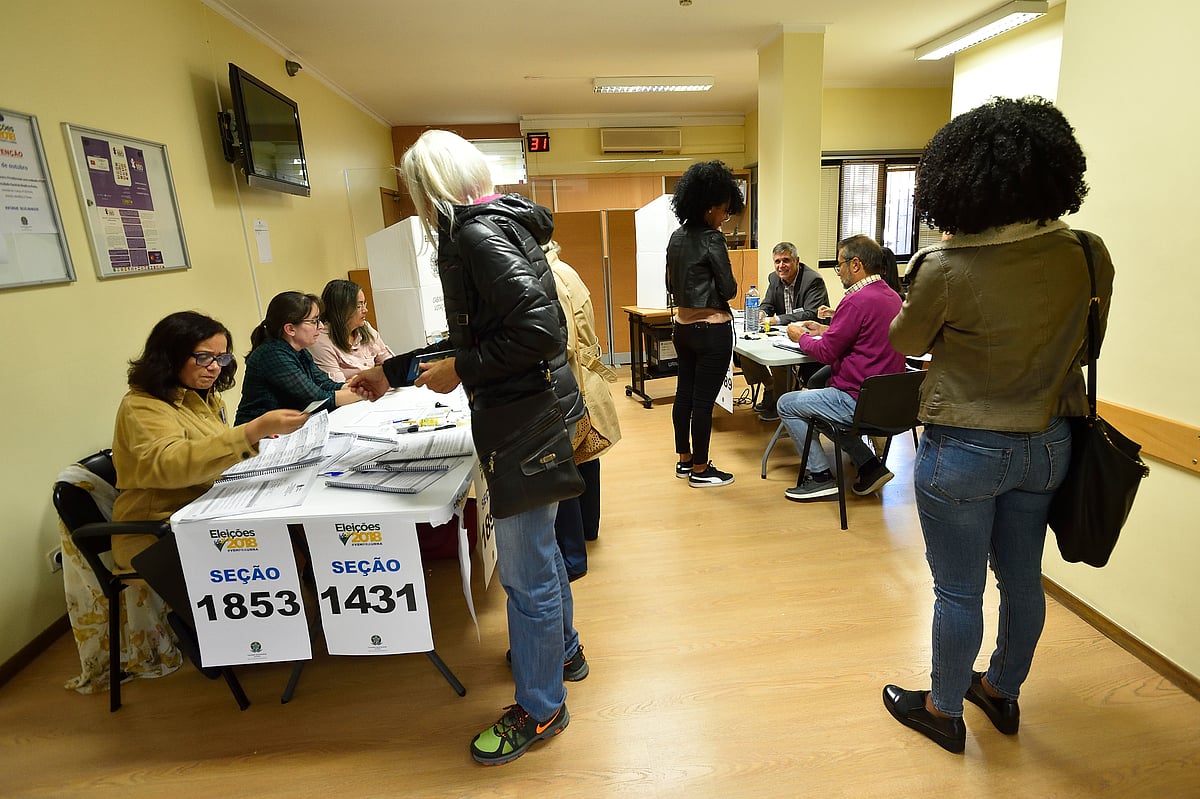
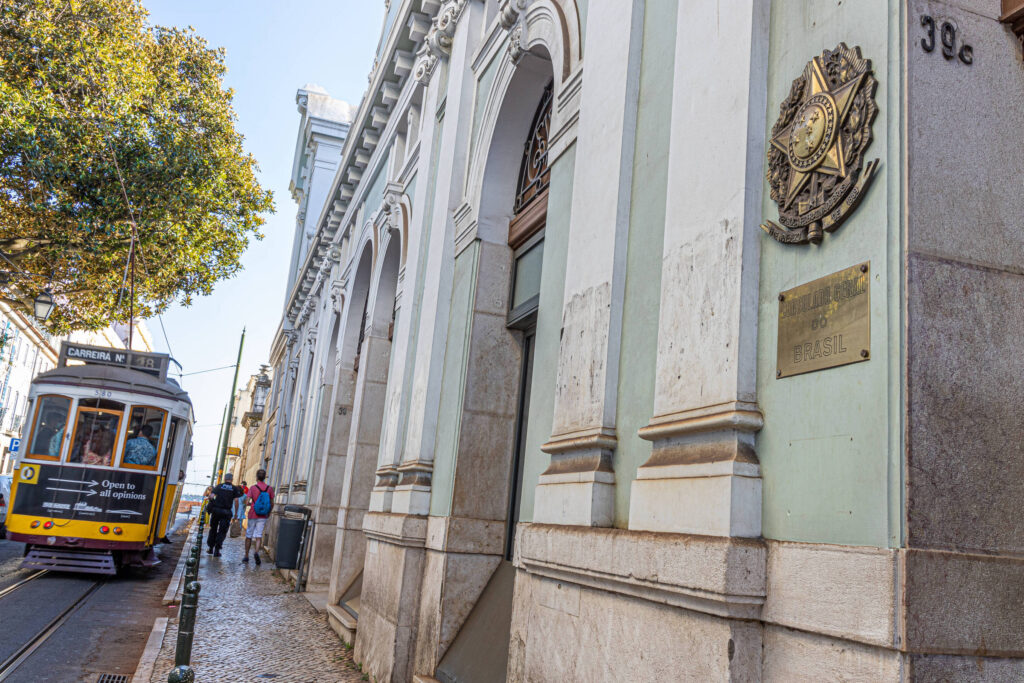
Those living outside Portugal began voting on Saturday. There is a large turnout at polling stations in Paris, France.

Polling stations have already opened in the autonomous regions and on the mainland. More than 11 million voters will decide the new President or which two candidates advance to the second round.

Polling stations are open from 08:00.

Those elected keep changing, and so do the voters, but the improvised nature of election nights — a certain democratic euphoria at being able to vote and to elect — remains. And it's a pleasure to watch. Column by Miguel Esteves Cardoso
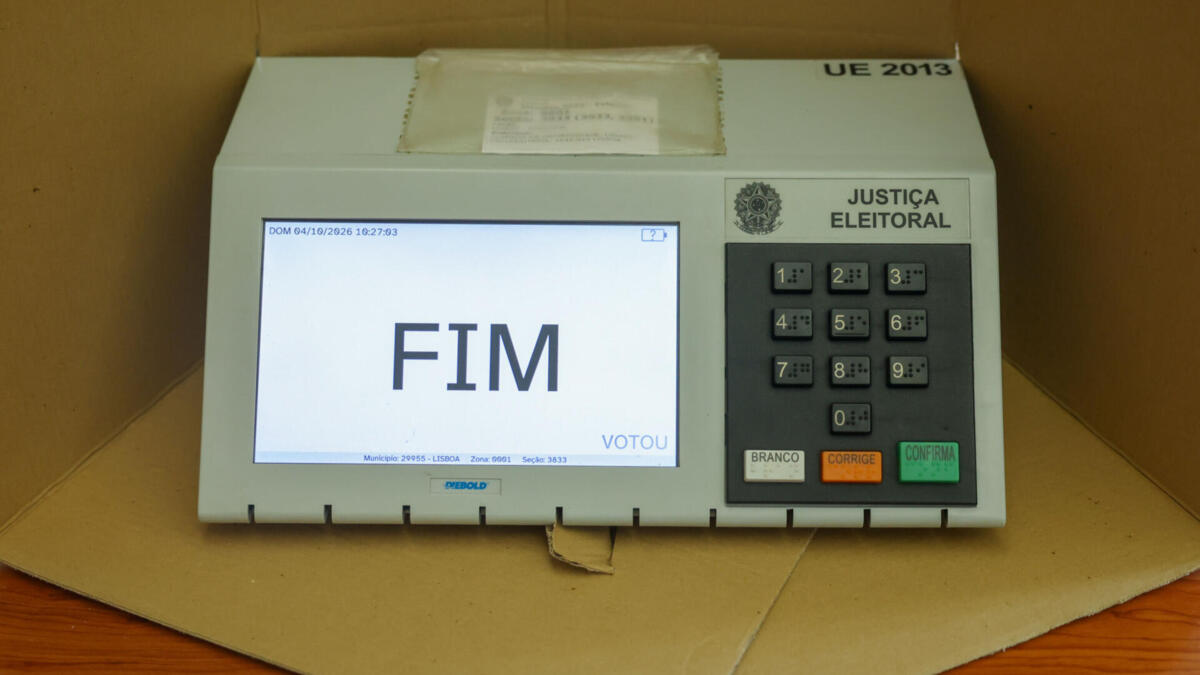
Voting is already taking place this Saturday, despite it being on Sunday in Portugal.

Our vote can elect delinquents and anti-democrats, warmongers and totalitarians. We may be mistaken. But we will never stop believing that the vote is the best weapon to correct our own mistakes. Opinion by António Barreto

Only light showers are forecast inland and during the early hours.

At 21:00, António José Seguro appeals to voters, asking for their votes/support.

Catarina Martins urges voters not to back those who do not put forward a programme for the country, Jorge Pinto leaves the decision on tactical voting in the hands of citizens, and António Filipe, during the traditional descent through Chiado, rejects the notion that the left is defeated in this election.

Campaigners made their final appeals across the country as the presidential campaign wound down, with most candidates concentrating events in Lisbon ahead of voting on 18 January. Outlets report eleven candidates criss‑crossing the country and close polling in some matchups, increasing the chance of a second round (segunda volta) if no candidate wins an absolute majority. Voters and teams should check polling logistics and opening hours for Sunday, and watch for any late endorsements or tactical appeals that could influence tight races.
Update: Major outlets provided minute‑by‑minute live coverage and in‑depth wrap pieces on the campaign's last day — including Público predictions, ECO's 50‑image campaign gallery, Observador behind‑the‑scenes reporting and Correio da Manhã's review of five defining cases — while some outlets note 11 active campaigners on the road though 13 names appear on some ballot papers.

Background:
António José Martins Seguro (born March 11, 1962, in Penamacor) is a lawyer, political scientist, and Socialist Party politician running for president in Portugal's January 18, 2026 election. He led Socialist Youth (1990-1994), served as MEP (1999-2001), was Minister Adjunct to PM António Guterres (2001-2002), and led the PS parliamentary group (2004-2005). Elected PS Secretary-General in 2011 with 68%, he led the opposition during Portugal's bailout era. In 2014, António Costa defeated him in party primaries by a landslide, prompting Seguro's resignation and decade-long retreat from politics. He returned in 2025, launching the movement UPortugal and announcing his presidential candidacy in June. He received official PS backing in October 2025. Political Philosophy:
Seguro positions himself as representing a "modern and moderate" left, offering a progressive alternative to conservative candidates. He advocates for "financial responsibility but critical of austerity," attempting to reposition the PS at center-left. His campaign emphasizes institutional trust, efficient governance, and hope for a better future.

André Ventura, born January 15, 1983, is a lawyer, academic, and Portugal's most prominent far-right leader. He founded Chega ("Enough") in 2019 after his PSD mayoral campaign attacked the Romani community. Chega surged from 1.3% in 2019 to 22.8% in May 2025, becoming parliament's second-largest party and making Ventura Leader of the Opposition.
His platform emphasizes immigration restrictions, law-and-order policies, constitutional reform, and contains inflammatory anti-Romani rhetoric that has triggered multiple discrimination convictions and investigations. Politically classified as far-right by international media, Ventura cultivates alliances with European far-right figures including Marine Le Pen and Santiago Abascal.
He announced his 2026 presidential candidacy, polling at 18% alongside independent Admiral Gouveia e Melo. His rise ended Portugal's 50-year resistance to far-right parties.
The second round (segunda volta) is a runoff held if no candidate obtains more than 50% of votes in the first round; the top two candidates then compete head‑to‑head. For expats following elections, the second round is usually decisive because broader coalitions form and turnout and endorsements can change the outcome.
A radio-hosted presidential debate featuring eight candidates will be broadcast live at 6am. The early-morning forum will focus on key policy issues and voter concerns, offering an analytical platform to compare candidates’ positions and campaign strategies ahead of the election. The timing and radio format may influence reach and engagement, making it a noteworthy moment in the campaign calendar.