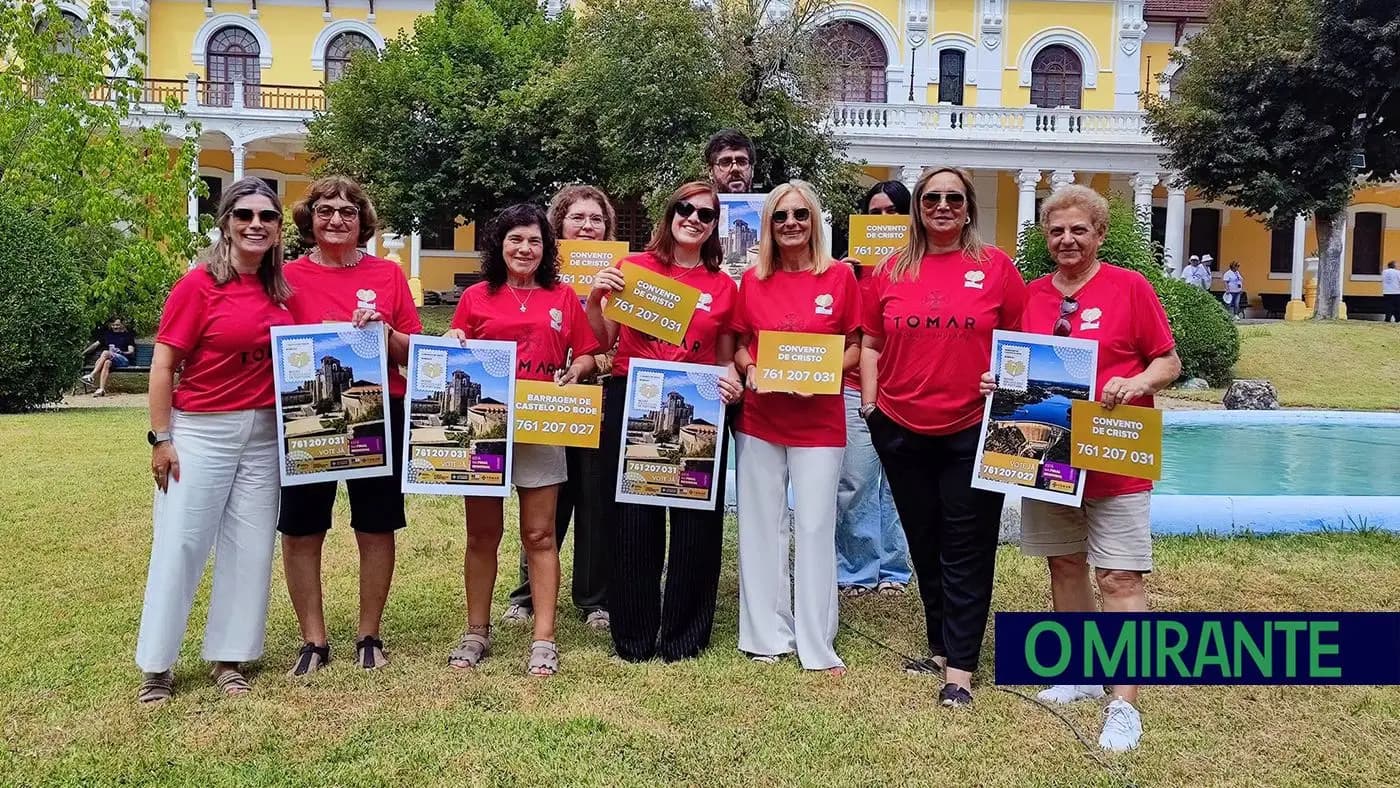
Convento de Cristo qualifies for the National Semi-Final of the 7 Wonders of Portugal
The Convent of Christ has advanced to the national semi-final stage of the 7 Wonders of Portugal competition.
Latest news and stories about unesco in Portugal for expats and residents.
The Convent of Christ has advanced to the national semi-final stage of the 7 Wonders of Portugal competition.
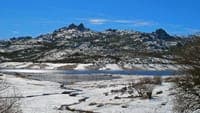
With the Azibo Reservoir as the main backdrop in Trás-os-Montes, the Terras de Cavaleiros Geopark is explored. Boat trips, hiking trails, and viewpoints whet the appetite for the flavours and traditions of Macedo de Cavaleiros, a territory recognised by UNESCO. To be shown on Saturday (indicative time: 11:35 am) on SIC Notícias.

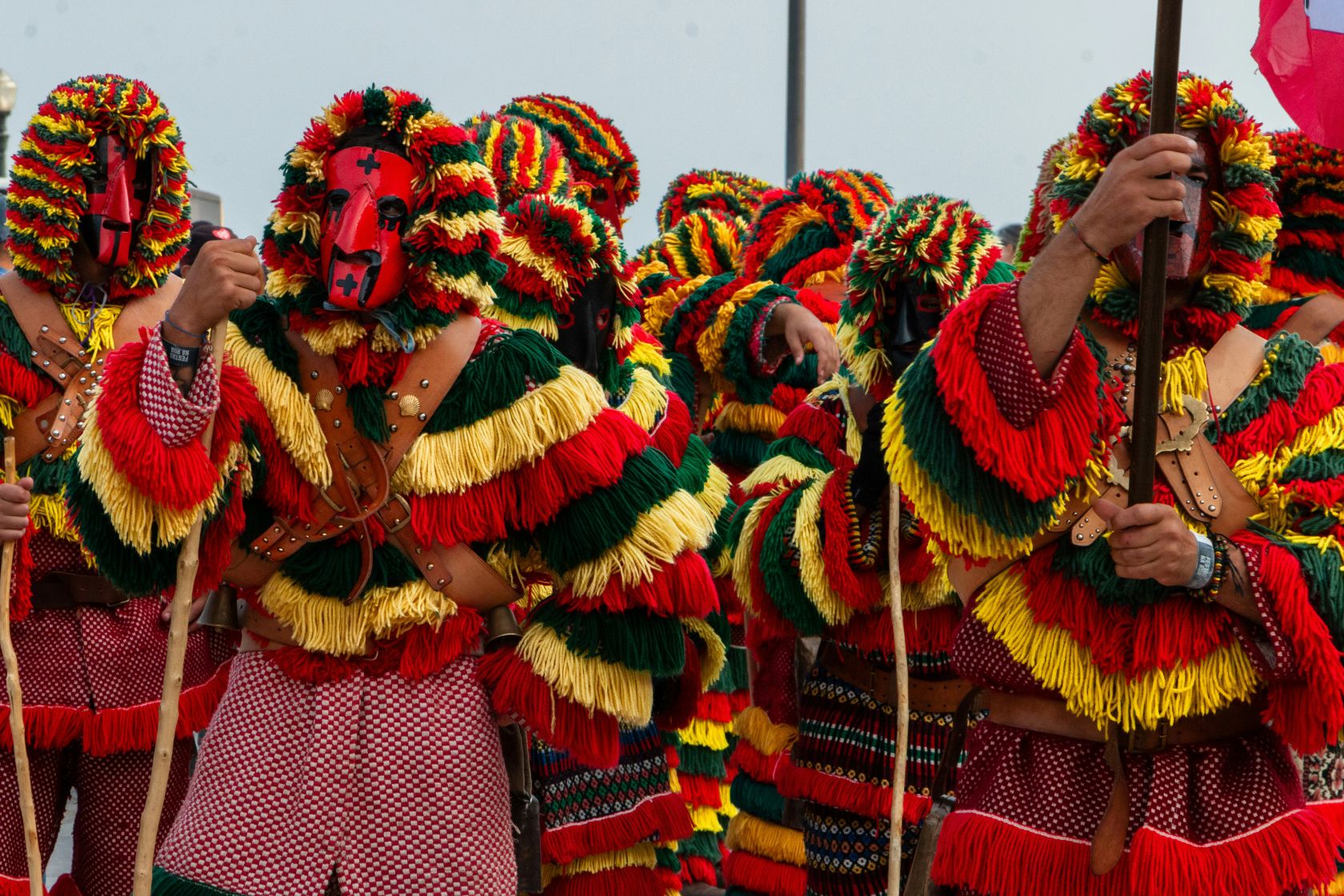
The People's Festival in Campo Maior is back. The festivities were officially inaugurated this morning, August 8th. It has been 11 years since the colours of the festival brightened the city, with the last edition held in 2015, promoted by the Association of the People's Festival of Campo Maior. The traditional festivity was recognised as Intangible Cultural Heritage of Humanity by UNESCO in 2021. One of the hallmarks of the festival is having thousands of paper flowers decorating the streets, in the most diverse colours and shapes, handmade by the population. About 400,000 people are expected until August 16th. See images by photojournalist António Carrapato, from the Lusa agency. Badajoz wants to recognise Rui Nabeiro as an 'adopted son' of the city posthumously. The CEO of the Delta Cafés Group sees 2026 as 'much calmer' and hopes not to have price increases this year.

Eleven years later, Campo Maior blooms once more. Over seven months, thousands of hands transformed paper into millions of flowers to restore to the town a tradition that spans generations and is now classified by UNESCO as Intangible Cultural Heritage of Humanity. From August 8th to 16th, eyes will be fixed on the art displayed on the colourful street ceilings.
When we hold a document or a rare archaeological piece, or interpret a monument, we become aware that historical memory is a striking force, allowing us to relive the presence of the generations that preceded us. The UNESCO World Heritage Committee recently met in Busan, South Korea, and among the decisions adopted are important examples that resonate with us. Firstly, the cases of the Belle Époque, which correspond to the magnificent theatres of the Amazon. The exceptional value of these monuments symbolises a concept of global Art that mobilises wills and poses a permanent challenge in favour of heritage as a living reality. It is important to say that the association of the two theatres stems from the importance of their diversity. The city of Belém, in Grão Pará, was founded as Feliz Lusitânia in 1616 by Francisco Caldeira de Castelo Branco, opposite the island of Marajó, with the aim of controlling river traffic on the great equatorial river. The city became unique for its layout and pleasant climate. Conversely, the city of Manaus was born in an adverse setting, a swamp where a heterogeneous population and indigenous people had a subsistence economy. In 1850, the Brazilian government delimited the new State of Amazonas and Manaus was designated as its capital, in an unhealthy and swampy environment, fertile in mosquitoes, with the risk of dangerous epidemics. Indigenous people extracted a white liquid from trees, cauchu, which settlers used to waterproof boots and clothing. With the development of industrialisation, latex was discovered for broader purposes, and Charles Goodyear invented the vulcanisation process using sulphur at high temperatures, which allowed for the manufacture of rubber tyres. The rest of the story is well known: thanks to the intervention of John Boyd Dunlop in 1888 and the action of Edouard Michelin, the demand for rubber gained extraordinary momentum in the second half of the century. The Amazon was the centre of this production, and Belém and Manaus were at the heart of the new industrialisation. The population increased significantly, and large shipping companies established direct links to European ports. The Theatro da Paz in Belém was born in 1878, inspired by the architecture of La Scala in Milan, with crystal chandeliers, wall frescoes, gold leaf decorations, bronze statues, Portuguese stones, and Italian marble. The Theatro Amazonas in Manaus was designed by Italians and stood out for the richness of its Carrara marble, Finnish flooring, and Scottish steel, all to demonstrate maximum refinement. Signs of decay soon appeared. The British acquired rubber tree seeds and spread rubber production throughout the empire, gradually removing the monopoly from the Amazon. In four decades, the golden age gave way to decline. During the First World War, Manaus was already a shadow of its former self. Only in 1960 would the free trade zone allow for a certain recovery of its former aura. Now, the UNESCO classification recalls an ancient glory and allows us to affirm how cultural heritage is a way of eternalising the human adventure. Likewise, we take pride in the historical classification of six plantations in São Tomé and Príncipe (Monte Café, Água Izé, Diogo Vaz, S. João, Suny, and Belo Monte), which allows us to remember the courage and dignity of the women and men who lived and worked there hard, keeping their legacy alive.

The accreditation “allows the Association to have a closer approach and willingness to collaborate from its interlocutors,” according to its president, Luís Marques.

For the president of APSPI, Luís Marques, “it is a recognition that brings satisfaction for the work that has been carried out over these years, since 2012.”

The United Nations Educational, Scientific and Cultural Organization (UNESCO) declared today the Portuguese colonial agricultural plantations on the islands of São Tomé and Príncipe as World Heritage.
Home News Portugal to celebrate UNESCO Intangible Cultural Heritage in Porto district Portugal to celebrate UNESCO Intangible Cultural Heritage in Porto district This year’s edition of the Vila do Conde Handicraft Fair (in the Porto district) will dedicate its program to promoting Portuguese cult
An analysis of the sites that have or have not been granted World Heritage status since 1983.

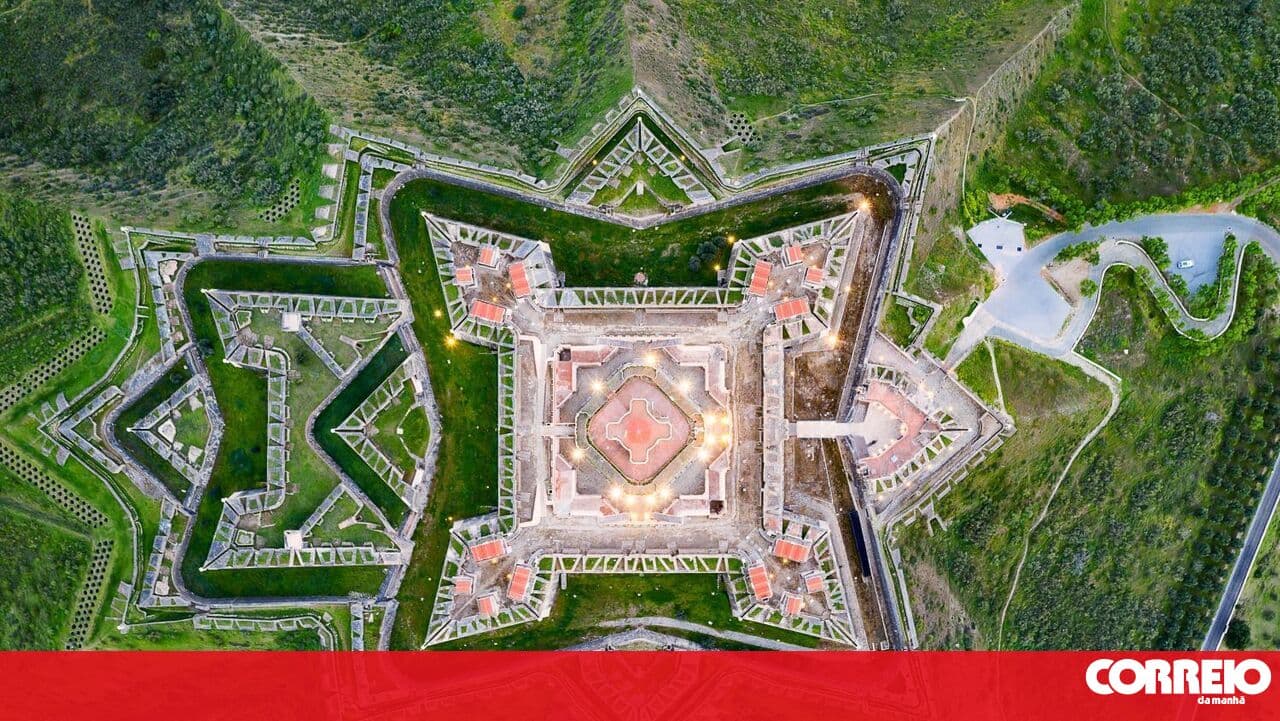
The set of fortifications dates back to the reign of King Sancho II and is the largest in the world in the typology of terrestrial bulwark fortifications.
An analysis of the sites that have and have not been granted UNESCO World Heritage status since 1983.
An analysis of the sites that have and have not been granted UNESCO World Heritage status since 1983.
The registration of the Azorean Whaling Boat in the National Inventory of Intangible Cultural Heritage is currently under public consultation. Following this registration, there is an intention to apply for UNESCO heritage status.
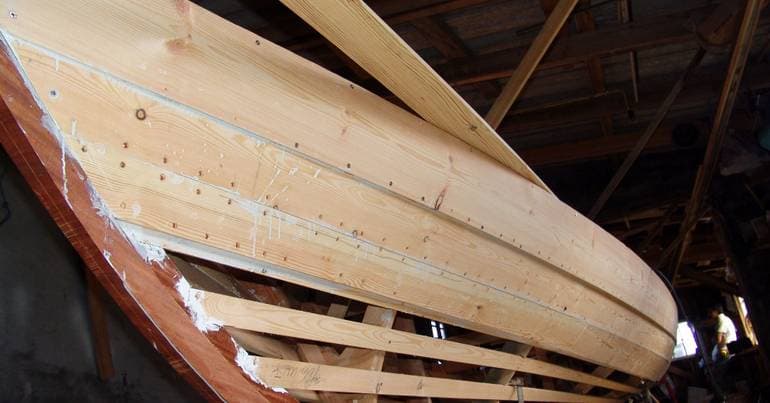
The nomination aims to recognise and safeguard the knowledge and techniques associated with the handling and construction of the Azorean whaling boat in Lajes do Pico, a cultural hallmark of the Azores.
On July 7th, the Mafra National Palace marks seven years of UNESCO classification with a free programme: carillons, horse riding, mass, and the Army Orchestra.
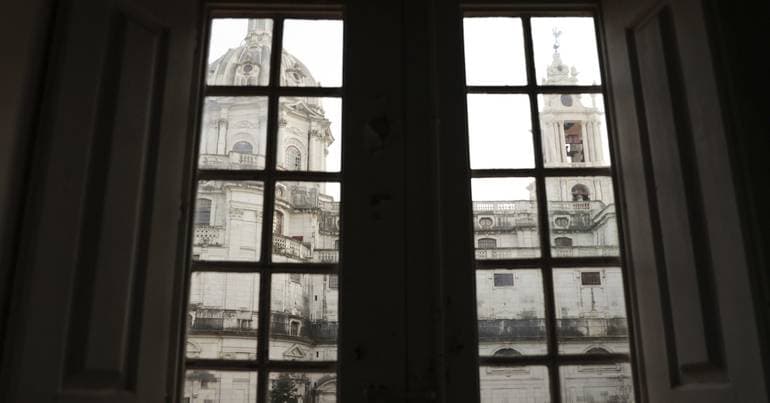
The Mayor of Porto, Pedro Duarte, denied that the city's historic centre is at risk of losing its World Heritage status, assuring that he has never been contacted by UNESCO regarding this matter.
The party's reaction follows the destruction of the interior of the building that housed the Confeitaria Serrana on Rua do Loureiro by the owner, the Lionesa Group, which also owns the Livraria Lello.

The city of Guimarães held a gathering for the Portuguese members of the World Heritage Network.
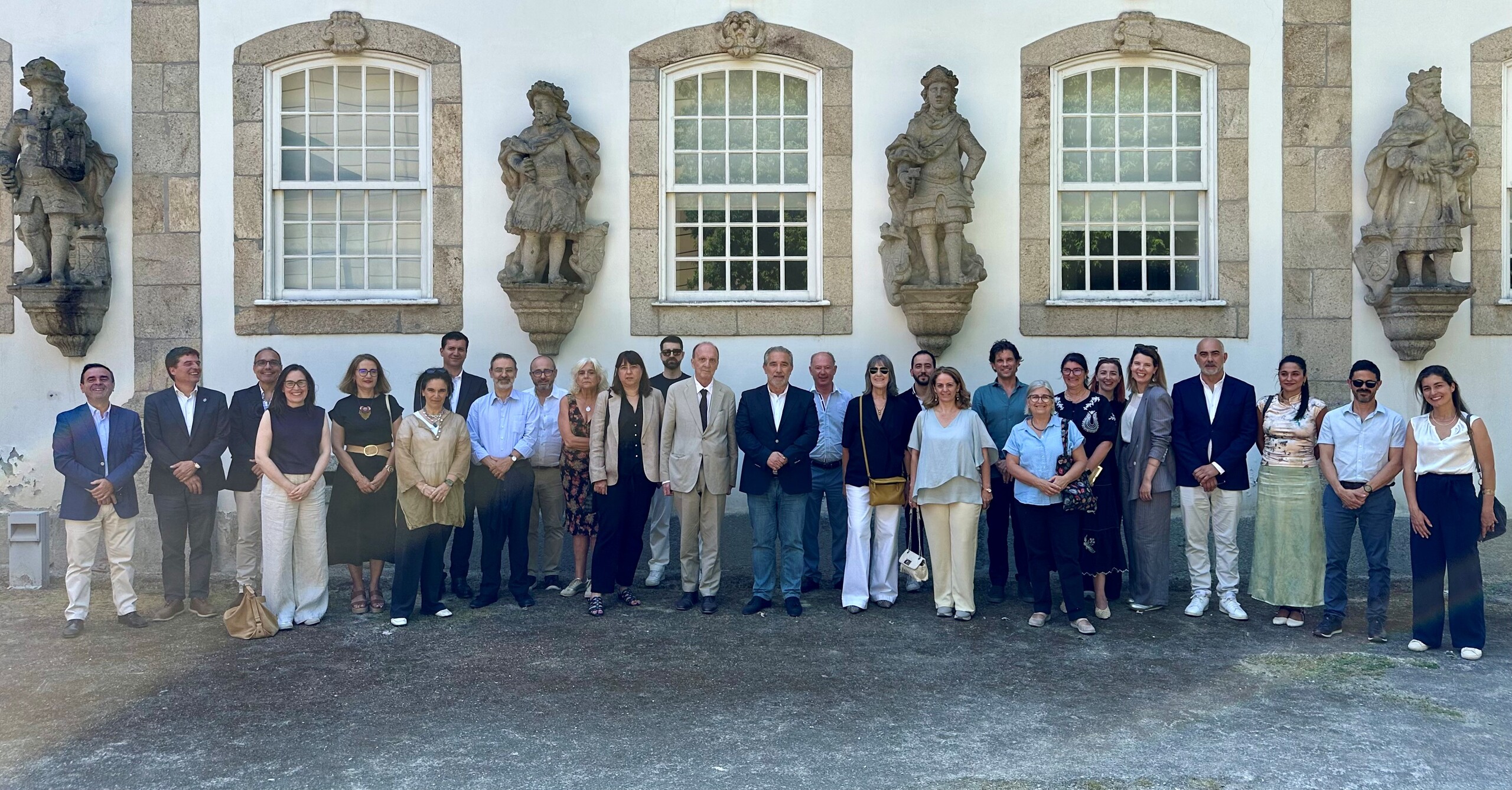
The city of Guimarães held a gathering for the Portuguese members of the World Heritage Network.
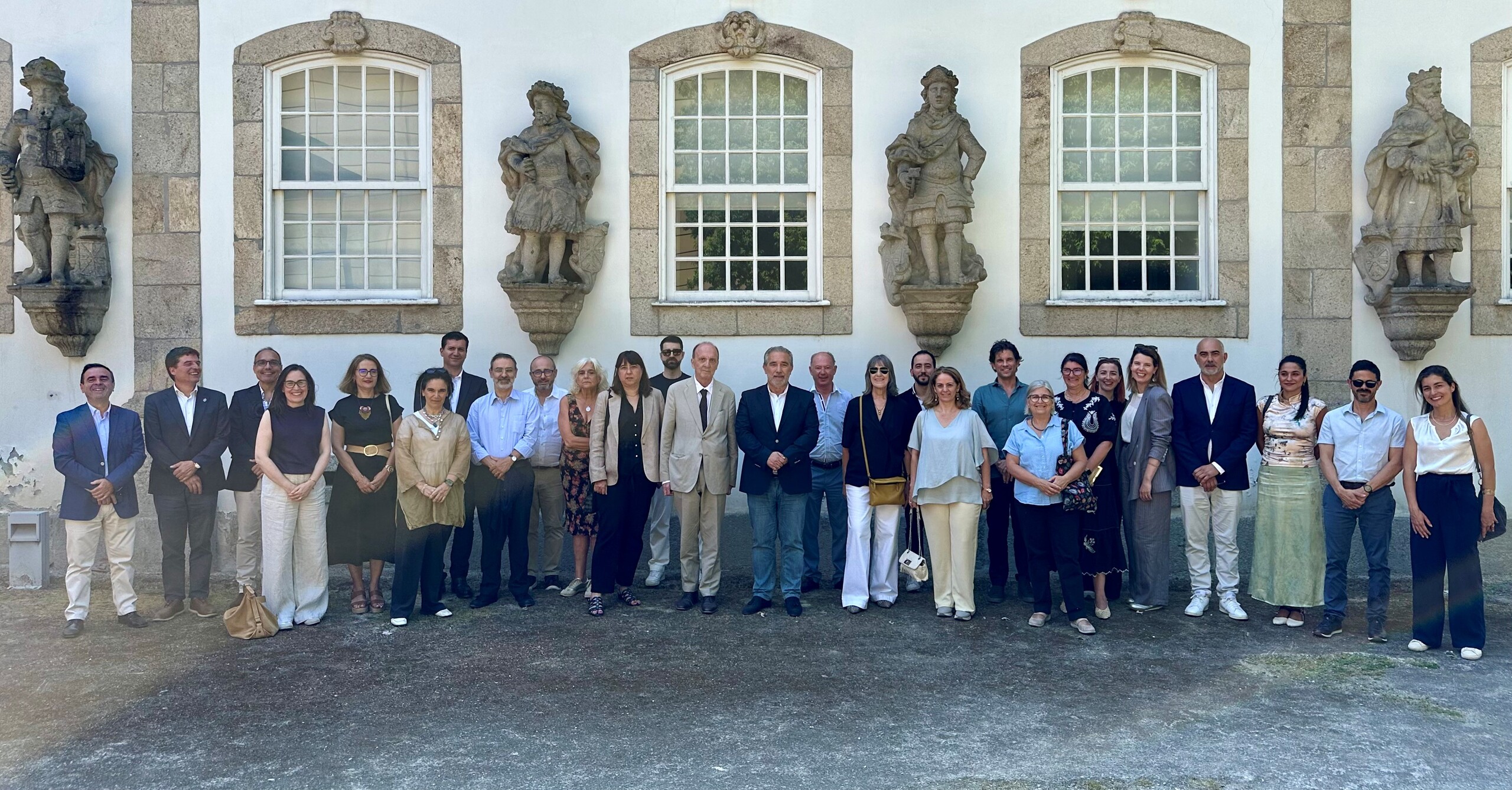
Portugal has faced a series of unsuccessful attempts in its applications for World Heritage status.
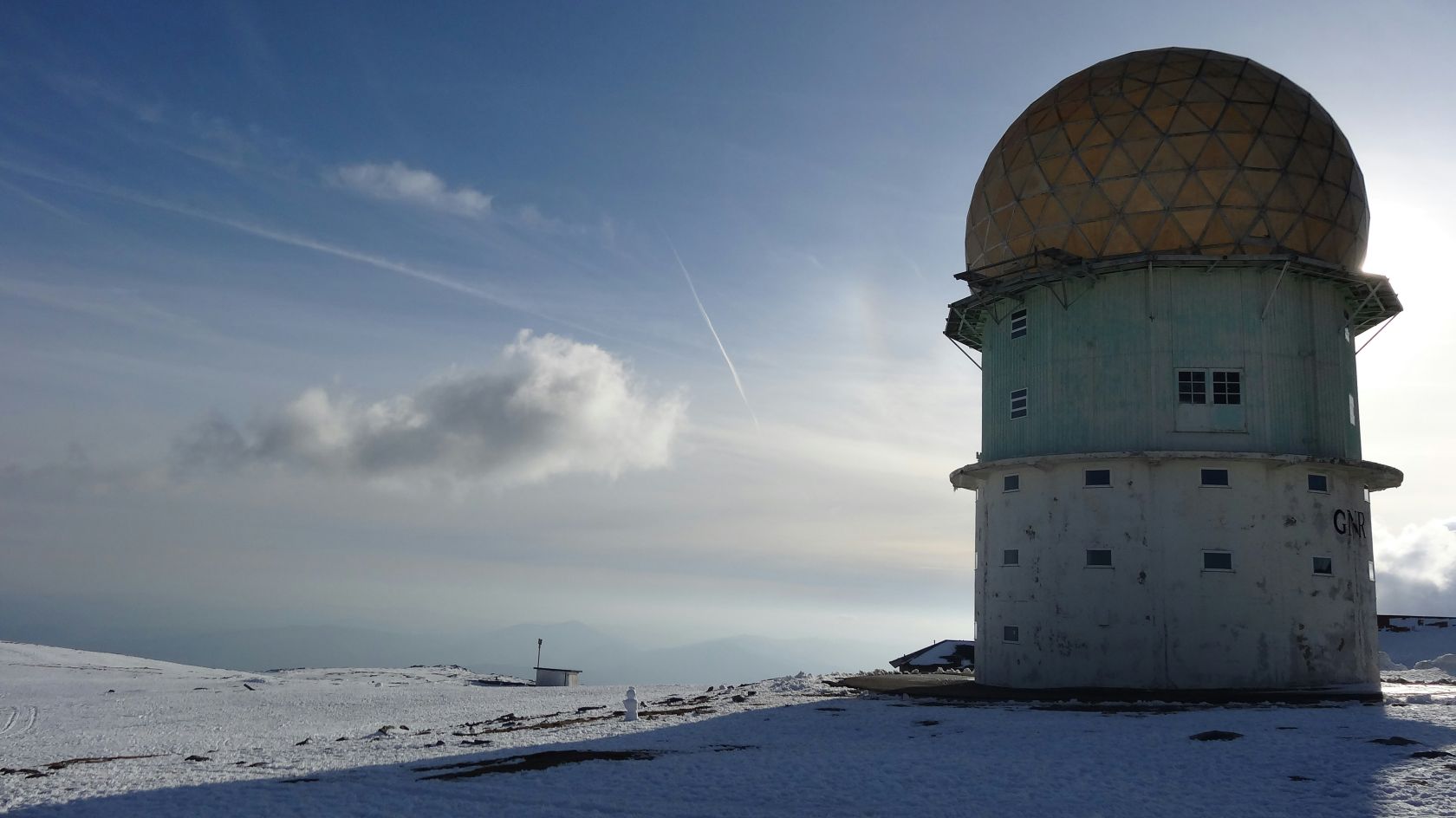
The Nino Konis Santana reserve houses the country's largest remaining primary forest, with coral reefs containing around 500 species of fish. It also includes Lake Iralalaro.
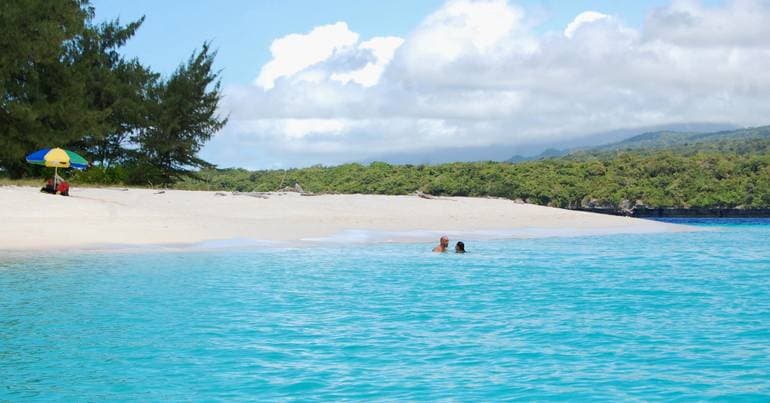
UNESCO designated 14 new biosphere reserves in 14 countries today, including the Nino Konis Santana National Park in Timor-Leste, considered one of the most ecologically significant landscapes in Southeast Asia.

Serra da Estrela has joined the World Network of Biosphere Reserves, a distinction awarded by UNESCO to territories that reconcile “nature conservation with sustainable human development,” it was announced today.
Serra da Estrela has been recognised as a UNESCO Biosphere Reserve, joining the World Network of Biosphere Reserves, as announced by the Institute for Nature Conservation and Forests (ICNF). The approval was confirmed during the 38th session of the International Coordinating Council of the Man and the Biosphere (MAB) Programme in Paraguay, bringing Portugal's total number of UNESCO-recognised Biosphere Reserves to 14. The new reserve covers over 2,372 square kilometres across six municipalities and will be managed in an integrated manner alongside the existing Estrela Geopark status.
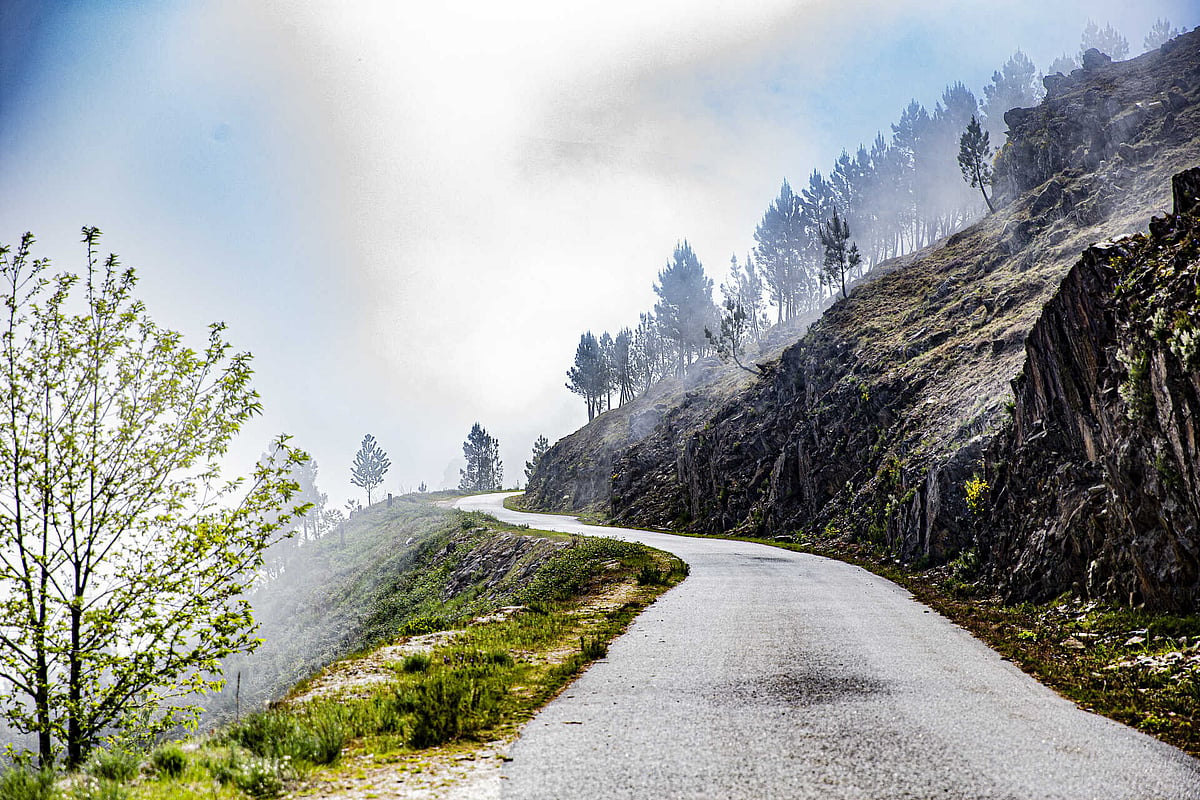
Serra da Estrela now holds two UNESCO designations for the same territory: the UNESCO Global Geopark and now the Biosphere Reserve. The new reserve covers a total area of 2,372.99 km².
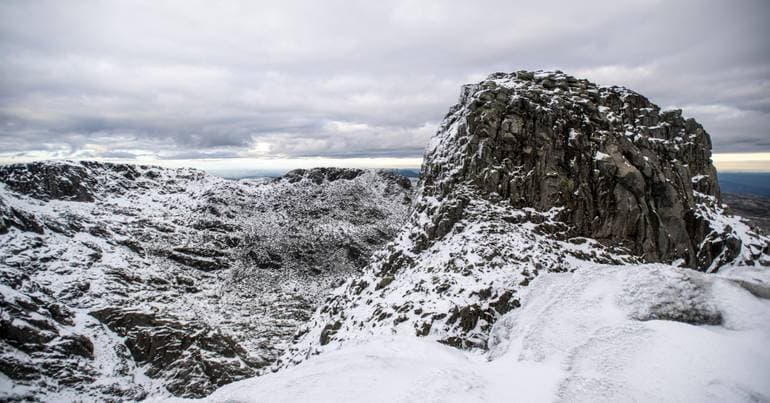
Portugal now has 14 UNESCO (United Nations Educational, Scientific and Cultural Organization) Biosphere Reserves.

Serra da Estrela was integrated this Friday into the UNESCO World Network of Biosphere Reserves, an international distinction that rewards territories that reconcile nature conservation with sustainable development.

The application was promoted by the AGE - Estrela Geopark Association, with scientific coordination by Helena Freitas, from the Centre for Functional Ecology at the University of Coimbra.