Upcoming bullfighting documentary from Turlock studio The BRICK celebrates spirit of Portugal

Latest news and stories about tradition in Portugal for expats and residents.

The São Bernardo Monastery hosts the Portalegre Conventual and Traditional Sweets Fair from May 1st to 3rd. Featuring music and tasty journeys into the history of Portuguese gastronomy and confectionery.

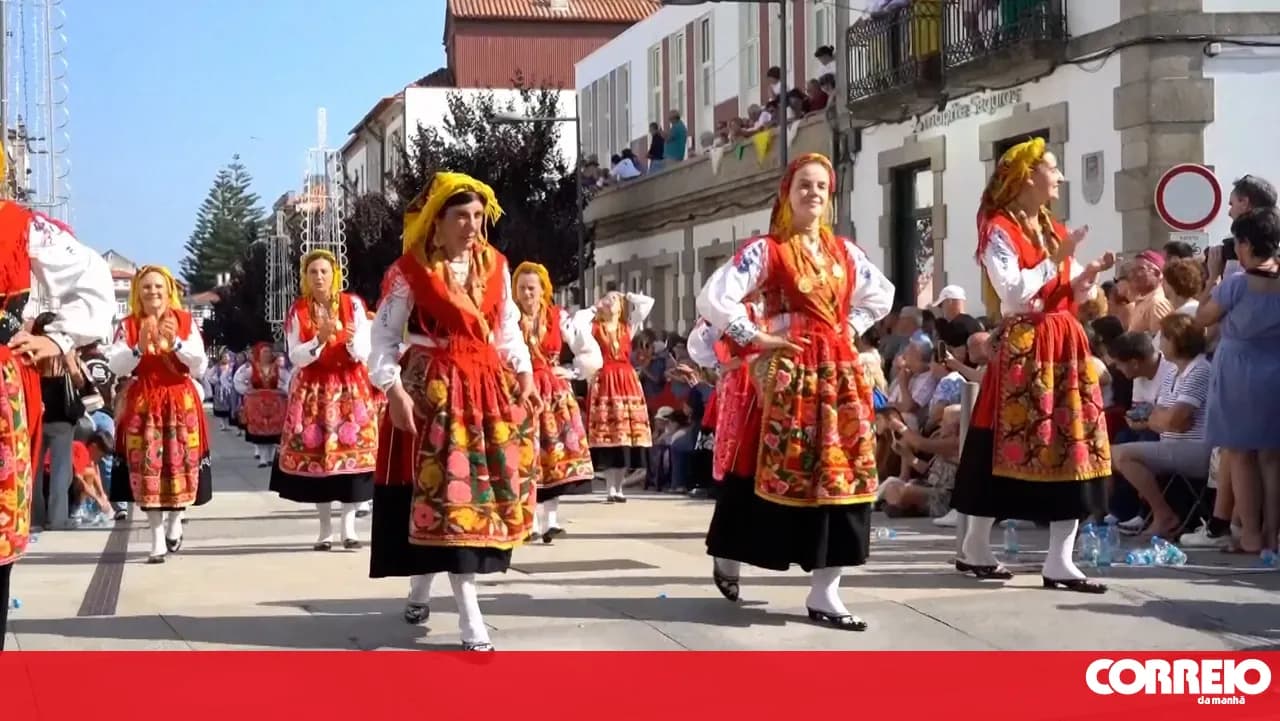
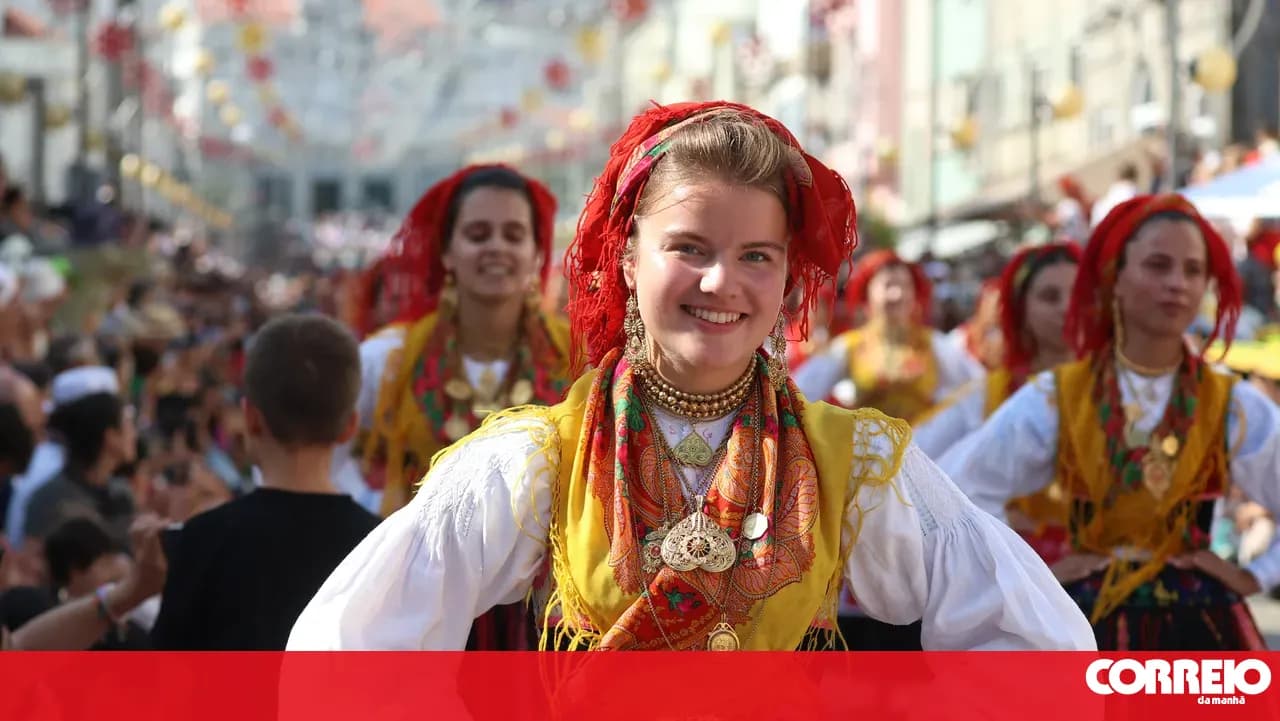
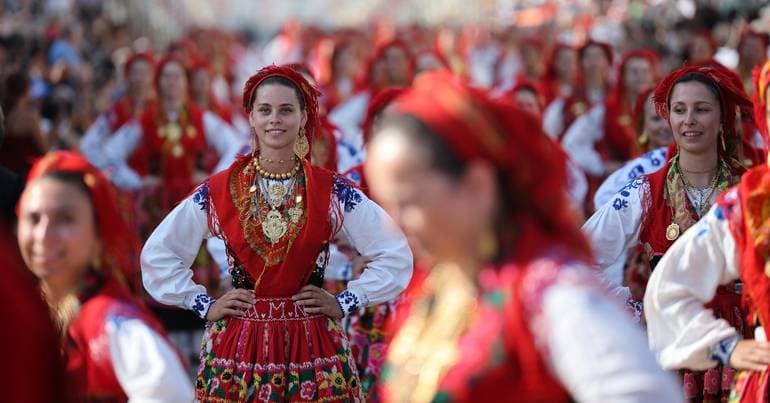
Originating from rural Portugal, Portuguese folk dances were introduced to Macau by settlers and have since evolved through the incorporation of local elements. Now featuring a diverse group of performers, including many Chinese participants, these dances were officially inscribed on Macau's Intangible Cultural Heritage list in 2025. The 'Macau no Coração' association continues to promote this tradition, blending authentic Portuguese roots with local adaptations, such as the inclusion of Patuá and Chinese lyrics, reflecting the unique Sino-Western cultural fusion of the region.

Originating from rural Portugal, these folk dances were introduced to Macau by the Portuguese. Over time, they have evolved to include local elements and now feature a diverse group of performers, including many Chinese participants, reflecting Macau's inclusive cultural heritage. In October 2025, these dances were officially inscribed on Macau's Intangible Cultural Heritage list. The 'Macau no Coração' Portuguese Dance and Singing Association continues to promote this tradition, ensuring its authenticity while adapting it to the local context through musical fusions, such as the inclusion of Patuá or Chinese lyrics. The association remains dedicated to preserving this art form as a symbol of the deep cultural connection between Macau and Portugal.

Spanish artist Nya de la Rubia performs for the first time in Portugal during the traditional horse pilgrimage connecting the municipalities of Moita and Viana do Alentejo.

There was once a king who liked 'malápios', the apples of S. João de Ver, so much that the inhabitants became known as 'malapeiros'. A century later, Vítor Duarte is replanting the species to prevent it from going extinct.

The search for the best custard tart in Portugal has returned, as announced by Marketeer.

In a modest building in Chelas, the Clube Lisboa Amigos do Fado serves as a vibrant, informal hub for traditional music. Unlike commercial fado houses, here the customers are the performers, with patrons signing up to sing while accompanied by professional musicians. The club also hosts a fado school, continuing the legacy of founder Armando Tavares by fostering a community where generations share knowledge, technique, and a deep respect for the genre. For the regulars, this space is more than a venue; it is a family-like environment where the silence of the audience and the emotional depth of the performance define the true essence of fado.
At nightfall, the University Orfeão of Porto comes to life amidst rehearsals, socialising, and tradition. By embracing traditional dances and songs, students keep Portuguese culture alive.

This pays tribute to Clarinda Fernandes, from Vilar do Monte, the eldest of 6, who looked after her siblings from the age of 9 and sold firewood and pine kindling with her father using an ox cart.

In Castro Laboreiro, transhumance is still practised between the winter settlement of Cainheiras and the summer settlement of Padressouro, with a mother and daughter taking their home, animals, and the season up the mountain. However, this is also a story of resistance, memory, and a very unique way of being in the world. A story of freedom. The report is by journalist Tiago Palma, with sound design by João Pedro Ferreira.

REPORT || Over two days at the end of March, between Cainheiras and Padressouro, an 82-year-old mother and her 60-year-old daughter lead chickens, rabbits, goats, sheep, bags of flour, staffs, clothes, and hay — and a way of life that threatens to end with them. In Castro Laboreiro, transhumance still exists, but it has also become something else: a conversation about old age, work, fear, freedom, borders, and loneliness. And the stubbornness to carry on.

The author evokes the magical hands that made the bread of Lapa, famous for over a century, as Aquilino Ribeiro recalled several times before him in 'Terras do Demo'.

The Iberian Mask Interpretive Centre is exhibiting the Lazarim mask. It is used to celebrate Carnival, but it could not always be worn in public view.

Three days of historical reenactment, free admission, and 50 participants. The event marks the 511th anniversary of the Manueline Charter, from January 24th to 26th.

It is one of the oldest bands in the country, founded in 1799. There is a veteran in this São Mamede de Ribatua Philharmonic. He is 81 years old and has been playing percussion since he was 14.

This will be the first time that the Patriarch of Lisbon assumes the presidency of an anniversary pilgrimage.

The Easter table in Vila Praia de Âncora reached almost 300 metres in length. It was a bountiful table, as dictated by the Minho tradition for these days. Ninety exhibitors served thousands of visitors.

The streets of Braga's historic centre were filled this Thursday for the Ecce Homo procession.

Kneeling beside 12 priests, he repeated the gesture of Christ on the eve of his death when he washed the feet of the 12 apostles, highlighting the idea of serving with humility.

Home News Portugal city celebrates Easter with tradition and culture Portugal city celebrates Easter with tradition and culture The city of Viseu has put together a comprehensive programme for the 2026 Easter season, which runs from 28 March to 11 April.

Celebrated on April 7th, concentrated on the following weekend and, in some cases, spread throughout the month, the event moves and opens windmills across the country, with orders to make flour and much more.

I watch the bombings on a muted television. Images of destroyed neighbourhoods, people fleeing, and children who have forgotten how to cry after spending their childhood in conflict. I also see António Guterres, looking older and tired. Not long ago, I got lost in the Bica neighbourhood. I walked down the tracks of a stationary tram and stopped at an old cobbler's shop, perhaps the last of a Lisbon that, despite everything, still wakes up. We talked about Guterres and the days when he used to stop by to have his tired shoes repaired. David Martins, who came to the city at age 12, reflects on the past while continuing his trade in the same spot for over 50 years, witnessing the changing world around him. Seeing Guterres on television, I was reminded of David, the cobbler who remains where he has always been—the place where António needs to return to mend his soles and finally find rest.

Family and friends join forces these days to help artisanal producers in Valpaços bake the folar, an Easter tradition passed down from generation to generation that has turned into a business.

Riding the wave of artists like Vizinhos, Buba Espinho, and Bandidos do Cante, the Alentejo region is on the lips of Portuguese pop music and the world. Twelve years after Cante Alentejano was classified as Intangible Cultural Heritage of Humanity by UNESCO, new generations of artists inspired by it have reached the radio and the country's ears in an unprecedented way. In a Talkfest panel last Friday, the question was: 'Is Alentejo in fashion?' But the debate quickly turned into a clash of civilizations between two Alentejos. Recalling the song: 'you in yours and I in mine'.

The event features 40 exhibitors, 12 of which are dedicated to the sale of folar, with the remainder showcasing local products from the municipality, such as cured meats, dried fruits, honey, mushrooms, wine, cheese, and olive oil.

The kitchen of the Casa de Santar e Magalhães contains a spring dedicated to Saint Anthony. José Luís de Vasconcellos e Souza highlights that the kitchen is still used by the family today.

The participation of the Royal House in special public acts of the republic is justified by a historical legitimacy, grounded in the commitment it made to national institutions and the people.

Has the sense of tradition been lost, or are we living in times of scarcity? In search of the 'café com cheirinho' (coffee with a splash of brandy), the memory of those who served it, and the few places where it is still served without an extra charge.

It was at this historic roastery in Campo Maior that the commander would stop first every morning. Because it was here that it all began in the 1930s with his uncle, Joaquim d’Olaia.