Latest news and stories about tax deadlines in Portugal for expats and residents.
This page has only 1 story and is not indexed by search engines.
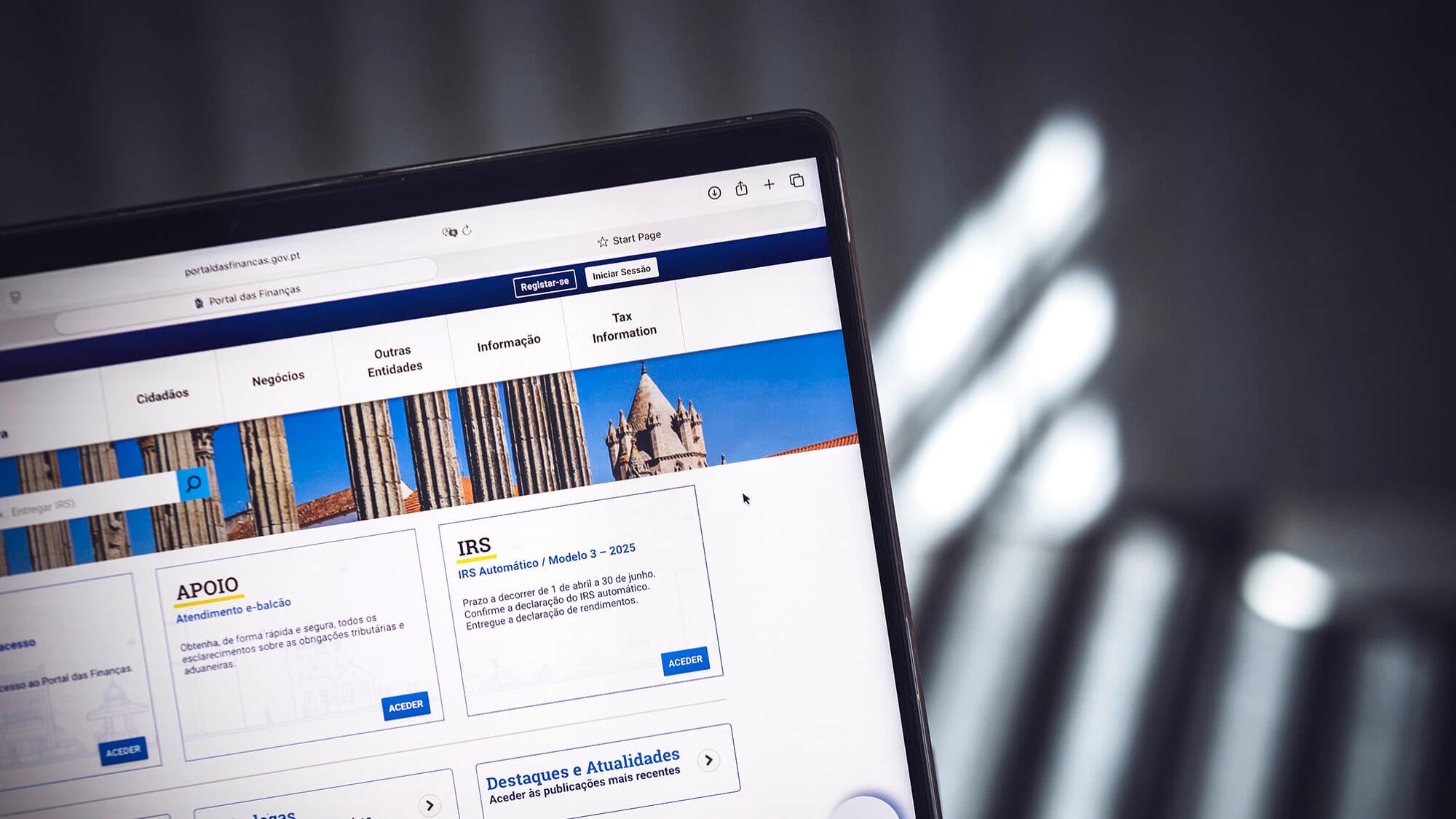
Portugal’s Tax Authority has published its 2026 calendar and highlighted that one of the early steps for preparing the IRS income‑tax return is notifying the tax office about your household composition — a detail that affects tax filing and benefits. Tax‑paying residents should check the official deadlines and ensure household data are up to date before filing season begins.
The IRS withholding tables are government-published schedules used by employers, pension payers and other payers to calculate how much personal income tax (personal income tax (Imposto sobre o Rendimento das Pessoas Singulares) — IRS) must be deducted from each pay period. They take into account gross pay, pay frequency, marital status and dependents; updates (usually published annually or when the budget changes) affect your monthly take-home pay and are reconciled with your annual tax return (Modelo 3).
Portugal recently revised its return legislation to replace the phrase 'voluntary abandonment' with a formal 'duty to abandon', aligning national rules with EU return standards and making an obligation to leave explicit for third‑country nationals subject to removal decisions. For migrants this clarifies legal responsibilities and can affect the timing and procedures of removals, including when assisted or enforced return measures may be used.

EContas outlines the key tax and reporting obligations due in January so businesses and households stay compliant with the Tax and Customs Authority (AT) and Social Security (SS). Important January items include the Day 9 electronic communications for IRS (personal income tax), IRC (corporation tax) and VAT, SAF‑T invoicing requirements, VAT returns and payments, and related Social Security filings — all with strict deadlines and penalties for late or incorrect submissions. Use the EContas checklist to prioritise filings, confirm filing channels (electronic transmission), and avoid sanctions.