

The Ministry of Education no longer has a face: families without answers and with children at home
Autistic children have been waiting for school placement for four months
cnnportugal.iol.pt
Latest news and stories about special needs in Portugal for expats and residents.
Autistic children have been waiting for school placement for four months
The family resides in Almada. An eight-year-old girl with cerebral palsy remains enrolled in the North and was moved from the 1st to the 3rd grade.
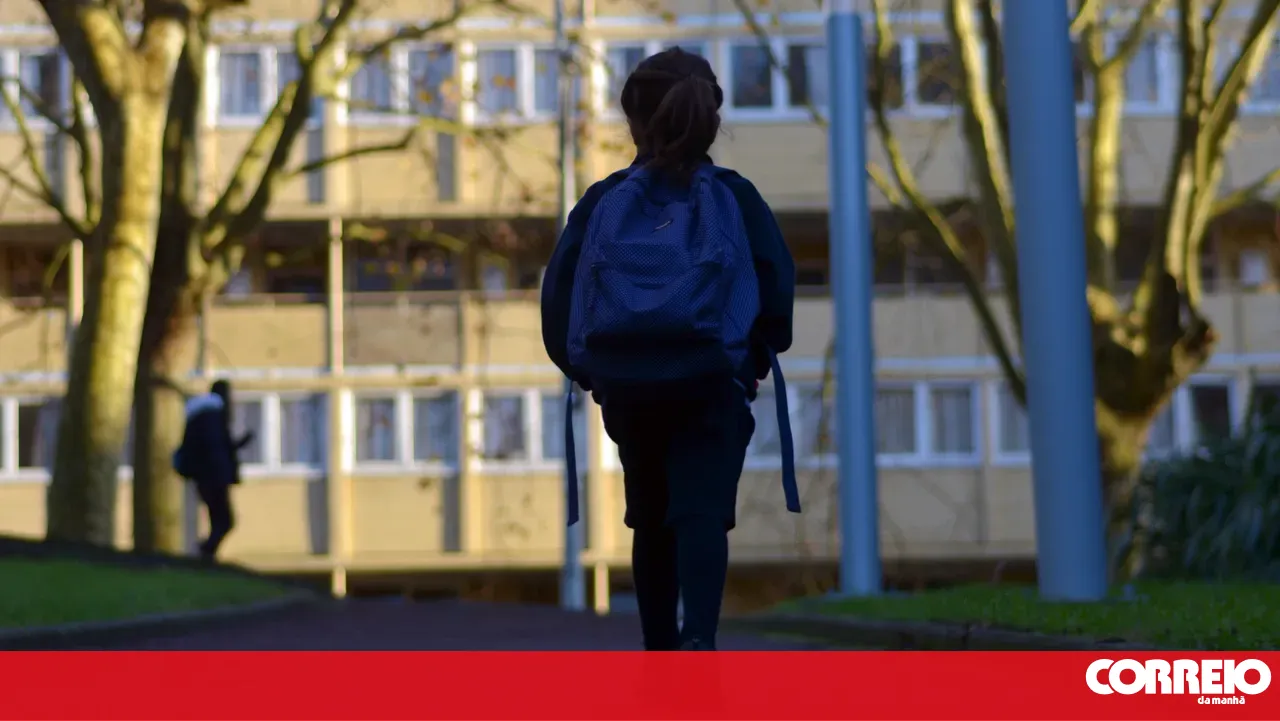
A student's mother has filed a lawsuit to have a school assigned to her son, who has special needs. The Agency for the Education System requested the student's placement in a school in Seixal, but the educational establishment claimed it does not have sufficient resources to meet the child's needs.

Tomás should have started the 2nd grade, but he remains without a school. The institution where he was administratively placed says it lacks the resources to meet his needs. The case is in court.

At issue is the Imparidades project proposed by Focus, which specializes in offering individualized life projects to people with Autism Spectrum Disorders.

The Vale de Cambra City Council will invest a total of 42,000 euros to hire a therapist focused on supporting 42 students, out of a total of 2,597 students from preschool to 12th grade, who have a confirmed diagnosis or early suspicion of autism.

A child with Special Educational Needs cannot be treated as a variable that fits in only when there is availability.
The situation is not new, dating back to September of last year. The movement indicates that students have not been placed in the designated schools due to a lack of facilities. They are requesting solutions from the Secretary of State.
Council of Ministers resolution authorises expenditure of 13.8 million euros for the 2026-2027 academic year.

The new legal framework will only come into effect in 2027/2028. Students with a disability of 60% or higher will have access to a priority quota, accommodation, and accessibility support.
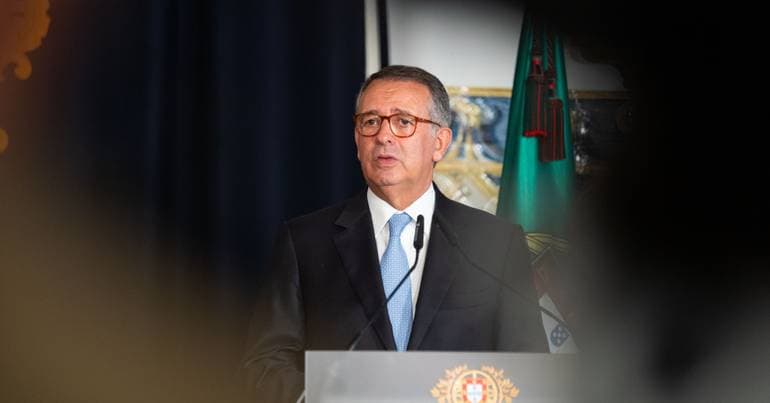
The new regime provides a set of rights for students with a disability rating of 60% or higher, verified by a multi-purpose medical certificate.
The National Examination Jury has asked schools to send information regarding which exam version corresponds to some students' answers, as they were not identified. Teachers report problems with so-called 'A sheets' for students with special educational needs. The Left Bloc is asking the Government if it can guarantee that these students will not be discriminated against in the exam grading process.
The distress of the directors is also felt by the parents.

Half a thousand students with special educational needs are at risk: schools are requesting at least €1,000 per student from the Ministry of Education, Science and Innovation, up from the current €716, or they warn that some will close in September.
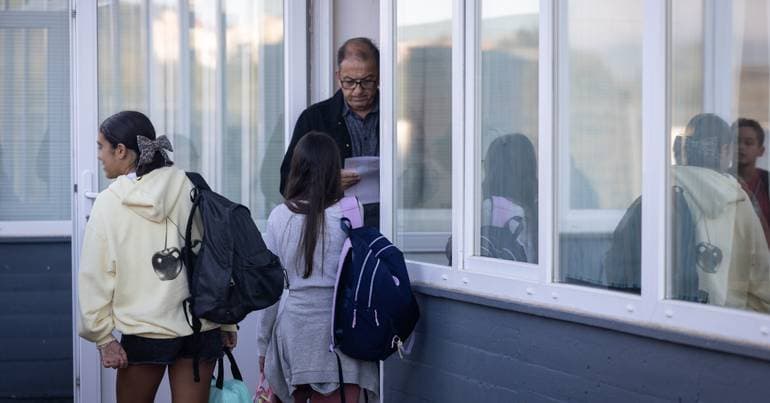
In 10 years, the number of students with support needs has increased by almost 30 percent.

This article discusses the systemic failures in the Portuguese public education system regarding students with specific educational needs and gifted students. It highlights that both groups are underserved by current policies, which prioritize a standardized approach that fails to accommodate those who fall outside the norm. The author argues that the lack of resources and specific legislation is turning the public school system into a 'crusher of excellence,' ultimately failing to retain the country's brightest minds and neglecting the potential of all children.

The assaults reportedly began with a student punching and kicking the victim's back and legs for no apparent reason.

Autism has a name. It has a face. It has an identity. It could be called Isabel, Pedro, Ana, or Miguel. And each of these children deserves more than a system that just talks about inclusion.

Parents and teachers are concerned about the true inclusion of children with special needs. They report mutual aggression, a lack of resources, classes exceeding legal limits, and children being excluded.
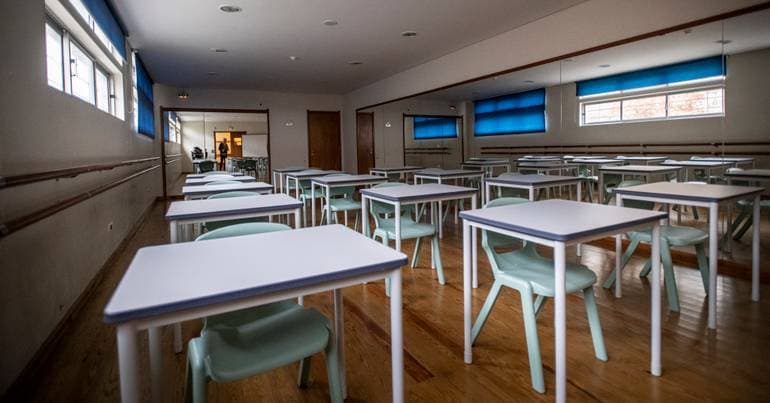
Schools speak of a setback and a violation of children's right to education.
Special education schools are still waiting for the 10% funding increase announced by the government in January. They describe their financial situation as unsustainable and warn that the next school year is at risk. Despite the Ministry of Education's pledge to raise monthly per-student funding from €651.26 to €716.39, payments remain delayed, leaving schools struggling to pay staff and suppliers. The Association of Private and Cooperative Education Establishments (AEEP) notes that an annual injection of €2.1 million would be sufficient to secure operations, yet the Ministry has not provided a timeline for the release of these funds.
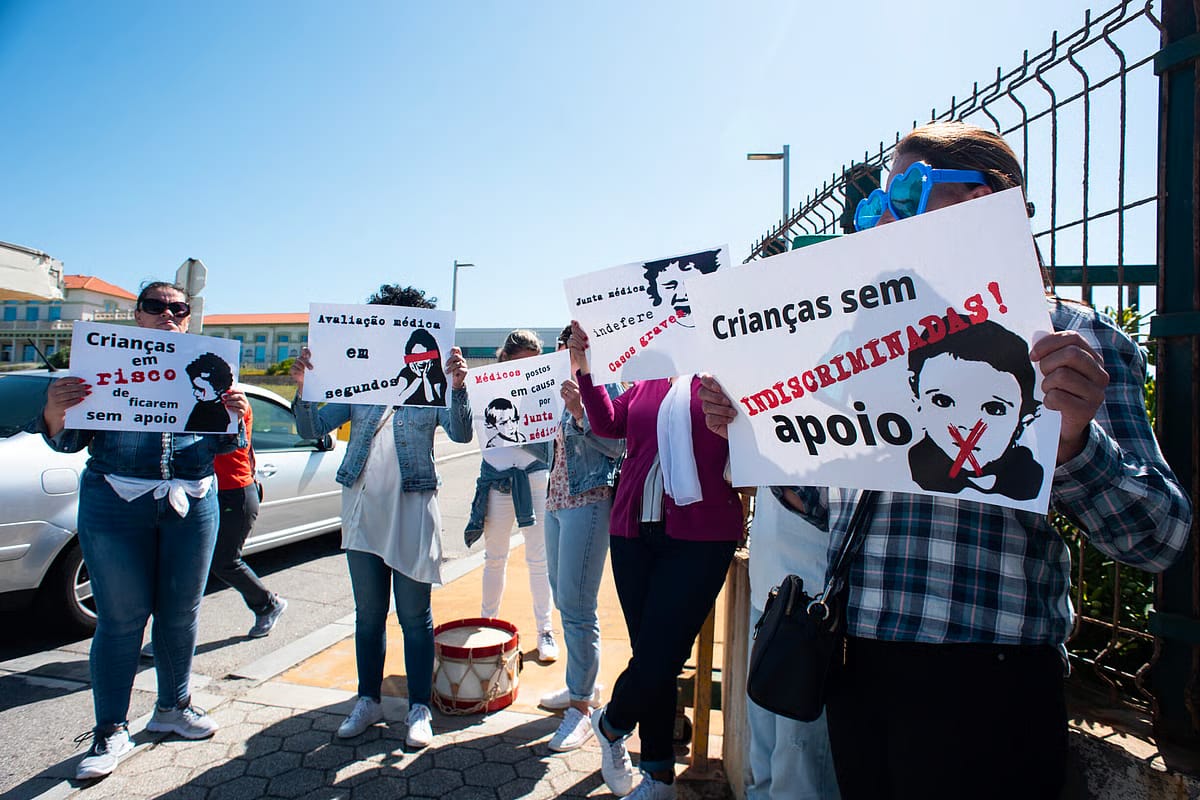
The difficulty in providing an adequate response to students with special educational needs is more severe in the interior of the country, particularly in Alentejo.

Institutions protested outside the Ministry of Education, warning of underfunding and the risk of having to close their doors. Parents emphasise the work the schools do in their children's progress.

Private institutions that take pupils referred by the ministry warn of underfunding and the risk of closure. On 5 January they will protest outside the Ministry of Education.

Fewer than 40% receive a grant. The vast majority have no form of individualised support during their course — for most this is because they do not need it, but one in three are unaware that such support exists.

Government authorises recruitment for 'immediate' support for children with specific educational needs.
