Did you know the Hera mission has a mascot created in Portugal? Now you can help choose its name
The European Space Agency's Hera mission features a mascot designed in Portugal, and the public is invited to participate in the naming process.

Latest news and stories about space exploration in Portugal for expats and residents.
The European Space Agency's Hera mission features a mascot designed in Portugal, and the public is invited to participate in the naming process.
The GLEX Ignition event returns to Portugal, taking place in Coimbra on October 29th and 30th. The conference will feature renowned experts in exploration, science, and innovation, including NASA scientists involved in the Artemis and VERITAS missions, as well as ESA astronaut Andreas Mogensen. The event aims to discuss the new era of space exploration, the role of technology, and the future of human missions to the Moon and Mars, while connecting the public with extraordinary stories of discovery and resilience.

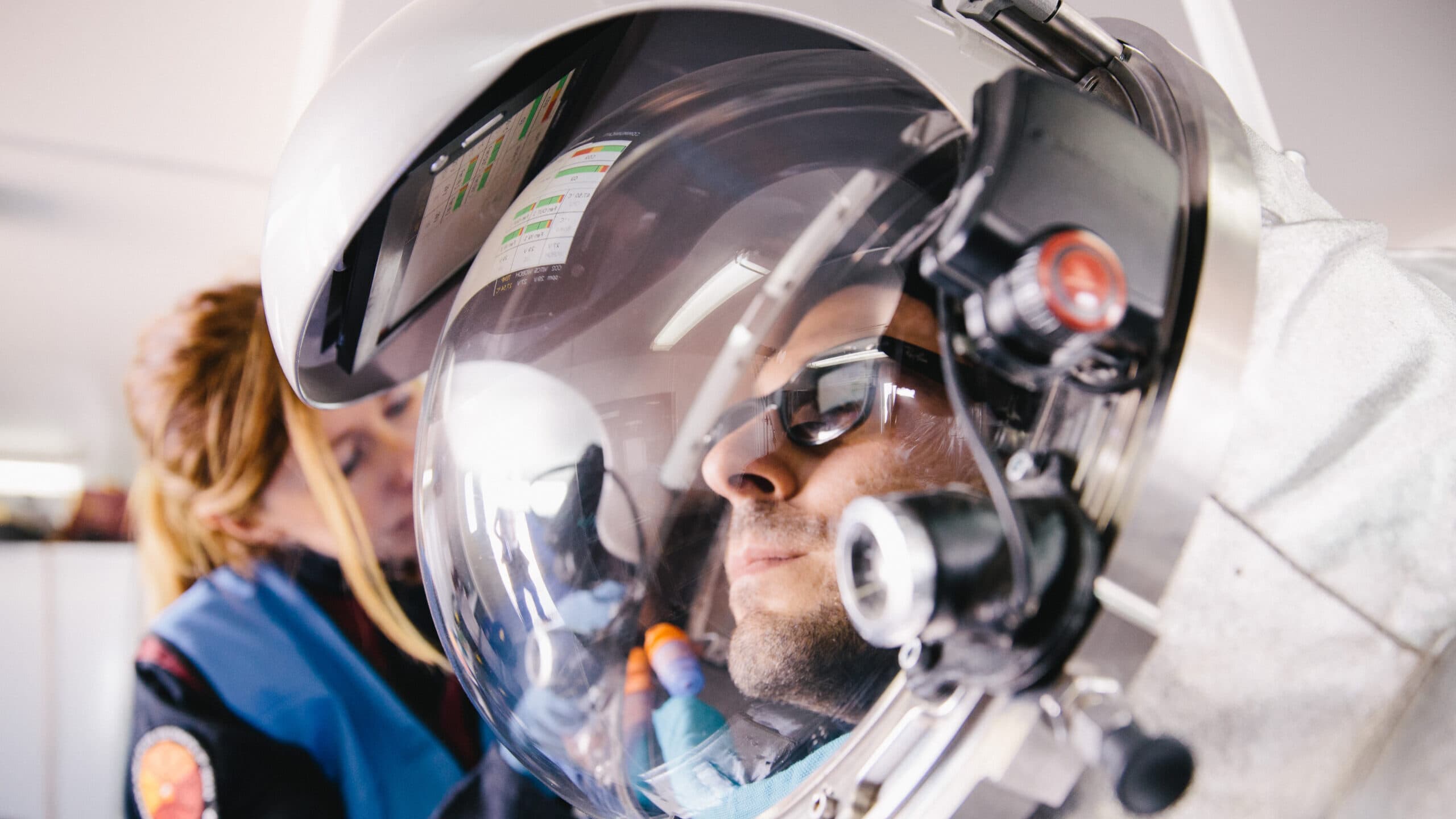
Diogo Paupério Abreu was chosen by the ESA to simulate the effects of space isolation in a 130m² room for 100 days. The Portuguese engineer shared his experience with Observador.
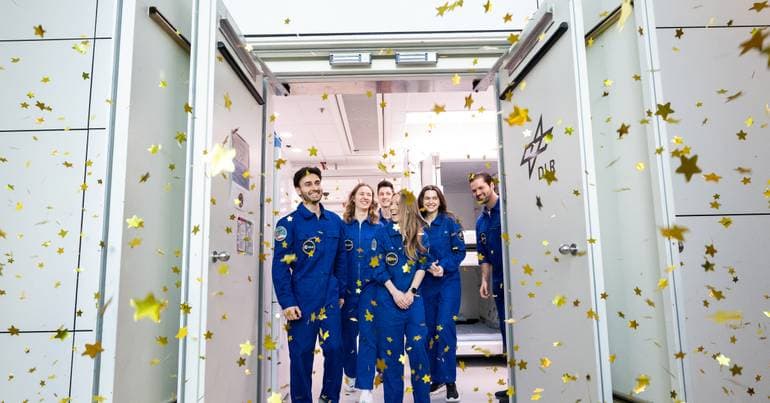
In April of next year, the Monsaraz region will cease to be just one of the most iconic landscapes in the Alentejo and will transform into a laboratory for preparing future human missions to Mars. The AMADEE-27 analogue mission will bring together researchers, engineers, and “analogue astronauts” from various countries to test technologies, procedures, and experiments under conditions...
The CHEOPS space mission has been extended, with Portugal continuing to play a key part in its operations.

Portugal is hosting a new mission designed to simulate the conditions and challenges of living on Mars.

Portugal is hosting a new mission designed to simulate the conditions and challenges of living on Mars.
The Portuguese Space Agency will fund five scientific projects linked to space exploration through PROSSE (PROdex for Science in Space Exploration), in a total investment of 600,000 euros that supports everything from technologies for future missions to Mars to research into sustainable food production in space. The 2026 edition received 16 applications, of which...
Portugal is making progress towards participating in space exploration missions to Mars.

The measurement of the altitude and speed of clouds on Mars was carried out using images captured by the European Mars Express probe, which has been in the planet's orbit for 23 years.
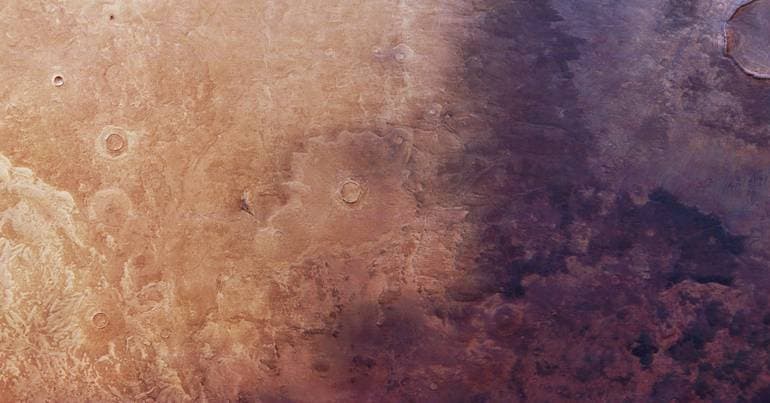
Home News Portuguese scientists conduct unprecedented study of clouds on Mars Portuguese scientists conduct unprecedented study of clouds on Mars Portuguese scientists have “hunted” and analysed clouds on Mars, measuring their altitude and propagation speed, a milestone that could support a futur
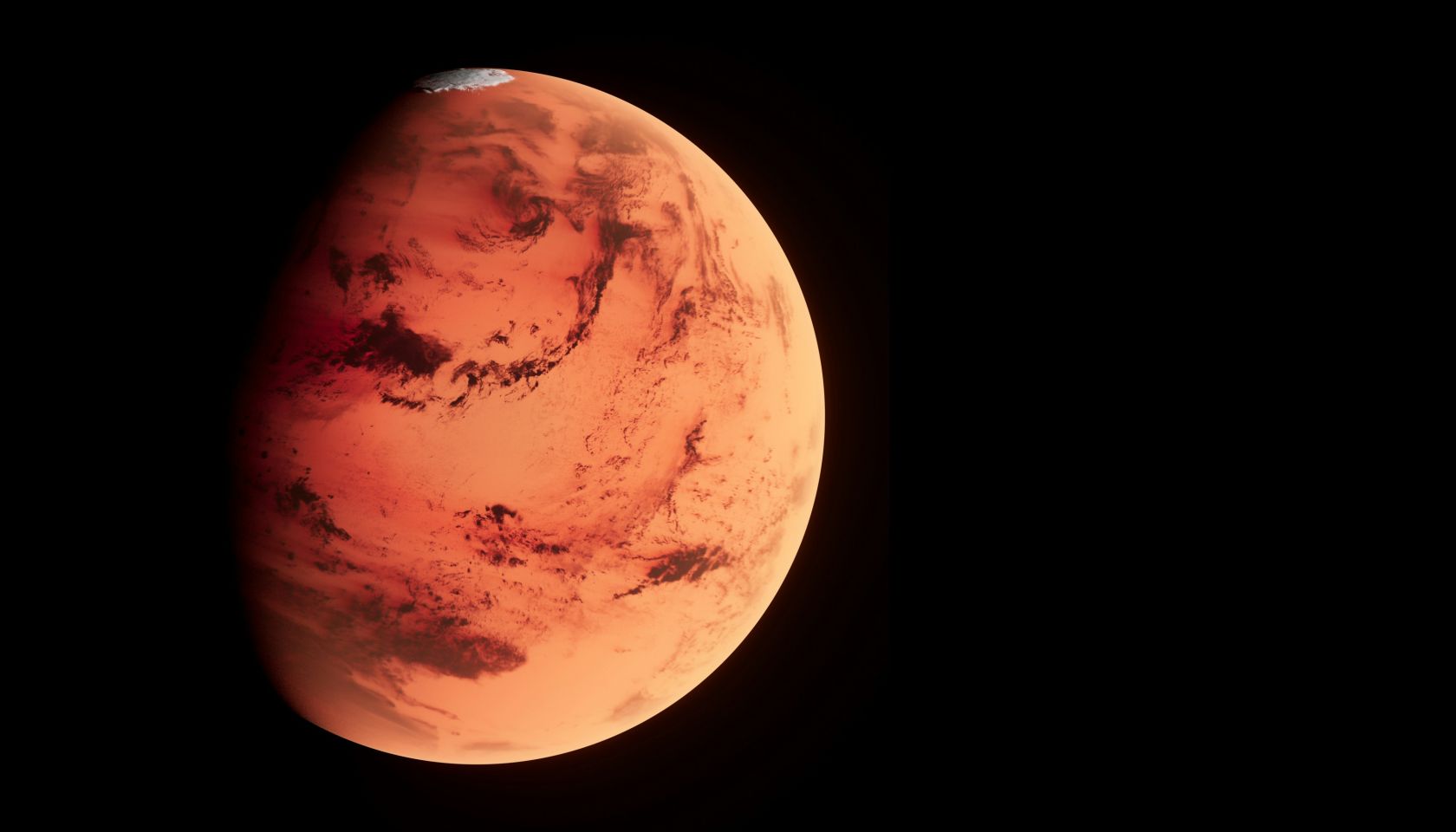
Two missions with similar goals but for two different locations will launch in 2028. NASA engineer Victoria da Poian explains to Observador how the search for extraterrestrial life works.
The future of life outside Earth passed through Porto — but the country barely noticed. Opinion by José Pedro Sousa

With the goal of studying the relationship between the Earth and the Sun, the SMILE satellite will be launched on Tuesday at 4:52 am (Lisbon time) from the Kourou space centre in French Guiana.
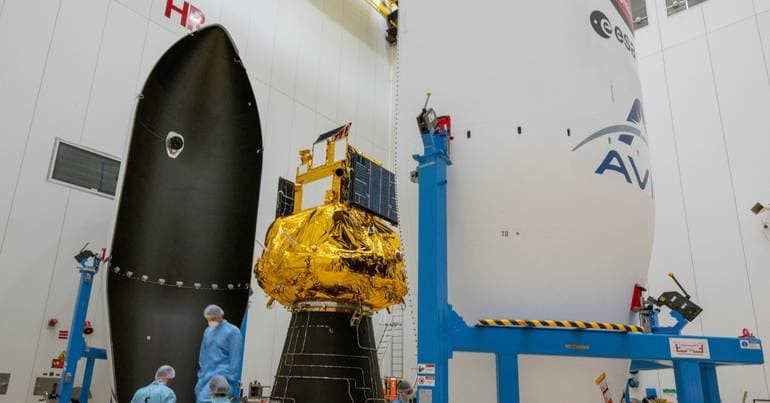
With the European Space Agency's (ESA) SMILE satellite, scheduled for launch on Tuesday, it will be possible to observe for the first time the interaction between solar winds and Earth's magnetic shield. SMILE—an acronym for Solar wind Magnetosphere Ionosphere Link Explorer—is a mission prepared and developed in collaboration with the Academy...
In this flight, known as suborbital, the spacecraft exceeds an altitude of 100 kilometres and reaches space, but does not achieve sufficient speed to complete an orbit.
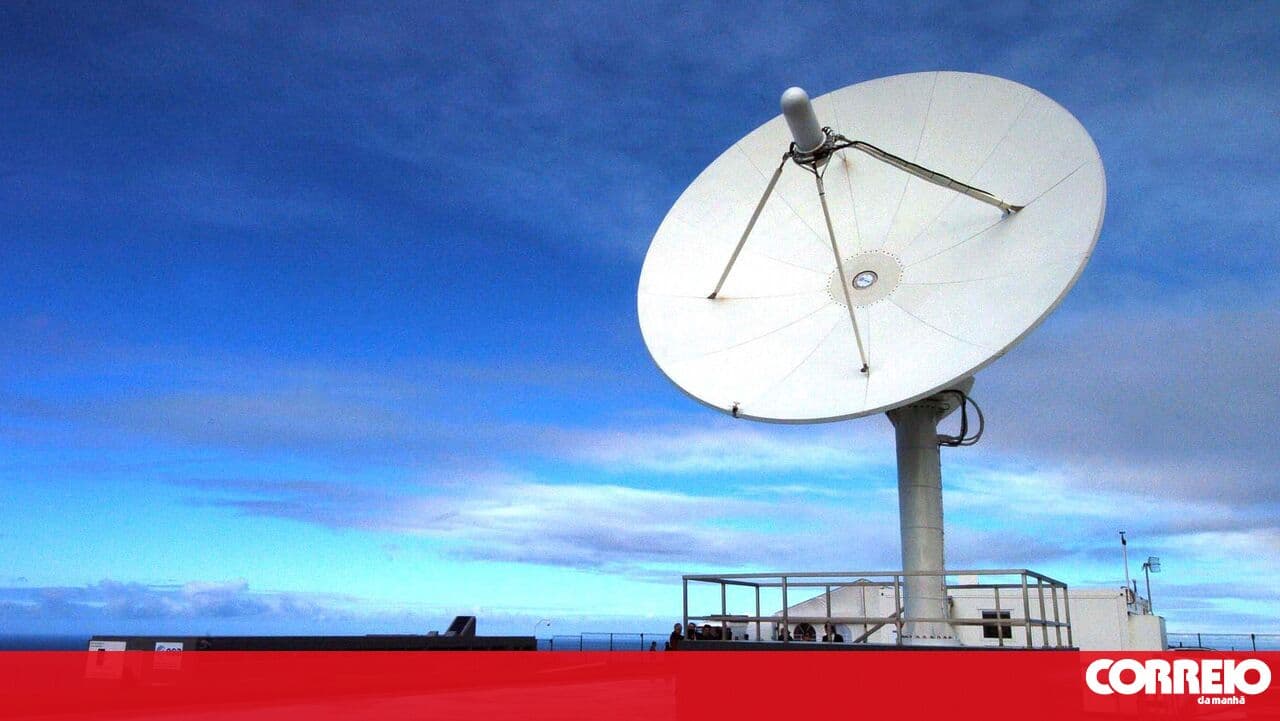
The Portuguese Space Agency announces that the country's first space flight is scheduled to take place in two months.
We have recently witnessed a true double leap in the history of space exploration! Half a century after the Apollo missions, the Artemis II mission took astronauts to orbit the Moon and Portugal launched four satellites named after great national authors.

Ricardo Conde, president of the Portuguese Space Agency, explains how the reentry of the four Artemis II mission astronauts to Earth will unfold.
The Artemis II mission, space geopolitics, and the role of Europe and Portugal in the exploration of the cosmos were some of the topics addressed in the interview with Ricardo Conde, president of the Portuguese Space Agency.
By a stroke of luck, the Iberian Peninsula and Africa appear cloudless.

Ivo Yves Vieira, CEO of LusoSpace, was on CNN Portugal this Sunday to talk about the Artemis II mission.

Ana Pires, researcher and analog astronaut, further explains that Artemis II is a reconnaissance and testing mission that will open several doors, including for Portugal.

Astrophysicist Pedro Mota Machado highlights that 'the most critical phase has already passed'. He also explains that humanity 'has never been so far from home' and describes how Portugal contributed to this mission.
After more than 50 years, four astronauts are returning to the Moon. Artemis II was successfully launched at 18:35 local time (23:35 in mainland Portugal) from NASA's Kennedy Space Center in Florida, United States. A ten-day journey around the Moon and the first crewed mission...
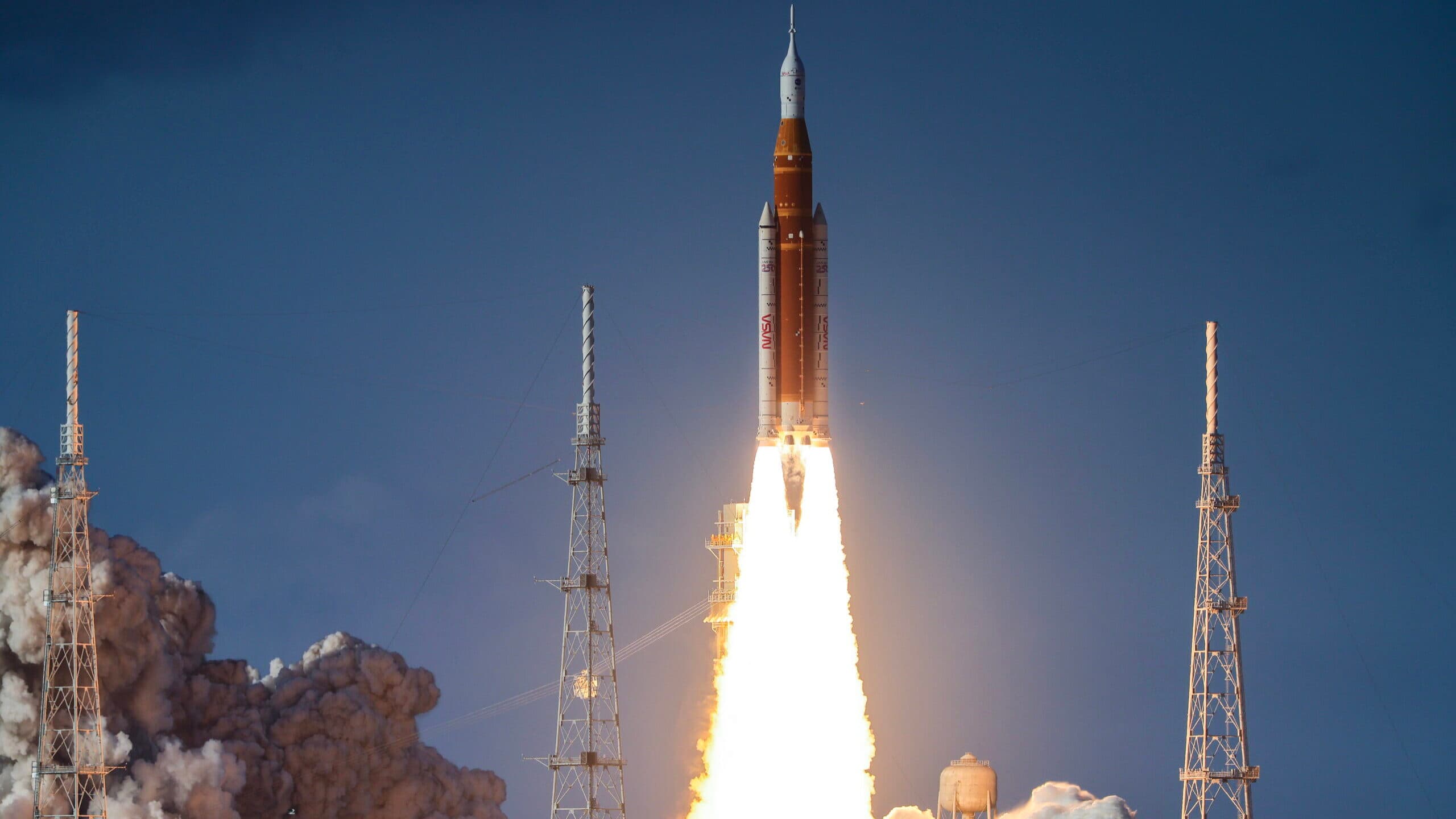
After two last-minute issues, Artemis II finally launched and headed off on its 10-day mission. It is a rare and historic event for human space ambition - 'and Portugal should aspire to have an astronaut in orbit'. But before a Portuguese person, there will be 'a Frenchman or a German'.
It is the first human mission to the Moon in over half a century: Artemis II took off from NASA's Kennedy Space Center in Florida, carrying four astronauts on a 10-day mission around Earth's only natural satellite. “Humanity's next great journey begins.”

Exciting and historic: after two last-minute issues, NASA successfully launched Artemis II - the 10-day mission has begun. The Moon is just over there.
Zita Martins, from the Instituto Superior Técnico, explains the symbolism of the Artemis II operation, which is taking astronauts back to the Moon.

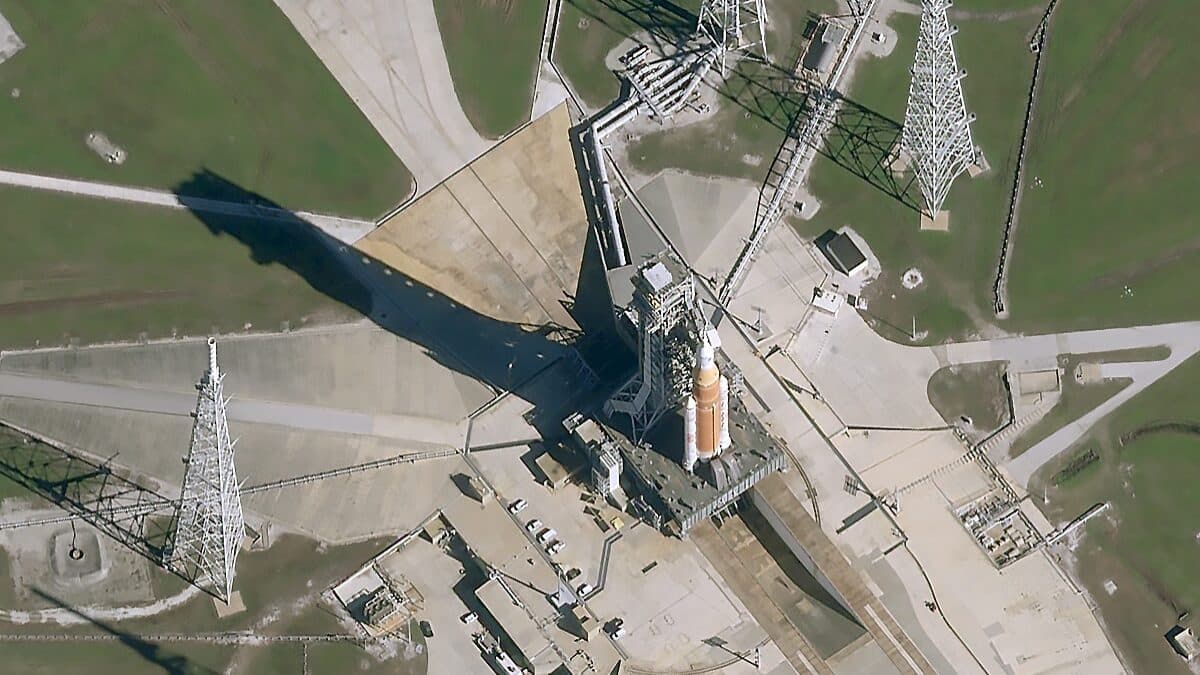
If the 80% favourable weather conditions forecast by NASA hold, the Artemis II mission will depart this Wednesday with four astronauts on an orbital flight to the Moon. It is the first crewed mission of the Artemis programme and the first to the Moon in 50 years. On board the Orion spacecraft is technology made in Europe.