

Inequality in education: the failure of the social elevator or the caste system in Portugal
Public school should be the great instrument of social correction. In many cases, it merely reproduces the starting point. Opinion by José Bonito
publico.pt

Latest news and stories about social inequality in Portugal for expats and residents.
Public school should be the great instrument of social correction. In many cases, it merely reproduces the starting point. Opinion by José Bonito
A report highlights the growing wealth gap in Portugal, noting that the bottom 50% of the population controls a minimal share of the country's total assets.

A report on children starting their formal education lacking basic motor skills such as holding a pencil.

Organizations warn of the risks of regression and inequalities in areas such as education, housing, and health.

Creating more barriers to higher education access that will prevent the social elevator from functioning is criminal in a society that is already brutally unequal. Opinion piece by Paulo Mendes Pinto

Fifty years after the 25th of April, civic participation in municipalities is increasing and diversifying, but it maintains social and territorial inequalities and remains dependent on political cycles.

Public education requires reforms and funding that allow for narrowing the gap between the children of factory workers and those of engineers, bringing together people from all socioeconomic backgrounds. A column by Iúri Soares.

“Food for the rich and food for the poor”? There is talk of abject discrimination, of an institution that has supposedly lost its values. But this interpretation does not withstand close scrutiny.

Faced with the deadlock in the elections for the Constitutional Court, we commented on the parties' tantrums regarding this choice, Centeno's millionaire pension, and the controversy over meals for the rich and poor at the Salesians of Manique.

The main party responsible for the discrimination of meals at the Salesians is not the school, but the Ministry of Education, along with the absurd laws that seek to regulate everything. Opinion by João Miguel Tavares

A reflection on the legacy of Saint John Bosco, founder of the Salesians, contrasting his mission of helping the poor and orphaned with the current practices at the Salesians of Manique school in Portugal, where students are reportedly served different meals based on their financial status.
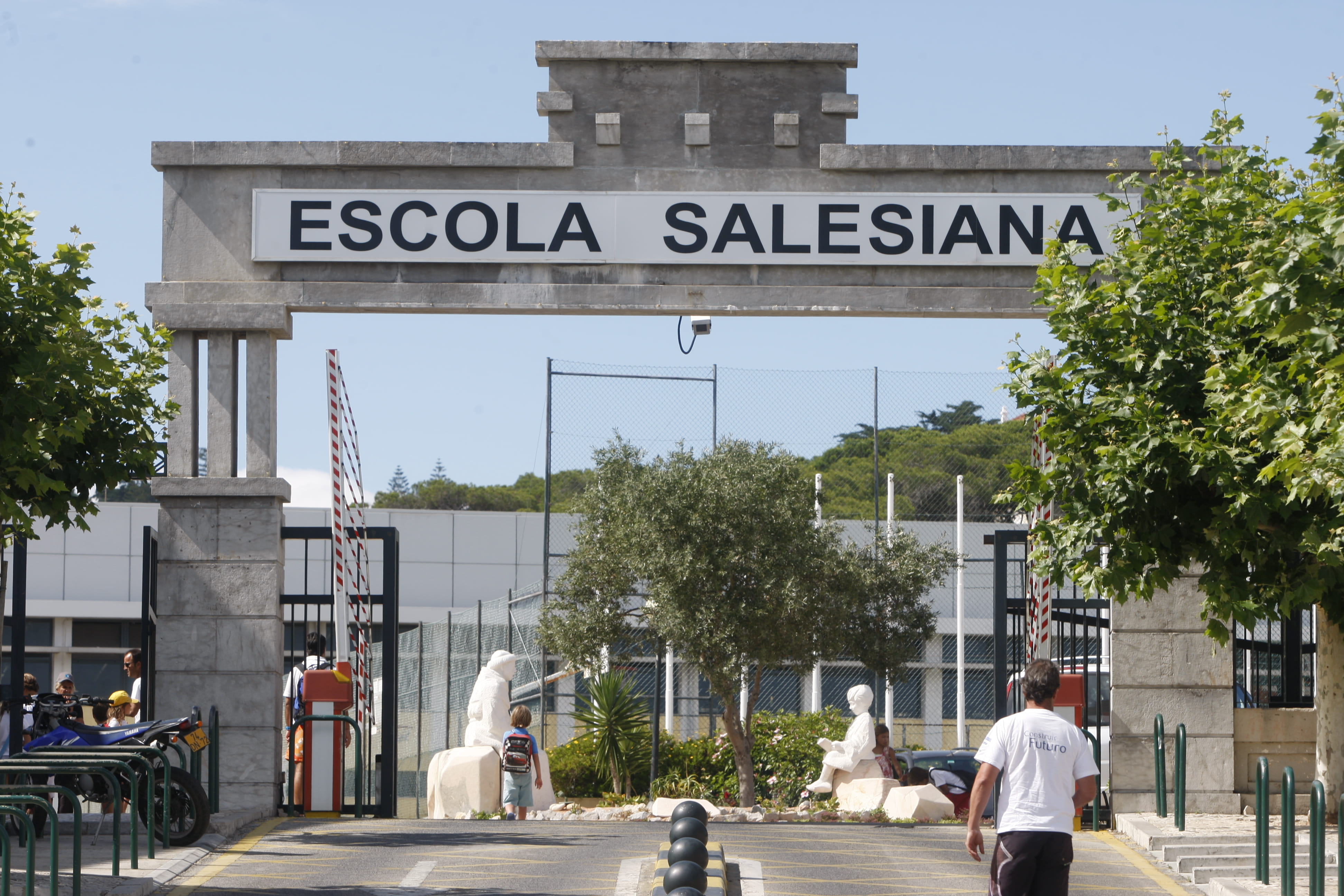
A school in Cascais, where both fee-paying students and those covered by association contracts coexist, is a rare case. The minister states that resolving the problem is not obvious.
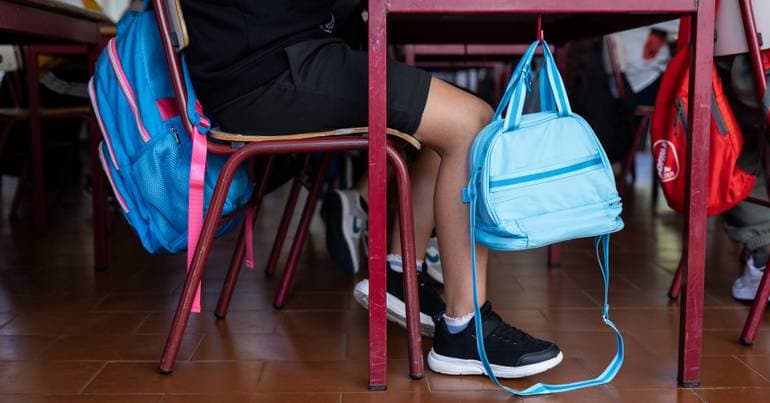
Equality in education is not built only in curricula or official speeches. It is also built at the canteen table. Opinion by Paulo Marinho.

The meals served to fee-paying students at the Salesianos de Manique school in Cascais are of better quality than those provided to students studying there for free, leading some to swap the canteen for the snack bar to avoid the “poor people's food”. The minister admits that this scenario may be repeated in other private schools.

Meals served to students who pay tuition fees are better than those provided to students studying there for free.
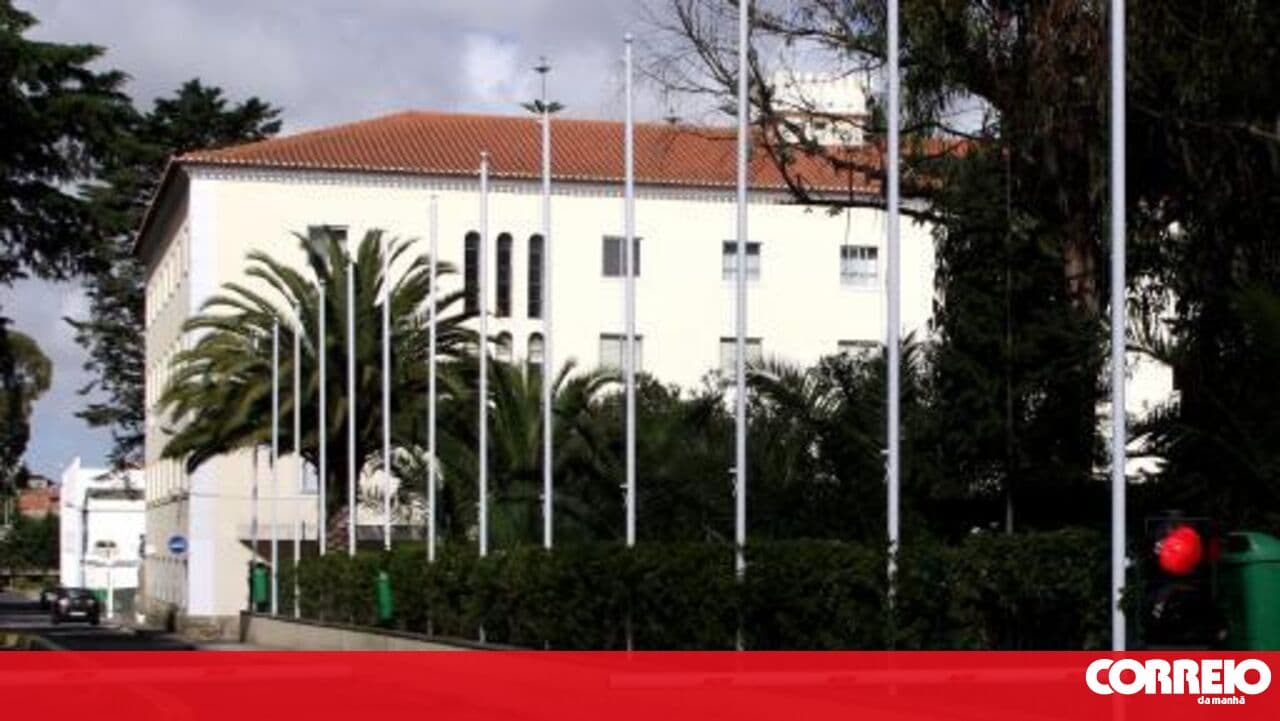
There are students attending the school for free thanks to a contract signed with the Ministry of Education, but the meals differ depending on the tuition fee paid.
A school can challenge public funding and discuss budgets. What a school cannot do is turn those accounts into a mechanism for separating children. A column by Sérgio Guerreiro.

The testing system serves as a filter that, most of the time, replicates the current class structure without appearing to do so intentionally. A column by Paulo César Gonçalves.

Association contracts — useful in areas where there is no public school — are a checkmate to the idea that education vouchers represent freedom of choice and a reduction in social differences. Segregated classes and separate lunches for the rich and the poor clearly show how this system would only serve to accentuate inequalities.

The article discusses the growing social inequality in the Portuguese education system, specifically the lack of teachers in public schools. It highlights how students missing classes are at a disadvantage for national exams and university entrance. The author proposes that the Minister of Education, Fernando Alexandre, create a financial support mechanism—a 'tutoring voucher'—to allow parents to pay for private tutoring for students who have not had full access to classes, warning that education must not follow the path of the health and justice sectors, where quality access is increasingly dependent on private payment.
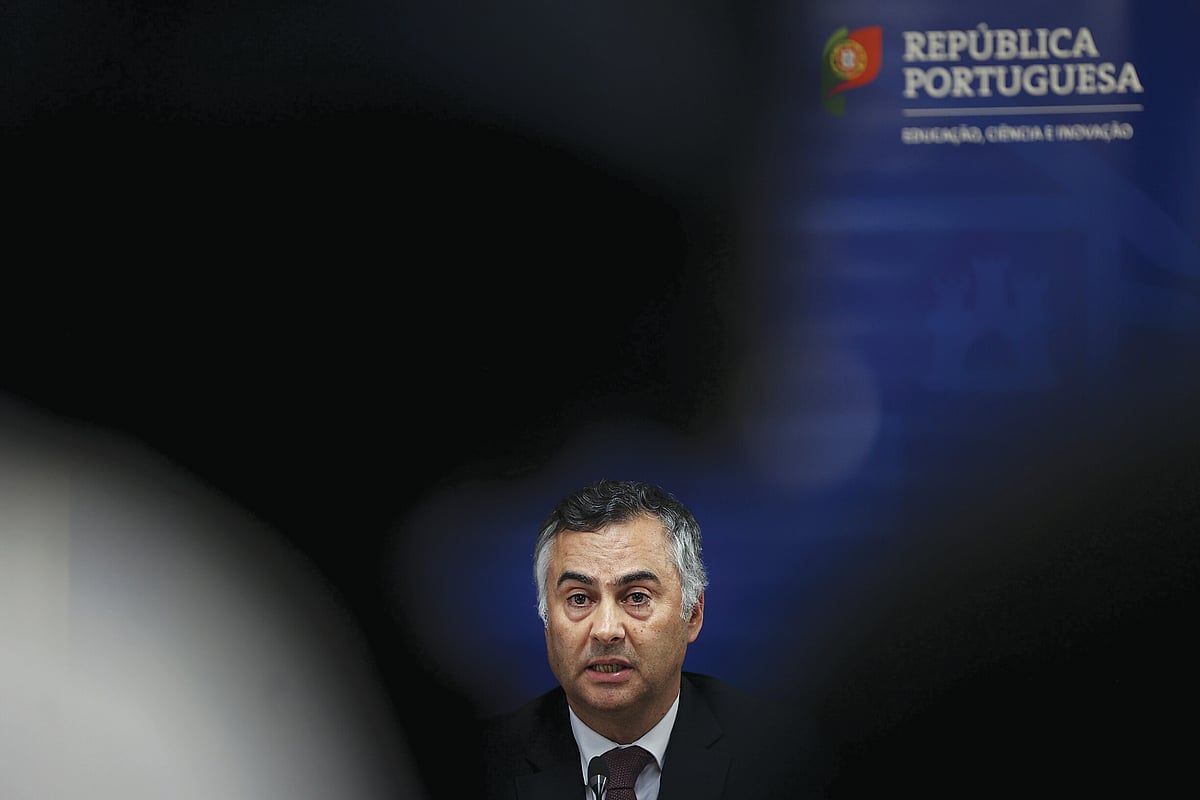
Portugal views its education system as a key driver of social mobility since the 1974 revolution, but this 'elevator' is increasingly restricted. A new study by the La Caixa Foundation and BPI reveals that 20% of students—rising to one in three in secondary education—rely on private tutoring, costing families nearly 300 million euros annually. Wealthier families spend 30% more on these services, gaining a competitive edge in grades and national exams. While the system still promotes some mobility, it is increasingly reinforcing inequality, as academic success becomes tied to the ability to pay for extra support and elite schooling.
There is news that informs, news that makes us smile, news that bothers us, and then there is news like this, which touches on dignity and the most basic principles of equal opportunity, which discriminates for social reasons, and which reminds us of the path we still have to travel to allow the social elevator...

Meals served to students who pay tuition fees are better than those provided to children studying there for free.
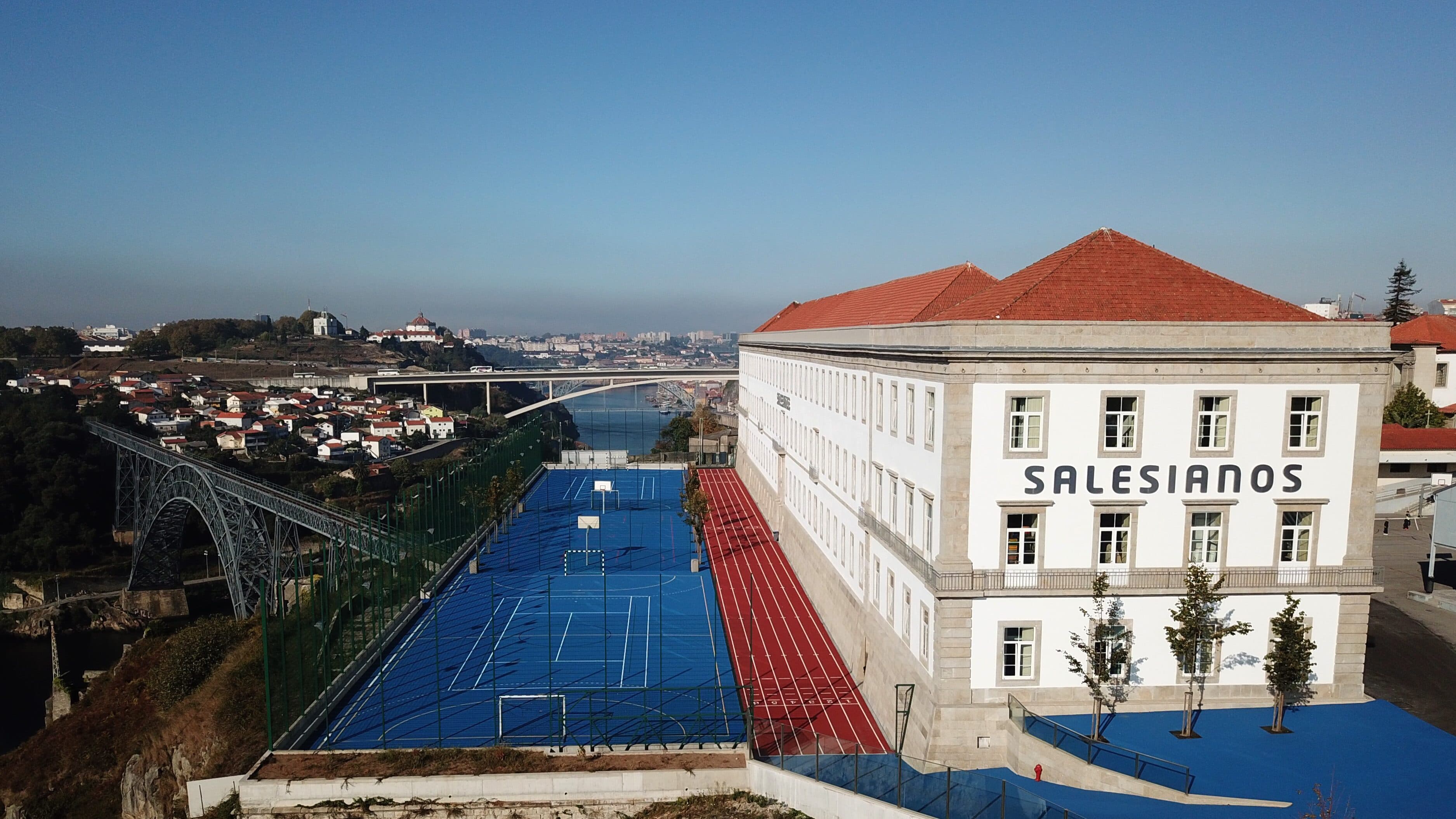
Meals served to students at Salesianos de Manique who pay tuition fees are better than those served to children studying there for free, leading some to swap the canteen for the snack bar to avoid the 'poor people's food'. At the Salesianos de Manique school in Cascais, there are students who pay tuition and others who attend...
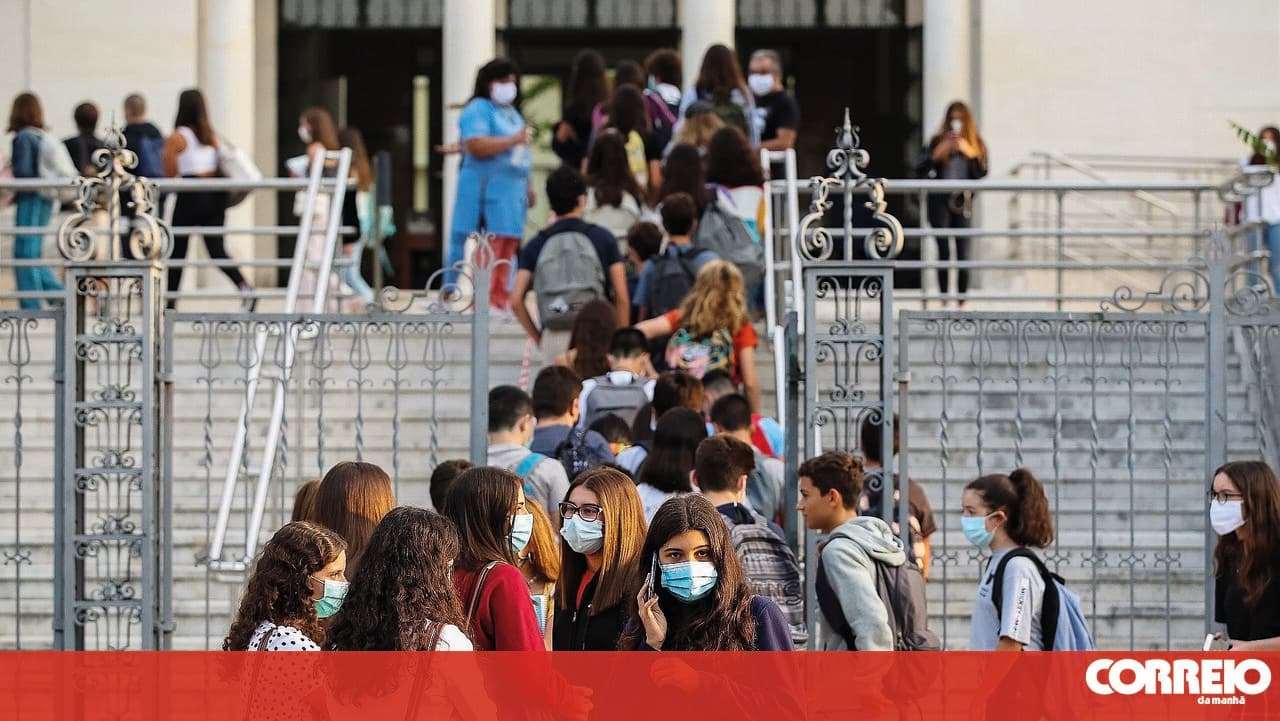
The formidable machine of inequality that is private tutoring undermines our collective ability to fight and vote for the improvement of public schools. Opinion piece by Susana Peralta.

The scenario between luxury and precariousness develops social tension, driving local economic dynamics while putting pressure on the housing market and intensifying social inequality. Chronicle by Filipa Saraiva

Students receiving Ação Social Escolar (school social assistance) have the worst outcomes in completing the first cycle on time, but have improved significantly over the past decade. For the first time, boys and girls have equal results.
Drawing on Manuel da Fonseca's Cerromaior, the choreographer reflects on the Margem Sul and lays bare inequality. Amina is presented on Saturday in Matosinhos, followed by shows in Almada, Moita and Coimbra.

An actress by profession, an active voice in social causes, civic and political movements, and with a long career in national and European politics, Catarina Martins is standing for the Presidency of the Republic for the first time. She is the only woman in the race for Belém and promises to 'look after democracy' in a campaign in which the former coordinator of the Left Bloc wants there to be 'room for all voices' and space to tackle social inequalities, as well as to protect public services and value culture.