Enchanting people with the science done at CERN
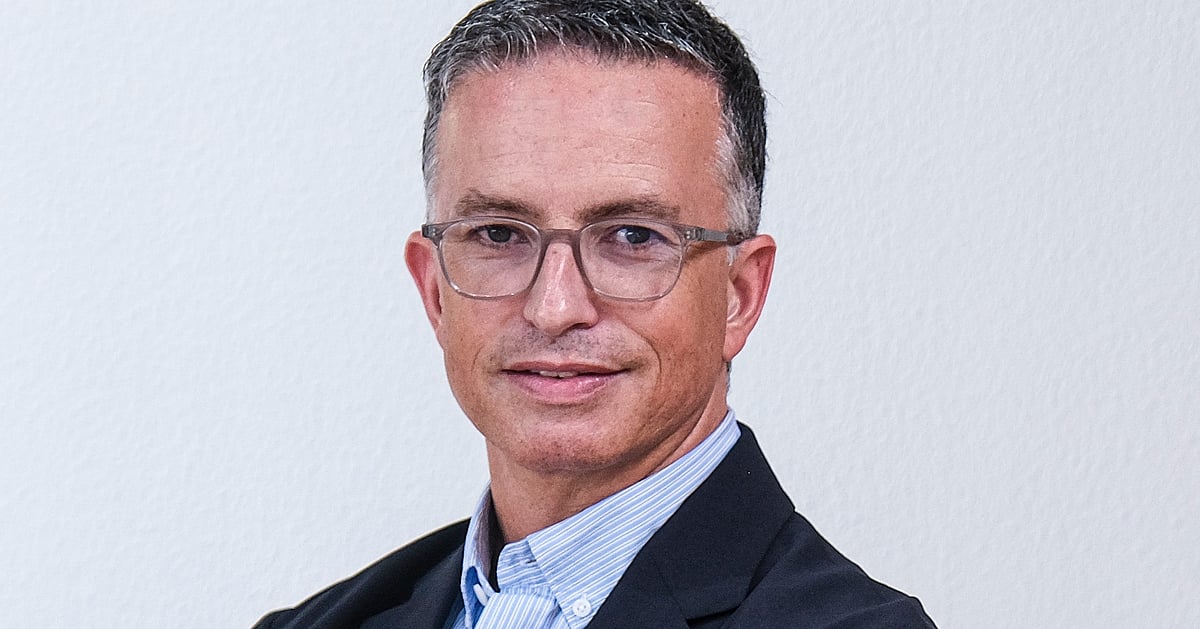
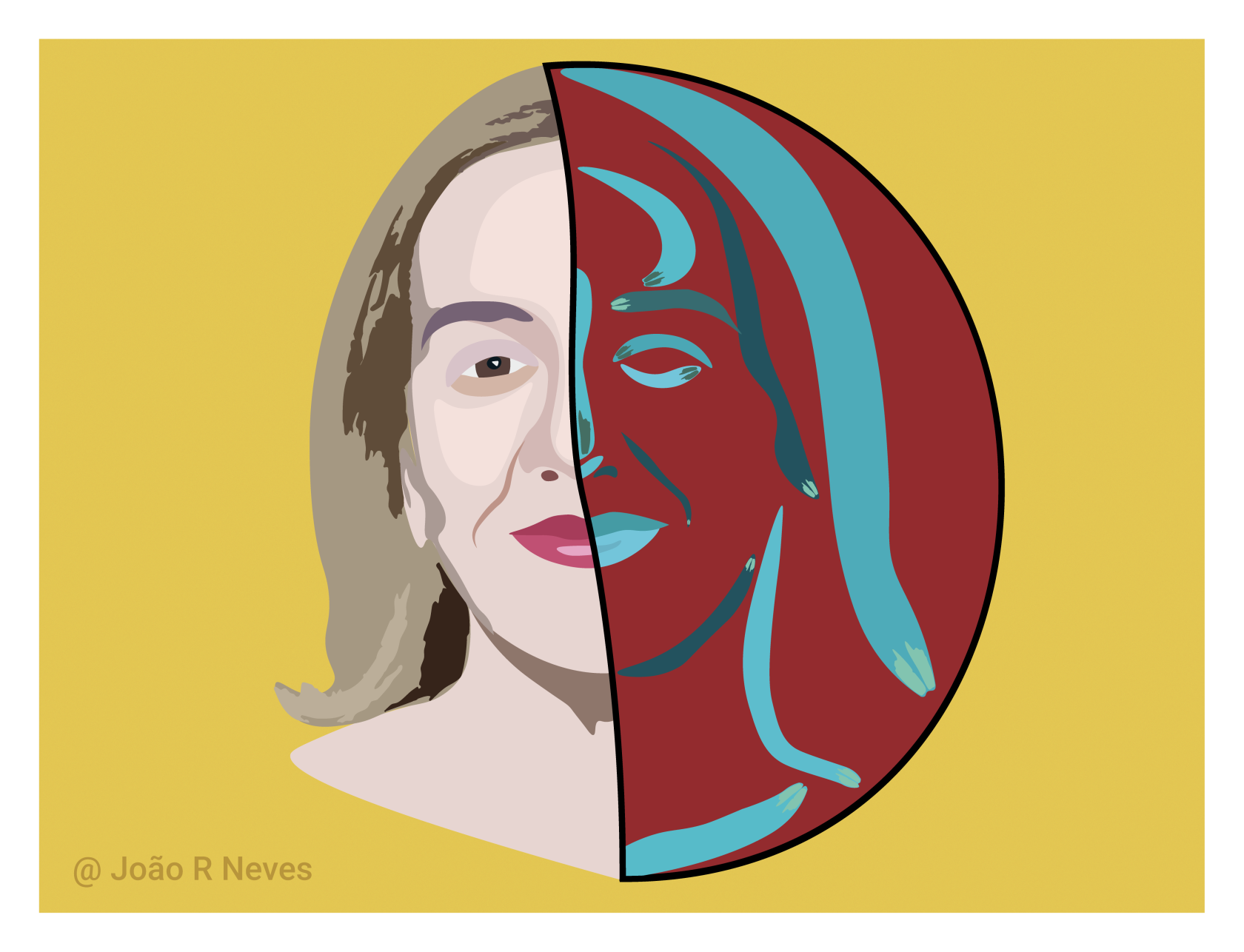
Managing to show what is done at the world's largest particle physics laboratory, in a beautiful and interactive way, is the job of João Pequenão, a Portuguese physicist who leads CERN's Media Lab.

Latest news and stories about science in Portugal for expats and residents.
Managing to show what is done at the world's largest particle physics laboratory, in a beautiful and interactive way, is the job of João Pequenão, a Portuguese physicist who leads CERN's Media Lab.

An international investigation, involving two Portuguese institutions, has identified the first microorganisms to colonise lava tubes formed during the eruption of the Tajogaite volcano (La Palma).


Created in 1956, the awards once again distinguish basic and clinical research developed in Portugal. Applications are open until September 11th and the total prize money is 60,000 euros. Expresso is once again associated as a media partner.

A study published in the journal Science estimates that Earth's soils contain 110 trillion kilometres of fungal filaments, living structures that move carbon and nutrients on a planetary scale.

American neuroscientist Steve Ramirez, a researcher at Boston University, will lead the first European National Geographic Live event in Lisbon and Porto, during which he will explain how it is possible to activate, implant, and erase memories.

The event visits Lisbon on June 16 and moves to Porto on the 18th. The neuroscientist will discuss brain structure and how its connections and chemicals function, with a focus on memory.

“Men and women tend to consider the contributions of men in Science to be more solid,” notes Filipa Almeida Mendes in “The Matilda effect - the women scientists that History tried to forget”.

On the pavement of a car park, in front of CUF Tejo, the estuarine coastline of Lisbon from 6,000 years ago is being drawn. A project that unites science and urban art will be inaugurated on Sunday.

For those who think that science-based innovation only has one path, Idanha-a-Velha is an excellent alternative example, especially if different disciplines come together constructively. Opinion by João Ramalho-Santos

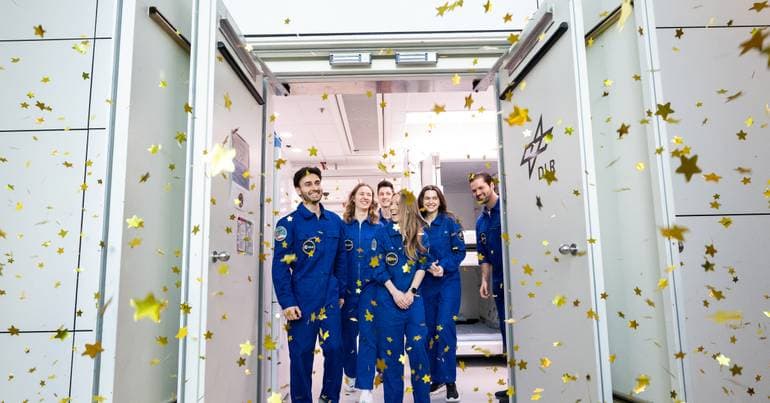
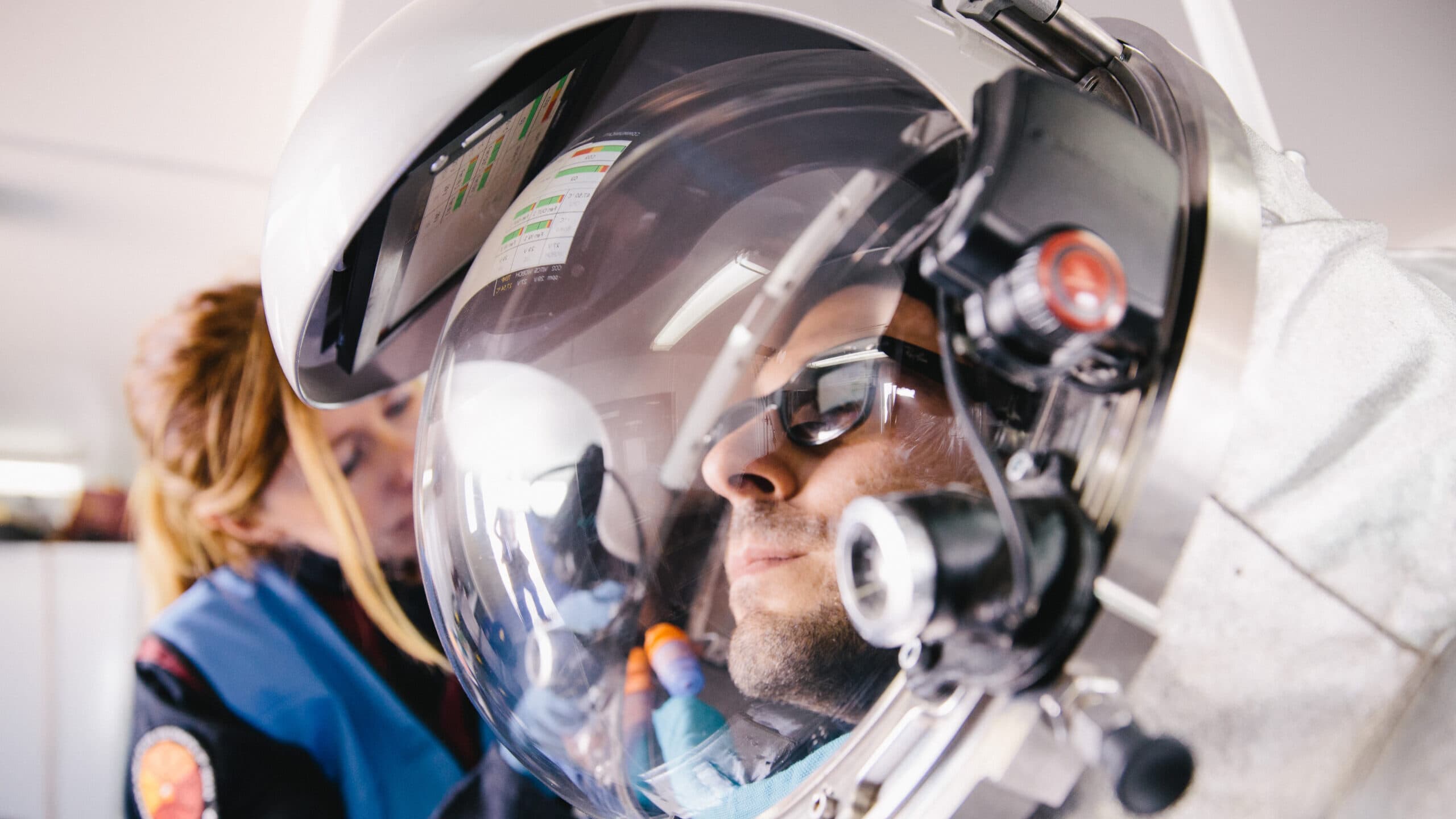
An astronaut shares their experience about the challenges of returning to Earth during a visit to Portugal.

Astronaut and biochemist Peggy Whitson was at the FMH for the signing of a memorandum of understanding as part of the Axiom Space University Alliance, which the faculty has now joined.

A vision of oneself outside the body, a feeling of peace, or a path towards the light: accounts from those who have been on the brink of death and experienced something unexpected are common, and science is looking for explanations. CNN Portugal spoke with a woman, Sofia, who lived through this experience, and with the renowned Belgian neuroscientist, Charlotte Martial, who is seeking explanations for these phenomena.

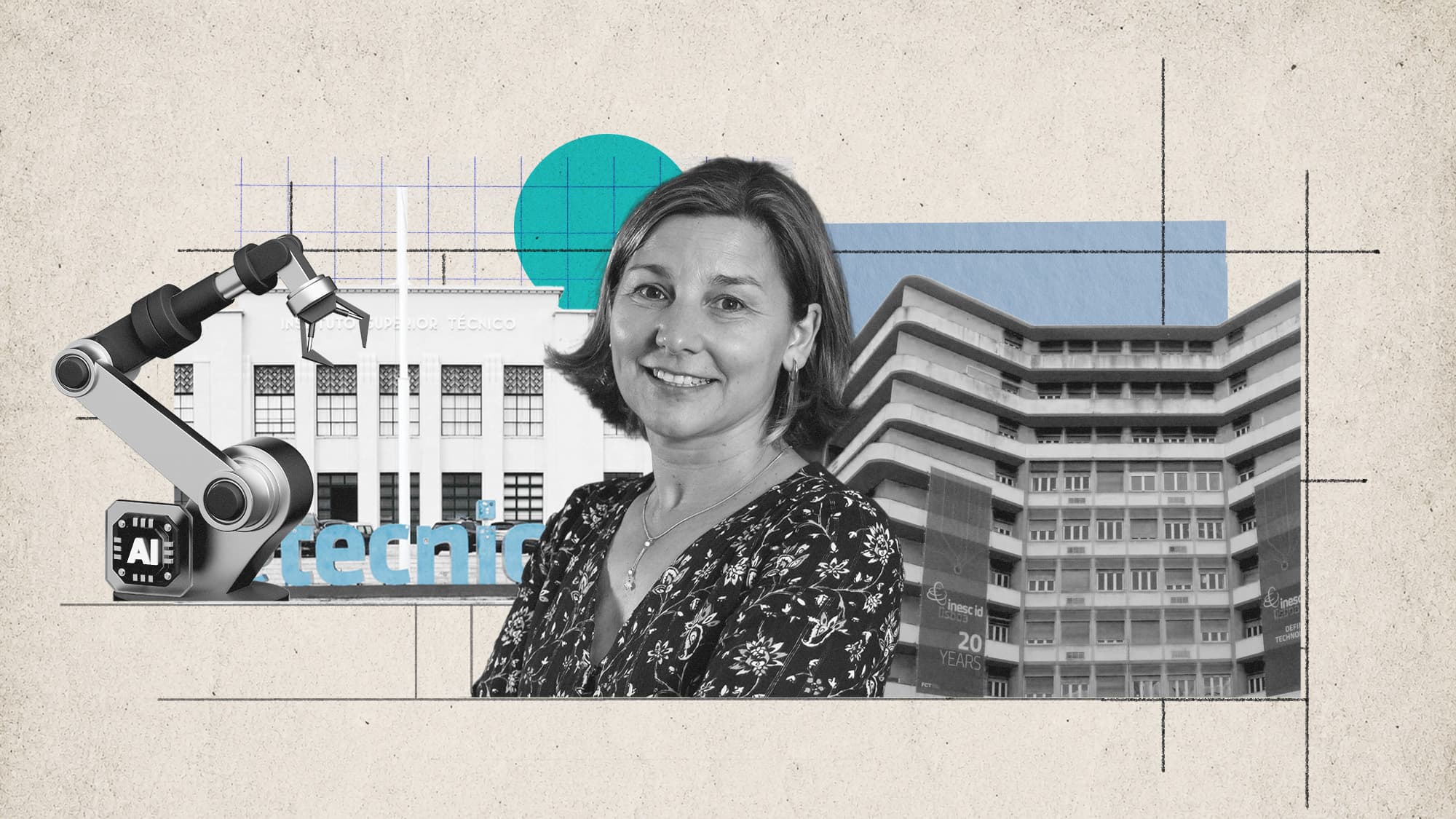
Home Science Faces of Portuguese Research: João Gama Faces of Portuguese Research: João Gama In this new technological era, where artificial intelligence has already become embedded in everyday life, it can feel as though these systems appeared almost suddenly, emerging fully formed into public c

Hugo André Costa, executive director of the Portuguese Space Agency, analyses the circumstances surrounding the evacuation warning of the International Space Station.

Are we cooking against microbes or with them? A conversation about evolution, fermentation, and health with chef Alexandre Silva and scientist Isabel Gordo from GIMM.

Biologist Carla Lourenço clarifies scientific facts, explaining that octopuses possess arms rather than tentacles and discussing the presence of dragon-like species in Portugal.

The 'Science Comes to Town' initiative selects the municipality of Oeiras to host its first event in Portugal.

The University of Coimbra is hosting a discussion regarding the future of scientific management practices within Portugal.

A chef and a scientist sit down at the table to answer the question: chemistry or instinct? From curdled mayonnaise to Ferran Adrià's gelatins, a conversation about science and emotion.

The exhibition Antropo(cénico) — In the time of humans, on display at the National Museum of Natural History and Science starting this week, explores questions about the impact of humans on Earth.

The first edition of the Orla Festival, an exhibition of citizen science projects, takes place this Saturday in Figueira da Foz. “We want to make citizen science visible,” says the person in charge, Filipa Bessa.

Created in 2025, the Jorge Ruas Prize aims to recognise significant achievements in pharmaceutical technologies and promote innovation, honouring the man for whom it is named.

Biologist Eduardo Sampaio will coordinate a scientific expedition to Lizard Island, Australia, in January to study the “flexibility of thought” of the octopus, a “solitary animal” that hunts prey in collaboration with fish.
The 9th edition of Pint of Science brings together Portuguese researchers and the public to present science in an accessible way across 12 cities in the country.

With the goal of studying the relationship between the Earth and the Sun, the SMILE satellite will be launched on Tuesday at 4:52 am (Lisbon time) from the Kourou space centre in French Guiana.

An exploration of how Portuguese scientific research is being leveraged to drive industrial and technological innovation.

With the European Space Agency's (ESA) SMILE satellite, scheduled for launch on Tuesday, it will be possible to observe for the first time the interaction between solar winds and Earth's magnetic shield. SMILE—an acronym for Solar wind Magnetosphere Ionosphere Link Explorer—is a mission prepared and developed in collaboration with the Academy...

It is a global benchmark and in ten years it has achieved many milestones, including cancer vaccines, genetic tests that allow for the prevention of tumours, and new molecules that prevent inflammatory bowel diseases.
The project 'Science Family — your science is familiar to me' gives a voice to students' family members, inviting them to share, in a relaxed way, the scientific work developed by their relatives.