Decision on smartphone ban in more schools to be announced during the holidays
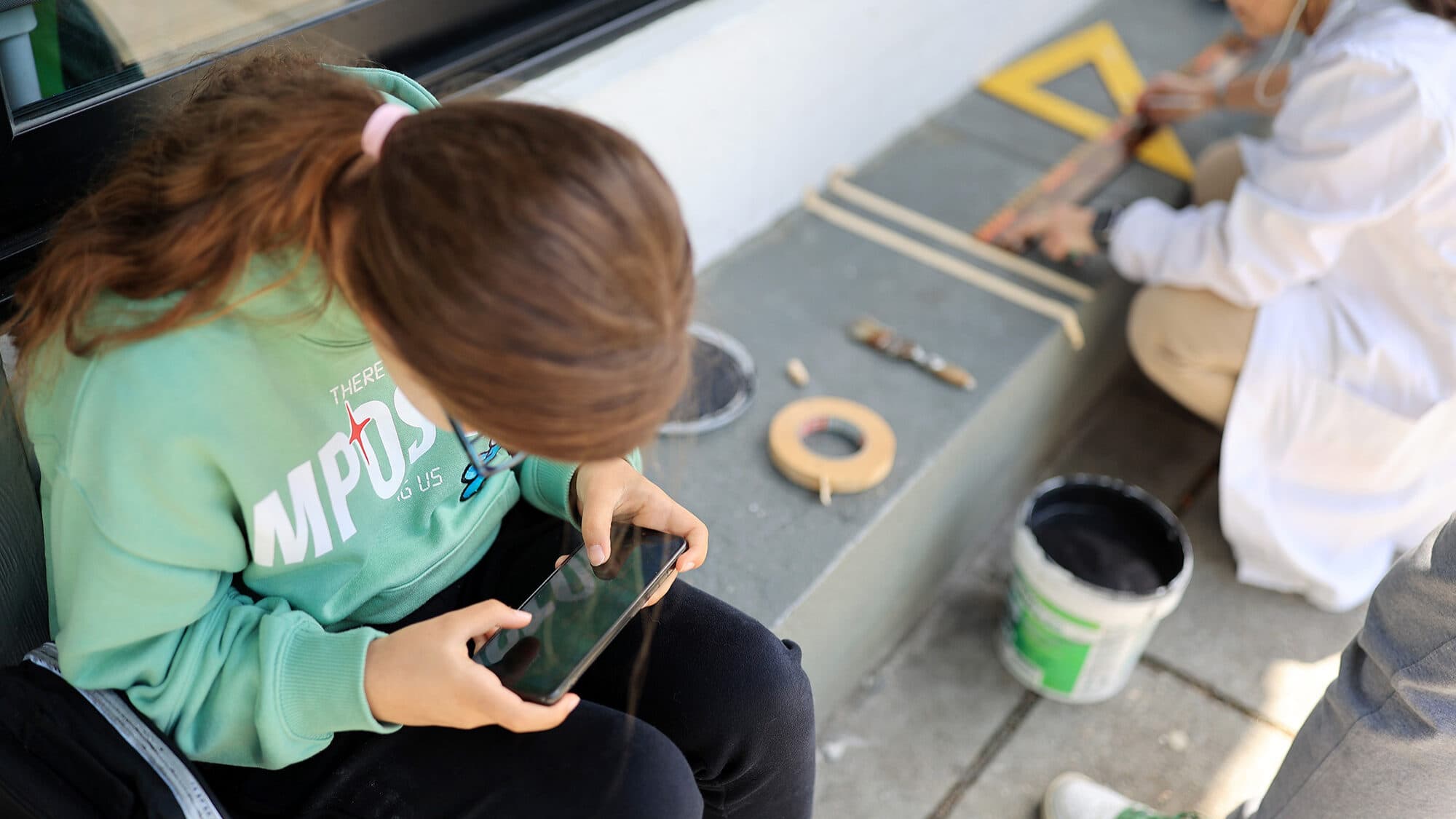
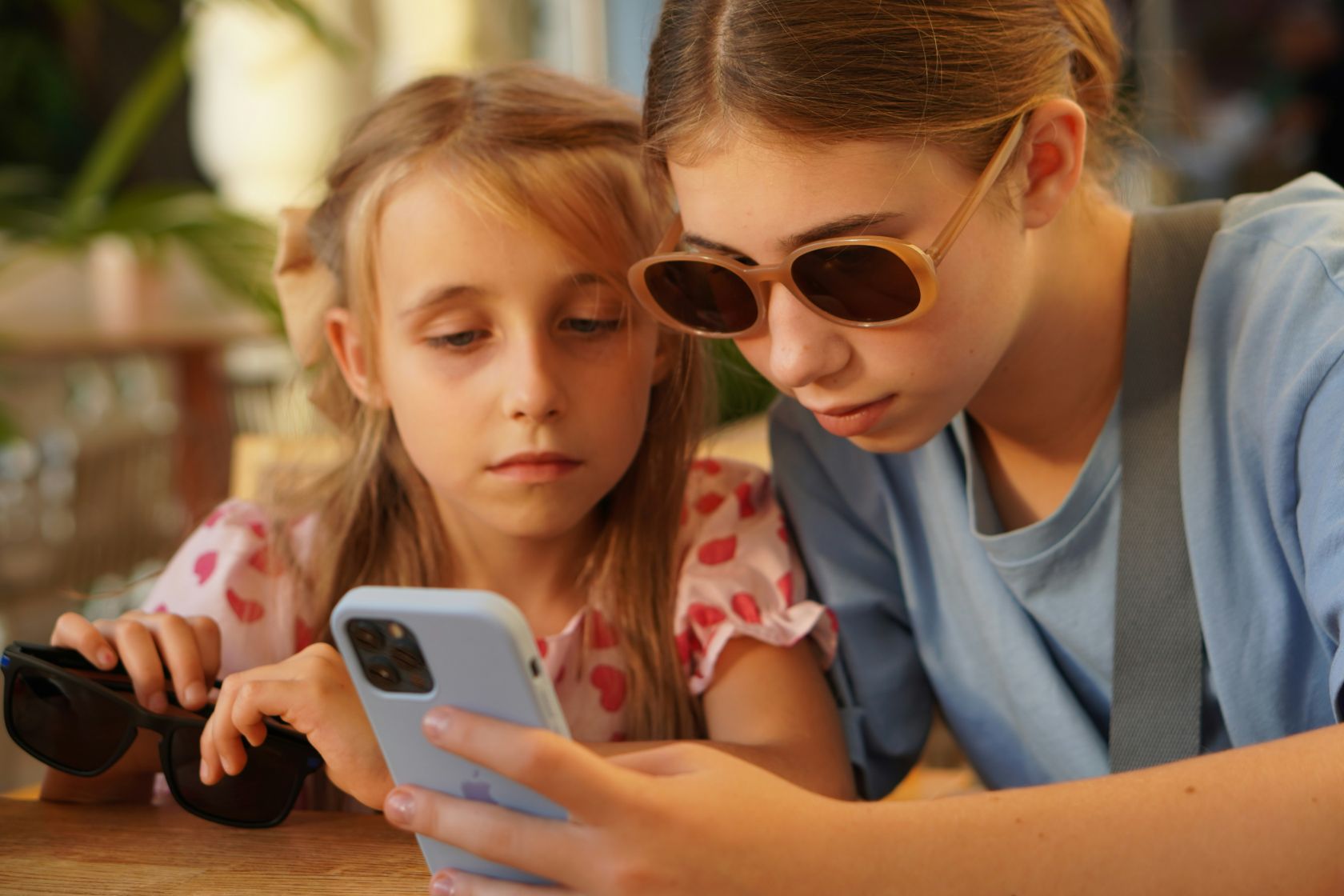
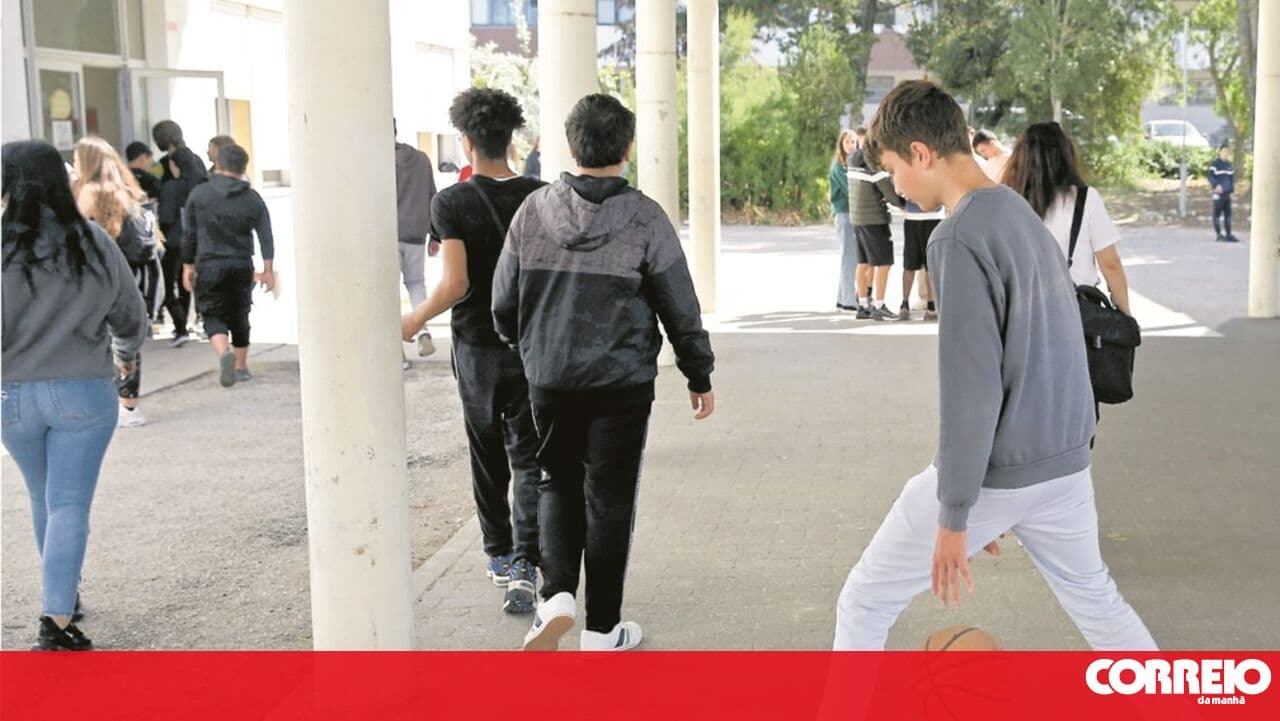
The ministry will launch a new survey among headteachers this week to understand the effects of the mobile phone ban in primary and lower secondary schools.

Latest news and stories about school policy in Portugal for expats and residents.
The ministry will launch a new survey among headteachers this week to understand the effects of the mobile phone ban in primary and lower secondary schools.

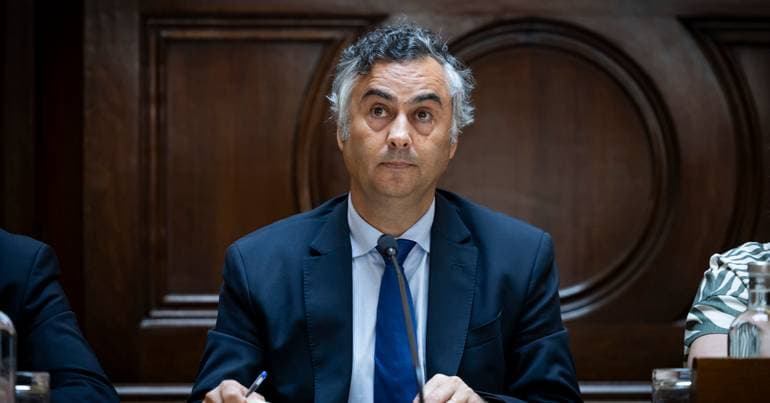
Secretary of State Alexandre Homem Cristo guarantees that the results of the ban in primary and lower secondary education were positive and justify considering the extension of the measure.

The Ministry of Education will launch a new survey among school principals this week to understand the effects of the mobile phone ban in primary and lower secondary education.

The Minister admits to failures in schools that allowed the entry of influencers and wants to strengthen the control of external entities. He also states that there is no disinvestment in the National Reading Plan.

The Minister of Education stated this Tuesday in Parliament that it was not necessary to create new rules to authorise activities in schools following the presence of influencers, stressing that the framework already existed but needed to be clarified.

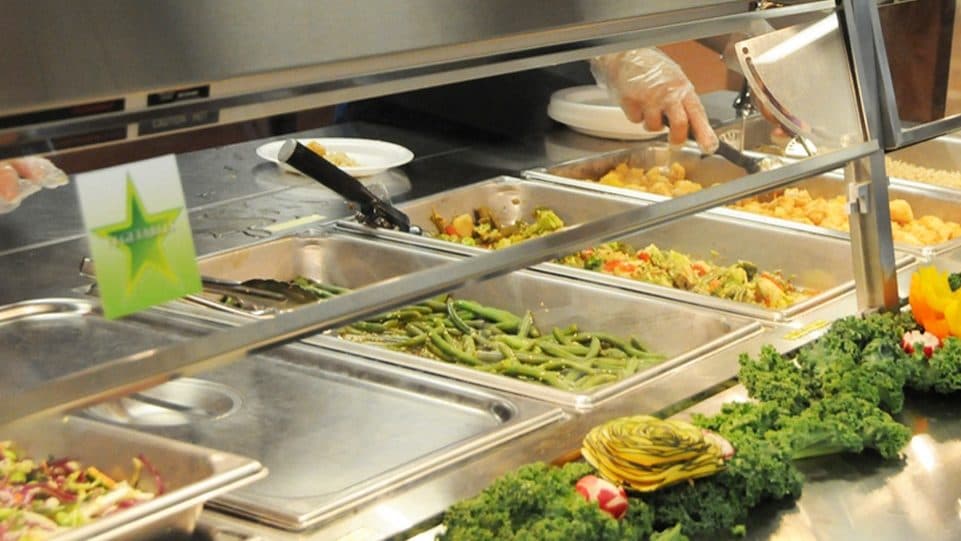
The Salesianos de Manique school has changed its meal policy and will provide the same options for students in the private programme and those covered by the association contract, who continue to pay 1.46 euros per meal. In a circular sent to parents on Wednesday, which Lusa had access to this Thursday, the school...

The change in the meal policy follows a report that revealed in March that the meals served to students who pay tuition fees were better than those provided to the others.

Unlike Portugal, Estonia has chosen not to ban mobile phones, precisely to avoid placing a responsibility that begins at home onto teachers. “That is why teachers want to leave [the profession], because they feel that all of society's problems are their responsibility.”
The report clarifies the duties of school principals, who are responsible for verifying the suitability of activities conducted by external entities in schools.

No new rules are being created, but there are guidelines. The “public notoriety of the participant” or “their popularity among students” are not enough “to legitimise the holding” of an activity at school.

Right of reply from the administration of ENSINUS – Estudos Técnicos e Profissionais, S.A., the entity that owns INETE, regarding the news article published on 1 March 2026 in the print and online editions of PÚBLICO.

Right of reply from José António Carvalho, director of the Afonso de Albuquerque School Group (Guarda), regarding an article published on 1 March 2026 in the print and online editions of PÚBLICO.

The commentator says he was “not only angry, but also sad” following the news about the “food for the rich” and “food for the poor” case at a school in Lisbon.
The Minister of Education, Fernando Alexandre, has suggested reviewing the practice of allowing schools to operate both state-funded association contract classes and private fee-paying classes simultaneously. The move follows reports from the Salesianos de Manique school in Cascais, where students in the two different regimes were provided with different meal options in the canteen. The minister highlighted that such coexistence within the same building makes socioeconomic inequalities more apparent and stressed that schools under association contracts must adhere to public school rules, including price caps on meals to protect families.

The party reported to the Ministry of Education the “discrimination at the table,” which it considers to be “a serious violation of the principles of equality and the dignity of the human person.”

In the interest of fairness, school principals argue that exams for students who missed classes should carry less weight in their final grades.

The management of the Salesianos school in Manique stated on Monday, March 16, that they are willing to change the current meal system, which differentiates menus between students who study for free and those who pay tuition, provided the Ministry of Education allows it. Following reports that paying students receive better meals, the school reiterated that this is due to Ministry of Education requirements. The school currently has 770 private-paying students and 797 students funded by the state due to a lack of public school capacity. Previously, families could pay the difference to access the private menu, but the school was fined and forced to refund these payments due to legal caps on charges for state-funded students. The school maintains that all meals meet safety standards and that the separation is solely a result of legal impositions, noting that they already subsidize the state-funded classes significantly to ensure educational quality.

The controversy began last Friday when a Lusa agency report stated that the meals served to students at Salesianos de Manique who pay tuition are better than those provided to students studying there for free. Now, the school's management confirms the differences in the food provided for lunch, but attributes the blame to the Ministry of Education.

At issue is the difference between the menus of students who study there for free and those who pay tuition fees.

About eighty schools have hosted influencers linked to sexual content in campaigns for student associations over the last two years. Not influencers, but pornographers.

The School Council argues that it is necessary to ensure that activities are appropriate for the “educational context, the students' ages” as well as the “principles and values that guide public schools.”

The School Council has appealed to headteachers to exercise caution and responsibility when authorising activities within school premises, following a report that revealed the presence of misogynistic influencers and pornographers in schools.

School administrations have been alerted to the need to protect students' images, after PÚBLICO revealed their online exposure in thousands of videos recorded in schools by influencers.

The Education Inspectorate sends an official letter to all school clusters and non-clustered schools.

The Minister of Education, Fernando Alexandre, is evaluating the ban on mobile phone use in the third cycle starting as early as the next school year.

Most school groupings have teachers who agreed to postpone retirement this year, according to a survey by Missão Escola Pública, which questions the effectiveness of the measure.