Government aims to unlock undivided inheritances: a single heir can initiate the process
The government has approved new regulations to resolve undivided inheritances, aiming to boost housing supply and enhance fire prevention efforts.
Público

Latest news and stories about housing supply in property in Portugal for expats and residents.
The government has approved new regulations to resolve undivided inheritances, aiming to boost housing supply and enhance fire prevention efforts.
Cascais City Council has exercised its right of first refusal to buy 32 plots near Quinta da Marinha for €30 million, blocking a sale the owner had negotiated with two private firms. The council approved a loan to finance the acquisition, raising issues about use of public funds to secure strategic, high-value land in one of the municipality’s most expensive areas and the implications for local planning and market dynamics.

In 2026 Lisbon accounted for the largest share of property listings, reflecting a concentrated supply base in the capital. By contrast Aveiro recorded the strongest year‑on‑year increase in market activity, signalling accelerating demand and investor interest there. The data suggest diverging regional dynamics — supply dominance in Lisbon versus faster transactional growth in Aveiro — with implications for pricing, investment allocation and local market strategies.

A proposed measure in a housing-supply package due for a parliamentary vote this Friday would make the absence of a required licence a ground for invalidating property sales. Analytically, the change could introduce significant legal uncertainty for buyers, sellers, lenders and conveyancers, risk delaying transactions and cooling market activity unless clear transitional rules and enforcement guidance are set out. Stakeholders will be watching for details on compliance requirements, liability allocation and any safeguards to avoid unintended disruption to the housing market.

There are 28 new apartments that will be built for Mação, which will significantly increase the availability and supply of homes, stated the Mayor, José Fernando Martins, to Lusa.
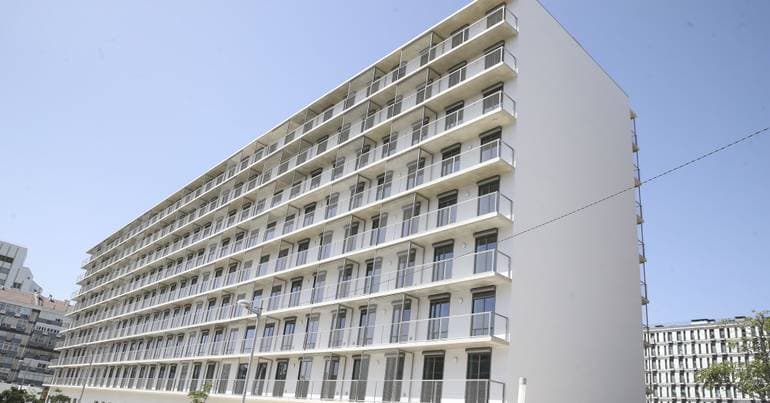
Fewer homes sold, higher prices, and rising revenue. This is how the largest real estate networks operating in Portugal navigated the first six months of 2026, a semester in which the scarcity of supply and the greater weight of foreign and institutional buyers reshaped the real estate brokerage landscape. Although the market...
Funchal recorded the highest growth in the number of properties available for rent across the country.

The number of residential properties listed for sale in Portugal saw a 6% decrease during the second quarter of 2026, according to data from Idealista.

The number of residential properties available on the market in Portugal decreased by 6% during the first half of the year.

“The city must grow and there must be more housing supply of all types and spaces for investment, from industrial to tertiary,” says mayor Carlos Zorrinho.

Among the measures to increase housing supply is the reduction of VAT from 23% to 6% on the construction of properties for sale and the partial refund of the tax on self-construction.
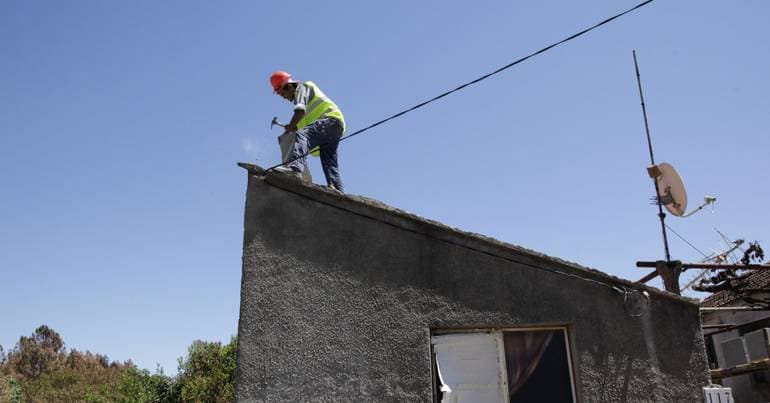
Jorge Silva, head of the Order of Notaries, analyses some of the benefits included in the “tax relief package to boost housing supply” which is expected to be published in the Diário da República in the coming days.

The number of residential properties available for purchase in Portugal saw a 14% decline during the first three months of the year.

The sharp increase in house prices in Portugal reflects a shortage of housing supply and resilient demand, say Morningstar DBRS analysts

The Government has submitted a legislative proposal to parliament allowing a single heir, a spouse married under community of property, or an executor to initiate the judicial sale of real estate from undivided inheritances. This measure aims to address properties that have remained undivided for over two years due to a lack of agreement among heirs, as part of a broader legislative package to increase housing supply. The process includes judicial oversight, expert property valuations, and electronic auctions to ensure transparency, while granting heirs the right of redemption to keep the property within the family. Additionally, the proposal introduces reforms to the Civil Code, including the role of an executor with powers of partition and new rules for the administration of inheritances to reduce litigation and facilitate the distribution of assets.
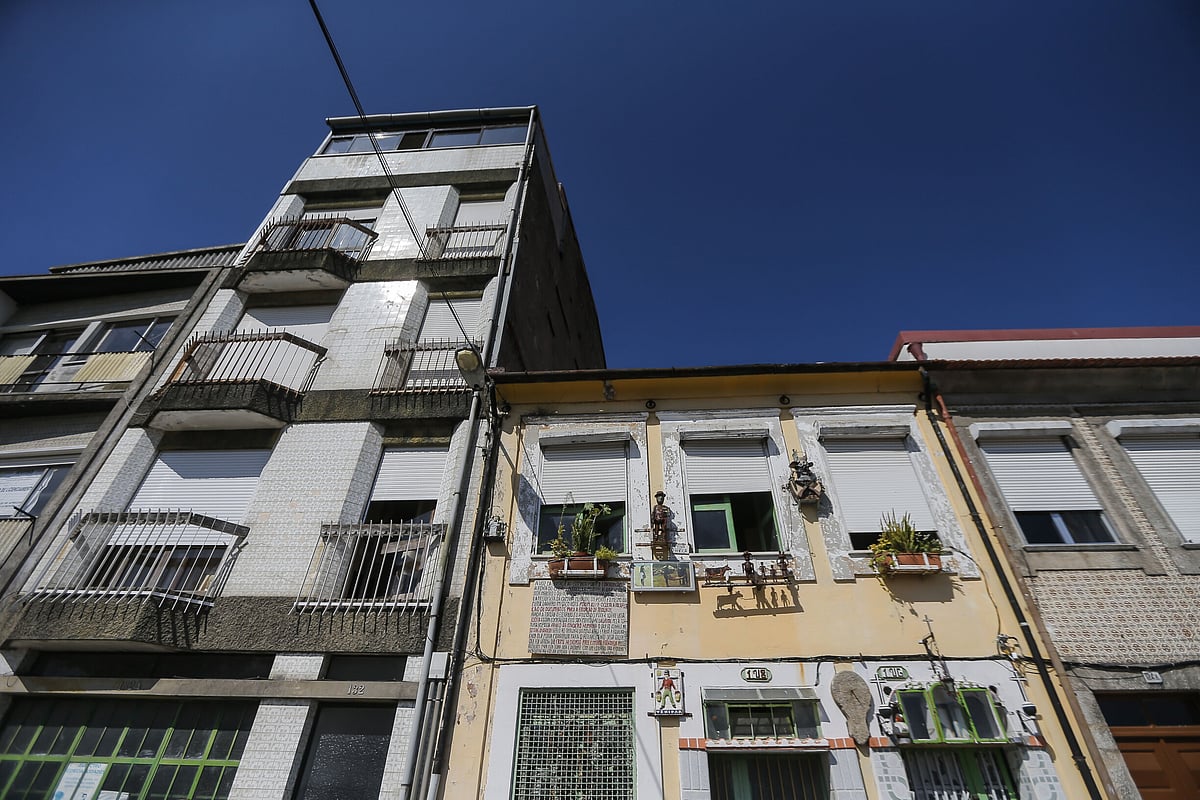
The answer is not clear, but experts speak of signs of price pressure due to a lack of supply.

On the surface, the implementation of the Recovery and Resilience Plan (RRP) in Portugal appears successful, but deeper analysis reveals significant shortcomings, particularly in housing. A recent European Parliament mission highlighted that the current 2026 deadline is too tight for full fund utilisation and that existing funds have been primarily used for renovating existing properties rather than increasing the overall housing supply. There is an urgent need to extend the RRP deadline and shift the focus of EU funds towards increasing public housing stock and converting properties currently used for tourism into affordable homes for middle-class families.

Public works tenders launched totalled approximately 10 billion euros.

The Portuguese real estate market is undergoing a significant shift. Data from Maxfinance for 2025 reveals that the typical buyer is now single, under 35, and opting for smaller properties like T0 or T1 apartments. Families are also downsizing from 3-bedroom (T3) to 2-bedroom (T2) homes due to economic constraints. CEO Francisco Ferreira Lima notes that while government measures have improved access to credit for young people, a severe lack of housing supply remains the primary obstacle, with demand still heavily concentrated in coastal urban centres.

In 2010, more than 35,000 homes were built for family housing, and since then, we have never even come close to 30,000. Even so, in 2025 (preliminary data), 26,700 homes were built.

The Executive is preparing amendments to the tenancy law to speed up evictions in cases of non-compliance and also wants to unblock undivided inheritances. The goal is to increase the housing supply.

Portugal’s Social Security owns thousands of properties across the country. Many are empty, poorly recorded and generating no income, yet they continue to weigh on public finances. What is failing in the management of Social Security’s property portfolio? Listen to the new episode of Economia dia a dia, Expresso’s daily podcast, presented by Juliana Simões.

Elected three months ago, the mayor of Porto intends to reduce the city’s economic dependence on tourism and real estate. A critic of the “huge densification of new developments” in the city, Pedro Duarte says he will curb that “impetus”, starting with planning permission, with the city council “looking differently at the real estate projects that emerge, ...

The Government's housing package, approved by Parliament on 9 January, is 'welcome' and contains 'positive' measures, but it is not certain that it will increase the supply of homes or reduce prices, acknowledge executives from leading estate agencies. For Rafael Ascenso, founder and partner at Porta da Frente Christie's, the new package brings advances ...

What is needed to bring house prices down? Experts point to the supply of housing as the main problem.

The governor of the Bank of Portugal says increasing housing supply is necessary to slow or stop rising house prices.

Portugal is among the European countries with the highest share of second homes and vacant dwellings, although this proportion has fallen slightly in recent years.

In a context of housing access crisis and with construction approvals slowing again, doubts are growing about the sector's ability to put more homes on the market. Between announced incentives and obstacles on the ground, measures do not always translate into more supply. Vera Gouveia Barros helps explain what is holding the sector back. Listen to the podcast here.

A bill to increase housing supply was submitted to the Assembly of the Republic this Tuesday.