

Agarrar a Faca pelo Gume: four women in the debut of Inês Bernardo
🎭 Culture#portuguese-authors+2 more
A concise, even miniature novel, but one that encompasses three generations of Portuguese women. The fictional debut of Inês Bernardo.
publico.pt

Latest news and stories about portuguese authors in Portugal for expats and residents.
A concise, even miniature novel, but one that encompasses three generations of Portuguese women. The fictional debut of Inês Bernardo.
The author says that this can 'in a certain way be a feminist book' without being pamphleteering
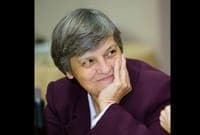
The author defines the book as a work that emerges from a movement of approaching her own family biography, after having written the biography of Natália Correia.

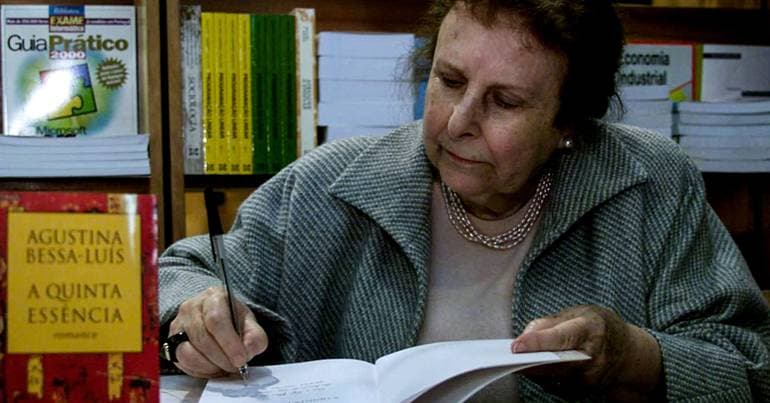
The work “Apocalipse de Albrecht Dürer” by Agustina Bessa-Luís is being reissued by Guerra e Paz and released this week.
Nine years after his last novel, Rui Zink surprises with “Olga Saves the World”. Almost as if he did not intend to, the author lines up, sometimes highlighting and sometimes ridiculing, some contemporary traits.
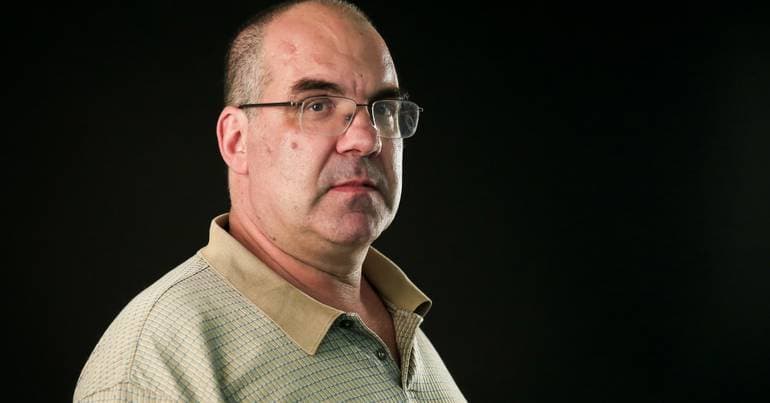
With 'Olga Saves the World', Rui Zink returns to the novel with the irony and avidity that characterise him. Following the spirit of the times, he addresses algorithmic dehumanisation and the blind profit extracted from it by the 'neo-gods of chaos', the owners of tech companies, for whom 'destroying is easier (and often more fun) than building'.

An exploration of the work and sporadic publishing habits of poet José Carlos de Vasconcelos, whose latest book, 'Os Sete Sentidos e Outros Lugares', reflects a lifetime of meticulous editing and long-term revision. The article also features brief reviews of 'Toda a Beleza do Mundo' by Patrick Bringley and 'As Vidas de Um Filósofo' by José Jorge Letria.
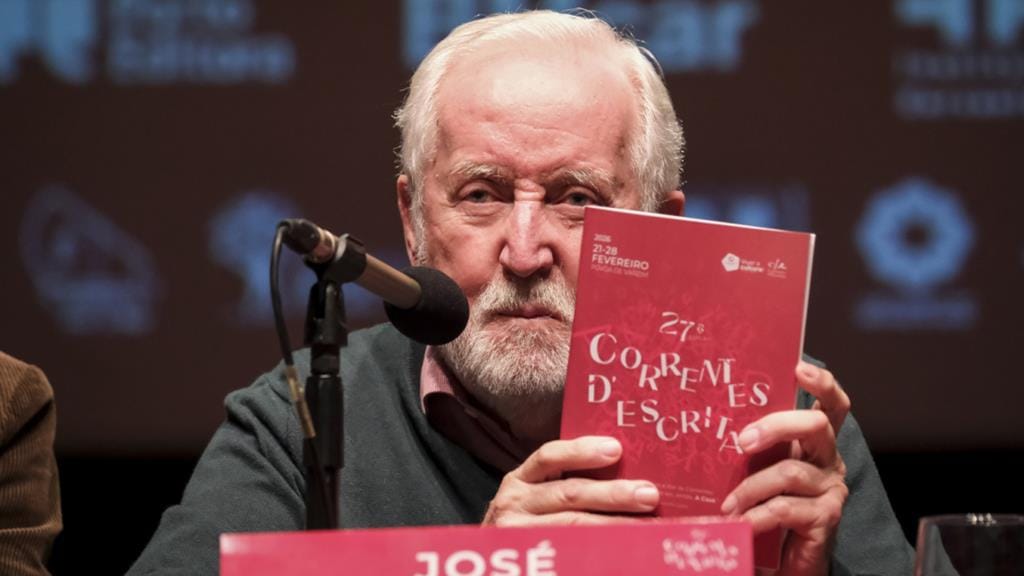
The Portuguese author was invited by the Extremadura Writers' Association.
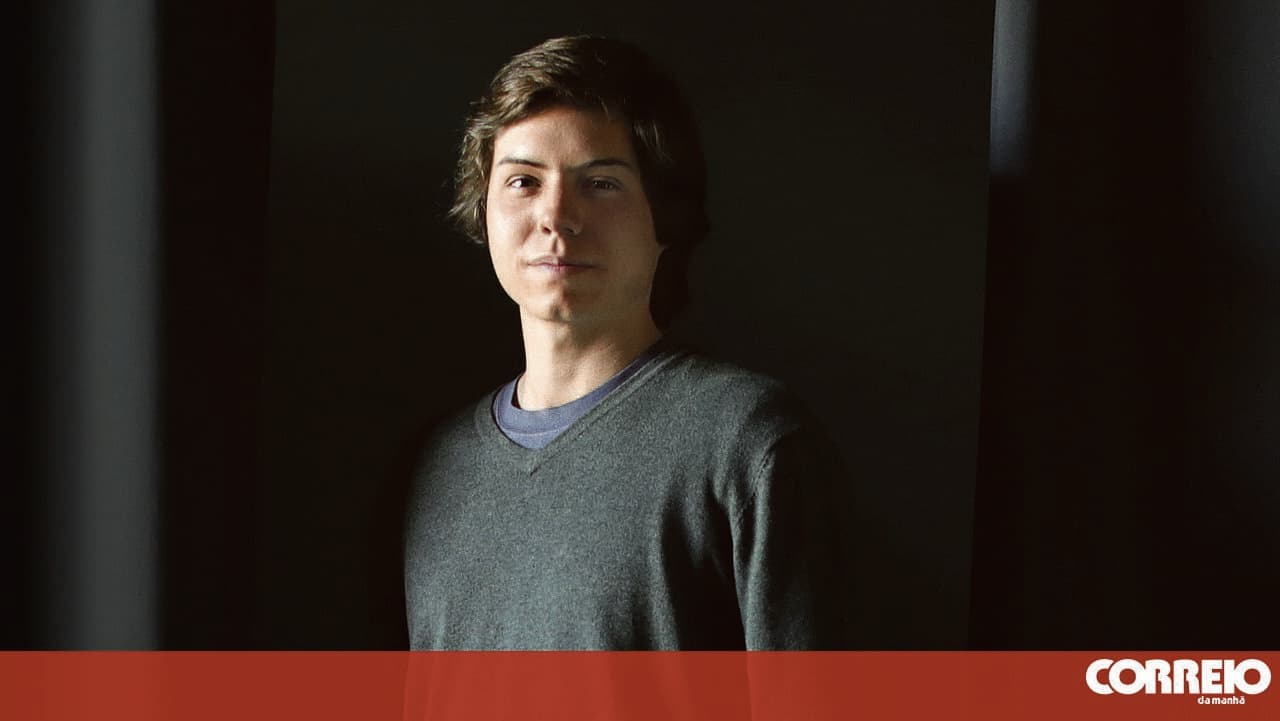
Nine years after his last novel, and already on the path to what he thought would be a literary retirement, he returns with a work of fiction that turns the turbulent times we live in into material for laughter and reflection.

Seven women and their stories, freed from abusive and biased considerations and biographies. This is the theme of “Vénus em Chamas” by Pedro Vieira, featuring facts intertwined with fiction and writing talent.
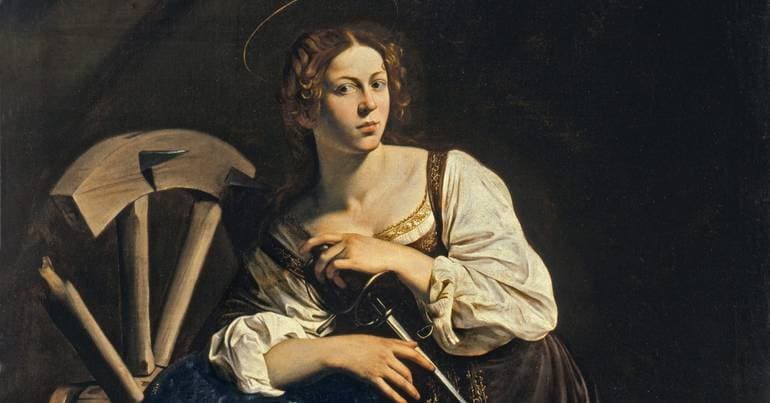
Many have been departing. Mário Zambujal was spared statements from the Ministry of Foreign Affairs. A column by Ana Cristina Leonardo.

From a literary residency in Berlin, Miguel Cardoso wrote 'Passageiros', a book that reinforces the uniqueness of his perspective, between the circumstantial and the collective, memory and History.

With the book 'A Chuva que Lança a Areia do Saara' (The Rain that Throws the Sahara Sand), the author won the 2025 prize, which will be presented to her at the Quinta das Lágrimas in Coimbra. J. Rentes de Carvalho won the Tribute of Consecration Prize.

Writer Ana Margarida de Carvalho is the winner of the 19th edition of the Inês de Castro Foundation Literary Prize, while Rentes de Carvalho was distinguished with the Tribute of Consecration award, the organization announced today.

The reader of Camilo (1825-1890) has plenty to choose from: an endless list of novellas, novels, serials, episodes, short stories, diatribes, memoirs, and the list is only halfway through.
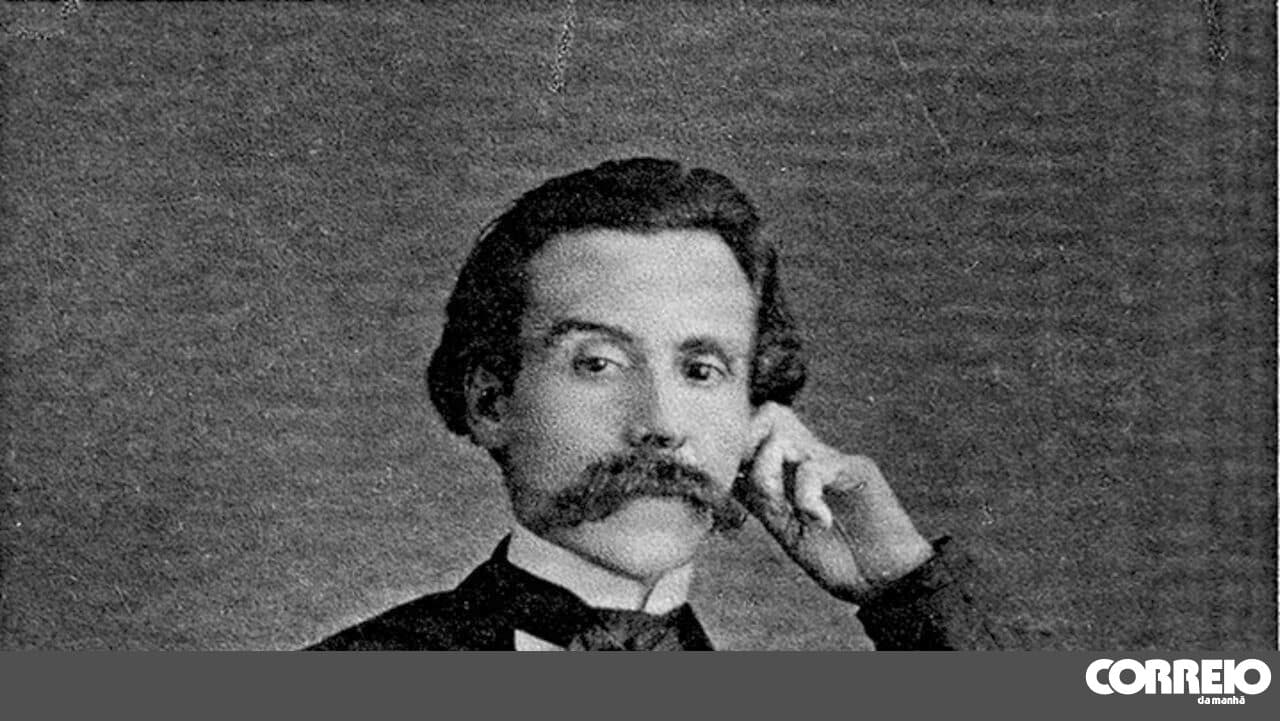
“The news spreads that you died last night.” This is how Dulce Maria Cardoso begins a text about the loss of António Lobo Antunes on Thursday, March 5th. The news spread and the country was filled with the echoes of the words they heard from him, he for whom we are all “conch shells that no echo inhabits.”

Following the passing of one of the greatest contemporary Portuguese writers at the age of 83, Jorge Reis-Sá recalls his friendship with “the gentlest and most ferocious of beings,” from whom he learned that “there is no such thing as talent, only stubborn oxen,” and that “only obsession can save a novel.”

The writer had turned 90 at the beginning of the month, leading to the commemorative reissue of some of his most celebrated works, such as 'Dama de Espadas' and 'Crónica dos Bons Malandros'.

António Lobo Antunes: the Nobel did not come, but the greatness of his work remains.

“O Lugar da Incerteza” by Patrícia Reis enters the world of mental health, exploring the lives that fill a psychiatrist's work and his own.

I. Requiem: A reflection on the literary legacy of António Lobo Antunes, comparing his torrential writing style to authors like Faulkner and Céline, and a personal tribute to their friendship. II. Tragicomedy: An analysis of the unexpected appointment of Melania Trump to preside over a UN Security Council session, questioning the motives behind the decision. III. Twilight of reason: A philosophical commentary on the rise of sectarianism, fetishism, and intolerance in the modern world, questioning whether we are witnessing the decline of rational thought.

“It is a pity he did not win the Nobel Prize”, says João Céu e Silva, author of “A long journey with António Lobo Antunes”, whom he revisited 2 years ago, already suffering from dementia. “He seduced me, as he did all women”.

The 46-year-old writer makes a confession about his physical changes.
