PS suspends member suspected of 'Molotov cocktail' attack at the March for Life
The National Secretariat ordered the preventive suspension of the suspect, who has been a member of the PS since 2024.

Latest news and stories about political violence in Portugal for expats and residents.
The National Secretariat ordered the preventive suspension of the suspect, who has been a member of the PS since 2024.
Democracy is a fiduciary regime: it lives on the trust that voters place in its institutions and leadership. Therefore, preserving the credibility of the rules is vital to the health of any rule of law. For the health of our own, last week's attack on André Ventura's office is critical: I do not recall...

A growing part of contemporary political violence no longer depends exclusively on hierarchical structures or direct orders. It depends on something more diffuse: environments.

The party states it does not condone any form of violence and that, if the acts are confirmed, the man could be expelled from the party. The suspect threw an incendiary object at participants of the 'March for Life'.

If the facts are confirmed, the member could face expulsion

The rise of woke hate speech against pro-life advocates is now renewing and increasing the risks associated with far-left violence here as well.

During the 'March for Life', an individual threw a Molotov cocktail at protesters. What is the meaning behind the haste to frame, minimise, and psychologise the violence?

The author argues that the attack on the March for Life is a dangerous escalation of political violence. By drawing parallels to the Weimar Republic, the text warns that normalizing the intimidation and humiliation of political opponents erodes the rule of law and democratic stability. It concludes that such acts of political terror must be punished to prevent the further radicalization of society and the collapse of democratic coexistence.

Political violence has no noble side; it is always repugnant, anti-democratic, and worthy of condemnation. The author argues that a significant portion of the media and political commentators treat far-left violence with an unsettling indulgence, as if it were more tolerable when committed in the name of 'noble' causes. Citing the Europol TE-SAT 2025 report, the text highlights that left-wing and anarchist violence remains a concrete threat in Europe, comparable to other forms of extremism, and criticizes the double standards that grant a 'moral discount' to violence from the far-left.

The article argues that recent acts of violence and sabotage by far-left and anarchist groups across Europe and the US are not isolated incidents but a growing trend. Citing Europol data, the author highlights that far-left terrorism has significantly outpaced far-right terrorism in recent years. The text suggests that these groups, often lacking democratic representation, resort to violence when faced with electoral failures and the rise of right-wing political movements, mirroring the dynamics of the third wave of international terrorism seen between the 1960s and 1980s.

It is complicated to downplay the villainy of the far-right when, apparently, they commit very few, and one has a hard time finding even one.

The launching of explosive devices can always mark the beginning of a career. One only needs to remember some of those from the FP-25 who later ended up on municipal lists for the PS or the Left Bloc.
The attack that took place last Saturday during a Pro-Life demonstration is a worrying sign of the state of public debate in Portugal. Regardless of ideological convictions, violence can never be tolerated as a tool for political intervention. When citizens gather peacefully to express a position, it is the State's duty to ensure their safety without ambiguity. The Minister of Internal Administration's statements sought to convey calm, stressing that authorities are investigating the incident and that there will be no complacency regarding such acts. Even so, there was a sense of hesitation in the clear and unequivocal political condemnation of the attack, as if the ideological context of the targets could relativize the gravity of the facts. It cannot. And the fact that the aggressor was released is also a cause for perplexity. Party reactions also revealed a familiar pattern: firm condemnations from one side, embarrassed silence or overly cautious statements from the other. This asymmetry weakens the democratic space. Political violence must be repudiated with equal vehemence, regardless of who the victims are or what causes are being debated. This episode raises essential questions about the authority of the State, the neutrality of institutions, and the growing intolerance in the public sphere. It is not just an isolated case, but a symptom of an environment where pluralism is increasingly difficult to exercise without fear. Over decades, Portugal has built a democracy based on freedom of expression and coexistence between differences. Allowing this foundation to erode, whether by action or omission, paves the way for a radicalization that serves no one. Combating political violence requires firmness, consistency, and, above all, the political courage to affirm principles, even when they are uncomfortable in the eyes of some.

Paulo Raimundo rejected actions that “do not contribute to an alternative for the country”. The incident, attributed to anarchists, involved participants being struck with a flammable liquid.
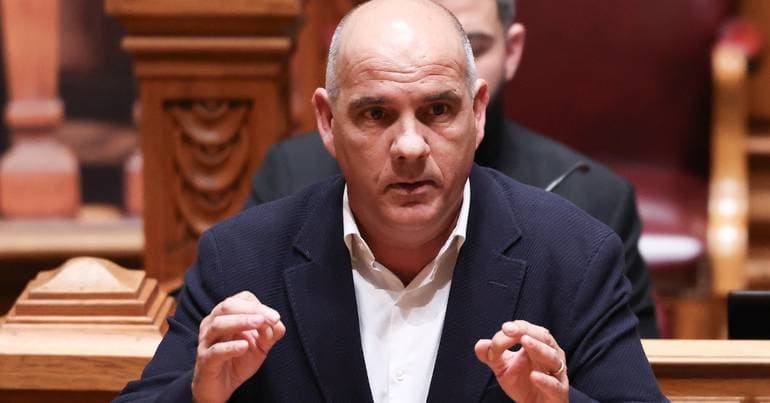
The incident is “equally condemnable” whether one agrees or disagrees, said the party's founder. An incendiary object was thrown at anti-abortion protesters in Lisbon.
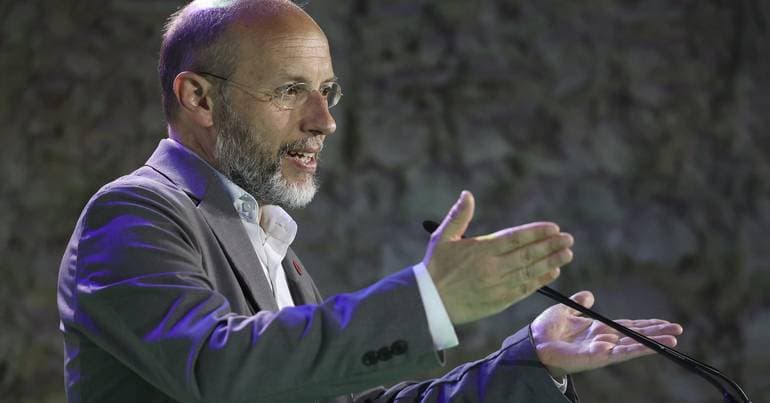
“Fortunately” there were no injuries from the “incendiary object thrown” during the “March for Life”, “but the action demands a clear condemnation”, says José Manuel Pureza, national coordinator of the BE.
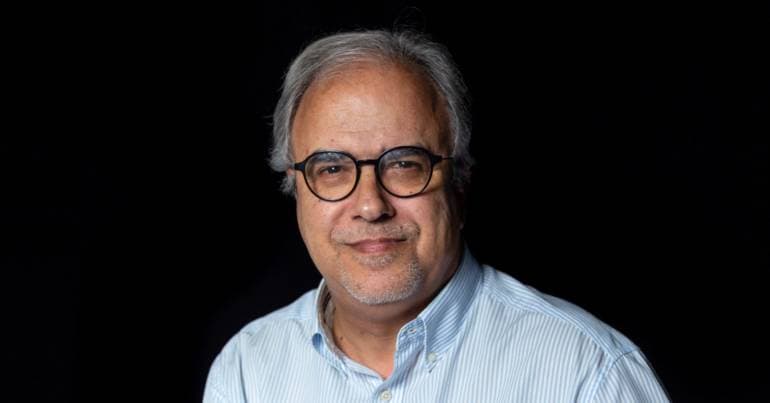
The PSD has already requested an urgent parliamentary hearing with the Minister of Internal Administration, Luís Neves, to “establish the facts” regarding the incident.
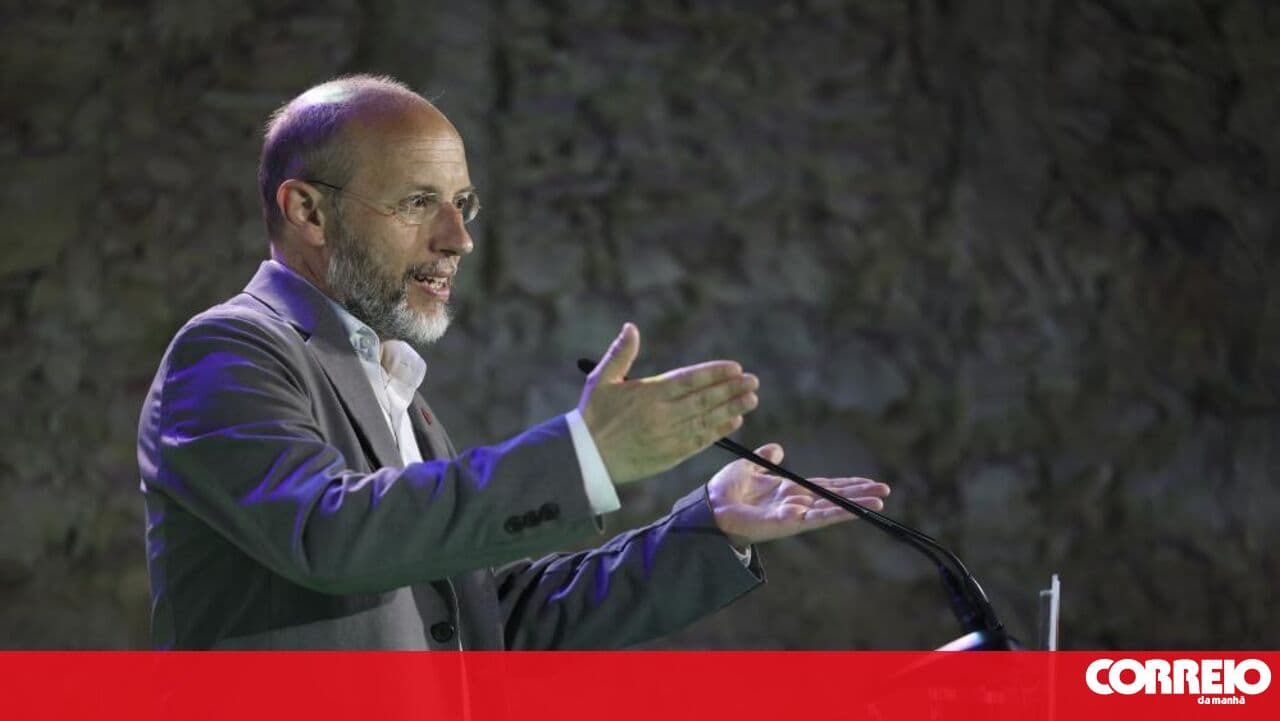
The “March for Life” ended with an incident, with no injuries reported, in which a person threw an incendiary object, similar to a Molotov cocktail.
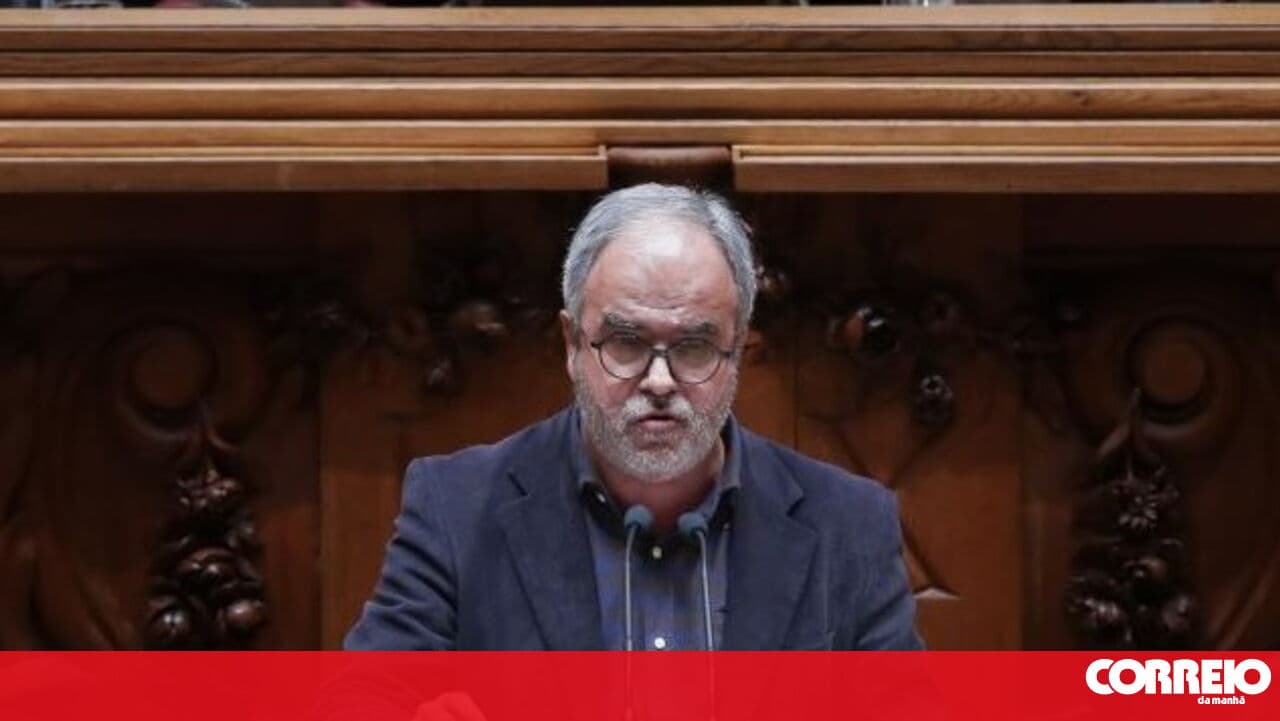
Mariana Leitão considered the “type of extremist violence” that threatened the physical integrity of 500 people participating in the anti-abortion demonstration to be “reprehensible and unacceptable.”
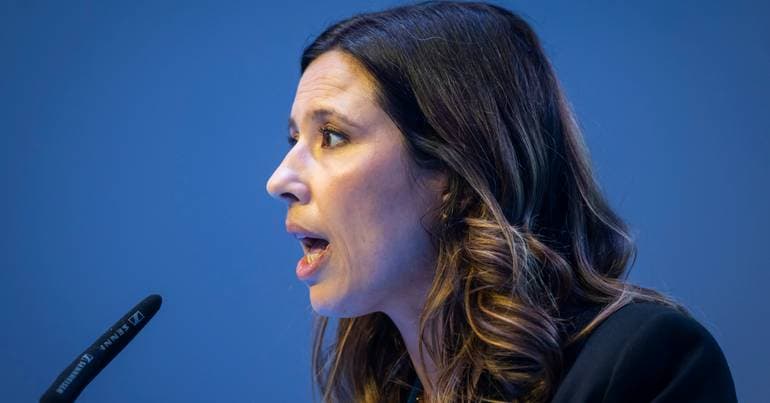
The March for Life, held on Saturday afternoon in the centre of Lisbon, ended with an incident, resulting in no injuries, in which a person threw an incendiary object, similar to a Molotov cocktail.

PSD blames the “degradation and radicalisation” of political debate for the attack by a man wielding a Molotov cocktail. Flammable liquid splashed several people, but there were no injuries.
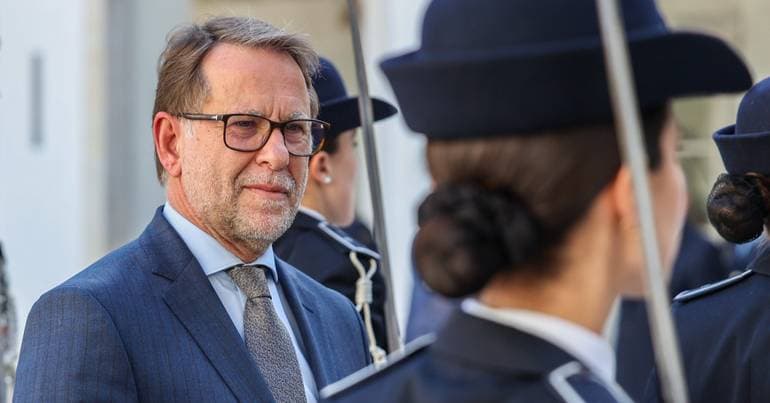
The CDS-PP parliamentary group is calling for the Assembly of the Republic to “vehemently condemn the extremist and criminal attack against families, children, and babies” that occurred during the March for Life on Saturday evening, when a man threw a Molotov cocktail at protesters near the Assembly. In a draft vote submitted on Monday, the centrist deputies also seek to reaffirm the State's commitment to protecting life, freedom of expression, and conscience, while praising the swift intervention of security forces and the public, which prevented more serious consequences. The party highlights that the gasoline from the unlit device covered infants and families, labeling the act as intolerable political radicalism that must be condemned by all democratic institutions.
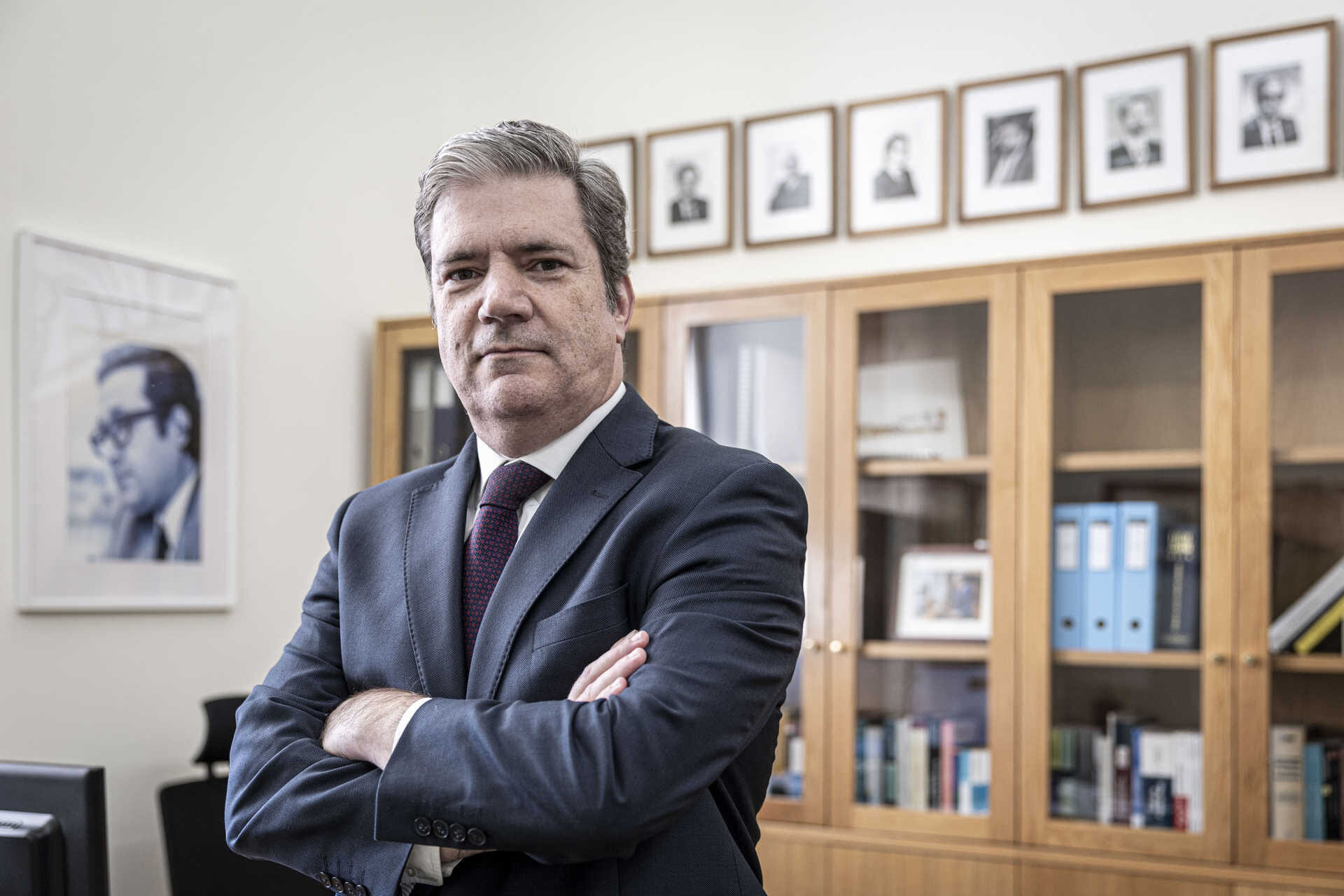
'I'm surprised you're still alive or in good health.' Group 1143 again made death threats against Renata Cambra even after the arrests carried out in the wake of Operation Irmandade.
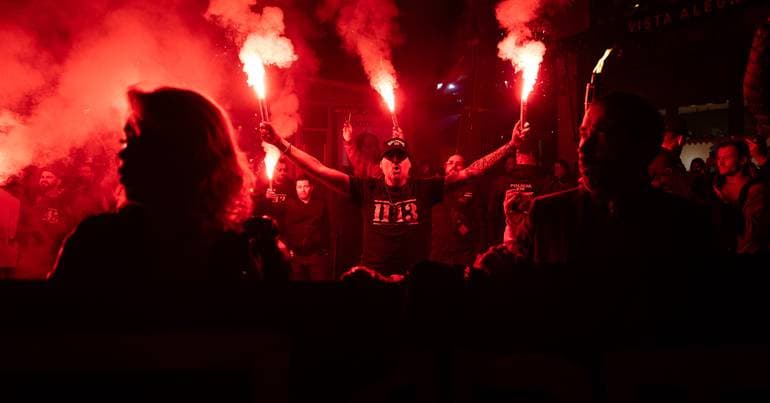
Renata Cambra, the woman whose actions led to Mário Machado's arrest, was targeted with fresh death and rape threats by members of the neo‑Nazi group.

Luís Neves warned that all 'crimes of a politically motivated nature' will be dealt with.
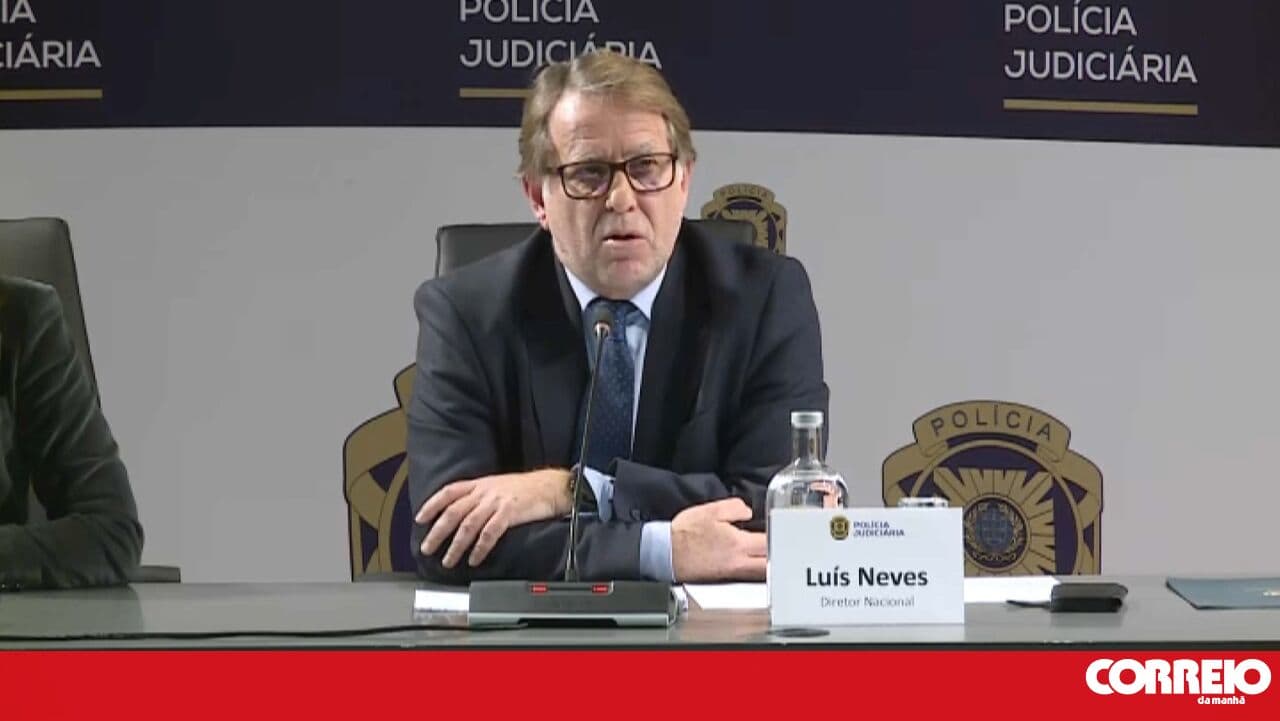
Luís Neves warned that all 'crimes of a politically motivated nature' will be met with a response.
The alleged attacker is said to be a former combatant. He was restrained by the PSP and Ventura's security. He says he did not intend to cause harm.