The centre and the centrists: increasingly eccentric
In a radicalised society, where emotions are worth more than reason (which, besides not existing, is oppressive), balance can only mean bad faith or stupidity, as common sense is a contradiction.

Latest news and stories about political polarization in Portugal for expats and residents.
This page has only 1 story and is not indexed by search engines.
In a radicalised society, where emotions are worth more than reason (which, besides not existing, is oppressive), balance can only mean bad faith or stupidity, as common sense is a contradiction.

In the presidential run-off, André Ventura and António José Seguro represent two opposing visions of the President's role and of the relationship between political power and citizens.

No one tells Ventura that what he does is comparable to what anti-Semitic governments did to the Jews. The fear of alienating Chega's electorate will lead us all to moral decline. Column by Ana Sá Lopes

Even without enthusiasm, the choice becomes clear. On the one hand, an option that offers guarantees of moderation; on the other, a project based on radicalisation.

One of the side effects of society's prolonged exposure to extremist phenomena is normalisation. After a while nothing shocks us any more; everything becomes relative and there is always a good explanation, a context, some event in history that helps frame what is happening today. As if the world, after all, neither leapt nor progressed, but were condemned to a kind of perpetual sentence — that of moral misery.
The choice could determine whether we maintain our commitment to the constitutional framework of a democratic Rule of Law, or whether we begin a drift towards models with greater concentration and personalisation of power.

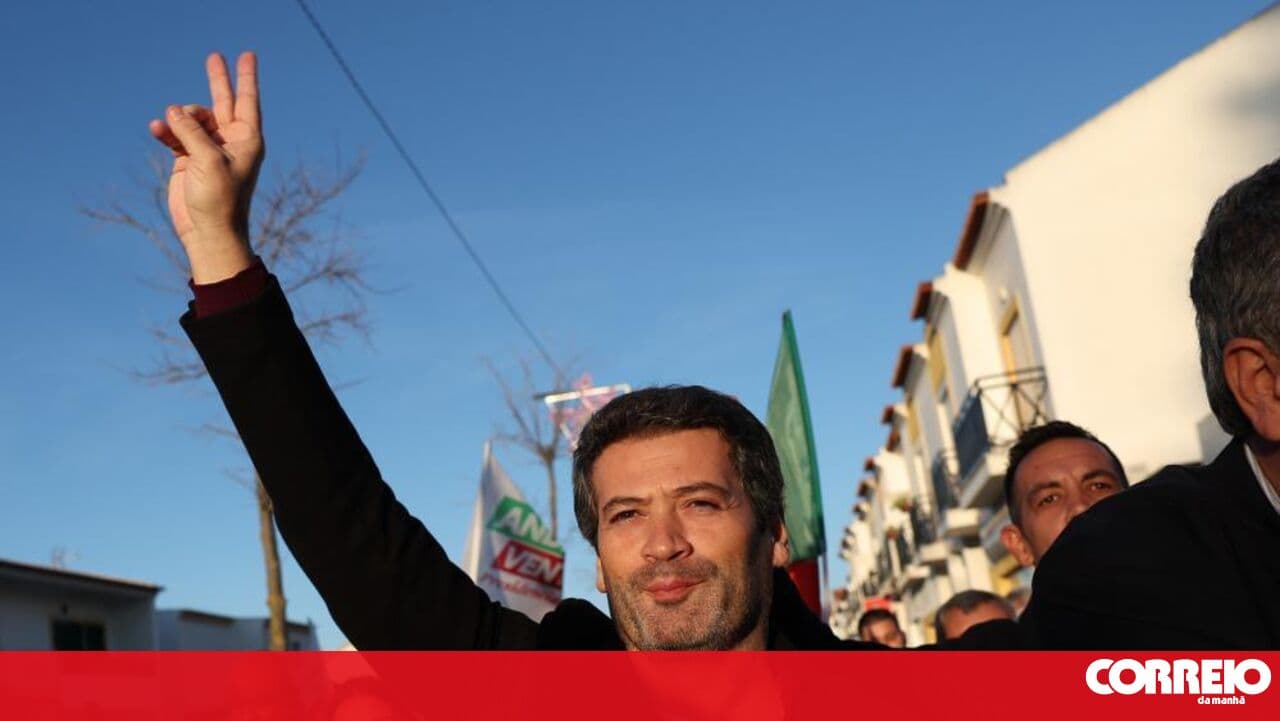
The candidate backed by Chega held a street campaign in Caldas da Rainha and criticised Seguro's strategy of not answering his challenges and pretending to be 'dead'.

In more than 50 years of democracy in Portugal, a presidential run-off is being held for only the second time. António José Seguro and André Ventura are the protagonists and the race is closely fought. Is everything already decided, or will abstention throw the country’s future into doubt? Get ready for this historic run-off with the 'Expresso da Meia-Noite' podcast.

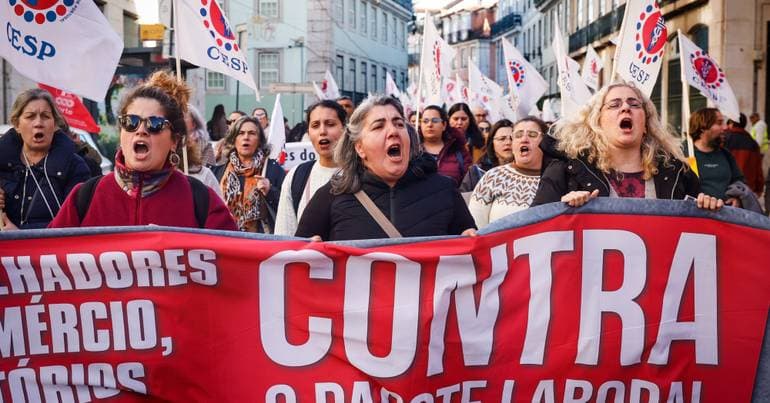
The trade union centre criticised the influential role of opinion polls in voters' decision-making, denouncing a campaign focused on 'side issues'. CGTP calls for the population to unite against the rise of André Ventura.

Ventura will be two things: opposed to the left and opposed to the Government. Seguro will want to show that, with his moderation, when he says he will be 'President of all the Portuguese' that includes the rival personally — but not what he stands for.

Coverage of competing readings of the second round: some actors present it as a chance to 'regenerate democracy', while others see it as an opportunity to 'redefine the right', exposing deep political divisions and contrasting strategic narratives.
CNN Portugal commentator Pedro Costa analyses the strategy adopted by Luís Montenegro in the aftermath of election night, which gives André Ventura 'what he most wanted': an 'opportunity to polarise between the far right and the left'.

Populist leaders divert attention away from institutional failures and consolidate power by exploiting social divisions. In doing so, they risk repeating a past marked by repression and persecution. Opinion by Marina Pereira Guimarães

Cotrim and Montenegro abstain from choosing between Seguro and Ventura. Seguro appeals to the 'humanists' to defeat the 'extremism that sows hatred'. Ventura wants to 'unite the right' and links Seguro to Sócrates.

André Ventura uses disinformation “to create chaos and informational disorder in society and to manipulate the electorate”.

How the logic of extremes is eroding democratic debate.

Social media are the breeding ground, but there is a relationship of dependence between the media and the leader of Chega that helps explain the politician’s success as much as it helps explain the deterioration of debate in democracies. Ventura, who appears to his voters as the only person who speaks the truths that must be told, lies with alarming ease, manipulates without any burden on his conscience, and defends freedom of expression only for himself.