Education as an example
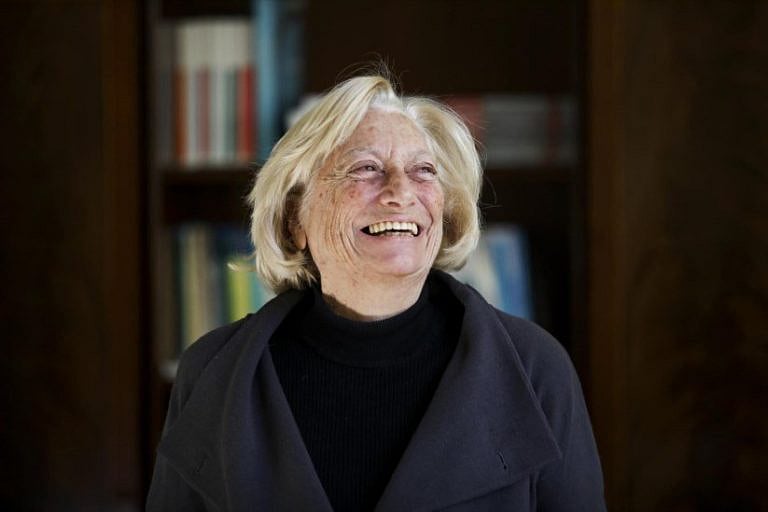
Maria Emília Brederode Santos is a benchmark in contemporary Portuguese pedagogy. Her example leaves an indelible mark on the path we have travelled over fifty years of democracy. The progress achieved is due to the precise understanding that the best learning stems from the idea that human development occurs through a dialogue between high standards and an understanding of a complex and diverse society, which is not built with magic gestures and illusions, but with work and creativity. We have achieved enviable results in schooling and in the drastic reduction of dropout and failure rates, but with 12 years of compulsory education, there is still a long way to go in terms of rigour, quality, and hard work. More than rejoicing, it is important to make the sense of responsibility clear. In our last conversations, very recently, I felt in Maria Emília the same enthusiasm and determination as always, fighting indifference and fatalism. When speaking of education, we can never consider the work finished. We refer to imperfect chapels and the obligation to go further. In the various responsibilities she assumed, she always started from the premise that nothing is achieved without sharing, without team spirit, and without a great capacity to listen to others and to pool ideas and projects. With a constantly renewed spirit, she recalled her experience with Sesame Street with enthusiasm. Several generations were shaped by that generous and restless spirit, capable of understanding the power of imagination and the ability to grasp uncertainty in an unpredictable and disconcerting world. As she always taught, it is essential that educators and teachers deeply understand what the acts of writing and reading consist of, know how comprehension develops in a child or young person, the phonetic system of the Portuguese language, and the characteristics of alphabetic writing, but it is also urgent to learn to love reading, to listen to and memorise poems and texts, in addition to the curiosity to discover new things, particularly in the mysterious world of science or the arts. And if I speak of educators and teachers, I refer to their training, evaluation, and the recognition of the dignity of the profession. Learning democratic citizenship must be done by linking example and responsibility in the smallest details of life. The extraordinary sowing that is the art of educating was for Maria Emília a true passion, which was embodied in the Greek ideas of scholè and paideia, as places of full availability to discover and ask questions, and as meeting points to learn to know, learn to do, learn to live with others, and learn to be. The memory of Maria Emília Brederode Santos brings to mind her father, Nuno Rodrigues dos Santos, a democrat of the old school, whom I knew well and who was one of the founding fathers of our constitutional regime. But two unforgettable friends also deserve heartfelt remembrance: José Medeiros Ferreira, a wise architect of democracy, and Nuno Brederode Santos, who combined the ability to exercise citizenship with the quality of an inexhaustible chronicler, due to his humour and critical voracity. In that unique family, Maria Emília is the living evidence that memory is built with the determination of those who are always available to affirm human dignity through a generous willingness to learn.