Paleontology news in Portugal
Latest news and stories about paleontology in Portugal for expats and residents.


A new study details the presence of giant bears in Portugal during the Pleistocene epoch, outlining their evolutionary path and eventual extinction.

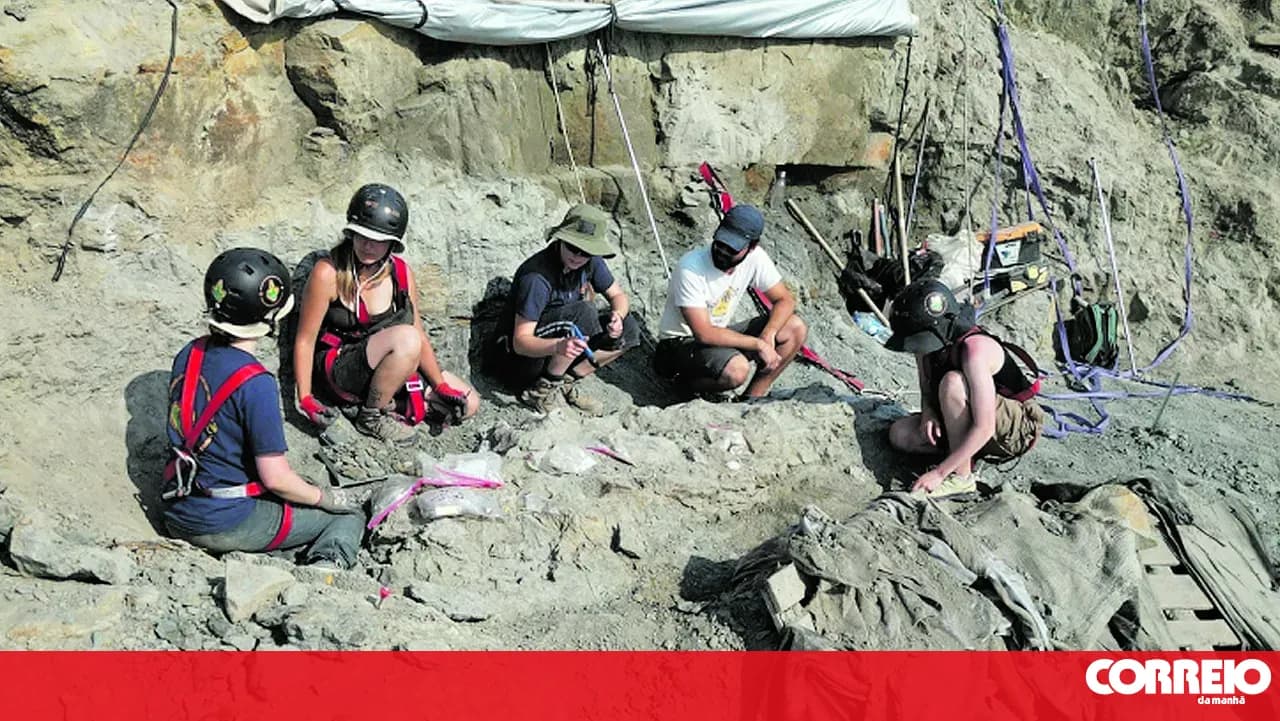
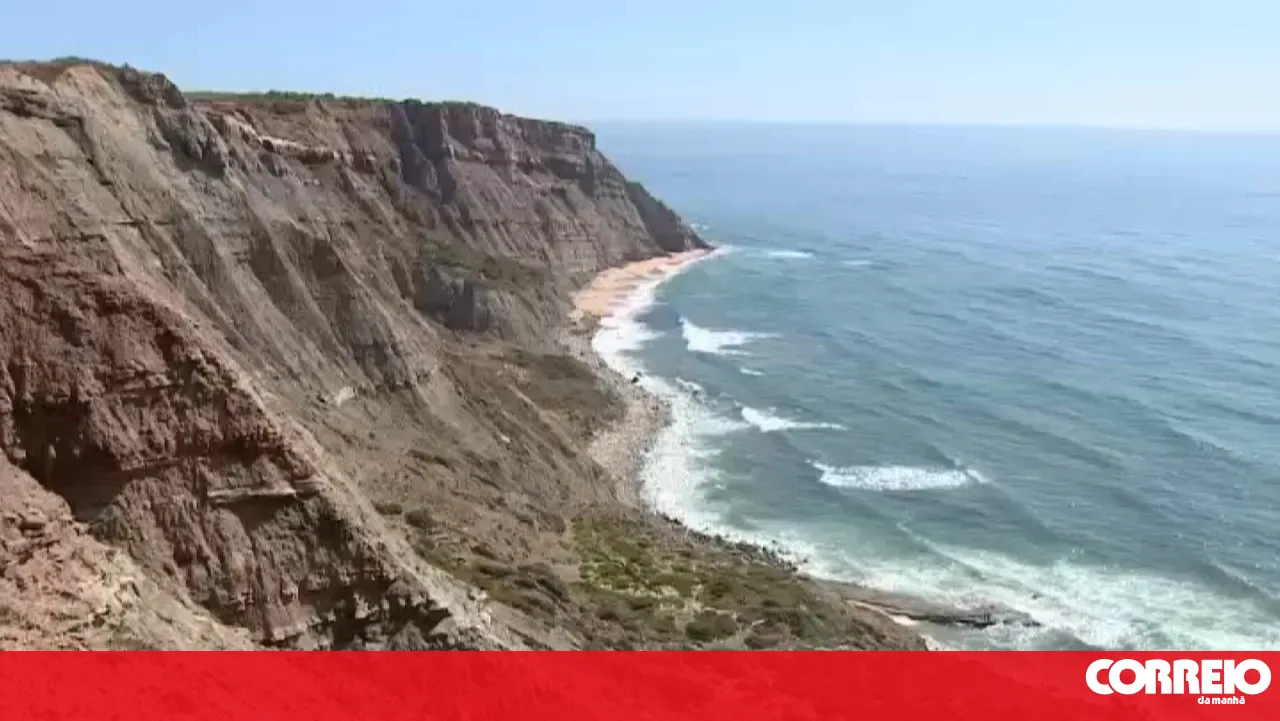
Since June, a team has been conducting excavations on the cliffs of the Torres Vedras municipality, surrounding what could be the most complete dinosaur ever found in Portugal.


Bony plates, spikes, and a nearly complete skeleton are emerging from the cliffs of Torres Vedras in what could be a rare discovery in European paleontology. The fossil, attributed to a Late Jurassic ankylosaur, is in an exceptional state of preservation. The team of paleontologists believes the find could be the most complete dinosaur discovered to date in Portugal.
Archaeological work in the Torres Vedras region has uncovered the most well-preserved dinosaur specimen discovered to date in Portuguese territory.

A fossil discovered in Portugal shows evidence of a baby dinosaur that was partially consumed by a predator during the Late Jurassic period.


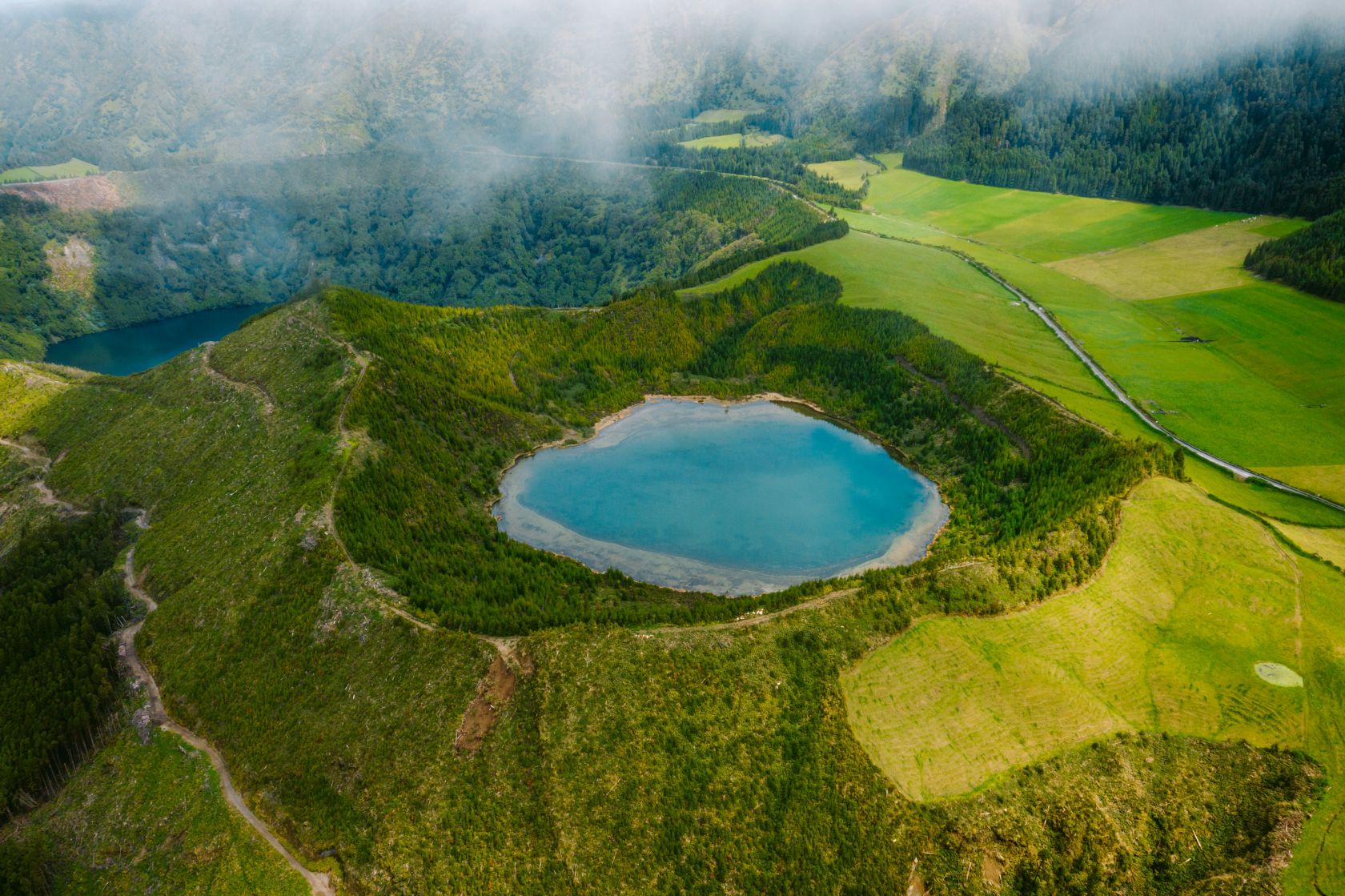
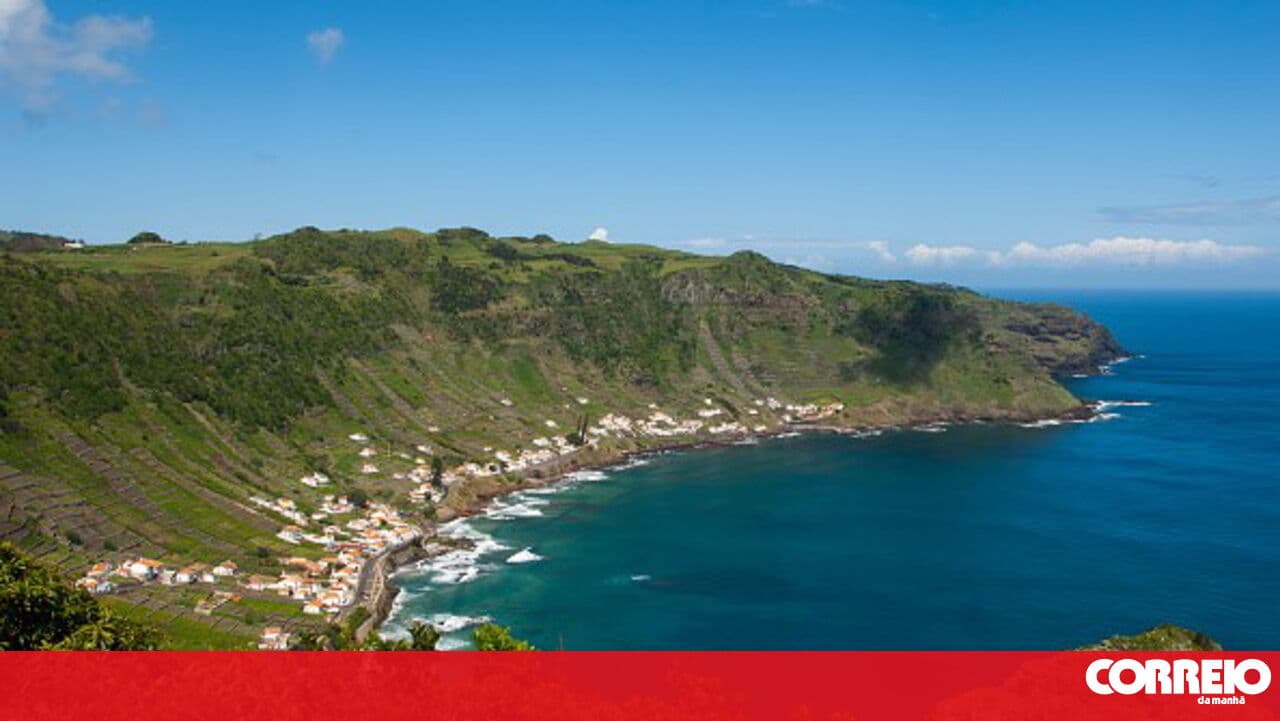
On the remaining four islands, only “a tooth or a piece of a vertebra” have been found.

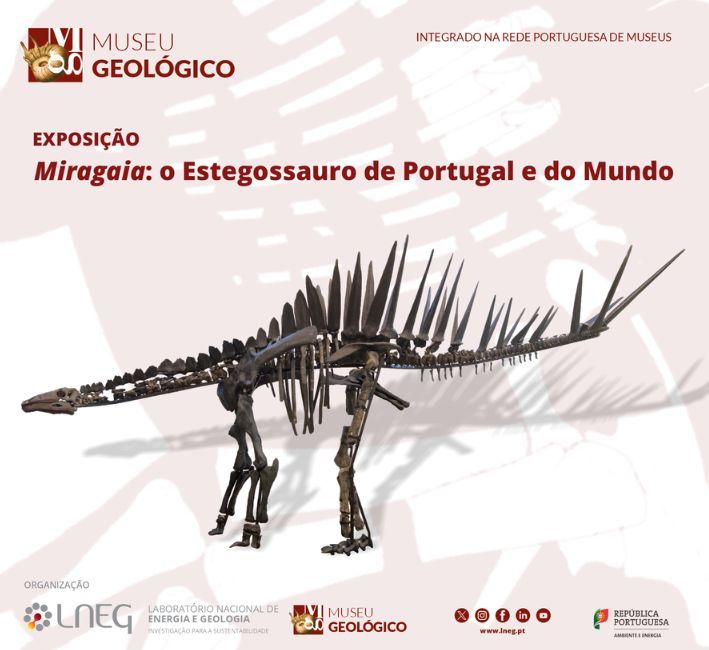
An overview of the Miragaia, a genus of stegosaurid dinosaur discovered in Portugal, highlighting its global significance in paleontology.

Researchers have identified a previously unknown plant species from a fossil discovered in Portugal, dating back 300 million years.

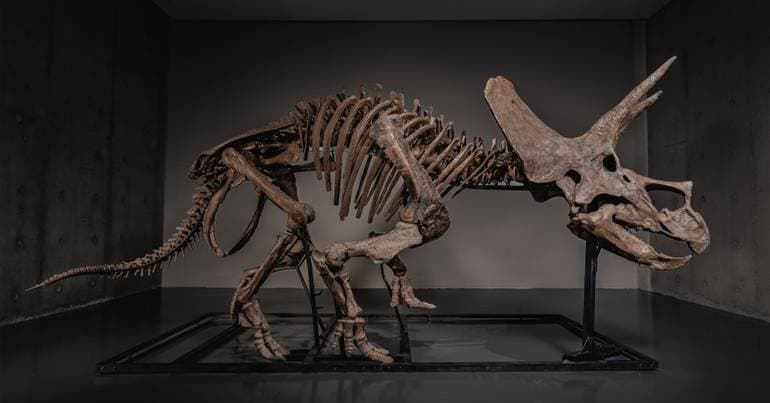
Trey was on public display for 30 years and was seen by over a million people. Now, it has become the first triceratops to be sold at auction after such a long time in a collection.

A tuna vertebra dating back approximately 20 million years has been discovered in Portugal; it is the first time a find of this significance has been located on the European side of the Atlantic. The vertebra was discovered in the Cape Espichel region, where the bones of a new dinosaur species were also found.