

How healthy is oats really?
🏖️ Daily Life#nutrition+1 more
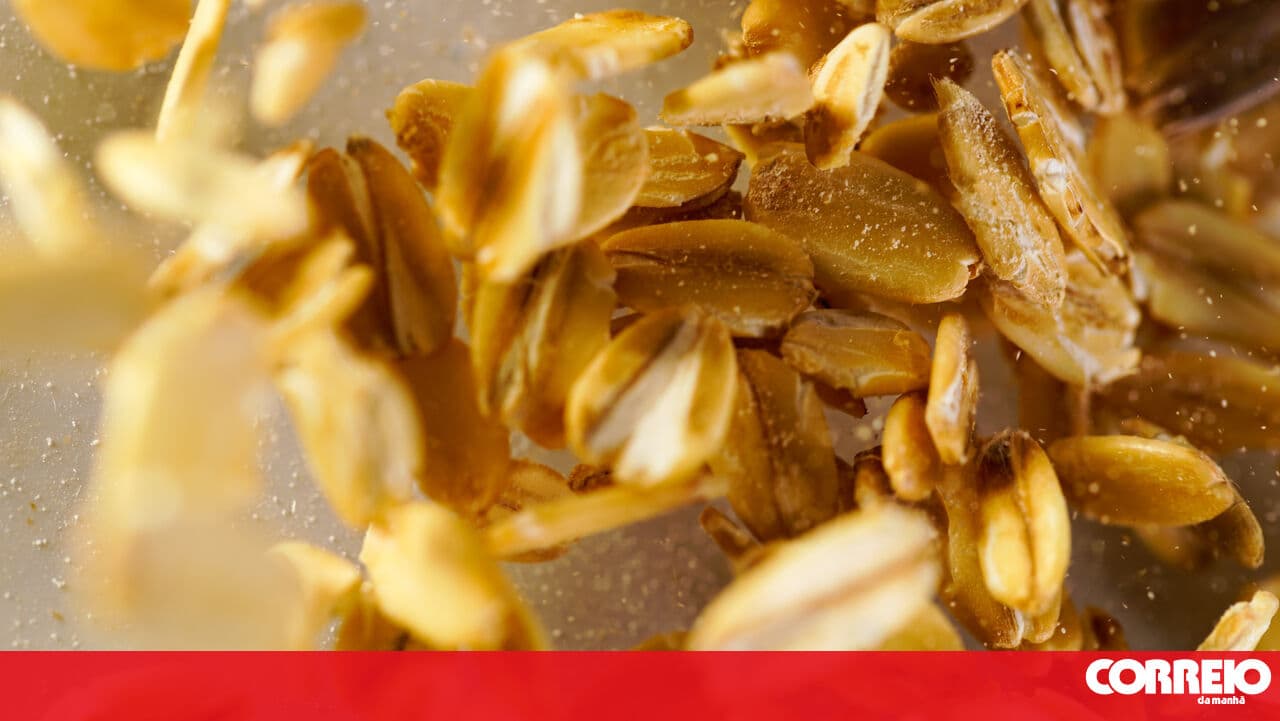
The short answer would be: quite healthy. The more interesting answer is: it depends on the oats, the person, the quantity and, above all, what you put on top.
Latest news and stories about nutrition in Portugal for expats and residents.
The short answer would be: quite healthy. The more interesting answer is: it depends on the oats, the person, the quantity and, above all, what you put on top.
The fat in some foods can hide pollutants that accumulate in the body over the years. Nutritionist Mariana Chaves explains the 3 Ps to reduce exposure through simple and practical choices.

It is everywhere: on social media, in diet plans, and in “healthy” routines. A glass of warm water with lemon first thing in the morning. Does it really make a difference, or is it more marketing than science?

When a person feels that their bowel movements are less regular, they immediately think of dried fruit. Nutritionist Mariana Chaves explains what works best and how to use it in practice, without myths or exaggerations.
During pregnancy, going many hours without eating is not a good idea. Fasting can affect both the mother and the baby. Nutritionist Mariana Chaves explains why.
A flexitarian diet, richer in vegetables, would save thousands of lives in Portugal, argues Marco Springmann. 'It makes no sense to serve beef in public canteens,' he warns.

Do you go to the fridge when you are not hungry? Do you eat after a difficult day? It might not be a physical need. Emotional hunger is common — and understanding the difference can change your relationship with food.
In addition to age, gender, weight, physical activity levels, and medical condition can influence which nutrients we should prioritize in our diet.

Managing weight, consuming more vegetables, fruit, and whole grains, choosing unsaturated fats, and avoiding ultra-processed foods are among the new guidelines to reduce cardiovascular risk.

At a time when neurological diseases are on the rise, it is worth asking: are there vitamins that science associates more with brain health? Nutritionist Mariana Chaves explains.
Vitamins, magnesium, omega-3. There is no shortage of supplements. They promise a lot, but are they really necessary? When there are deficiencies, they can be essential. Without criteria, they can be useless or even harmful.
Under the motto “This way everyone eats better”, Continente is launching its new communication line through a multimedia campaign, in which it intends to reinforce its commitment to facilitating choices that lead to better nutrition. The motto will support the brand's communication throughout the year.

Nutritionist Filipa Costa warns about the high consumption of sweets and fats that characterise this time of year, but reminds us that “excesses are part of it”.
On Good Friday, put the burger aside and choose fish. Also discover what you can do regarding your diet after Easter, with nutritionist Mariana Chaves.
It is more present in our lives than we would like. Crystals that sweeten the palate but can bring many bitter consequences to our health. Hence the need to understand not which one is good, but rather which one is the 'least bad'.
Did you make a smoothie in the morning to drink later? Does it lose its nutritional qualities after a few hours? Nutritionist Mariana Chaves explains what changes and what tricks you can use.
Do you know that sardines are very beneficial but dislike the taste? There are worthy substitutes.
Do we know how to eat well or do we just think we do? A new study on food literacy reveals where we are failing. Nutritionist Mariana Chaves helps us understand what is at stake and what we still need to learn.
Natural yoghurt is losing its prominence.
After the obsession with protein, consumers - especially younger ones - are focused on gut health. The food industry is already adapting products to the new trend.
There is no single weight-control recipe that works for everyone. Opinion by Cláudia Maximino.

Bread is often on the table — but are we choosing the best one for our daily diet? Nutritionist Mariana Chaves explains the differences.
Are unconventional eating habits gaining popularity? Do they make sense? A nutritionist clarifies what is actually worth it.

On Father's Day, the author reflects on the critical role parents play in their children's health, highlighting the alarming rise of childhood obesity in Portugal. The piece argues that sedentary lifestyles and poor eating habits are being normalised, and urges parents to lead by example through physical activity and better nutrition, noting that children's future health is shaped by the decisions made today.

With less than €3 per meal, companies are resorting to ultra-processed foods and changing menus. For some students, the school lunch is the only hot meal of the day.

Study focuses on coffee pulp, a byproduct frequently discarded during bean production.
Did you know that it takes more than 10 bees to produce one gram of honey? So, even if it has therapeutic effects, don't act like Winnie the Pooh by putting this ingredient in everything.
There are alternatives, but they all cater to the same taste: sweet. Perhaps the real success lies in moving away from that.
Researcher Dalia Perelman points out five main characteristics that help explain why ultra-processed foods are linked to worse health outcomes.

There are more and more alternatives to classic yogurt, each with different functions — but what is the difference after all? Nutritionist Mariana Chaves explains.