

The Year of the Death of Ricardo Reis
🎭 Culture#nobel-prize+2 more
The truth is that the headline is a much more influential literary form than anachronisms like the novel, the epic, or the sonnet. A column by Rogério Casanova.
Público

Latest news and stories about nobel prize in Portugal for expats and residents.
The truth is that the headline is a much more influential literary form than anachronisms like the novel, the epic, or the sonnet. A column by Rogério Casanova.
Beyond complex terms like spatial epigenomics and oligodendrocytes, his primary concern is real-life impact. This professor is dedicated to studying how gene changes affect the nervous system, with a focus on treating multiple sclerosis. He has been elected as an associate member of the committee that will award this year's Nobel Prize in Medicine.

He is a neuroscientist at the Karolinska Institute, which awards the Nobel Prize in Physiology or Medicine, and is the only Portuguese person involved in the selection process for this Nobel. He hopes to discover therapies for multiple sclerosis.

There is a Portuguese man among the members elected to decide who will be the next Nobel laureate in Medicine. Gonçalo Castelo-Branco was chosen for the Nobel Committee and considers the selection a recognition of the research he has been developing.

The researcher, who has already been a member of the Nobel Assembly for three years, says he is “very happy” with the election, which he interprets as recognition of the work developed by his group in the field of glial cells.

The President of the Republic, António José Seguro, congratulated the Portuguese scientist Gonçalo Castelo-Branco today, who was chosen for the Nobel Committee for Physiology or Medicine, stating that the distinction “honours Portuguese science.”
António José Seguro considers the appointment of Gonçalo Castelo-Branco to be the “recognition of the scientific merit and academic excellence of the Portuguese researcher”.

António José Seguro considered that the distinction of Gonçalo Castelo-Branco “honours Portuguese science”.

The President of the Republic, António José Seguro, highlighted today the appointment of Gonçalo Castelo-Branco, a professor of Glial Cell Biology at the Karolinska Institute in Sweden, to the Nobel Committee for Medicine, stating that this distinction “honours Portuguese science”. The President congratulated the researcher on his election, noting that it recognises his scientific merit and academic excellence. The committee consists of five members and the secretary-general of the Nobel Assembly, serving three-year terms. Castelo-Branco, who holds both Portuguese and Swedish nationality, expressed his satisfaction with the election, viewing it as recognition of his ongoing research.

Gonçalo Castelo-Branco, professor of Glial Cell Biology at the Karolinska Institute in Stockholm, considers the appointment a “recognition of the research” he has been developing.
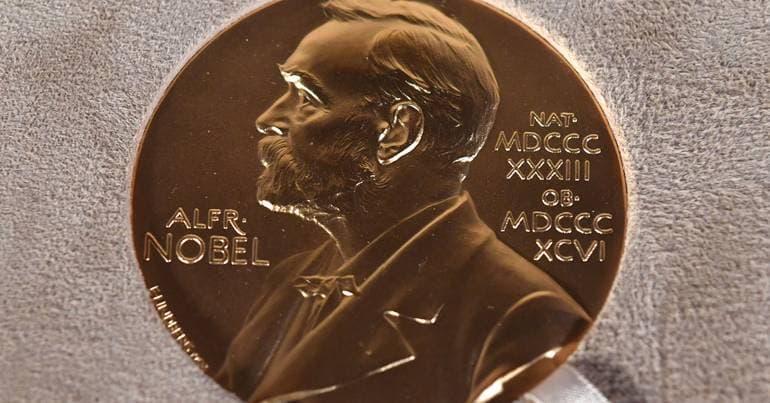
He holds both Portuguese and Swedish nationality, is currently a professor of Glial Cell Biology at the Karolinska Institute in Stockholm, and will join the Nobel Committee for Physiology or Medicine.

He is a professor of Glial Cell Biology at the Karolinska Institute in Stockholm, Sweden.
The Portuguese Gonçalo Castelo-Branco, a professor at the Karolinska Institute in Sweden, has been chosen for the Nobel Committee for Physiology or Medicine, according to information available on the award's website.

Gonçalo Castelo-Branco, a professor at the Karolinska Institute in Sweden, has been selected for the Nobel Committee for Physiology or Medicine, according to information available on the award's website.
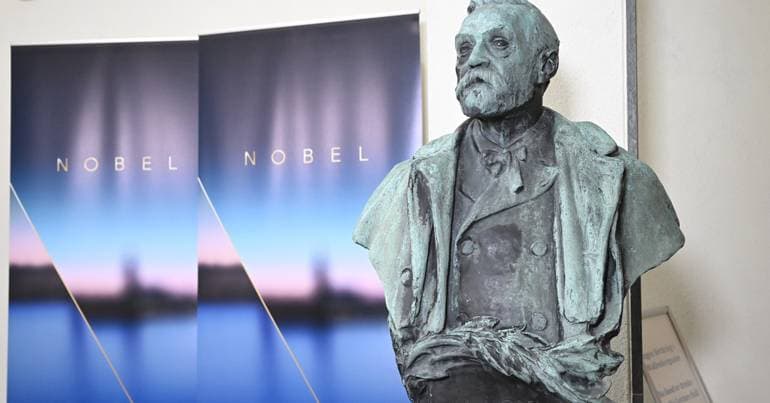
The article highlights the recognition of a Portuguese individual who has been chosen to join the Nobel Committee, emphasizing the honor it brings to Portuguese science and academia. It underscores the significance of this appointment for Portugal's scientific community and celebrates the country's contribution to global scientific excellence.

The article highlights the recognition of a Portuguese individual appointed to the Nobel Committee, emphasizing the honor brought to Portuguese science. It underscores the significance of this appointment for Portugal's scientific community and national pride.
The article highlights the recognition of a Portuguese individual appointed to the Nobel Committee, emphasizing the honor brought to Portuguese science. It underscores the significance of this appointment for Portugal's scientific community and national pride.