Decentralisation
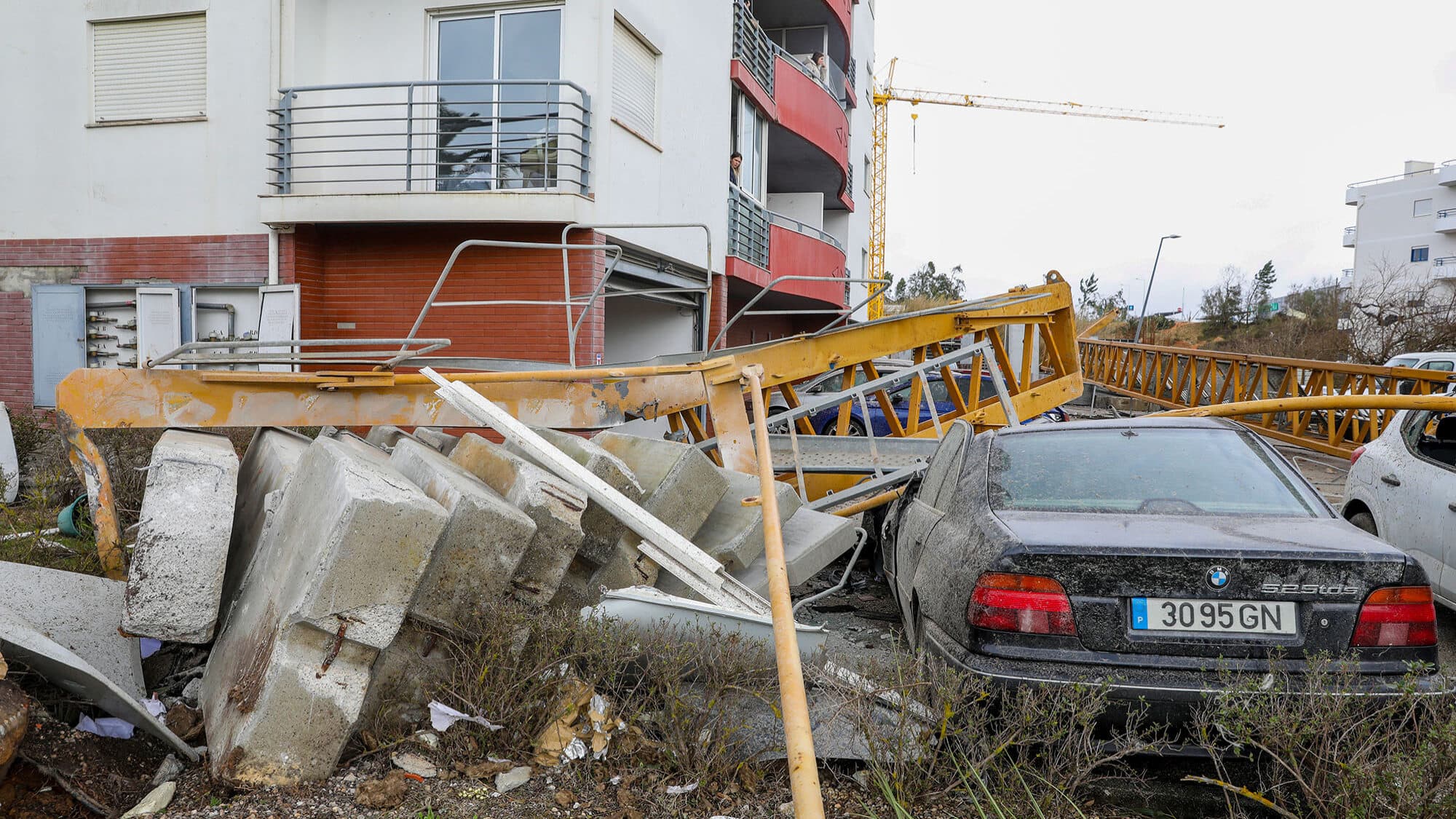
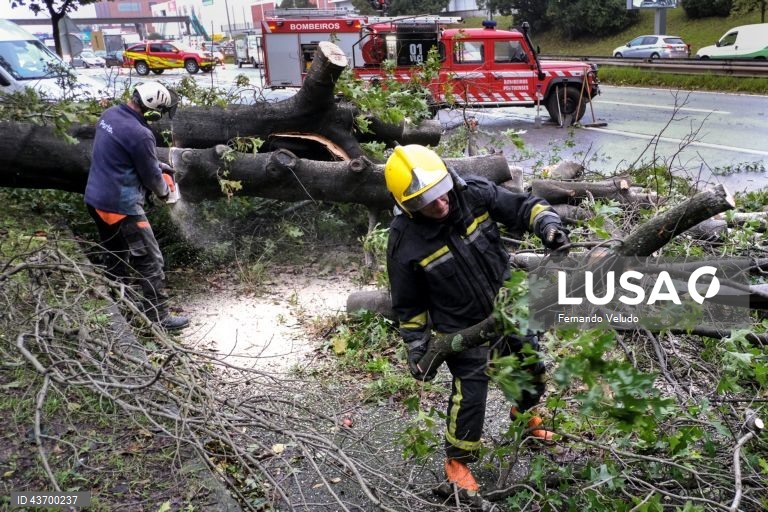
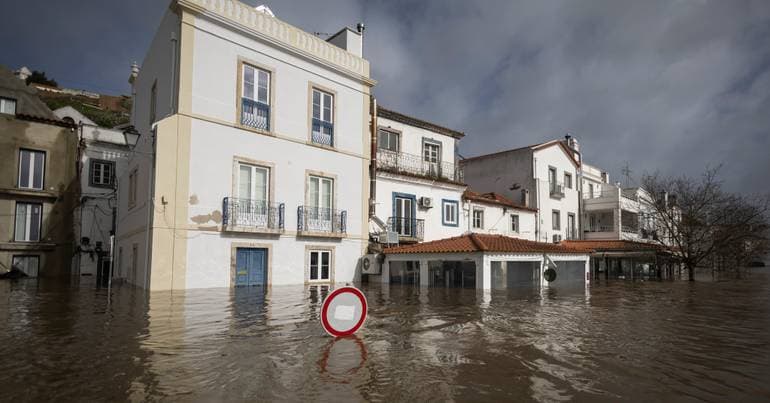
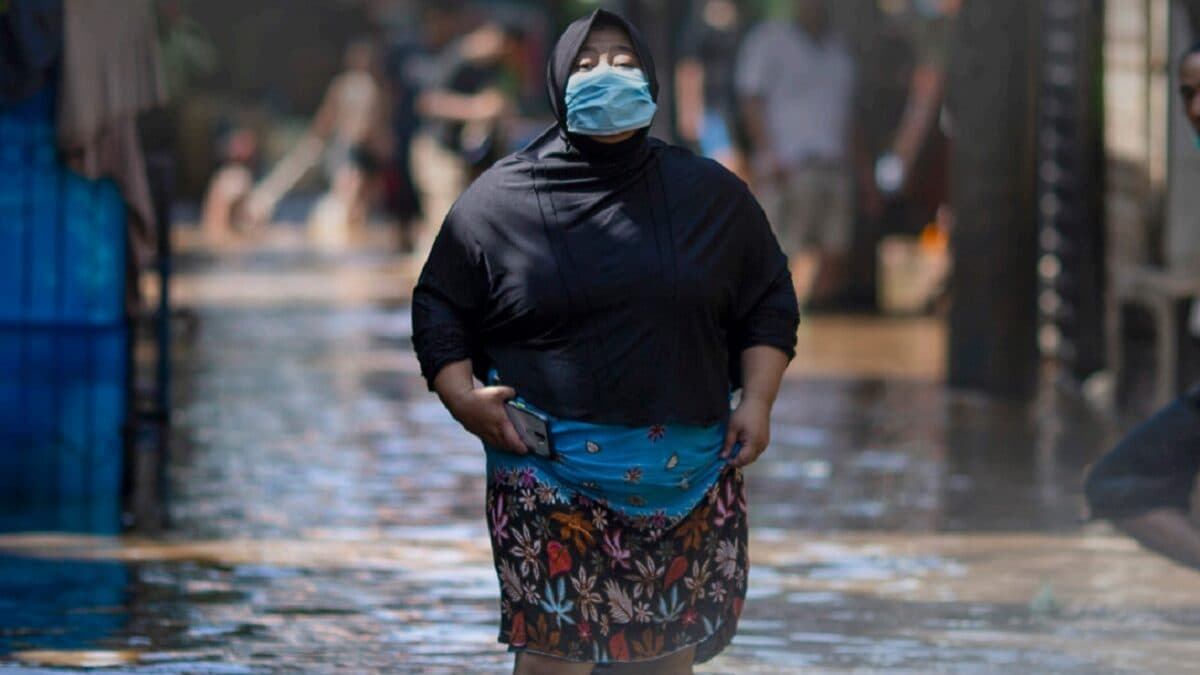
The terrible circumstances faced by the country in recent weeks have sparked a debate about decentralisation and regionalisation. This always happens when dealing with disasters that affect populations, such as the fires of 2017. Regardless of the area particularly affected by natural disasters, the same complaints abound: the populations were forgotten, firefighters took too long to arrive, Civil Protection ignored them, the coordination of rescue efforts was a fiasco, the military went elsewhere, and if it had been in Lisbon, everything would have been resolved! These outbursts, usually in front of television cameras, almost always elicit the same reactions: 'poor things' - the victims; 'rascals' - the politicians; let's send trucks with essential goods - the well-meaning supporters; we throw a budget with many zeros at them (always less than necessary) - the government. The few serious attempts to discuss the root of the problems fade into oblivion, and months later, everything is practically the same. Until the next tragedy. I have long believed that the difficulty of Public Administration in facing natural disasters results - besides the severity of the disasters, of course - from our inability to rationally think about territorial administrative organisation. First of all, it is important to clarify that the problem of decentralisation is not a legal issue. To solve it, economists, geographers, and historians are needed more than lawyers. There is an intimate relationship between the distribution of public functions and tasks and the territorial and human dimension. Among the more than 3000 parishes, there is one with fewer than a hundred inhabitants and several with more than sixty thousand. Of the 308 municipalities, one has more than half a million inhabitants, while others have fewer than two thousand. More than 250 municipalities have fewer inhabitants than the most populous parish (2021 Census data). It should be noted that all of mainland Portugal is divided into municipalities and parishes, constituting two overlapping networks. To my knowledge, this duplication does not exist in any other European country. The number of territorial public entities has a consequence: while Lisbon and Porto have the human dimension and financial resources to support a university, if they wish, most other municipalities would hardly have secondary schools without state support. Naturally, the ultimate reason for this difference lies in the increasingly unequal distribution of the population across the mainland territory, an aspect that cannot be ignored when implementing a truly decentralising policy. Highways with 'ghost' sections and the unfortunate and abandoned stadiums in the Algarve, Leiria, and Aveiro are there to certify the death of a pseudo-decentralising strategy. I will continue next week to discuss decentralisation further.