Latest news and stories about monetary policy in Portugal for expats and residents.
This page has only 1 story and is not indexed by search engines.
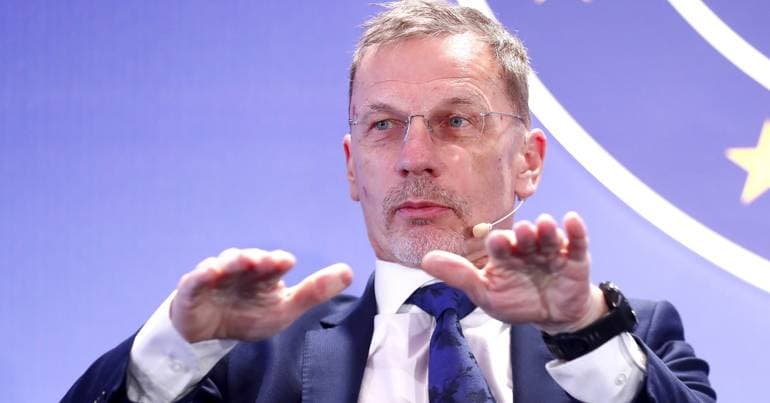
Boris Vujcic was elected vice-president of the European Central Bank.

The Croat was elected vice-president of the European Central Bank on Monday.

The governor of the Croatian National Bank was the big winner

Published at 18:00: Boris Vujcic has been chosen to serve as vice‑president of the European Central Bank (ECB).

At the Eurogroup meeting the successor to Luis de Guindos as ECB vice-president was discussed. Centeno was left out of the race. The Croatian candidate won.

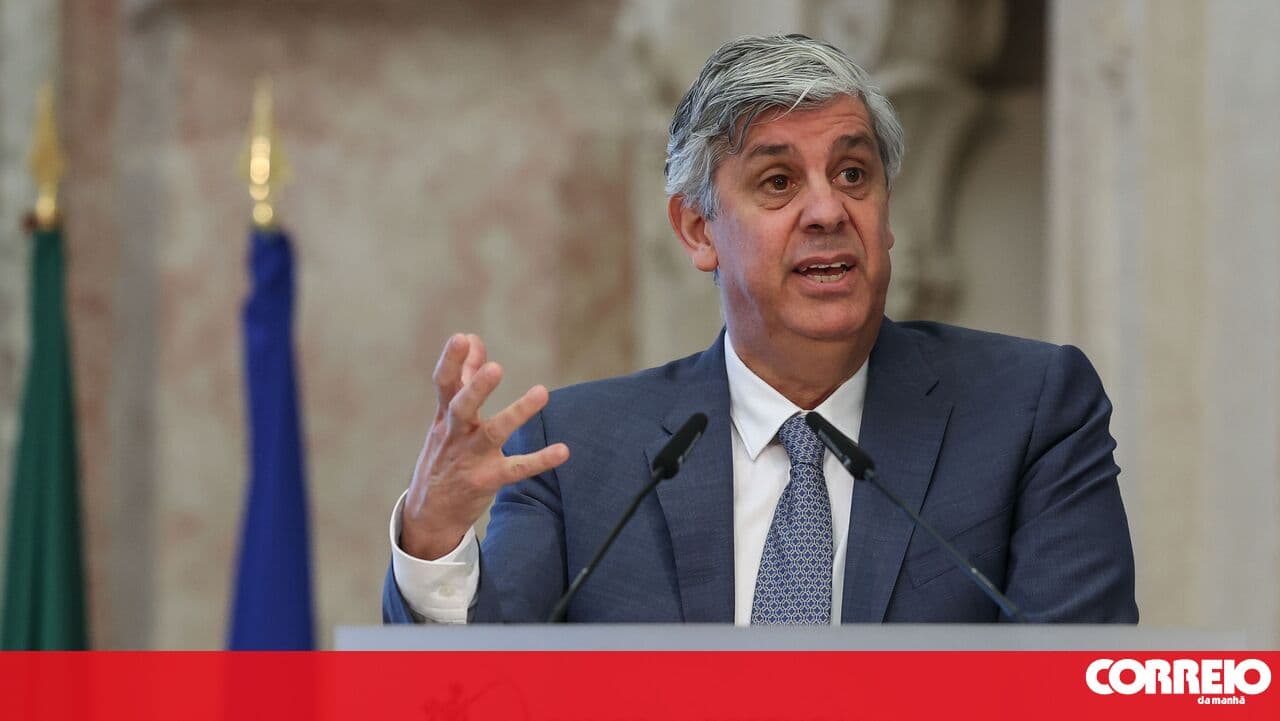
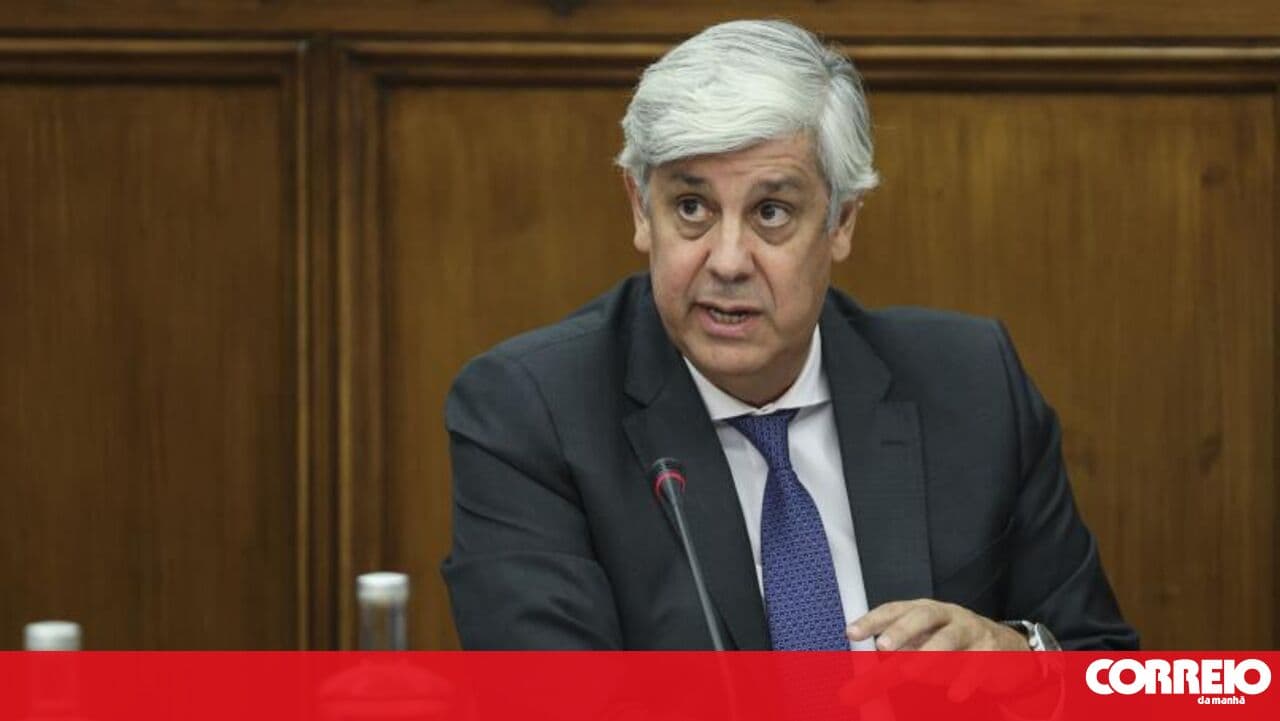
On Monday the Government withdrew the candidacy of former Bank of Portugal governor and ex‑minister Mário Centeno for the vice‑presidency of the European Central Bank (ECB). The decision was taken in a second round of voting at the Eurogroup meeting in Brussels. In the third round the Croatian Boris Vujcic was ultimately appointed.
Mário Centeno withdrew from the contest for Vice‑President of the European Central Bank (Banco Central Europeu or BCE), and Croatia's central‑bank governor Boris Vujčić was reported to have won the post at the Eurogroup vote. Portuguese officials had described Centeno's chances as 'difficult' given regional balances and the qualified‑majority voting dynamics. Markets and financial observers will watch how the new ECB leadership affects policy balance in the euro area; those tracking Portugal's influence in EU finance should note Centeno's withdrawal and Vujčić's selection.
Mário Centeno is a Portuguese economist and politician who served as Finance Minister from 2015 to 2020 and as President of the Eurogroup from 2018 to 2020, and later became Governor of the Bank of Portugal (Banco de Portugal). His nomination for vice‑president of the European Central Bank matters because a senior Portuguese official at the ECB could influence euro‑area monetary policy decisions that affect interest rates and the economy in Portugal.
The European Central Bank (ECB) is the central bank for the euro area responsible for setting interest rates, maintaining price stability and overseeing banking supervision across euro‑zone countries. The vice‑president is a senior policymaker at the ECB, so a nomination from Portugal would increase Portuguese influence on decisions that affect mortgages, savings and inflation across the euro area.
The Eurogroup votes on Monday to choose the new vice‑president of the European Central Bank (ECB) in a process featuring six candidates, among them the former governor of the Bank of Portugal, Mário Centeno.
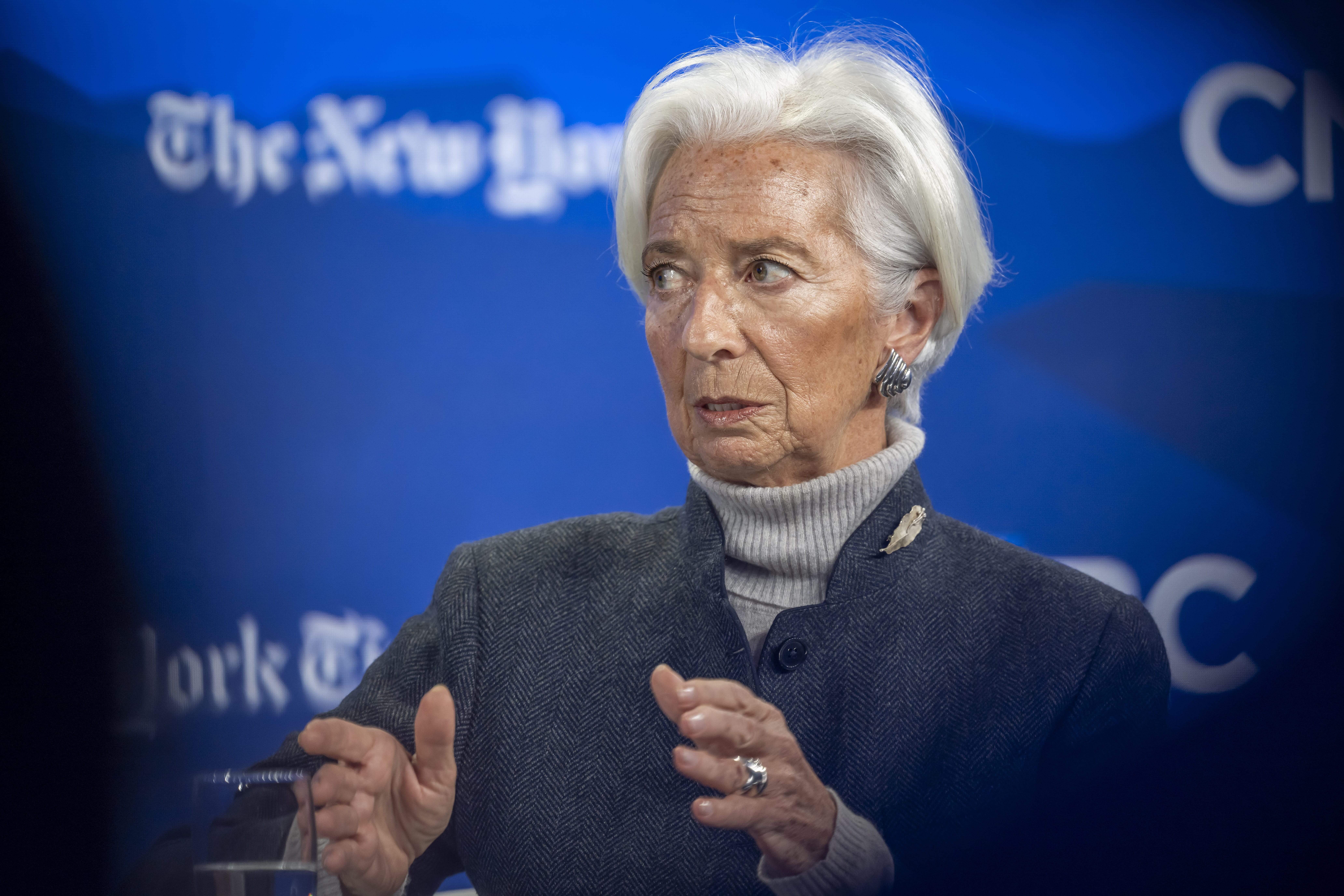
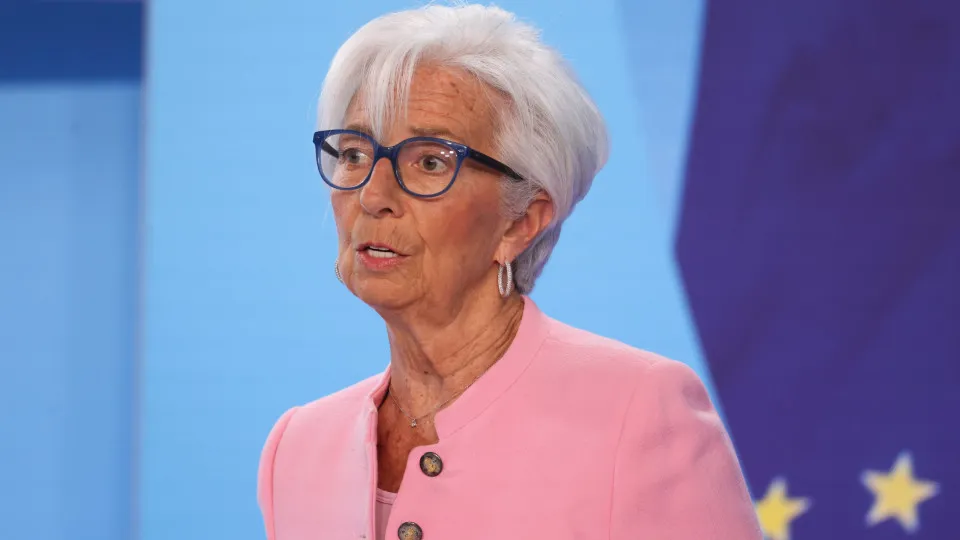
Centeno's advantages at the European Central Bank — he enjoys Christine Lagarde's support, while Germany, France and Italy express a preference regarding the ECB presidency.

There are six candidates for vice-president of the European Central Bank, and among them is the former governor of the Bank of Portugal.

The Eurogroup will vote on Monday on the candidacy of former Bank of Portugal governor Mário Centeno, along with five others, for the vice-presidency of the European Central Bank, to replace Luis de Guindos from May — a decision is expected.

The chosen candidate must secure the support of 72% of the member states of the single currency area (that is, at least 16 of the 21 euro area countries), representing at least 65% of the population.

European Central Bank president Christine Lagarde and national central bank governors across the Eurozone have closed ranks to defend US Federal Reserve Chair Jerome Powell against criticism from Donald Trump.