Monarchy news in Portugal
Latest news and stories about monarchy in Portugal for expats and residents.
Latest news and stories about monarchy in Portugal for expats and residents.
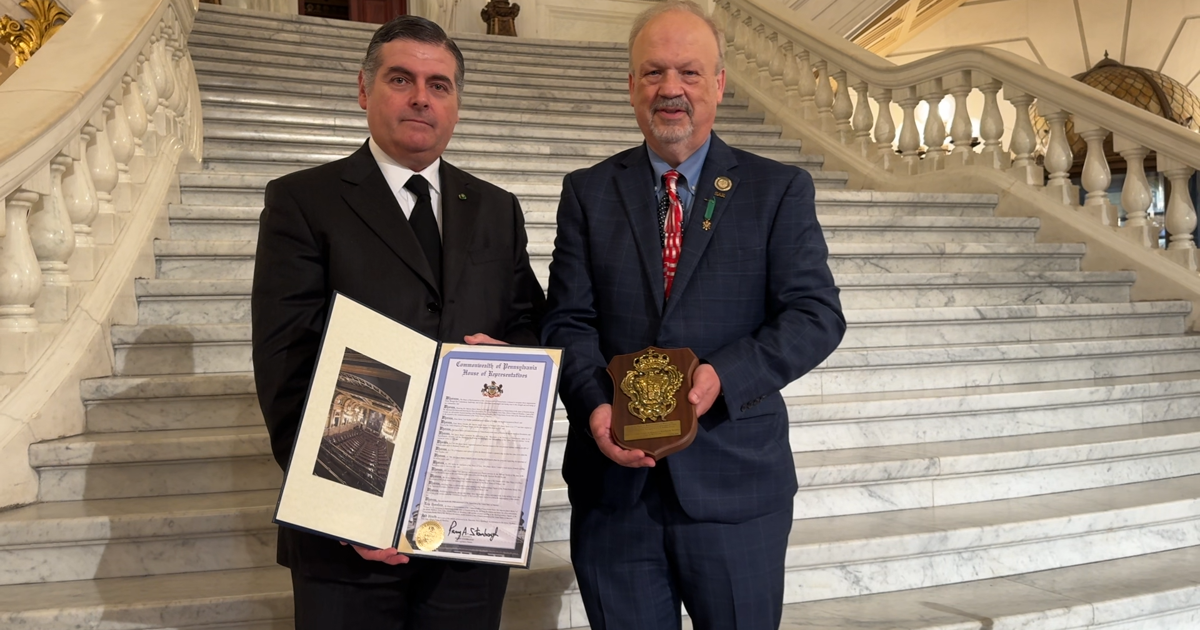
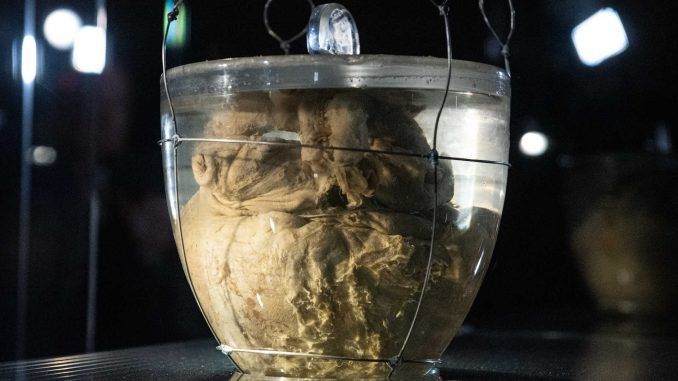
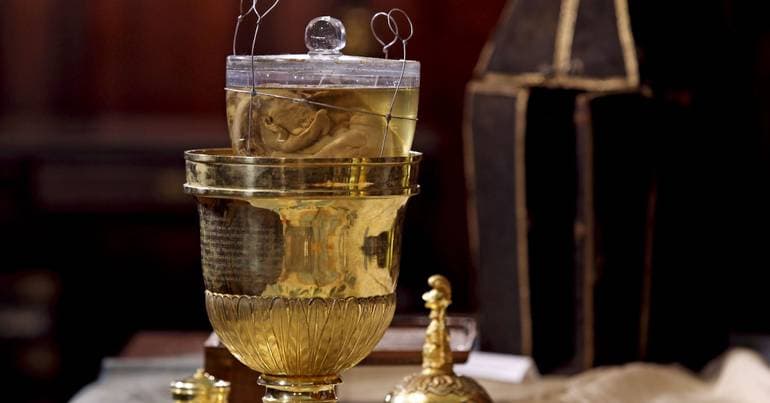
The Irmandade da Lapa announced that the heart of D. Pedro IV, kept for 'nearly two centuries', will be on display. The monarch guaranteed Brazil's independence and was present during the Siege of Porto.
In this episode of 'History Repeats Itself', Lourenço Pereira Coutinho and Margarida Magalhães Ramalho recall Elise Hensler (1836-1929), a Swiss-American opera singer whom King Ferdinand II would marry in his second marriage, thirteen years after the death of Queen Maria II.

The article discusses the historical birthplaces of early Portuguese monarchs, noting that many were born in locations that would be considered inappropriate or inadequate by modern standards.
The article discusses the historical birthplaces of early Portuguese monarchs, noting that many were born in locations that would be considered inappropriate or inadequate by modern standards.
To understand the importance of this portrait, it is necessary to contextualise the moment in which it was drawn. The sudden death of King Manuel II in 1932 generated an immediate succession crisis.

Queen Amélia, the last queen of Portugal, is the subject of a new biography by José Alberto Ribeiro. The book explores her life, from her arrival in Portugal and the tragic Regicide that claimed her husband and eldest son, to her exile in England and her eventual return to Portugal in 1945. Drawing on her personal diaries, the biography offers an intimate look at a woman who remained a pillar for her son, King Manuel II, during the final, turbulent years of the Portuguese monarchy, and examines her complex relationship with the Estado Novo regime and her enduring legacy, including her role in founding the National Coach Museum.
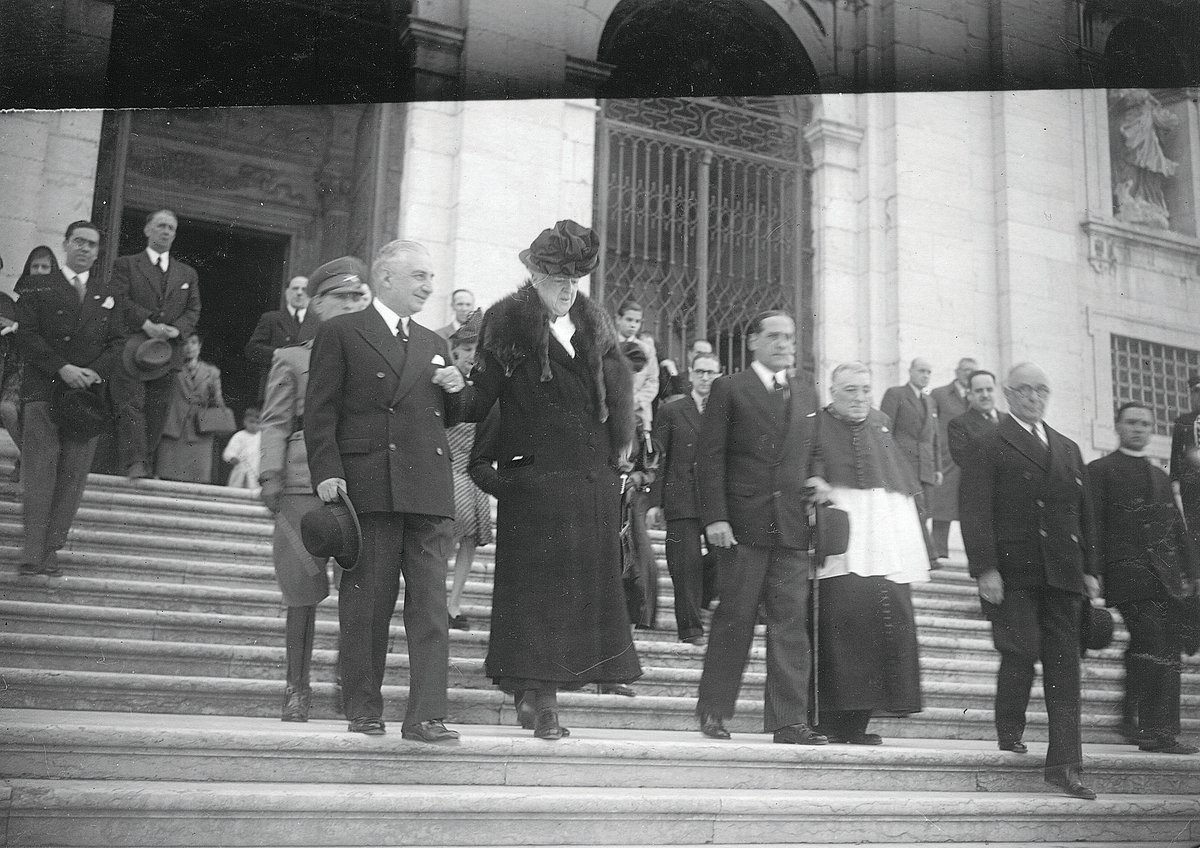
A story of hidden weapons, conspiracy accusations, attempts at regime change, military courts, and a family from Guimarães.

Caesar's wife must not only be honest, she must also appear to be so.

In this episode of 'History Repeats Itself', Margarida de Magalhães Ramalho and Lourenço Pereira Coutinho invited writer Isabel Machado, author of 'D. Pedro V — the beloved', to talk about this King of Portugal, considered the last one to be truly cherished by the Portuguese people.

He went down in history as the king who abandoned the Portuguese on the verge of the French invasion. However, in a new book, Paulo Rezzutti explains why the monarch should be remembered in a different way.
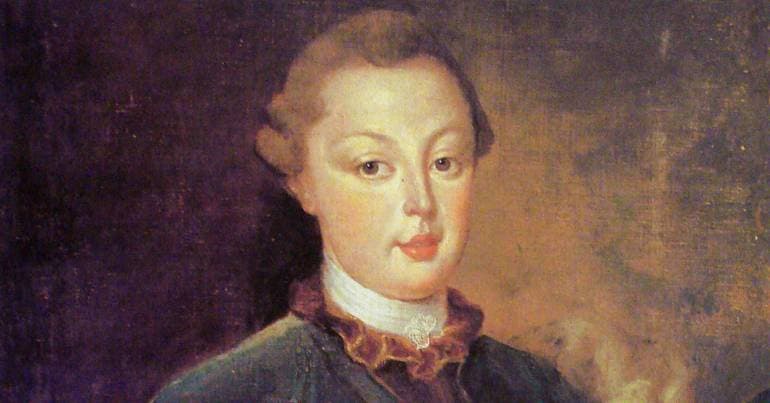
To diminish the power of the nobility, King John II ordered the conviction of his cousin and stabbed his brother-in-law. The motto he chose shows the attention he dedicated to the people.

He coincided with some of the most difficult moments in the history of Portugal, but managed, with enormous prudence and balance, to safeguard the institution he represented for three decades.

In this episode of 'History repeats itself', Margarida de Magalhães Ramalho and Lourenço Pereira Coutinho discuss Catherine of Austria, an infanta of Spain, raised in unique conditions, who would go on to become Queen of Portugal.

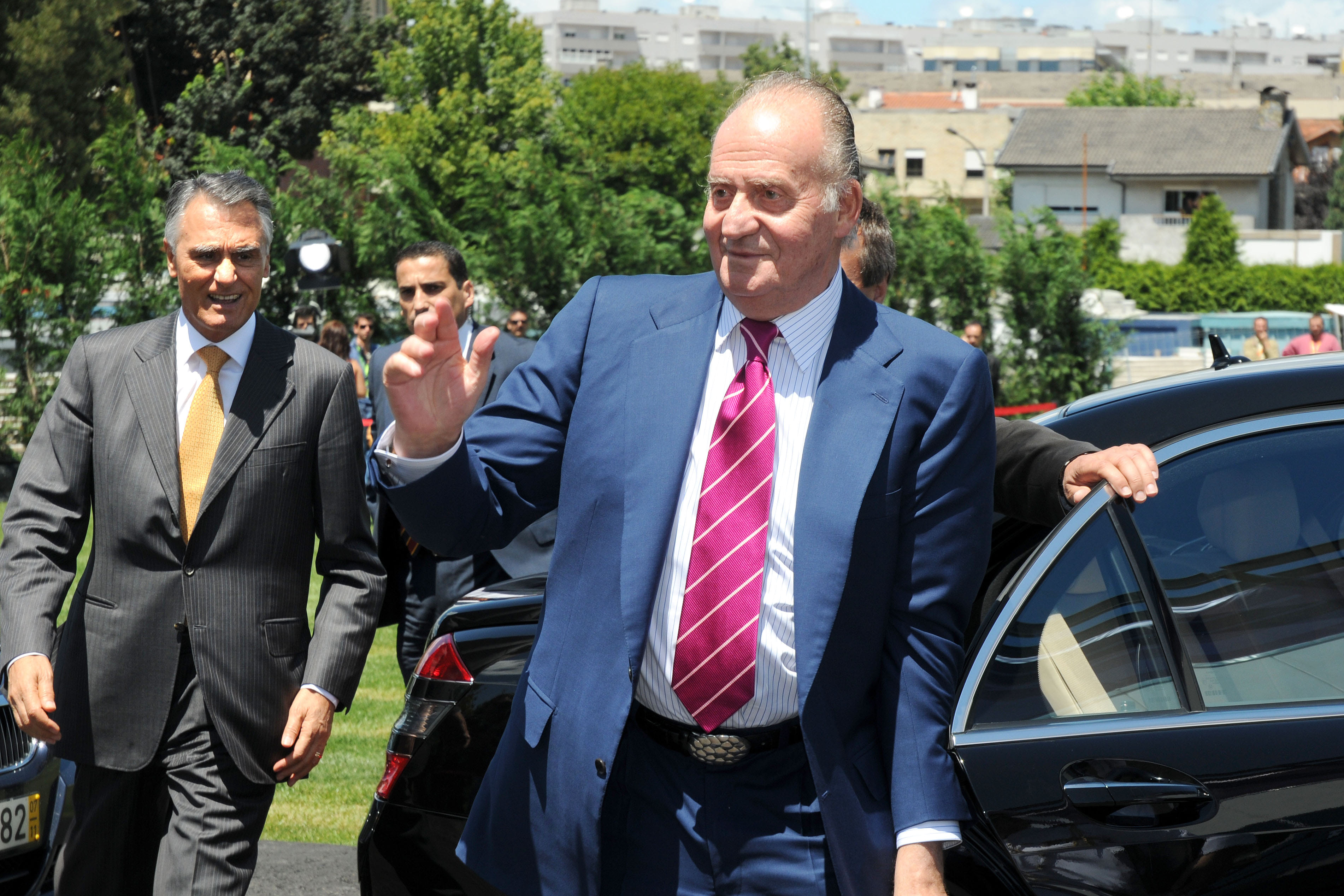
The Spanish press reported on Tuesday (April 7) on the controversy in France regarding the decision to award King Emeritus Juan Carlos for his memoir 'Reconciliação', co-authored with Laurence Debray. While the award, given by the association Lire la Société at the French National Assembly, recognizes his role in the democratic transition, it has sparked surprise and criticism in Spain. The book, which addresses his life, his relationship with his son Felipe VI, and his financial scandals, was well-received in France, where the jury maintains that they are honoring a historical work rather than engaging in Spanish political debates.
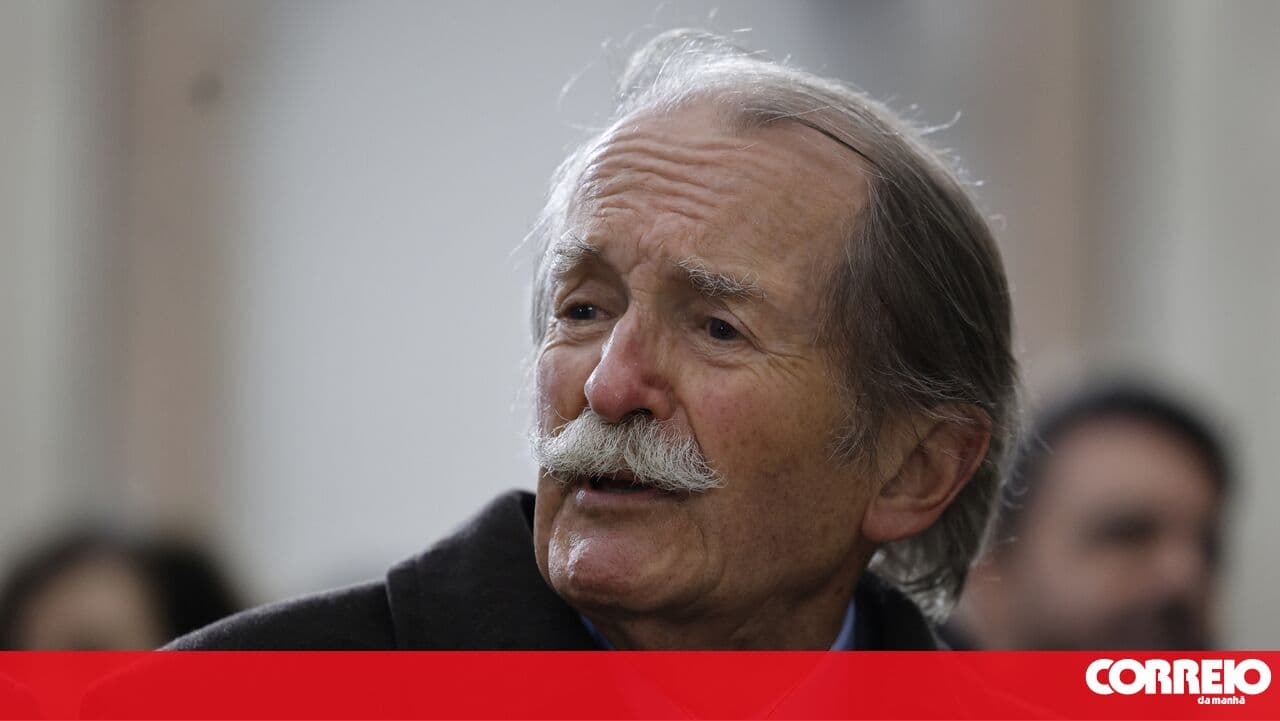
At 80 years old, the Duke of Braganza appeared on 'Praça da Alegria' to present his book 'In the Service of the Portuguese'.
Power relations between the centre and the peripheries were not only administrative, but symbolic and staged. The imposition of rituals served to create an illusion of royal omnipresence.

Home Portugal Historical Figures of Portugal: Dom Dinis Historical Figures of Portugal: Dom Dinis Check out the video! By Filip Strüven, in Portugal · 1 hour ago · 0 Comments Historical Figures of Portugal: Dom Dinis - YouTube Photo image of The Portugal News The Portugal News 2.

D. Pedro Carlos de Bourbon e Bragança, close to his uncle, Prince D. João (VI), was born in Spain, lived with the Portuguese royal family, and was a putative heir to the crown.

In this episode of “History repeats itself”, Margarida de Magalhães Ramalho and Lourenço Pereira Coutinho discuss the “Spanish” queens of Portugal, that is, the wives of Philip III of Spain (II of Portugal) and Philip IV of Spain (III of Portugal).

It was two centuries ago, on 10 March 1826, that King John VI died at the age of 58 in Lisbon. His reign was marked by several wars and the independence of Brazil. His death left nothing the same.

An analysis of the reign of King John VI, exploring his strategic move to Brazil to escape the Napoleonic Wars, his role in shaping Brazil's future, and the political challenges he faced upon his return to Portugal, including the transition to a constitutional monarchy and the mystery surrounding his death.