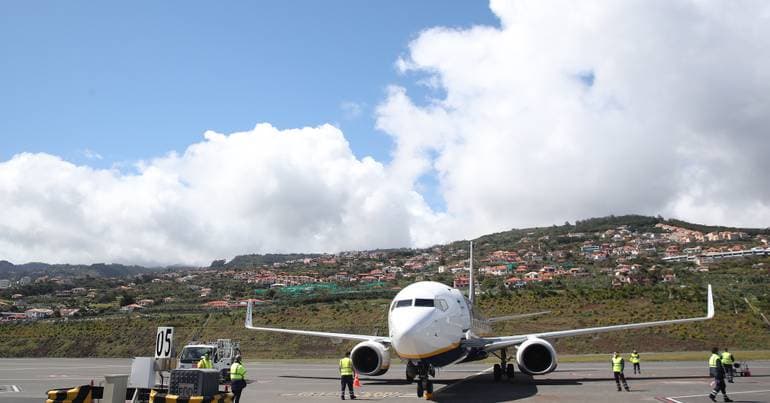
Easyjet admits reduction of operations in Madeira
The general manager of Easyjet in Portugal warns that the elimination of the maximum cap on the mobility subsidy will cause prices to rise “artificially” and could cost the island routes.
Observador
Latest news and stories about mobility subsidy in Portugal for expats and residents.
The general manager of Easyjet in Portugal warns that the elimination of the maximum cap on the mobility subsidy will cause prices to rise “artificially” and could cost the island routes.
The social mobility subsidy establishes a maximum fare of 79 euros for residents and 59 euros for students on flights between Madeira and the mainland.
The general manager of Easyjet in Portugal, José Lopes, stated this Monday that the airline may reduce its operations on domestic routes following the removal of price caps on the social mobility subsidy for air travel. “This removal of the upper limit will cause prices to rise artificially,” declared José Lopes, adding...
Home News easyJet threatens to cease operations to Portuguese Archipelagos easyJet threatens to cease operations to Portuguese Archipelagos The Jornal Económico (JE) reveals that easyJet has already threatened to stop flying to Madeira if changes to the mobility subsidy rules are approved.
The new model approved in Parliament eliminates the price cap on tickets between the mainland and the autonomous regions and removes the requirement that passengers must not have debts to the State.

Changes to the air mobility social subsidy were approved with votes from PS, Chega, Livre, BE, PAN, and JPP. PSD remained isolated, with the majority of its parliamentary group voting against.
Amendment to the decree-law provides that access to the subsidy will no longer be dependent on the beneficiaries' contribution status. Cost caps and the submission of receipts will no longer be mandatory.
The amendments approved on Wednesday in the Assembly of the Republic were, for the most part, already included in the parliamentary assessments by the PS and Chega.

Several of the changes to the SSM allocation model were contested by the two autonomous regions.

The Government has extended until June the suspension of the requirement for a regularised tax status to access the social mobility subsidy (SSM) for travel between the autonomous regions and the mainland. The new access criteria for the SSM, which came into effect in January, were suspended until this Tuesday, but the executive decided to postpone it for the third time.
The new criterion was suspended until this Tuesday, but the executive has decided to postpone its implementation for the third time.

The President of the Regional Government of Madeira (PSD/CDS-PP) stated in an interview with Antena 1 that “a political attitude of common sense is needed for there to be a reconciliation between the national government and the people of Madeira.” Miguel Albuquerque admitted: “It was something that embarrassed me a little and I was surprised,” referring to...

José Manuel Bolieiro admits that it is not an “easy solution” due to the “complexity” of the system.
Francisco César announced that he intends to change the name of the SSM to 'Territorial Continuity Mechanism'.
The initiative received votes against from the PS (22), Chega (five), BE (one), IL (one), and PAN (one).

Filipe Sousa asked the Prime Minister if he could guarantee that the Portuguese people from the autonomous regions “will no longer have to pay upfront for travel.”

The government now intends to change the model, eliminating the need for passengers to pay the full cost of travel upfront.
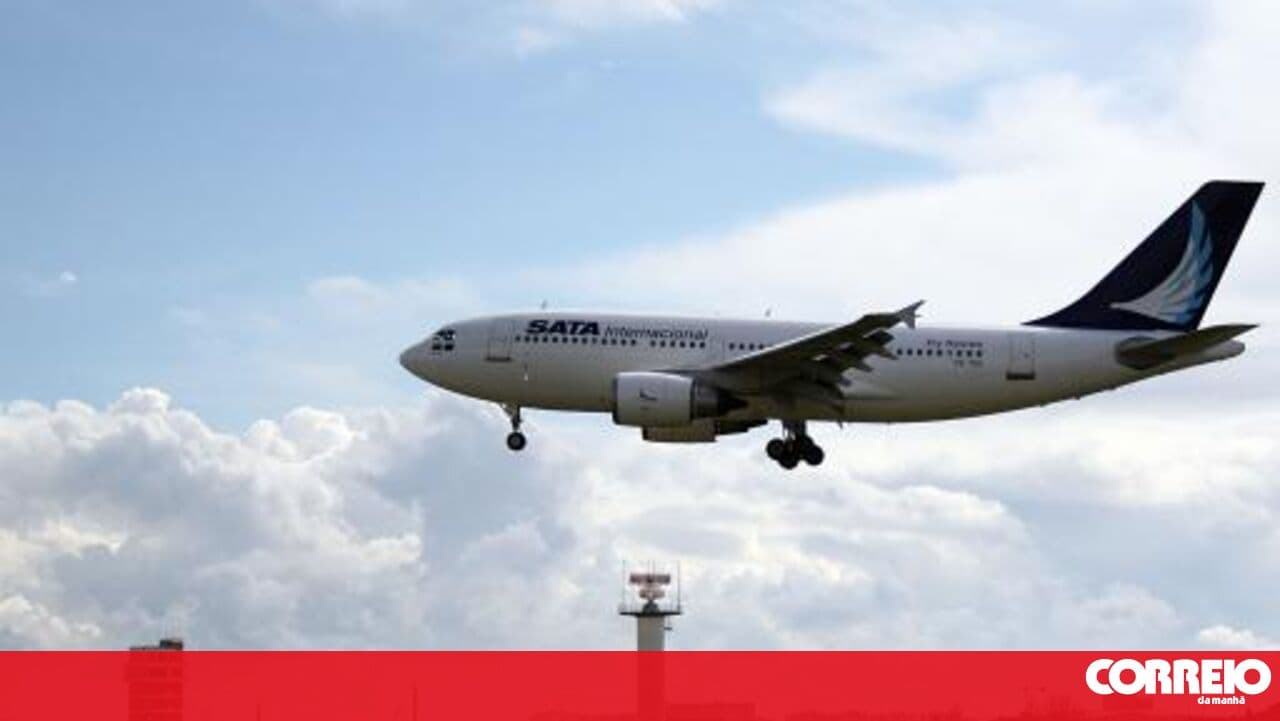
For connections between Madeira and the mainland, the maximum fare for residents is 79 euros and 59 euros for students.

Miguel Pinto Luz states that reimbursements are being processed quickly, noting that “after the correct entry of data, they are occurring within a few days.”
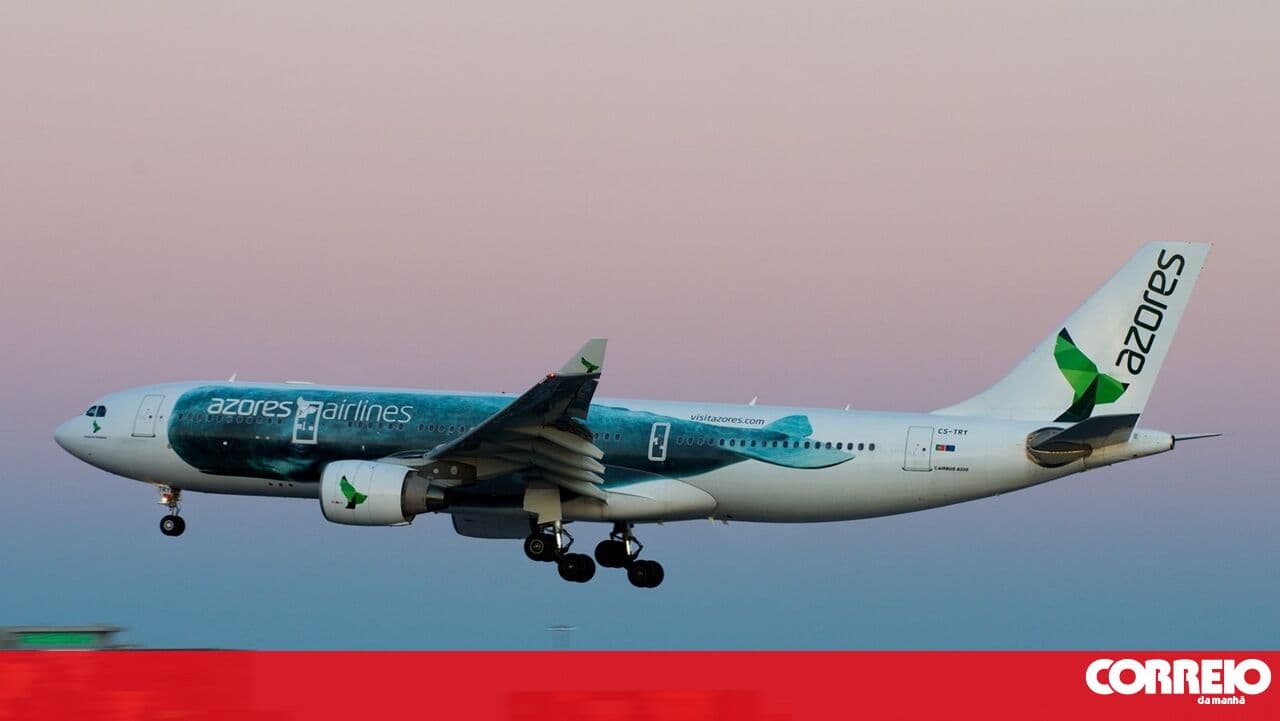
José Manuel Bolieiro believes that the Mobility Subsidy is, in reality, a form of compensation, and although he is satisfied with the reduction in the price paid by the Azoreans, he criticises the structure of the support.

In the Azores, the maximum fare supported by residents for round-trip flights to the mainland is 119 euros, and the fare supported by students is 89 euros.

Petition launched by residents in the Azores has already been signed by more than 2,600 people.
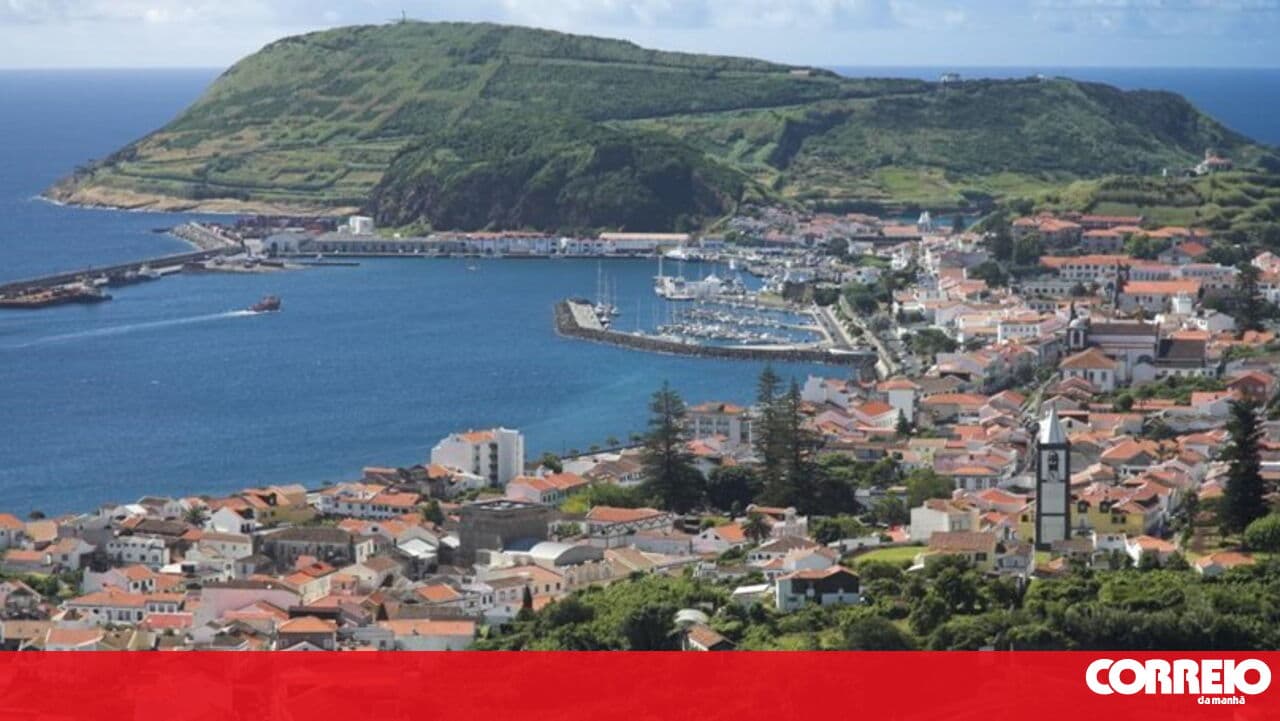
In ANAC's view, the implementation of this bill would represent “a backward step from a competition standpoint” and “could jeopardise air links” between the autonomous regions and the mainland.