Cultural mediators in schools to receive training later this year
Two foundations working with migrant populations, Gonçalo da Silveira and Aga Khan, have been chosen by the Government to provide training until 2028.

Latest news and stories about migrant integration in Portugal for expats and residents.
This page has only 1 story and is not indexed by search engines.
Two foundations working with migrant populations, Gonçalo da Silveira and Aga Khan, have been chosen by the Government to provide training until 2028.

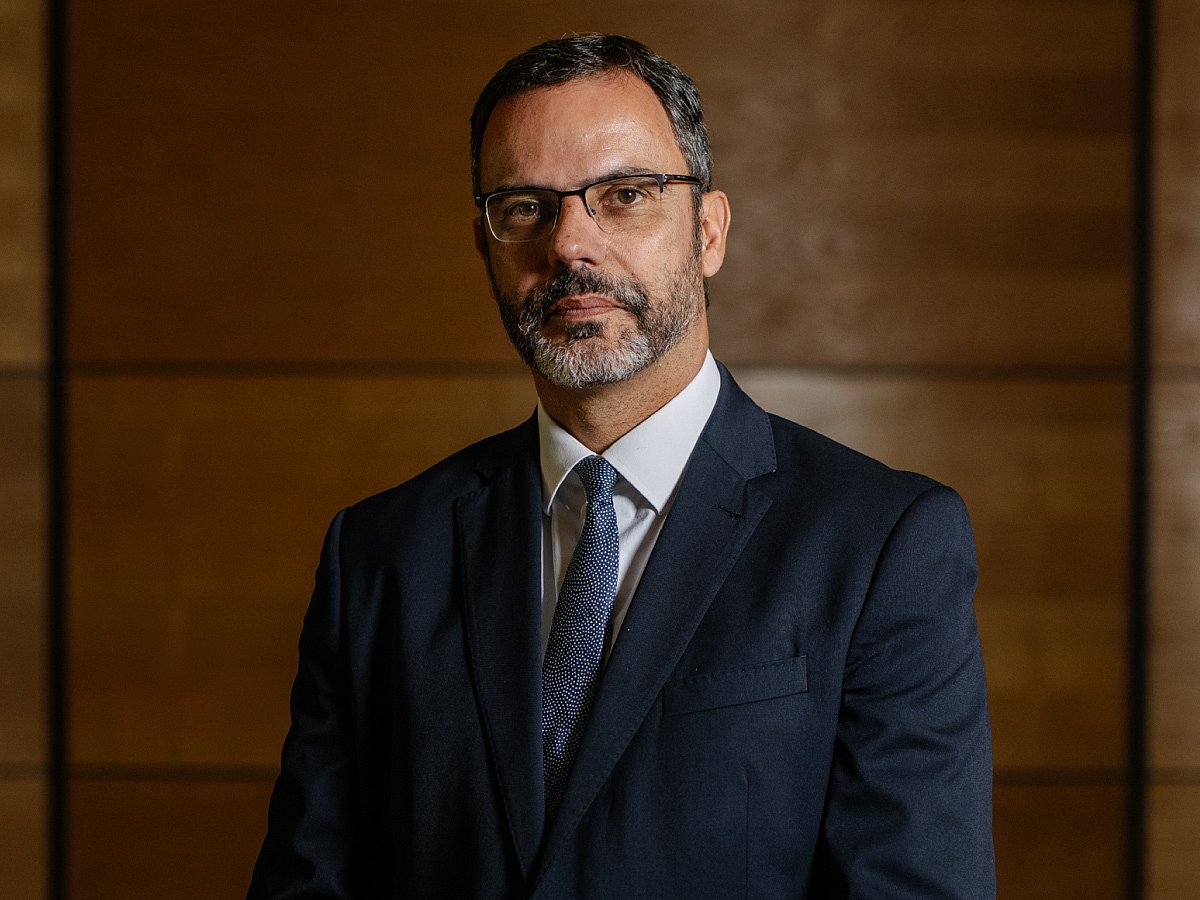
The Calouste Gulbenkian Foundation will allocate a total of €2.5 million to support migrant integration programmes. The “Gulbenkian Integration Initiative (2026-2027)” is open for applications until April 10. In an interview with DN, Pedro Calado, director of the Civil Society Fund, states that despite being a polarising topic today, this is a way to honour the legacy of the foundation's founder, who was a refugee and lived in Portugal. He wrote, “I found the peace I so needed” in 1942. Calado highlights a deep connection between the willingness to discuss immigration and the founder's legacy, noting that the initiative responds to a profound structural transformation in Portuguese society. He cites the increase in people seeking to live in Portugal and the real challenges this poses to public institutions and services. The project aims to mobilise resources and strengthen responses that promote fundamental rights and create effective conditions for inclusion. Calado emphasises the need for action, stating that the foundation recognises the importance of integrating those who live and work in Portugal. The supported projects may include Portuguese language learning, civic education, labour market integration, access to health and education, and the development of personal and professional skills. The foundation's vision is based on the belief that a fairer society is built through practices that promote the inclusion of all communities, particularly immigrants. Calado asserts that immigration is an unavoidable aspect of contemporary Portuguese society, essential for economic functioning and cultural enrichment. He warns of the costs of non-integration, such as territorial marginalisation and social fragmentation. He expects active participation from the host community, encouraging Portuguese citizens to be proactive in integration policies. Ultimately, he hopes to see a more capable Portuguese society that embraces diversity and fosters mutual trust and participation opportunities.

The article discusses key developments and research related to integration in Portugal, focusing on the country's efforts to enhance the integration of migrants and refugees. It highlights various initiatives and policies aimed at promoting social cohesion, economic participation, and cultural integration. The article also emphasizes the importance of research in understanding the challenges and opportunities associated with migration in Portugal. Overall, it provides an overview of the ongoing integration efforts and the role of research in shaping effective policies in the context of migration and home affairs in Portugal.

An immigrant integration association organised a Christmas celebration. The Lisbon Project brought together communities from different countries and religions.