Algarve newspaper and schools promote media literacy
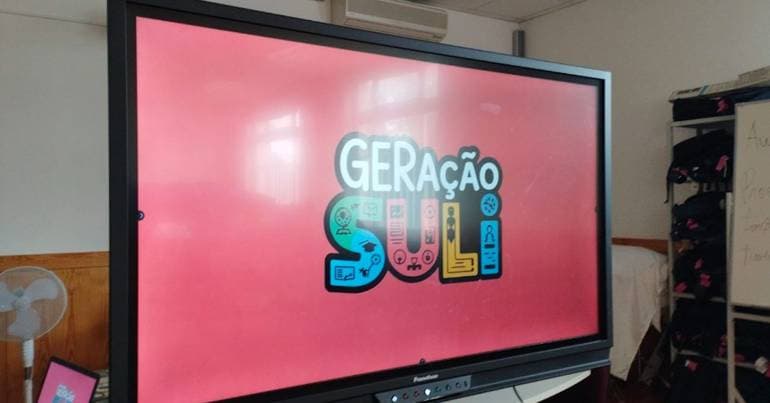
Available since Wednesday, the interactive platform allows students from six Algarve secondary schools to “learn, debate, practice, and publish quality journalism.”
Observador
Latest news and stories about media literacy in Portugal for expats and residents.
Available since Wednesday, the interactive platform allows students from six Algarve secondary schools to “learn, debate, practice, and publish quality journalism.”
The protocol provides for the implementation of media literacy promotion campaigns.
In the debate on disinformation on the Antena 1 programme, Consulta Pública, Jorge Silva Carvalho argues that “the fight against disinformation must be a public policy”.
For the first time, we have propaganda entirely produced by artificial intelligence, serving, as one would expect, a far-right project. Opinion by Pedro Adão e Silva

An ERC official stressed that framing the theme as a question aims to open space for debate and participation.

Discussing disinformation is discussing power, but it is also discussing truth, and it is discussing choices. In a liberal democracy, truth is not decreed; it is built through the free confrontation of ideas, rigorous investigation, public scrutiny, and individual responsibility. That is why disinformation is not just a technical problem, it is not just a...

The United Nations Under-Secretary-General for Global Communications argues, in an interview with Lusa, that the information environment must be treated as an emergency at a time when we are witnessing a crisis of democracies.
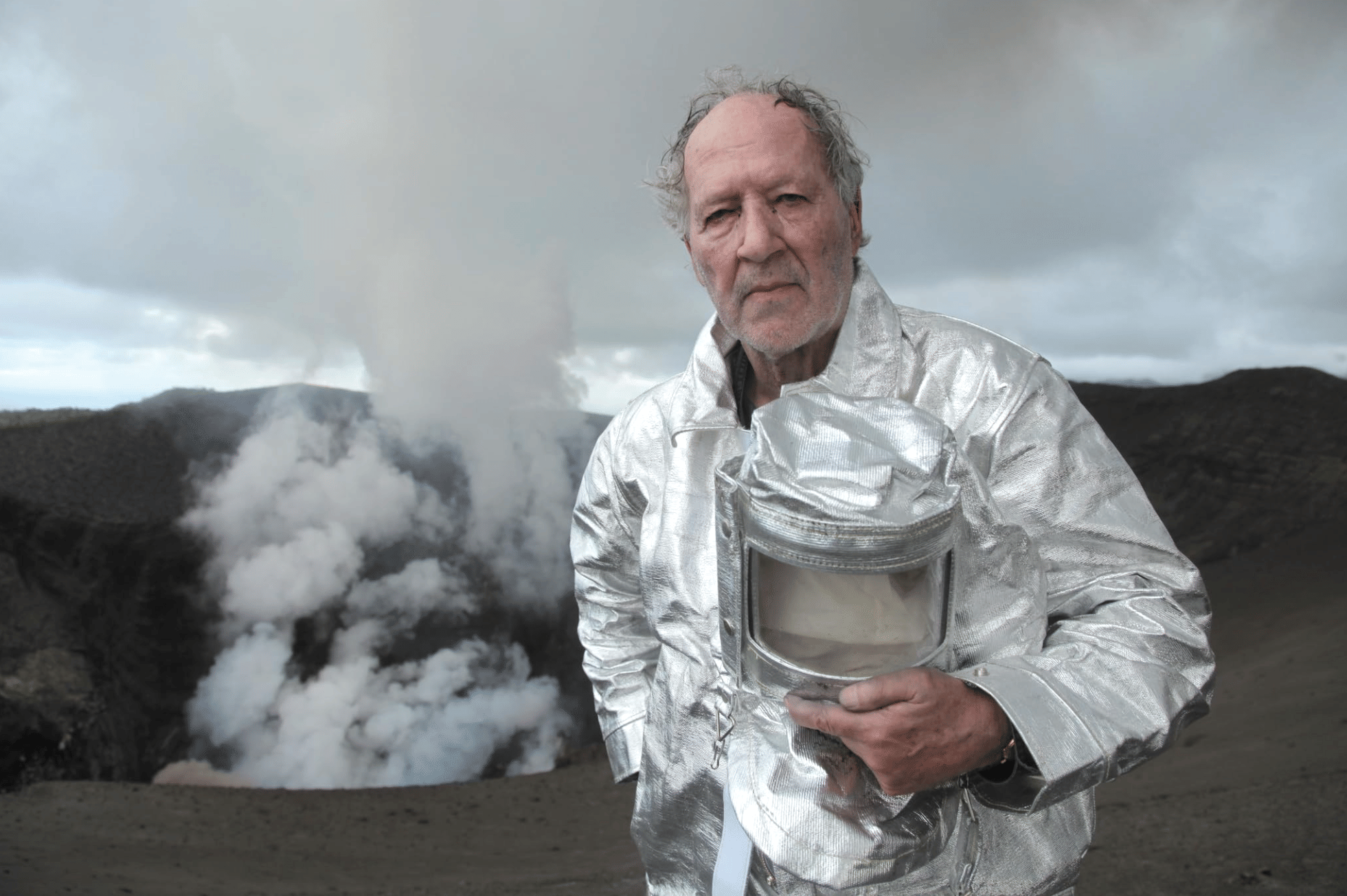
A filmmaker who loves volcanoes is a fitting way to describe the German director Werner Herzog. Beyond the metaphorical implications, it is a literal definition, as seen in his documentary 'Into the Inferno' (2016). Herzog's latest book, 'The Future of Truth', published by Zigurate and translated by Mário Prado Coelho, explores his vision on the nature of truth, narrative, and our relationship with reality in the age of the internet. Drawing on his own filmography, including 'Fitzcarraldo' and 'Lo and Behold', Herzog reflects on how we are all narrators and how the power to shape a narrative often outweighs the underlying reality.
“The Hack”, an ITV original available on Filmin, is a rare series about a journalist who had the courage to expose journalism itself.
Faced with the current global polycrisis, the algorithmic manipulation of our emotions represents a serious challenge. If you want to break this cycle, research suggests several practical steps.

Immigration, insecurity, decontextualisation and emotional language: these are some of the ingredients that make up the cocktail of disinformation in Portugal.

What leads some people to believe misinformation while others are sceptical of it? Work carried out jointly by PÚBLICO and Medialab in the Upstream project sheds some light on this.
Ignoring content creators as opinion-formers is to ignore how information circulates today. A column by Filipa Teixeira.

The project aims to promote media literacy and critical thinking through the creation of projects on fake news and disinformation. Winners will be able to visit SIC and will receive technological equipment and various educational prizes.

The Regulatory Authority for the Media highlights RTP's work in combating disinformation.
Public service media are essential in promoting media literacy, with particular emphasis on RTP, which is pivotal in empowering citizens to use the media in a critical, informed and responsible way, concludes the second National Report on Media Literacy. According to the report, presented this Monday by the Regulatory Authority for the Media (ERC) and prepared ...
The analysis covers the period from November 2022 to October 2025 and is set against a backdrop of major changes in the national market for digital platforms.

The popularisation of generative AI has made it easier to create hyper-realistic fake videos. Learn how to identify these manipulations and avoid sharing disinformation.

António Salvador, of Intercampus, says that polls are “very relevant”, but it is necessary to understand the difference between the various types.

From building hospitals to opening shelters, posts on the social network spread false claims about benevolent acts by public figures. The posts include links that take users to pages full of adverts.

Reports indicate false or misleading content related to the presidential elections has accumulated more than 7.7 million views online, raising concerns about its potential influence on voters.

The platform includes two practical guides that help recognise manipulative signs and reduce the risk of manipulation.

The UNESCO consultant for media education, Alexandre Sayad, believes Portugal has the potential to advance in media literacy through a more robust integration of public policies. In an interview with Lusa, Alexandre Le Voci Sayad explained that “Portugal shows significant potential for progress, especially with regard to the formalisation and integration ...”