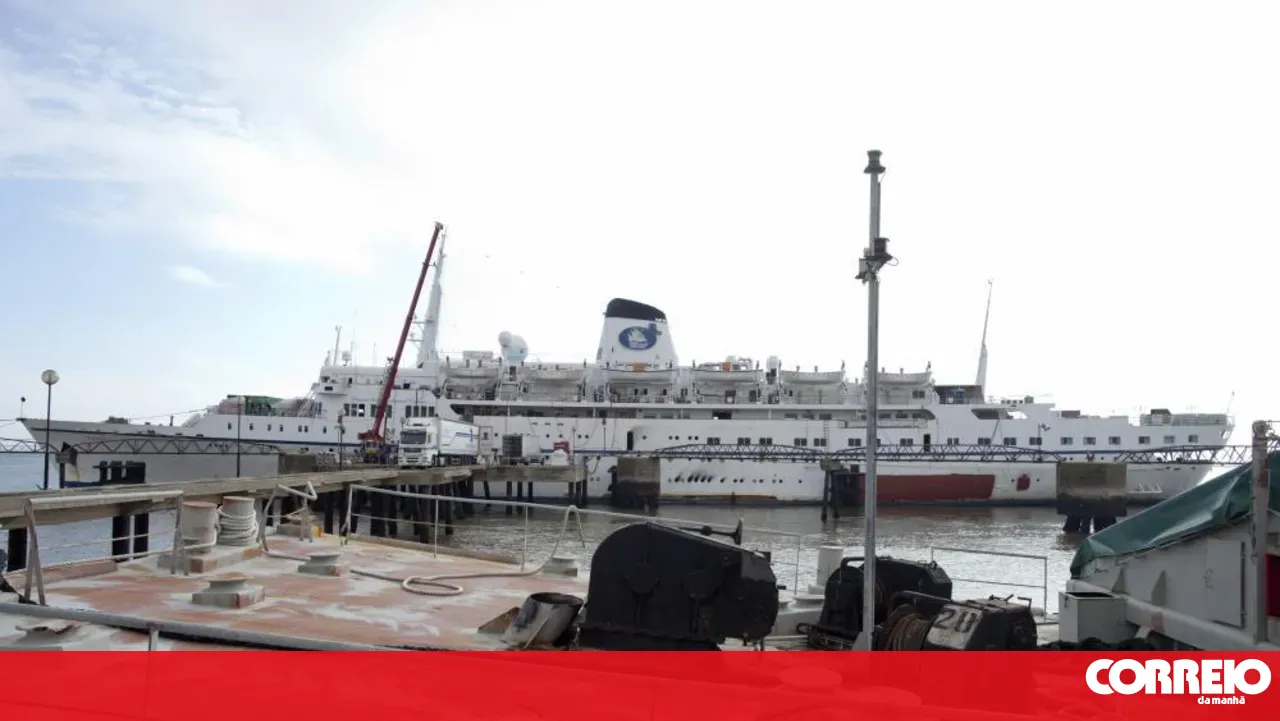
Funchal cruise ship to be auctioned. Scrap metal threatens the crown jewel of the Merchant Navy
The minimum bid is 802,000 euros. Launched in 1961, it made its final voyage on 2 January 2015.
cmjornal.pt
Latest news and stories about maritime history in Portugal for expats and residents.
The minimum bid is 802,000 euros. Launched in 1961, it made its final voyage on 2 January 2015.
This Friday marks 527 years since Vasco da Gama landed in Lisbon after discovering the maritime route to India, one of the highest moments in the history of Portugal and the first step towards globalisation.

The initiative is promoted as part of a project to value Portuguese maritime history.
Portugal commemorates the 130th anniversary of the country's inaugural oceanographic expedition.

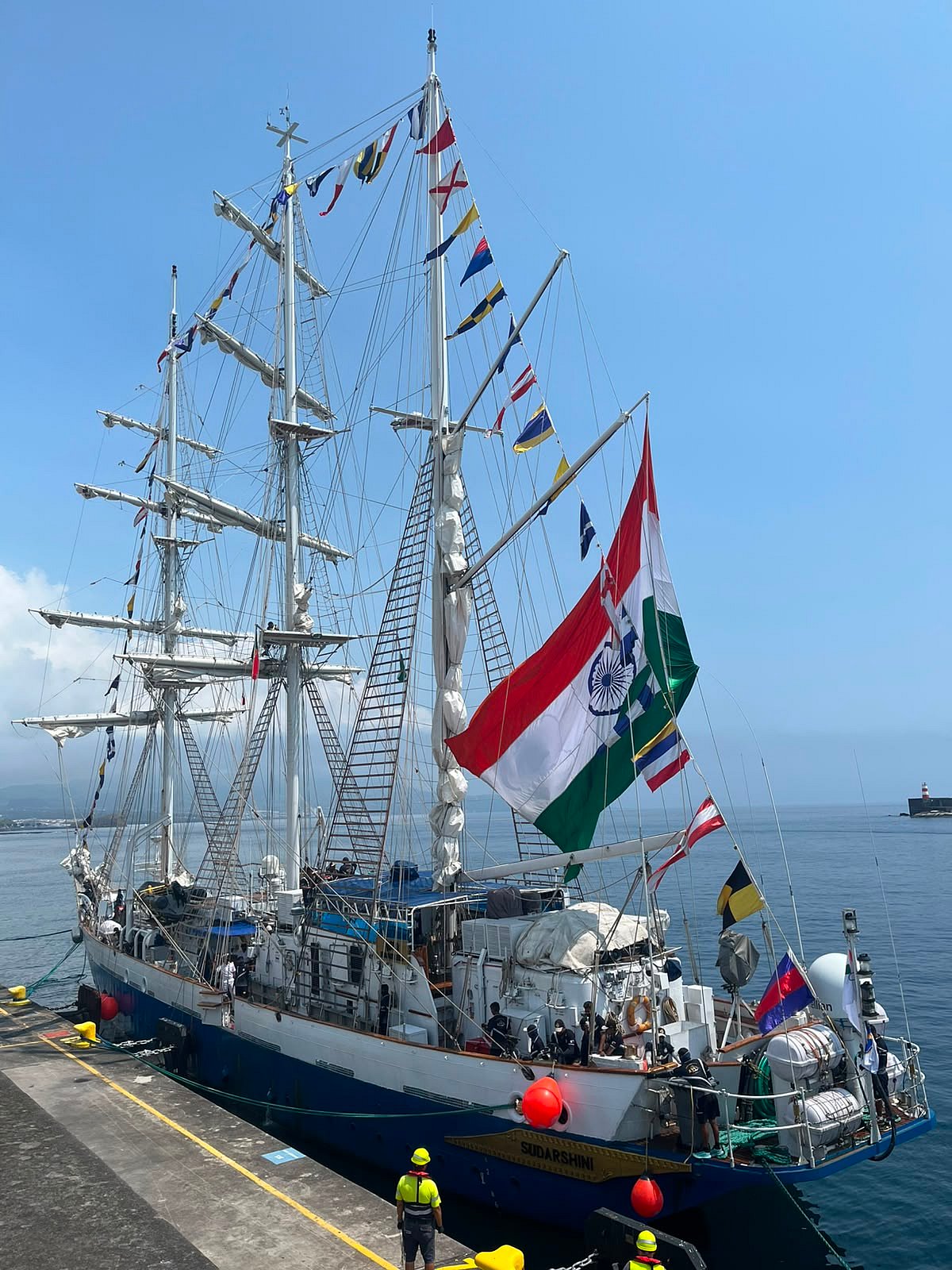
The arrival of the Indian sail training ship INS Sudarshini in Lisbon highlights the historical and modern maritime ties between Portugal and India. The visit underscores the shared history dating back to Vasco da Gama's arrival in Calicut in 1498, while also reflecting India's current geopolitical ambitions. As India expands its naval capabilities to protect its growing economic interests and secure vital trade routes, the ship serves as a floating ambassador, training future officers in both traditional navigation and modern naval warfare, reinforcing India's status as a rising global power in the Indo-Pacific.
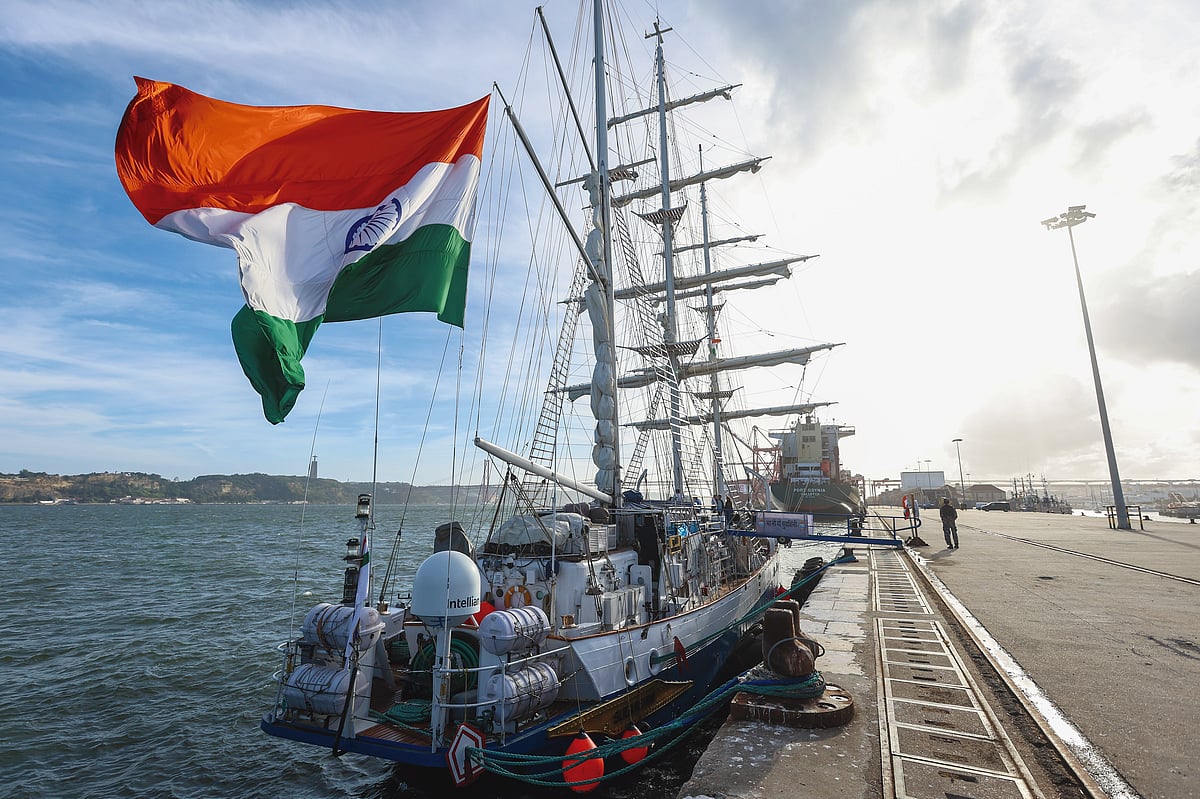
The Indian sail training ship INS Sudarshini is set to dock in Lisbon, marking its second stop in Portugal after visiting Ponta Delgada. Carrying 50 trainees and a 5,000-year maritime legacy, the vessel—whose name means 'auspicious vision'—serves as a floating ambassador for India. Built in Vasco da Gama, Goa, the ship's visit highlights the historical ties between India and Portugal, reinforcing shared interests in maritime security, freedom of navigation, and the protection of critical underwater infrastructure. The voyage, part of the ten-month Lokayan-26 expedition, also included a meeting at sea with its Portuguese counterpart, the NRP Sagres.
The traditional Inuit vessel opens the Faina Maior exhibition, bearing witness to the intercultural relations between Portuguese fishermen and the local population: a history yet to be explored.

The Portuguese naval ship Sagres serves as a key instrument of national diplomacy, recently supporting Portugal's successful bid for a non-permanent seat on the UN Security Council and participating in the 250th anniversary celebrations of the US Declaration of Independence. Known as Portugal's 'Roaming Ambassador,' the three-masted sailing ship highlights the country's maritime prestige. The article also details the history of the 'Five Sisters'—a group of five related sailing vessels, including the Sagres, the American Eagle, and the Romanian Mircea—and their recent competition for the Five Sisters trophy in US waters.
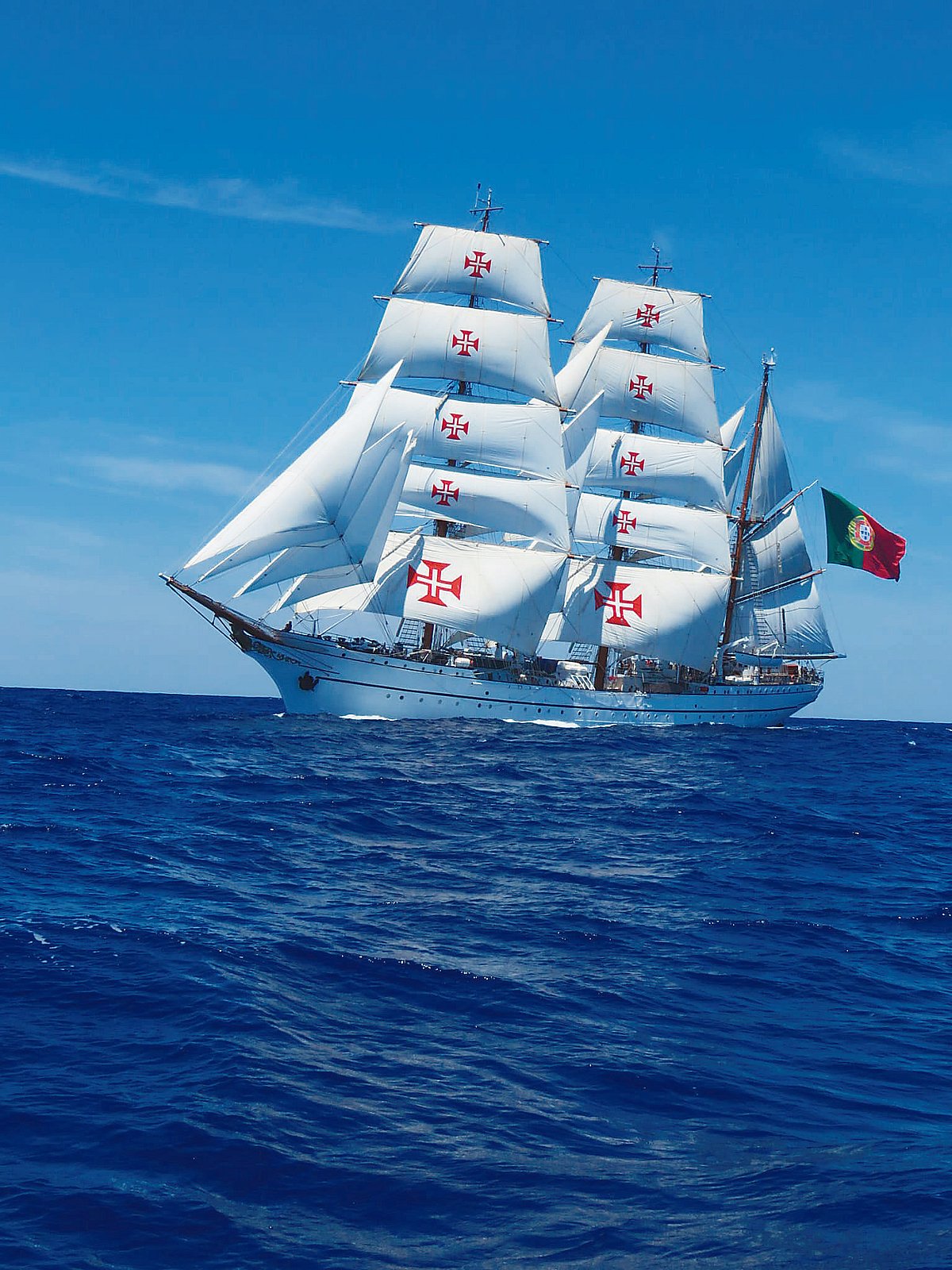

For too long, the sea was viewed almost exclusively as an economic, military, or strategic space. It was forgotten that a significant part of the national memory rests within it.

The Sagres participated in this event alongside sailing ships from the United States, Germany, and Romania. A gathering of ships that had not crossed paths in 50 years, celebrating the anniversary of American independence.

Following the reconquest of the Algarve, the Christian kings of Portugal looked over the sea towards North Africa. In particular, the great southward exploratory effort energised by Infante D Henrique (Henry The post Portugal in Morocco – Tavira’s role appeared first on Portugal Resident.
In this episode of “History Repeats Itself”, Lourenço Pereira Coutinho and Margarida de Magalhães Ramalho talk to Professor Henrique Leitão about the important contributions of Portuguese navigation to European science and how these voyages dispelled myths and fears.

It is inconceivable, almost anachronistic, that a country with our history remains with its back turned to an ocean that belongs to it.

The article reflects on Portugal's historical and strategic relationship with the sea, highlighting the importance of the Exclusive Economic Zone (EEZ) and the role of the Navy. Using the recent Navy Day celebrations in Setúbal as a starting point, the author argues that for concepts like the 'blue economy' and the strategic triangle of the mainland, Azores, and Madeira to be effective, they require significant investment in naval capabilities. The text also references the global recognition of Portuguese explorers, noting that their historical impact remains a cornerstone of the nation's identity and future potential.

In the ship wrecked in 1587 during Drake's attack on Cadiz, ceramic containers with olives in brine, animal remains, ginger boxes, and a woman's skull were found.
The vessel, built in the Mediterranean, belonged to Pietro Paolo Vassallo and was commanded by Clemente Vassallo
An analysis of how Portugal managed to secure the Strait of Hormuz historically with limited means, contrasting it with current US geopolitical challenges in the region.

Banned since the 1980s, whaling continues to shape the history and memory of the Azores. We went to listen to the former whalers and learn about the new ways of integrating cetaceans into the life of the archipelago.

Banned since the 1980s, whaling continues to shape the history and memory of the Azores. We went to listen to the former whalers and learn about the new ways of integrating cetaceans into the life of the archipelago.
For at least 100 years, the Portuguese made that area a military base and an economic control post, a kind of customs house where they collected fees for the passage of goods on a route that connected Asia to the Middle East.
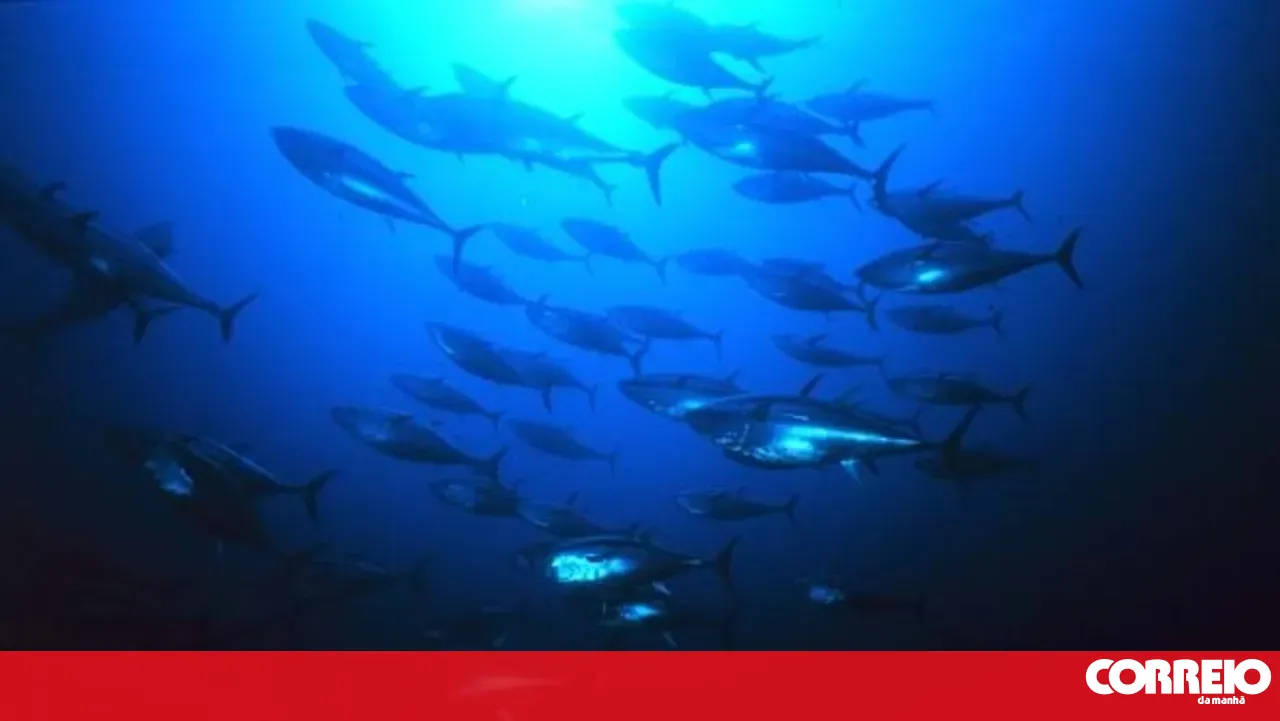
At the end of the 19th century, Nansen's expedition in search of the North Pole identified oceanic phenomena that allow for a better understanding of how sardines become abundant off the Portuguese coast.

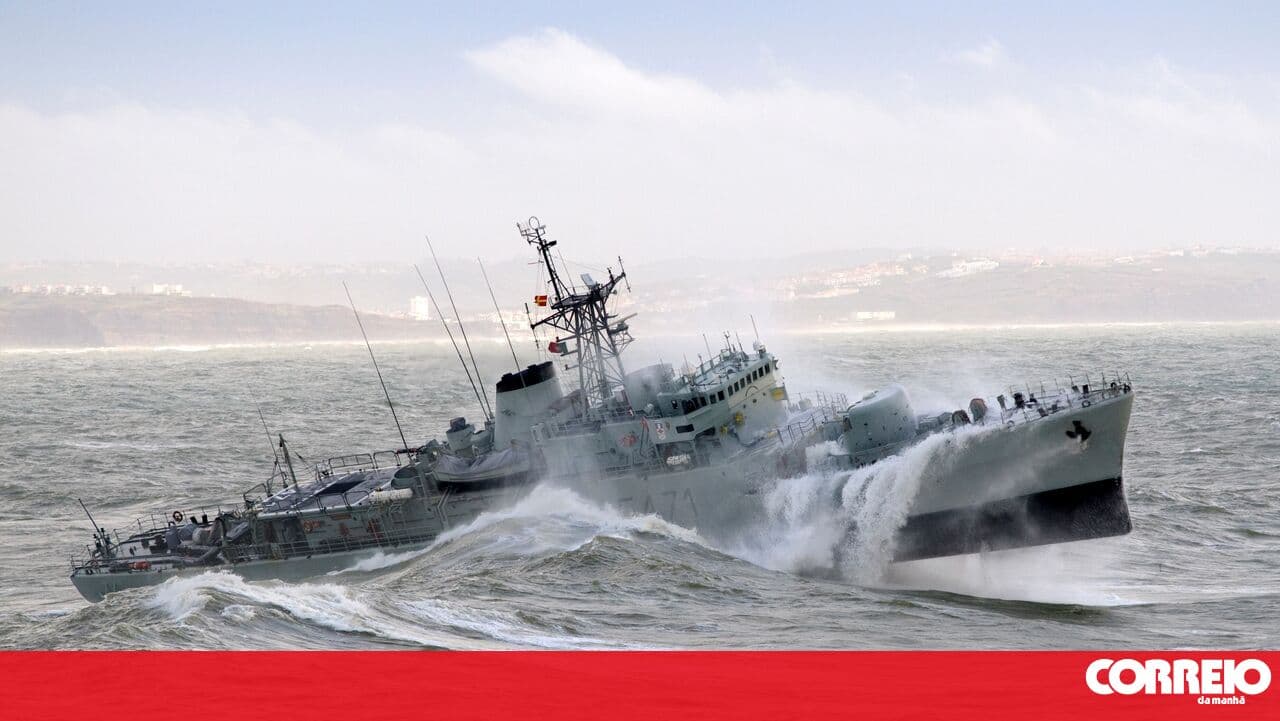
The Navy's oldest combat vessel enters a decommissioning state.
The blockade of the Strait of Hormuz is a threat to the global economy. Today it is because of oil and gas, 500 years ago it was for another strategic commodity: spices. The Portuguese resolved the issue for over a century.

Geography determines today, as it did for 14th-century Portuguese navigators, that whoever holds control of Hormuz holds the trade routes of the strait of the same name. And that is why this small island is as important now as it was 500 years ago.
Even without the global appeal of oil, the strait was already considered an essential point for our vision of the Orient.