ONE launches service connecting Port of Riga to Portugal

Latest news and stories about logistics in Portugal for expats and residents.
In 2021, the Government ordered the vacation and established a relocation schedule for existing infrastructure at the Bobadela Road-Rail Logistics Complex in Loures for the World Youth Day (WYD).

The Lisbon-Setúbal Port announced today that it is preparing the tender for the sale of the public stake in Silotagus, the company that holds the concession for the food grain terminals in Trafaria and Beato.

Customs representatives praise the creation of a customs office in Sines, but believe the Government could go further and move forward with a Free Trade Zone on the Alentejo coast, similar to the one in Madeira. The head of the Order of Official Customs Brokers (ODO) states that the creation of the Sines Customs Office constitutes a major milestone.
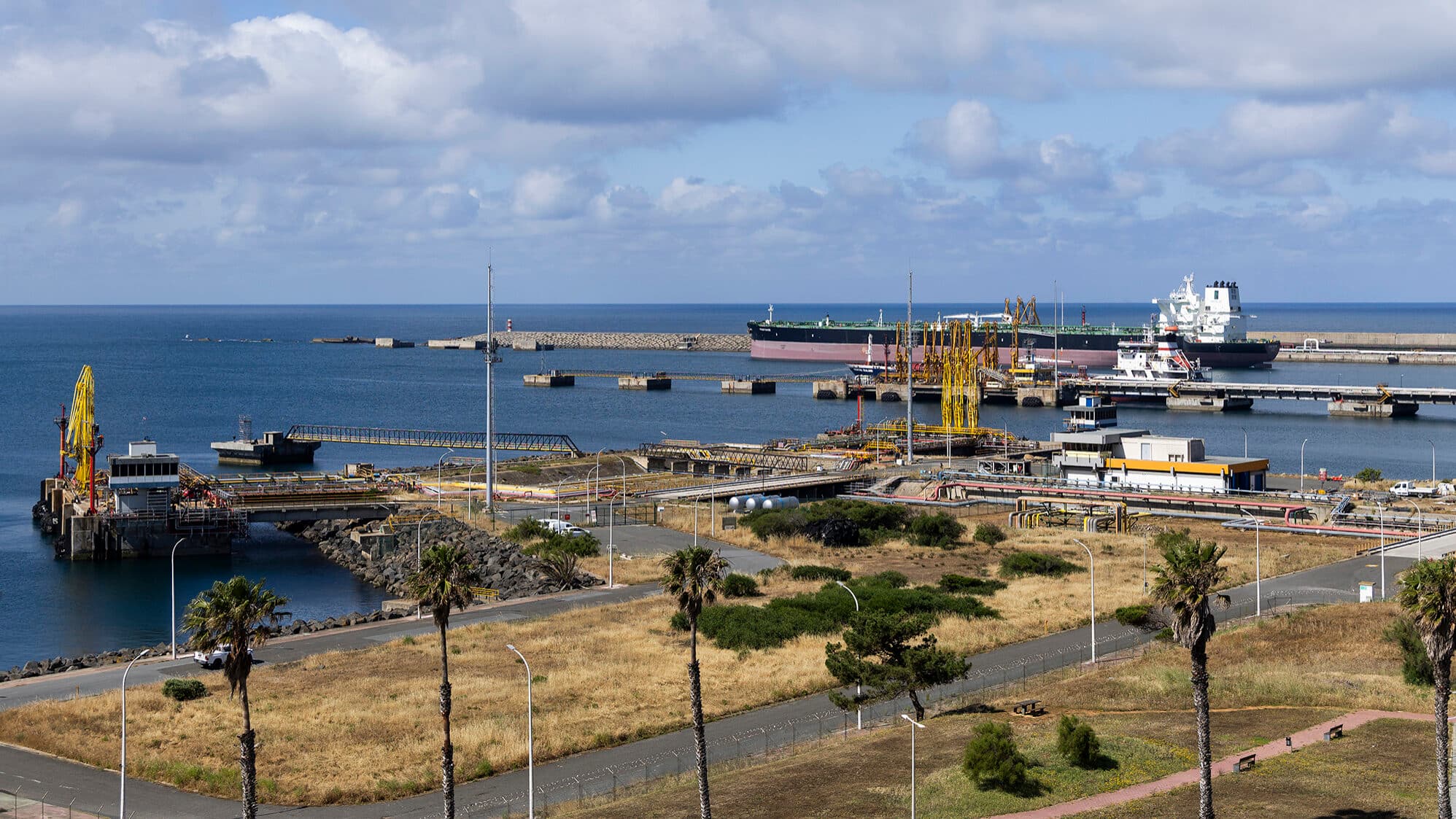
The Minister of Finance confirms that the new customs facility in Sines will begin operations in January of the coming year.

The Sines Customs office will become operational in January 2027, the government announced today during a visit by the Minister of Finance to the facility, with the minister stating it is an important change for the country's main port.
Portugal will have a different customs office next year. Starting January 1, 2027, the new Sines Customs Office will be operational at the Port of Sines facilities. The Government's goal in creating this department for collecting customs duties and inspecting goods is to strengthen the organizational structure of...
The person responsible for Iberian operations states that InPost's main priority is to expand its network coverage within Portugal.

DPD Portugal makes it easier to send books purchased at the Lisbon Book Fair.

DPD Portugal offers convenient shipping services for books purchased at the Lisbon Book Fair in 2026.

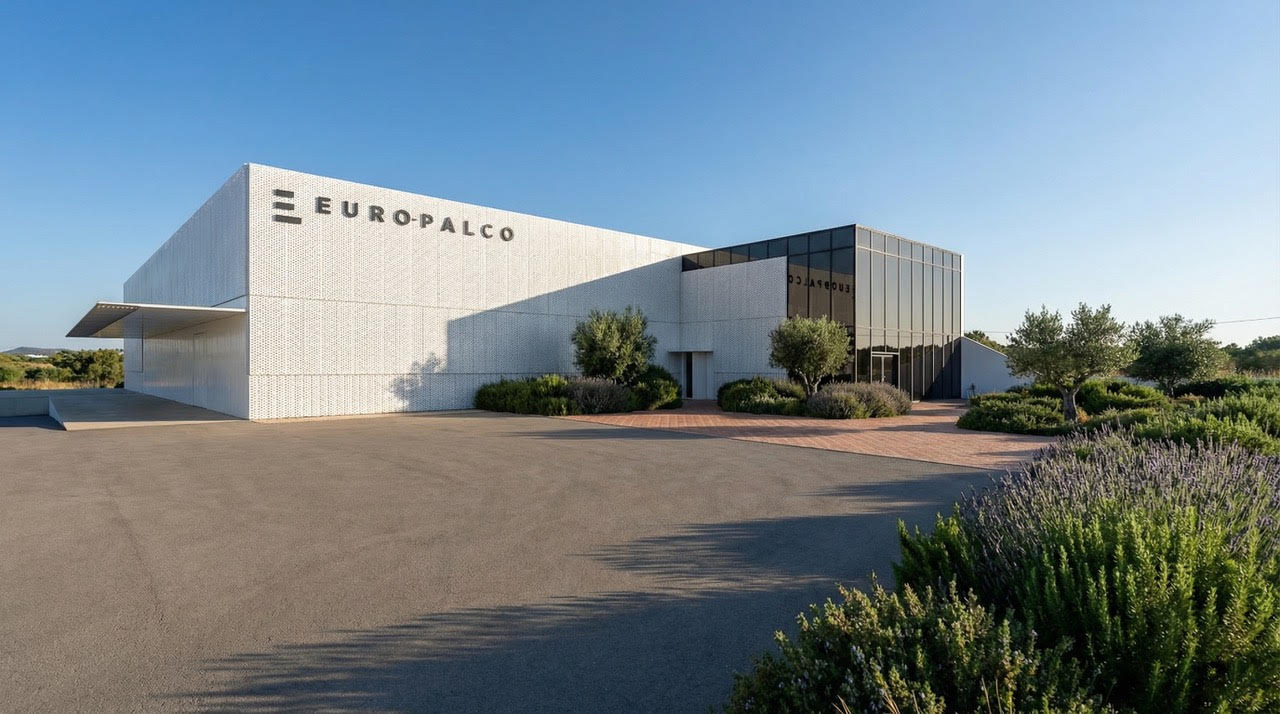
Soledad Portugal has expanded its operational capacity by opening a new distribution facility in the Lisbon area.
The largest infrastructure of its kind in the country for cargo handling, the port of Sines, an anchor of the region's economy for about five decades, is accompanying the current multi-billion euro investment in the municipality with a plan that includes a new freight terminal, a boost in renewable energy, and a focus on the mineral sector.
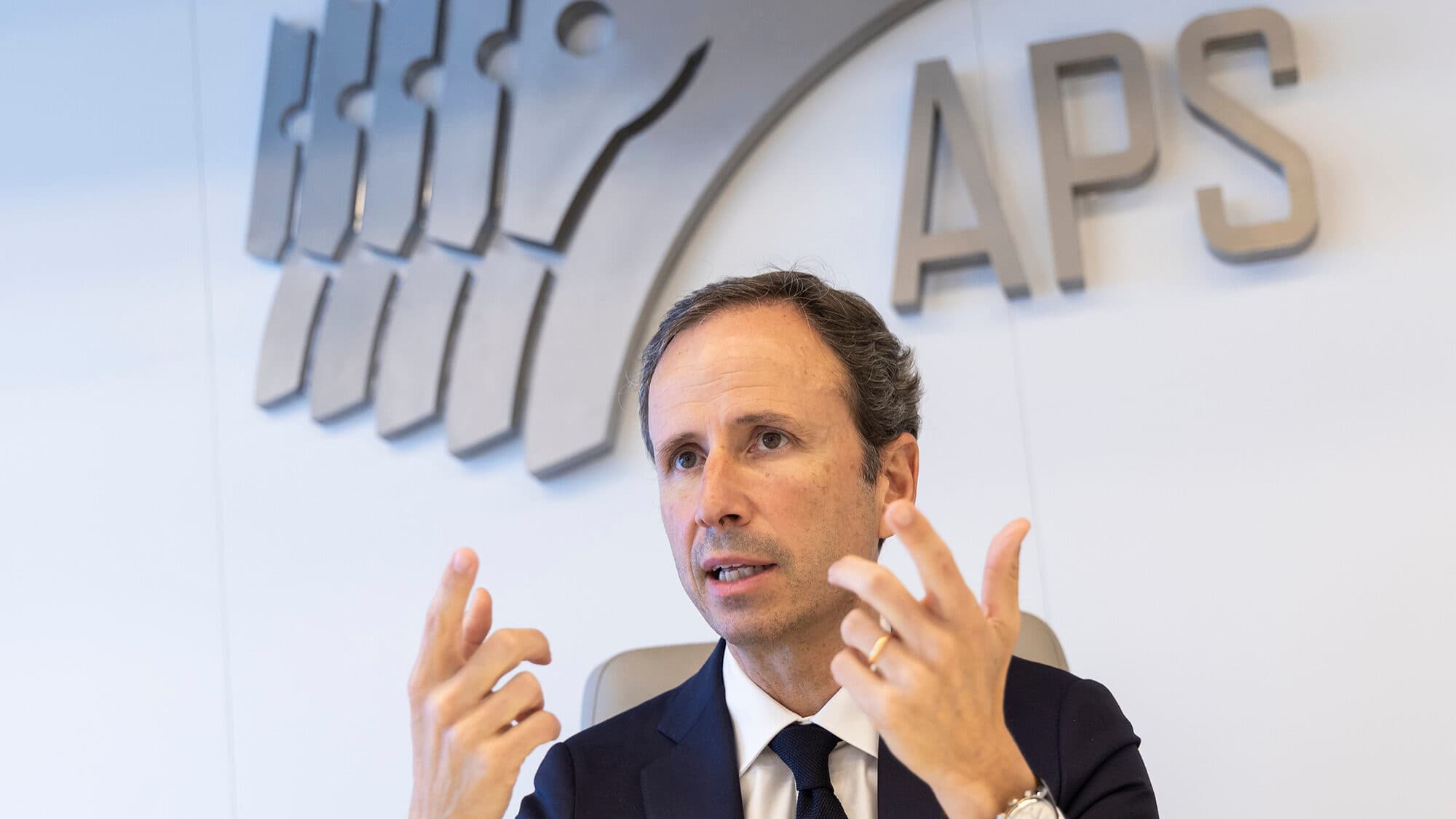
Aircraft refuelling was at risk due to fuel contamination.
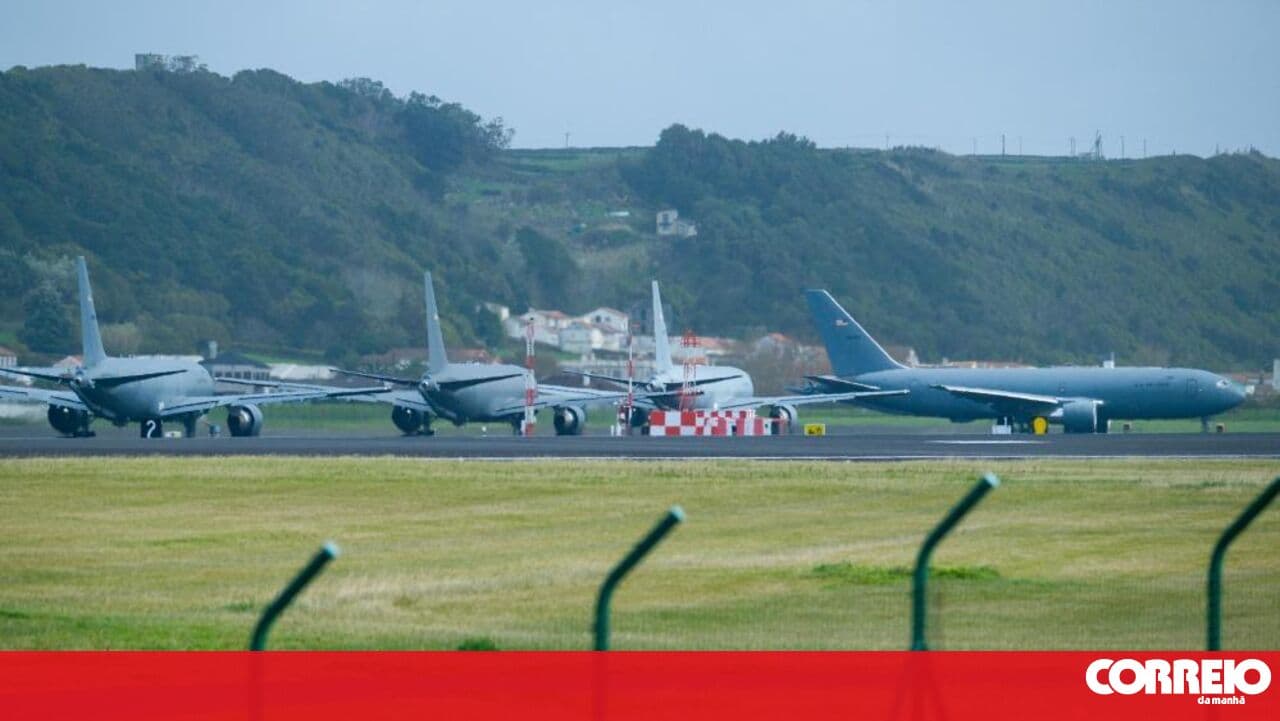
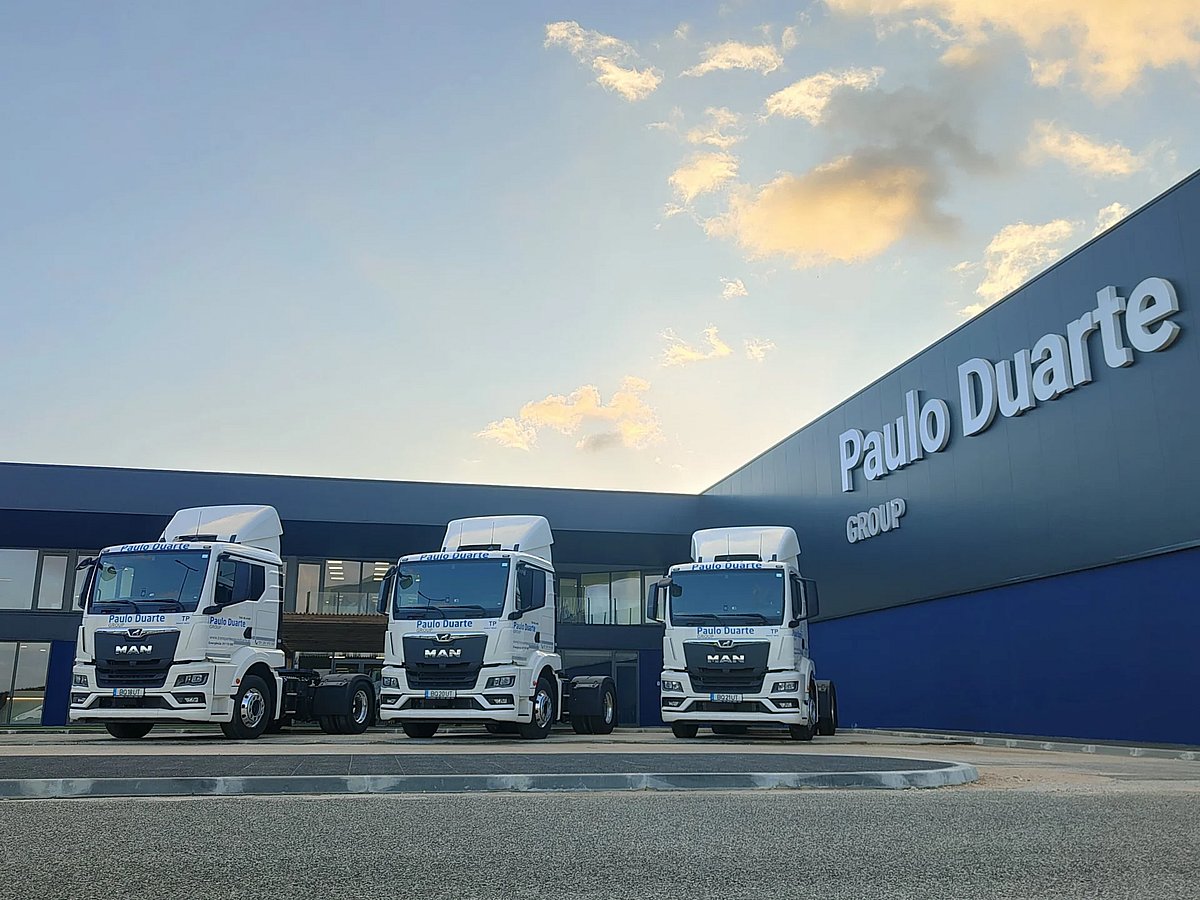
The Competition Authority (AdC) has approved the acquisition of Transportes Paulo Duarte by Viator Invest and the Paulo Duarte Family, concluding that the deal does not create significant barriers to competition in the market. In a statement, the AdC noted that its Board of Directors decided on May 13th not to oppose the merger, as it is not expected to hinder effective competition in the national market. The transaction was notified to the regulator on April 17th. Viator Invest is controlled by the British alternative asset manager ICG, while the Paulo Duarte Family controls the Paulo Duarte Group, which operates in logistics, fuel, vehicle maintenance, and road transport. Transportes Paulo Duarte specializes in bulk liquid transport, hazardous materials, and temperature-controlled goods in Portugal and Spain. Paulo Duarte aims to reduce jet fuel transport to Lisbon airport by 50%.

InPost began 2026 with strong revenue momentum, reaching 910.5 million euros, a 31% year-on-year growth that accompanies a 32 percentage point increase in managed parcel volumes, totalling 359.2 million in the first quarter. Performance was driven by international growth and the rapid expansion of its locker network across Europe, according to the European logistics company that delivers parcels out-of-home using automated lockers and local small businesses (pack points). Business outside of Poland, where the company was founded, now accounts for 53% of group revenue. Adjusted EBITDA stood at 212.7 million euros, down 4% year-on-year, reflecting strong performance in Poland and the Eurozone alongside investments related to operational transformation in the UK following the integration of Yodel. Founder and CEO Rafał Brzoska highlights that, across all geographies, they continue to grow above the e-commerce market, expanding their pan-European out-of-home logistics platform and the convenience offered to both consumers and merchants.

Brussels has given the green light and the partnership has been finalised. CTT and DHL now have an alliance for parcel distribution across the entire Iberian Peninsula. The financial gain for CTT was slightly lower than estimated in December 2024.

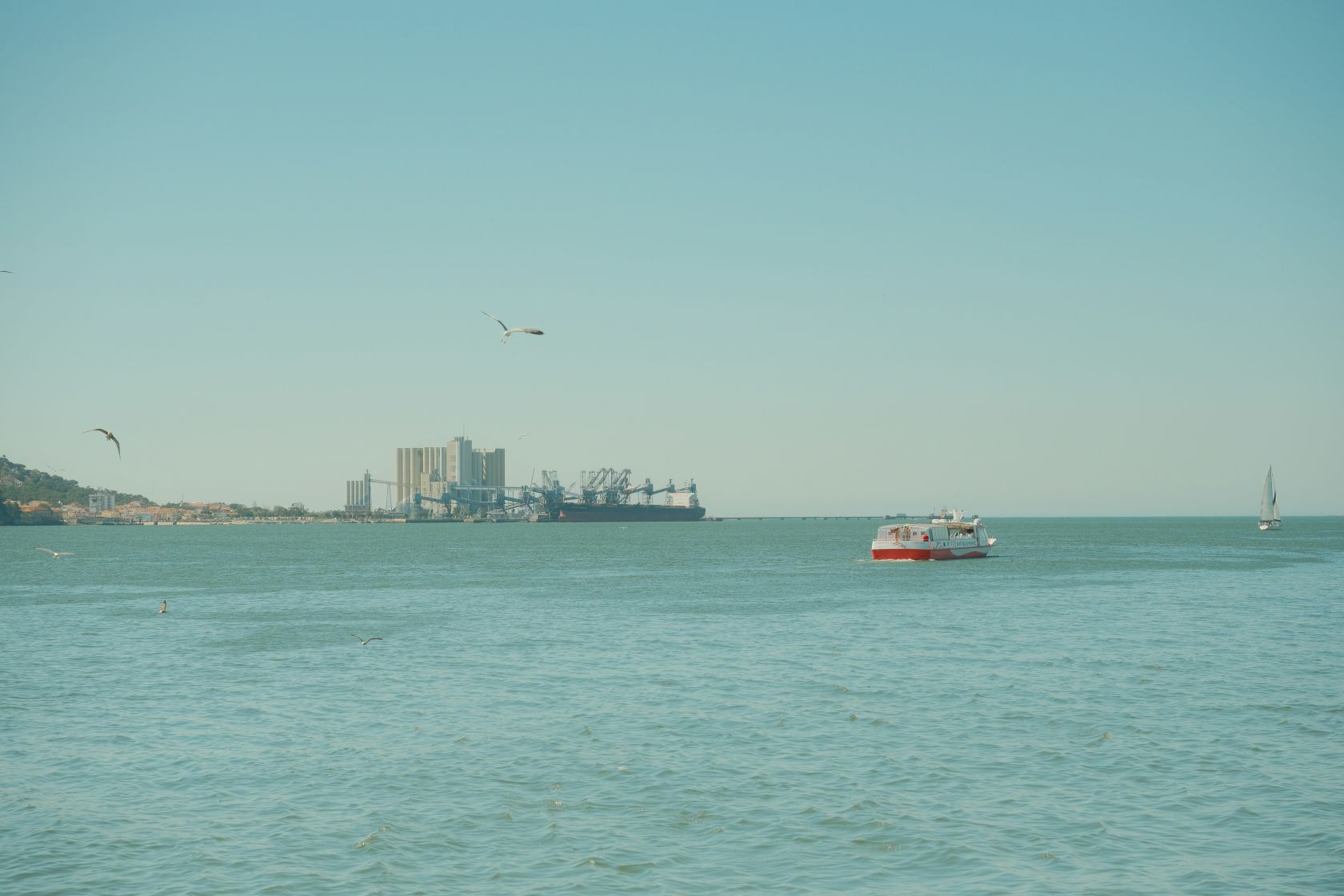
Preparations are complete for the docking of the vessel MV Hondius.
NATO officials express concern regarding US engagement while highlighting Portugal's role in providing logistical support for European operations.
GS1 Portugal has recognised Planície Verde and MC Sonae for their initiatives in the tracking of fruit and vegetable products.

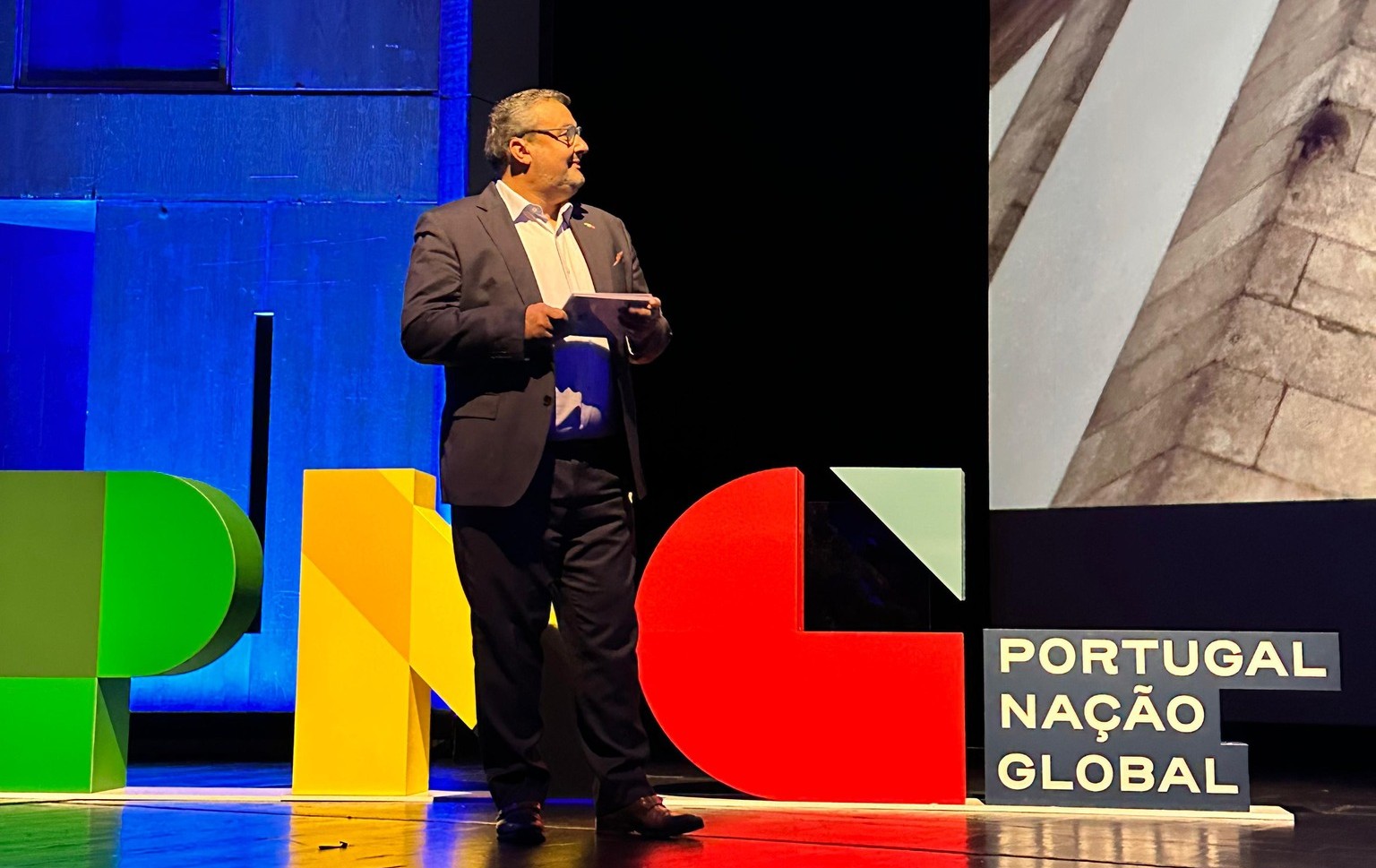
The Alto Alentejo region reinforces its strategic role within the Portugal Global Nation initiative.
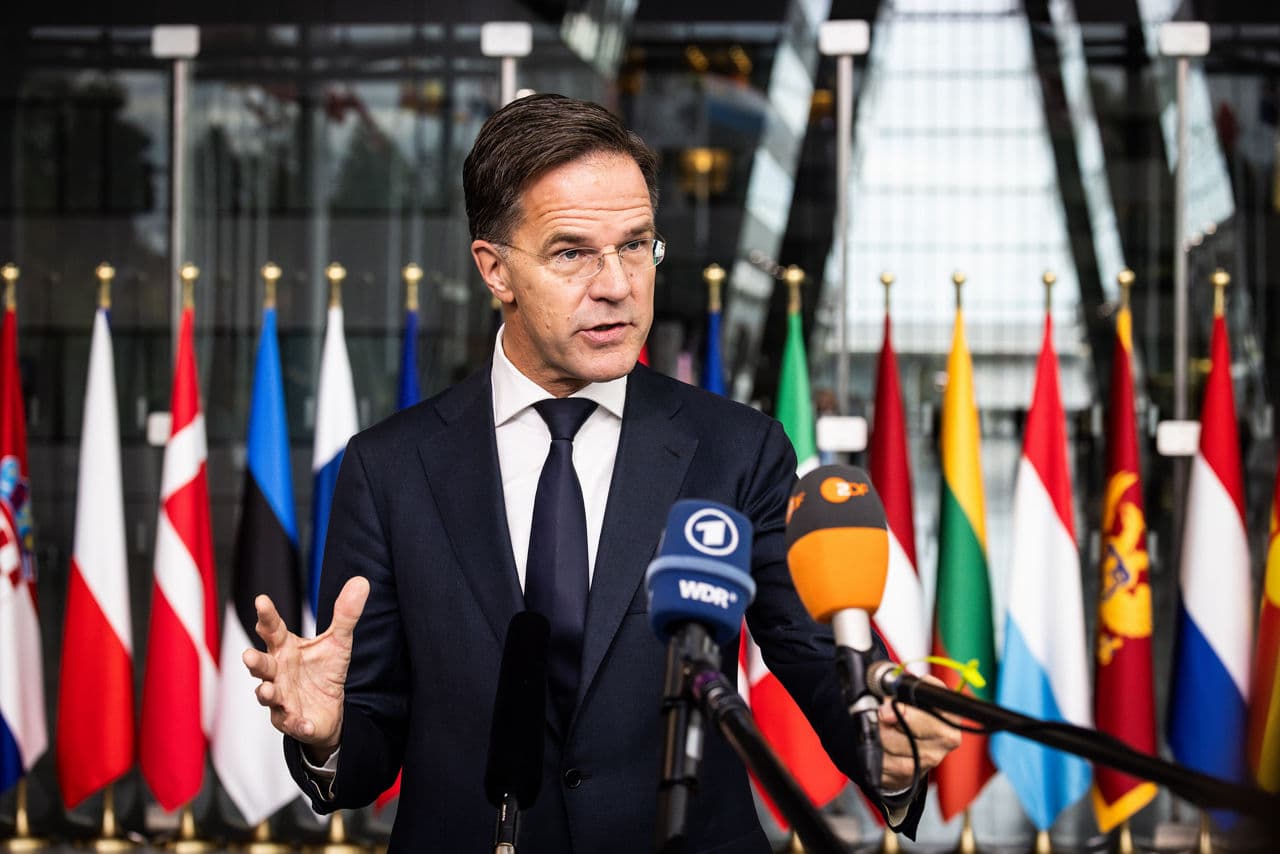
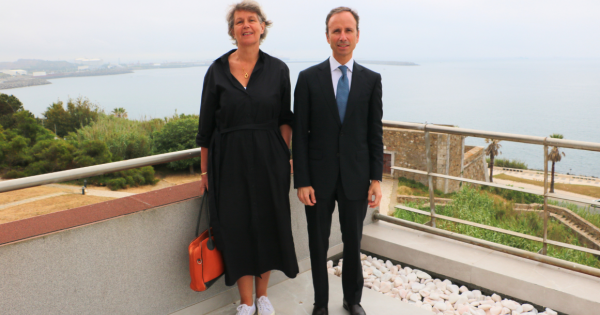
The Ambassador of the Netherlands to Portugal visited the Port of Sines to discuss bilateral relations and logistics.
Patrícia Chambel from DHL Express Portugal discusses the need for standardisation when teams operate inconsistently.
The Dutch ambassador to Portugal conducts an official visit to the Port of Sines to discuss trade and logistics.
The 'route' of major supply markets will include the south bank of the Tagus, according to the Portugal Transformation, Recovery and Resilience (PTRR) programme, presented this Tuesday by the Prime Minister in Lisbon. In the document, the Government identifies the 'definition of the base logistics network for essential goods and services' as a long-term measure.