

"Nazarena". New novel by Karina Sainz Borgo portrays the life of a dysfunctional family
🎭 Culture#literature+1 more
The new novel by Venezuelan writer Karina Sainz Borgo portrays the life of a dysfunctional family.
rtp.pt
Latest news and stories about literature in Portugal for expats and residents.
The new novel by Venezuelan writer Karina Sainz Borgo portrays the life of a dysfunctional family.
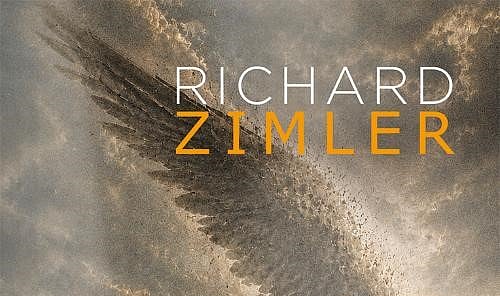
The upcoming literary season features hundreds of new releases, with Richard Zimler's dystopian trilogy, 'O Voo dos Anjos Caídos', standing out as a bold project. Other notable releases include works by Hernán Diaz, Ana Maria Gonçalves, Francisco Louçã, and various Portuguese authors across major publishers like Bertrand, Leya, and Porto Editora, covering genres from fiction and history to poetry.
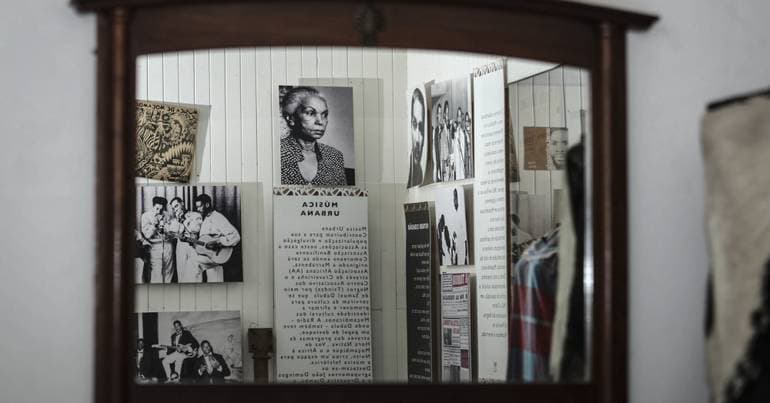
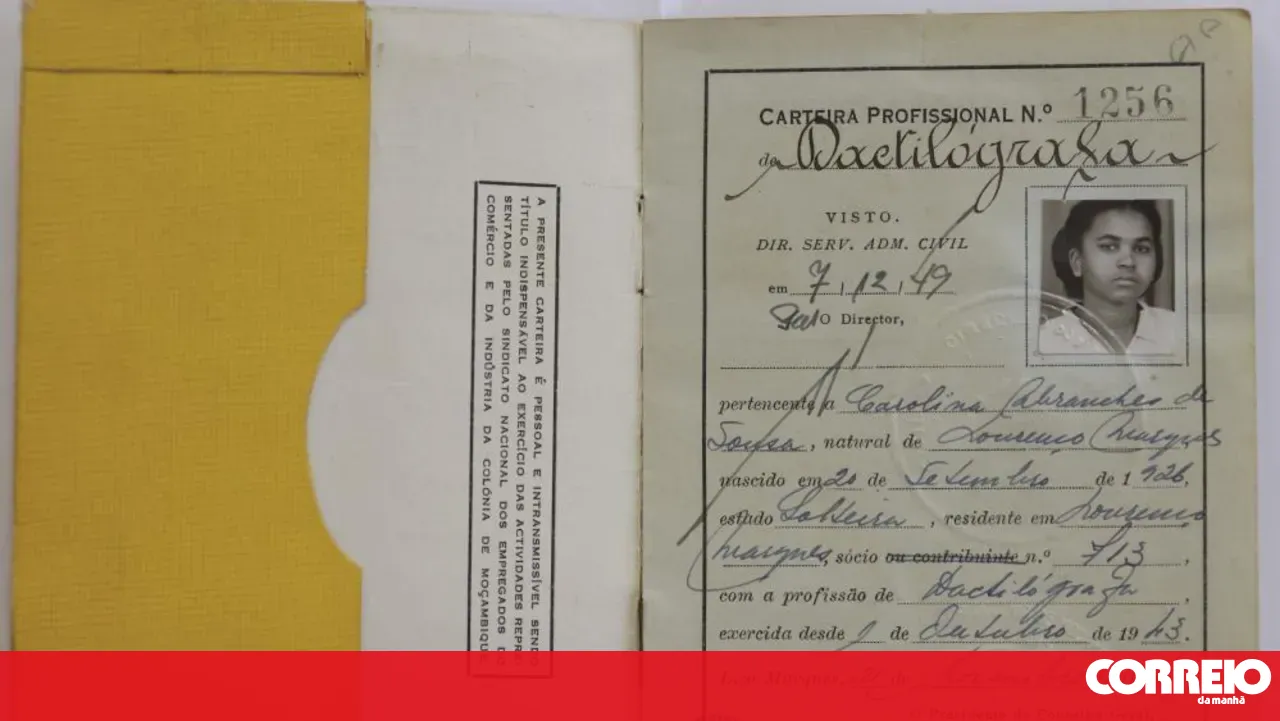
Noémia de Sousa was the first Black woman to publish poetry in Mozambique. On the centenary of her birth, young poets seek to immortalise the poet in streets, libraries, and avenues.
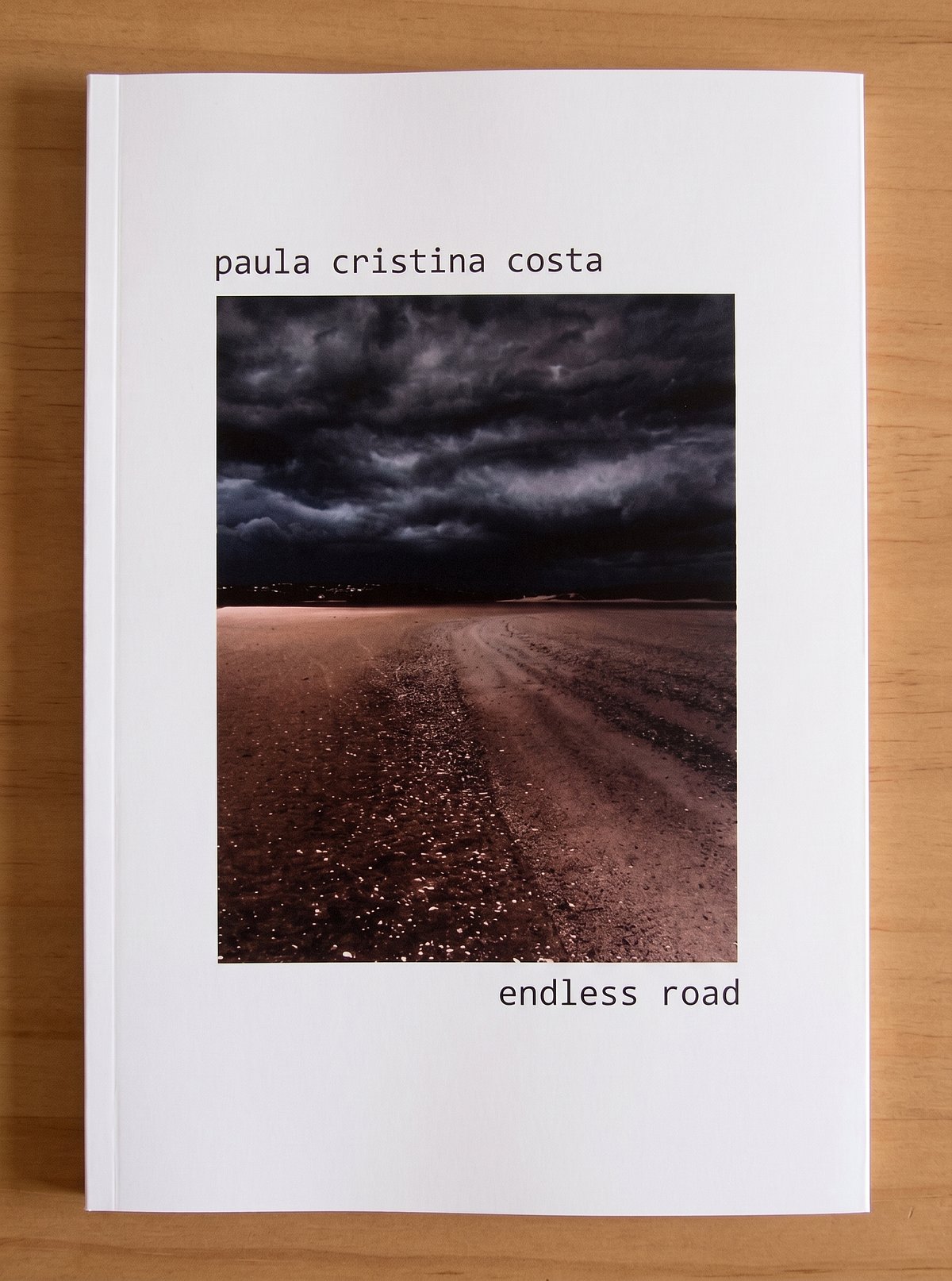
An analysis of the poetry of Paula Cristina Costa, specifically her collection 'Endless Road', exploring how her work engages with avant-garde traditions, surrealism, and the influence of poets like António Ramos Rosa and Herberto Helder. The text examines how Costa uses metaphors of the house, the orange, and the body to construct a metapoetic discourse that treats the poem as a living, evolving entity rather than a mere object of irony.
The novel 'Um Defeito de Cor' arrives in Portuguese bookstores this week, published by Bertrand. The book by Brazilian author Ana Maria Gonçalves will be available from September 17. The work is a historical novel that tells the saga of Kehinde, a Black woman who, at the age of eight, is kidnapped in the Kingdom of Dahomey (modern-day Benin) and taken to be enslaved on the Island of Itaparica, in Bahia. The story narrates the character's life, including her loves, disappointments, sufferings, and journeys in search of one of her children and her religious identity. Ana Maria Gonçalves was inspired by a real historical figure, Luísa Mahin, mother of the poet Luís Gama and a participant in the famous Malê Revolt. Bertrand classifies the book as an absolute milestone of contemporary Brazilian literature.
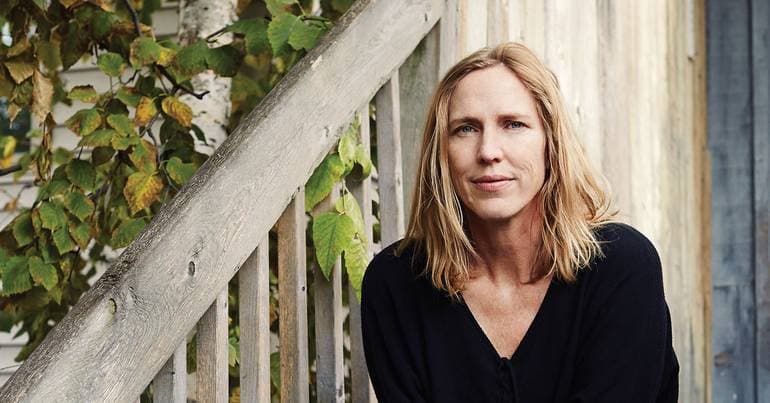
On one hand, 'All My Puny Sorrows' is a family story about empathy and suicide. At the same time, it is a journey into the intimate corners that one (almost) never reaches.
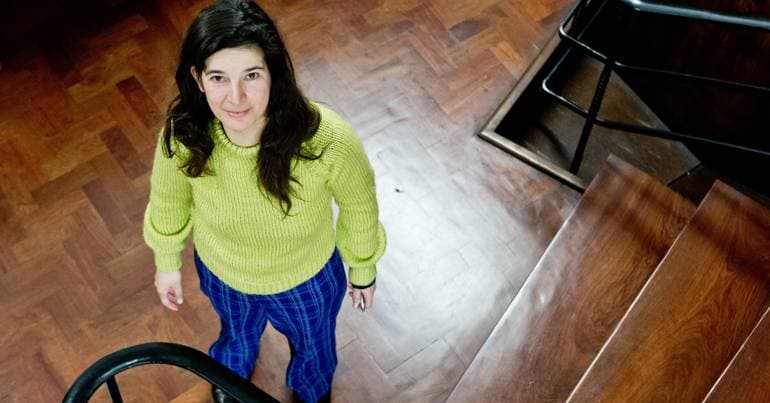
With 'Da Noite Para o Dia', her second graphic novel, Sofia Neto consolidates an admirable career as a comic book author. Ípsilon spoke with the artist.

Three publishing groups have publicly presented their new releases for the coming months.
Joaquim Manuel Magalhães drifting through the Azores islands. A travel book that is not a travel book. The unique prose of a poet who never ceases to be one, whether evoking journeys or meditating on verses.

Mário Cláudio has a new book, 'Pôr-do-Sol com Leão Deitado'. At 84 years old, the writer asserts that writing is synonymous with living.

Olga was depressed after giving birth. Maternal obligations had forced her to stop dancing. She used to be a fascinating woman, but now she was far below her usual splendour. A chronicle by Cláudia Lucas Chéu.
The initiative by the former President of the Republic opens with a tribute concert to the late Portuguese writer and closes with a performance by the band GNR. In between, there are performances by ÁTOA and NAPA.

In 'Do Amor e de Outros Fantasmas' (Of Love and Other Ghosts), the second book of short stories by Joana Bértholo, there are 26 stories and a lot of indiscipline. Between loss, love, and the question of who is telling the story.

The debut novel by Hélder Teixeira Aguiar, winner of the 18th edition of the Agustina Bessa-Luís Revelation Literary Prize, “Na Tua Mão” does not waste time with fluff: instead, it throws raw life at the reader, without hiding behind beautiful sentiments.

Gerald Murnane announced that 'Border Districts' (2017) would be his final novel. But in this book, the 'I' is confused with the empirical author, the plot is sparse or non-existent, and the psychology is almost useless.

“Manual para andar espantada por existir” (Manual for being amazed to exist) wins the 2025 Grand Prize for Novel and Novella by author Patrícia Portela. The prize has a monetary value of 15,000 euros.
Bertrand Group/Círculo de Leitores announces new releases for the final four months of the year.

This article explores the profound cultural and intellectual impact of Antero de Quental, highlighting the recent publication of the second volume of his complete prose by Tinta da China. It examines his socialist thought, his role in the Casino Lisbonense Conferences, and his enduring ethical influence, drawing parallels between his critiques of political corruption and contemporary societal challenges.
The 2017 Leya Prize winner has a new title on the market called 'Aguarela de Paris'.

Four poets from Brazil, Hungary, and Palestine will join four Portuguese authors at Casa Fernando Pessoa in Lisbon. There will also be a concert by Selma Uamusse.
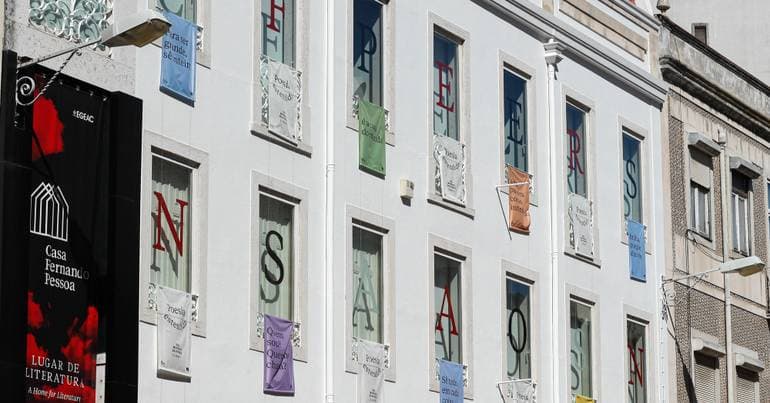
The seventh edition takes place from October 16 to 18 at the Casa Fernando Pessoa in Lisbon.
The 11th Amadora Book Festival, themed “The other centres of the word”, begins on Friday. The programme, which includes autograph sessions and talks, is free of charge with the exception of the literary dinner.
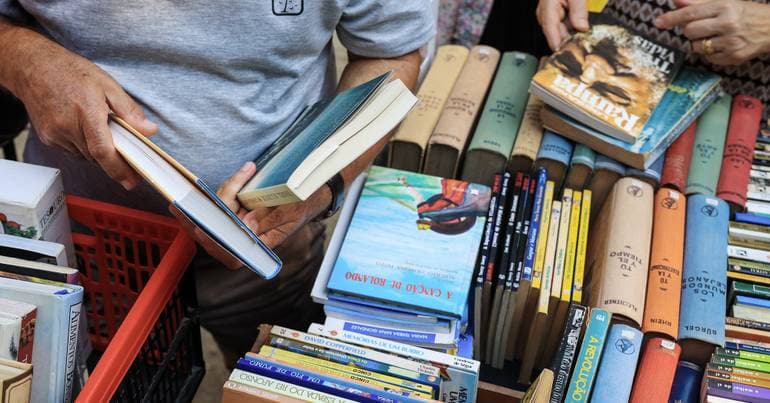
The latest novel by Paulo Moreiras, 'Fortunas e adversidades de Luciano de Megera – Burro de muitos anos', explores the picaresque genre through the eyes of a donkey. Moreiras draws inspiration from classical works like Apuleius' 'The Golden Ass' and 'Lazarillo de Tormes' to offer a satirical critique of society and human misery. The author discusses his writing process, his fascination with the picaresque style, and the challenges of getting his work published in Portugal.
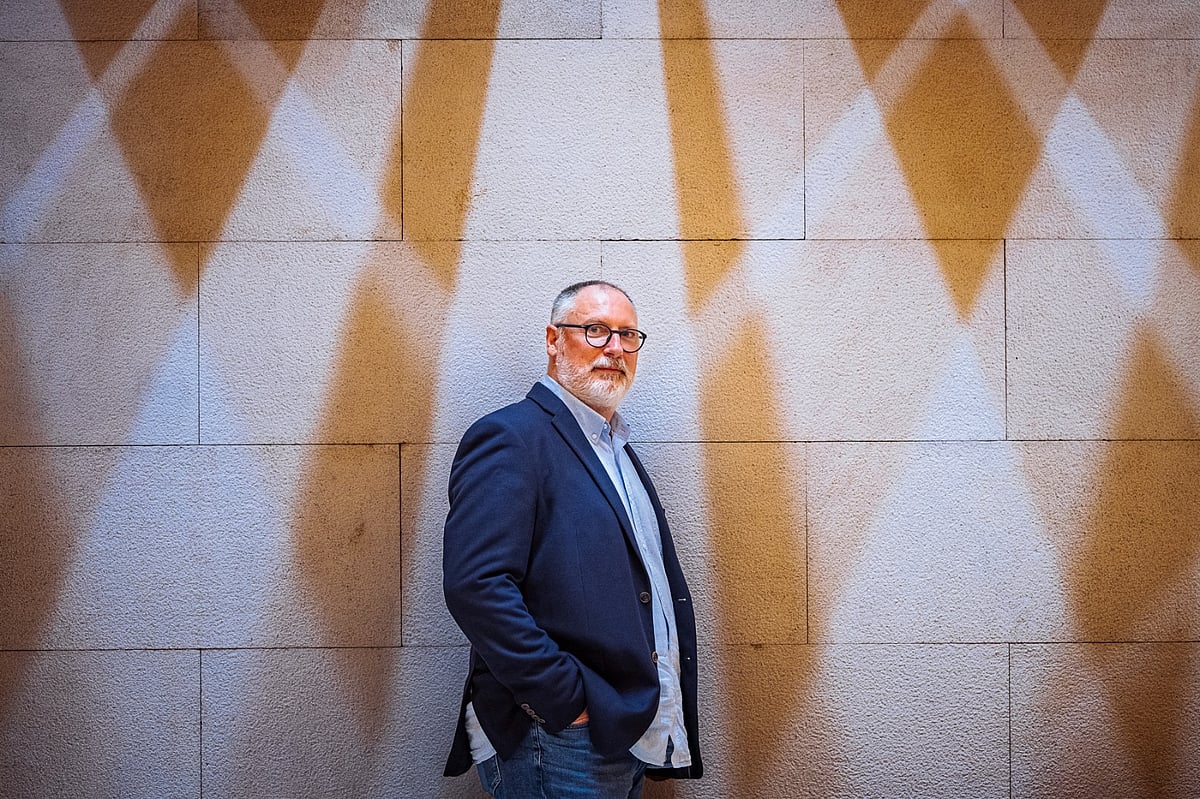
The Porto Book Fair closed its doors with over 200,000 visitors in 17 days. Booksellers are “satisfied” with sales.

Therein lies the purpose of reading: to authorise an infinite journey. Besides, paraphrasing an old song by Caetano, it is books that keep us from throwing ourselves out the window.

With “A Insubmissa”, originally released in 2020, Antígona begins the publication in Portugal of the work of one of the most highly regarded Latin American authors.
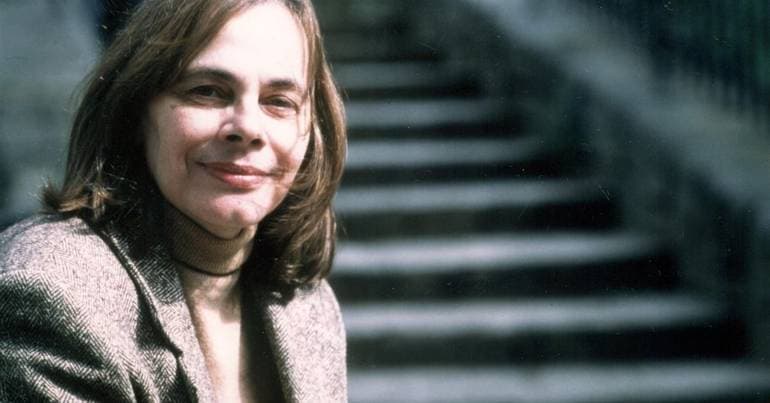
Maria do Céu Novais had the privilege of starting her journalism career with Noémia de Sousa, a Mozambican writer known as the mother of Mozambican poets, as her colleague and editor at the Lusa agency.
When she finished primary school, Filipa Leal already imagined herself as a writer. She graduated in London and is now a journalist, poet, and writer, author of short stories, film scripts, and plays. On television, she has presented several literature programmes, such as “Nada Como Dante” and “A Pequena Biblioteca” on RTP. Humour and subtle irony, alongside darkness, are two sides very present in her poetry. With 16 books published, she is preparing to release her new poetry book, “Amor chega em breve num Volkswagen”, in October, published by Assírio & Alvim. Listen to her in this conversation with Bernardo Mendonça.

One of the most renowned Portuguese editors, responsible for publishing many Nobel Prize winners in Literature in Portugal, has been appointed to the editorial management of LeYa's General Publishing business.
In “Dying to Think”, Pascal Quignard once again proves himself a thinker who does not systematise his thought, does not seek the rigid rigour of a philosophical system, but rather investigates the subjects that interest him with an omnivorous impetus.
