PJ admits that Odair Moniz may not have used a knife
Forensic analysis failed to find DNA or fingerprints on the knife allegedly used by Odair Moniz, with a PJ inspector testifying that surveillance footage does not show him holding the weapon.

Latest news and stories about police investigation in Lisboa, Portugal for expats and residents.
Forensic analysis failed to find DNA or fingerprints on the knife allegedly used by Odair Moniz, with a PJ inspector testifying that surveillance footage does not show him holding the weapon.

A man was shot dead inside a car in Queluz, Sintra, after being hit multiple times by gunfire. The PSP reports witnesses described the weapon as an automatic, military‑calibre firearm; the Polícia Judiciária has opened an investigation. Authorities are treating the incident as a serious public‑safety matter while enquiries continue.

The Judiciary Police (PJ) are carrying out search operations across multiple civil parishes in Lisbon, including the national headquarters of the Socialist Party (PS).

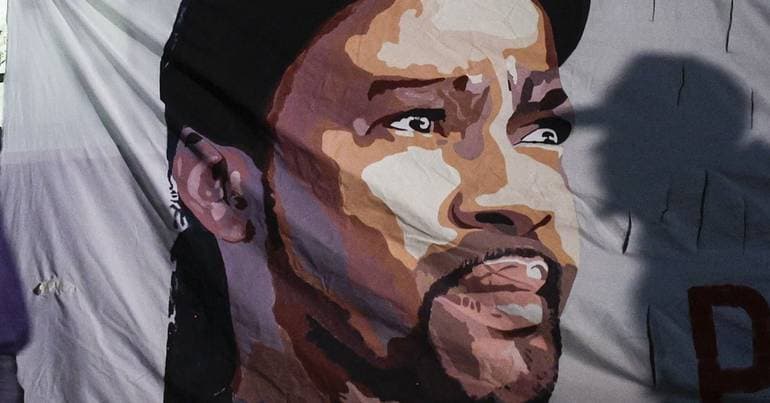
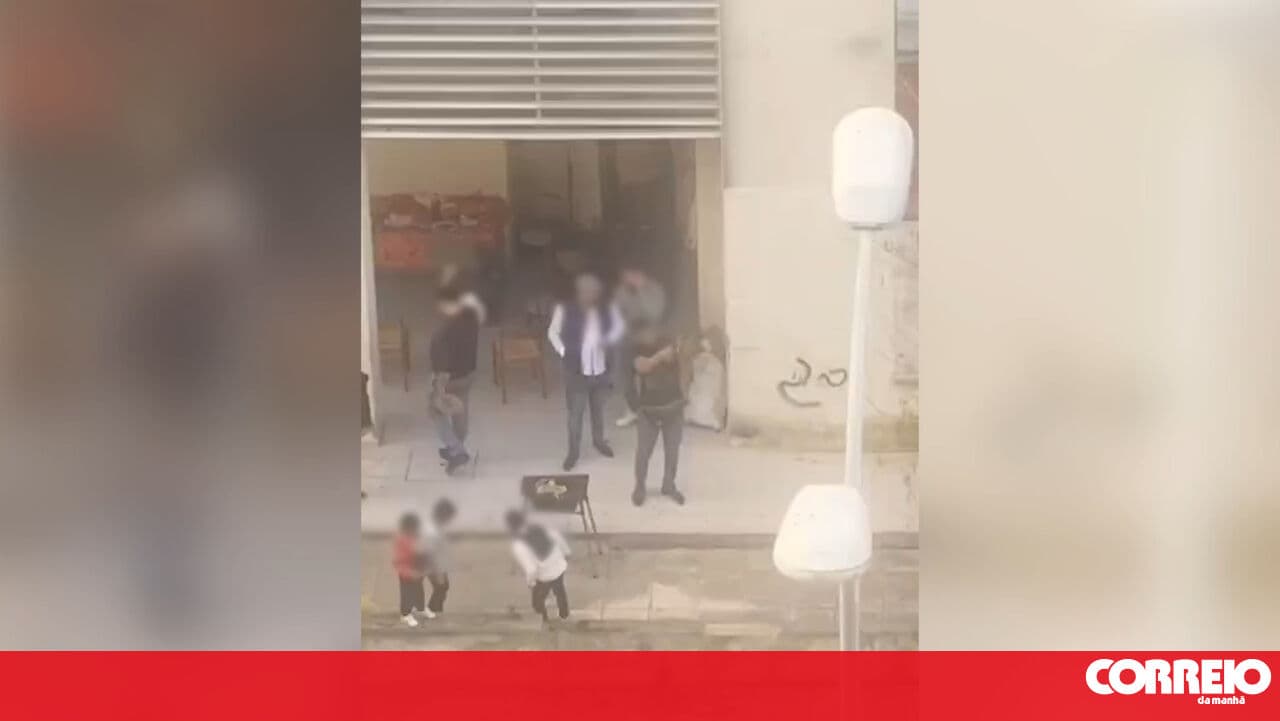
The Judiciary Police (PJ) chief inspector who led the investigation into the death of Odair Moniz testified on Monday, 18 May, that surveillance footage does not show a knife and that she was not informed of any weapon upon her arrival at the scene. During the trial at the Sintra Court, Inspector Cláudia Soares stated her conviction that no bladed weapon was involved, noting that no knife was visible when the victim fell, nor were there any biological traces on the knife later found near the victim's bags. While she confirmed that Moniz was violent and resisted arrest, she highlighted that police officers did not mention a knife when she arrived. The trial continues as other officers maintain they saw a knife near the body.

The chief inspector revealed in court that the cook was violent and acted against officer Bruno Pinto. However, cameras show he did not have a bladed weapon, and forensic laboratory tests reveal that the bladed weapon 'did not have any biological traces'.

Viseu beat Benfica B in Seixal 2-0, and Torreense defeated Lusitânia Lourosa away 2-1. Everything is postponed until the final matchday. Also, Putin rules out Trump from a peace agreement in Ukraine.

Judge Alexandre de Moraes suspended the law that allowed for the review of sentences for attempted coups d'état. The decision halts a potential reduction of Jair Bolsonaro's prison sentence.

The detainees' mobile phones revealed that a colleague warned the Rato officers about the searches. The alert allowed them to prepare their defences and even request medical leave on the eve of the police operation.

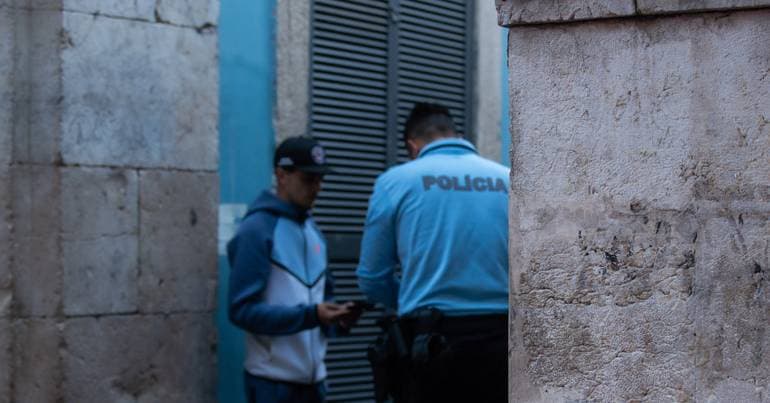
On Tuesday, 15 more PSP officers were detained (there are now 24 individuals involved from this security force, with 9 of them in preventive detention), whom the Minister of Internal Administration confirmed were on active duty.

Suspicions of torture and violations at the Rato police station in Lisbon led this Tuesday to the issuance of arrest warrants for 15 more police officers and one civilian, as well as 30 searches.

The police officers who were at the scene after the shots were heard continue to be questioned this Wednesday.

We are living through a difficult moment as a collective. Not everything we see, hear, or read is true, and not all reprehensible acts are sanctioned. Between perceptions, virtual reality, and deceptive narratives, we need greater lucidity. There is a growing voyeurism regarding public figures, but we must not confuse gossip with transparency, nor demand transparency in matters that do not concern the public interest. The author discusses three recent issues: the investigation into PSP officers at the Rato police station for crimes against vulnerable people, the lack of accountability in the Epstein case, and the importance of public examples of integrity in democracy, contrasting the President's decision to waive his subsidy with the privileged pension of the former Governor of the Bank of Portugal.

Public procurement continues to be a kind of Swiss cheese.

One of the officers specified that the knife was near Odair Moniz's left hand and had a black handle, but could not specify the size of the weapon or what the blade looked like.

Two officers appeared in court to confirm the version of their colleagues who were present at the death of Odair Moniz. “Threat with a knife” is the allegation made by Bruno Pinto for having shot him.

The Polícia Judiciária (PJ) arrested on Monday a 36-year-old man suspected of the murder of a 30-year-old woman in a car park on Avenida de Ceuta, near the Ceuta Sul neighbourhood in Lisbon.

The victim is reported to have been shot several times with an automatic weapon.

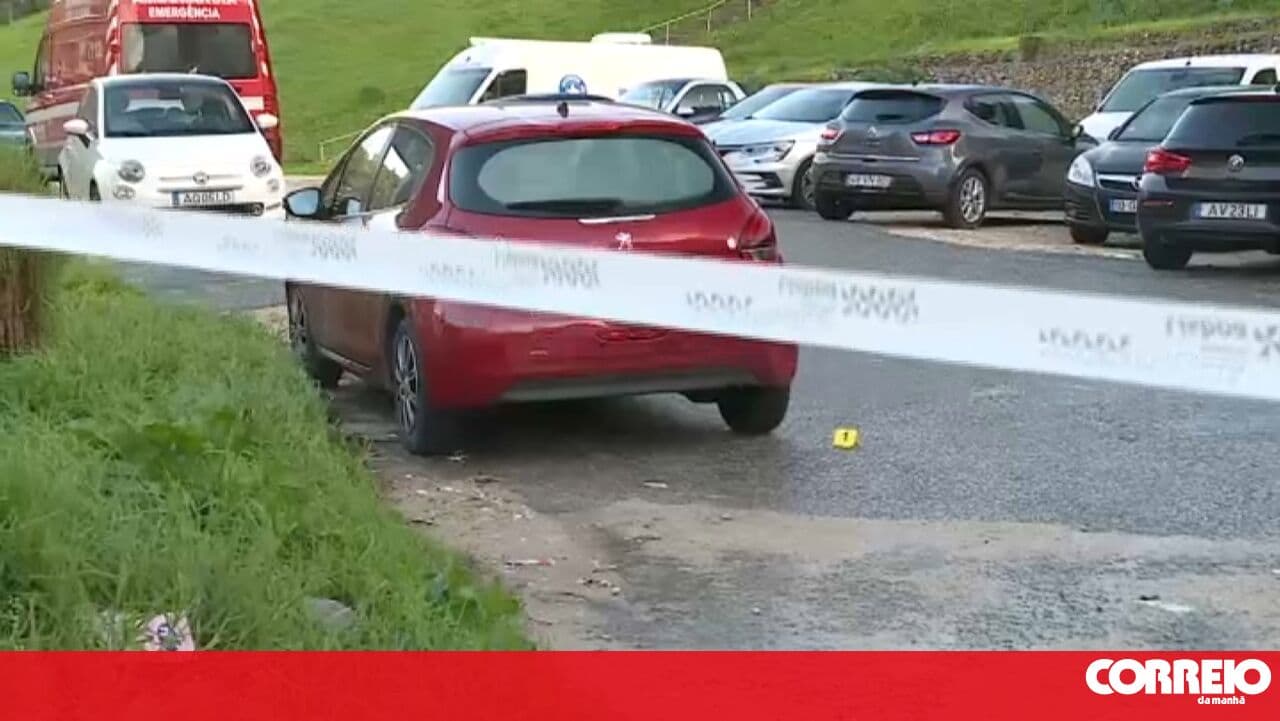
According to the PSP, the man was shot several times with an automatic weapon while he was inside a vehicle in Queluz.

Authorities detained the suspect in Lourinhã on the same day they found the body of Maria Custódia Amaral.

The victim was around 30 years old. The ex-partner did not accept the end of the relationship.

The case is under the jurisdiction of the Polícia Judiciária, which is investigating the circumstances of the incident.

A 44-year-old man was arrested by the Lisbon Judicial Police after the victim reported the crime.

A 44-year-old man is alleged to have raped his former neighbour inside the neighbour's home.

The 44-year-old victim was found disoriented after an assault in Estoril. The suspect has been remanded in custody.

According to authorities, the incidents took place in the summer of 2025 at the suspect's residence.

Men fired at least two weapons. One of them was wearing a ballistic vest.

The victim was chased after peering into a backyard and was shot inside a pizzeria. Shots also hit another man.

Authorities believe the 15-year-old boy may have been struck by a stray bullet.

Authorities are investigating the circumstances of the incident, and the case has been referred to the Polícia Judiciária.

Some PSP officers suspected of involvement in violent assaults on detainees at the Rato and Bairro Alto police stations in Lisbon remain on duty despite being under investigation. ISCTE researcher Otávio Raposo analyses the situation.