A Portuguese company that already operates in two dozen municipalities and in Brazil is heading to Bologna and Milan in April. The system assists local authorities in defining actions to prevent overflows.
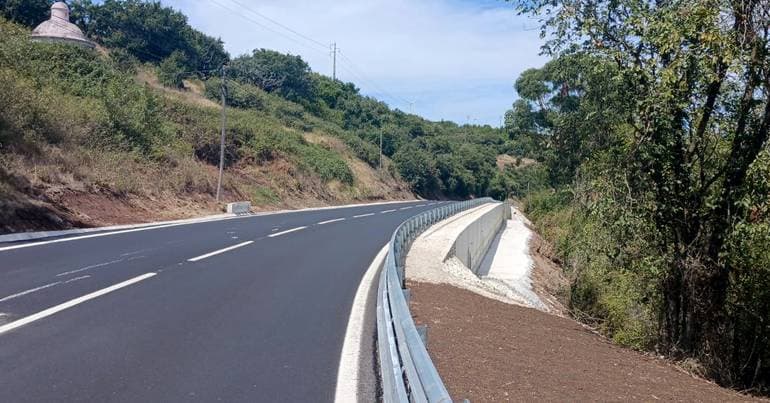
The article highlights that Infraestruturas de Portugal has resolved over 90% of road closures across the country. Additionally, it reports the opening of the first regional emergency department at Loures Hospital on Monday. Other updates include economic concerns about rising fuel prices despite discounts, political developments such as José Luís Carneiro's re-election within the Socialist Party, and ongoing international tensions in the Middle East involving Israel's new offensive and attacks on US bases in Iran. Local news also covers a support initiative for psychological aid in Coimbra due to bad weather.
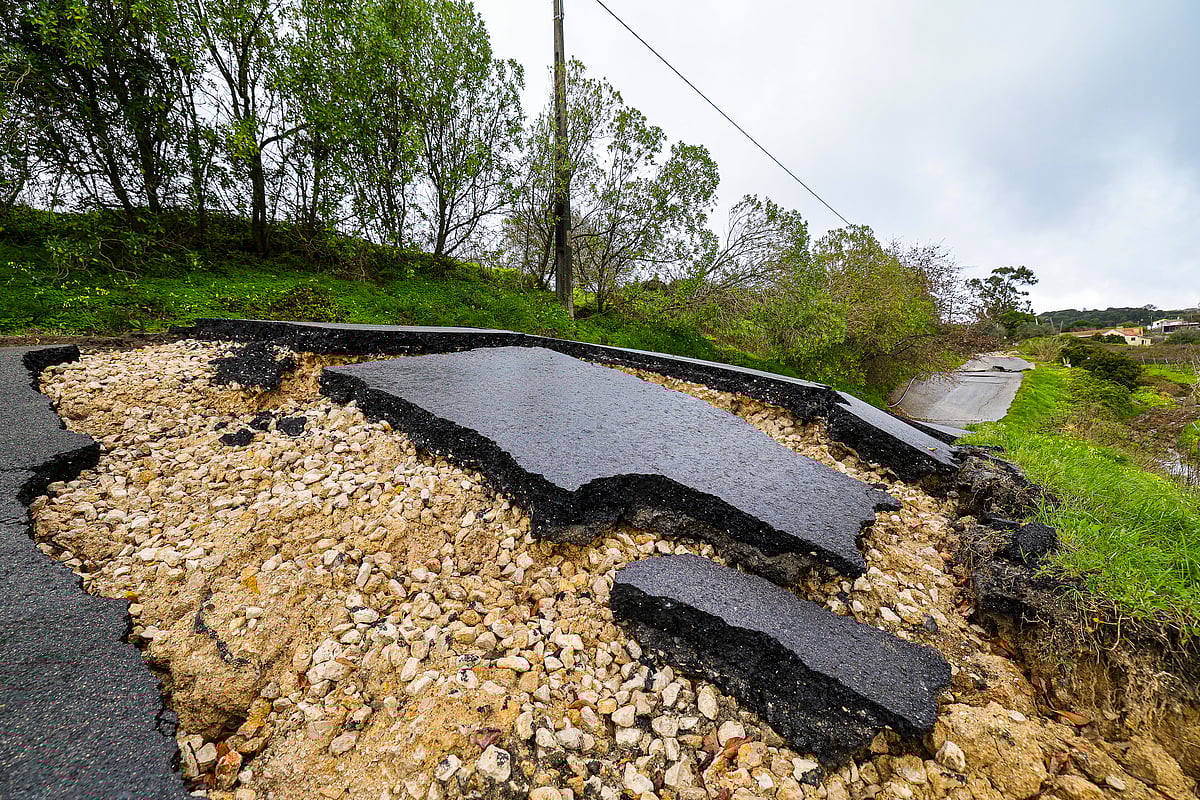
The municipality of Arruda dos Vinhos faces extensive damage to its road network following severe storms, with the mayor, Carlos Alves, estimating reconstruction costs at approximately 22 million euros. Residents in affected areas like Lapão remain displaced due to landslides and destroyed infrastructure, while local authorities call for urgent financial support from the central government. A new crowdfunding platform has also been launched to support collective reconstruction projects in the region.
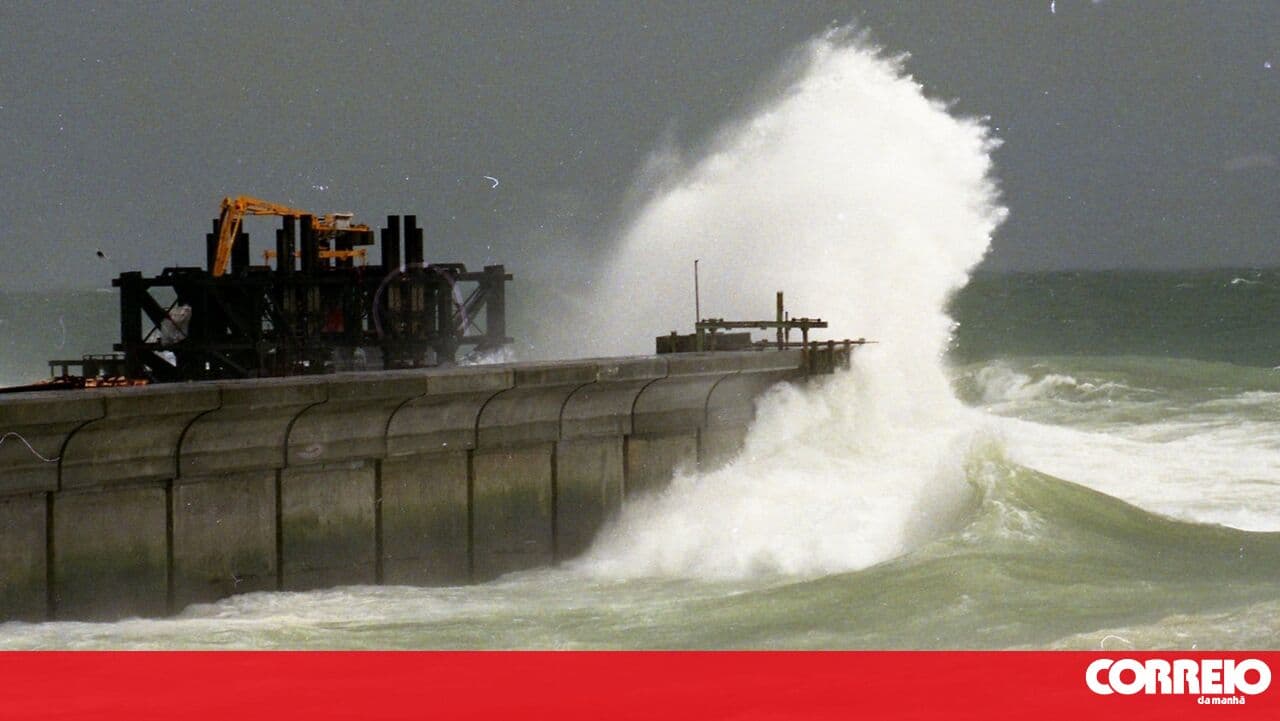
On January 27, as Storm Kristin approached the country, and with uncertainties about where it would strike, Civil Protection warned of gusts up to 150 km/h and placed the coastal area between Setúbal and Viana do Castelo on maximum alert. Today we know that wind speeds exceeded ...
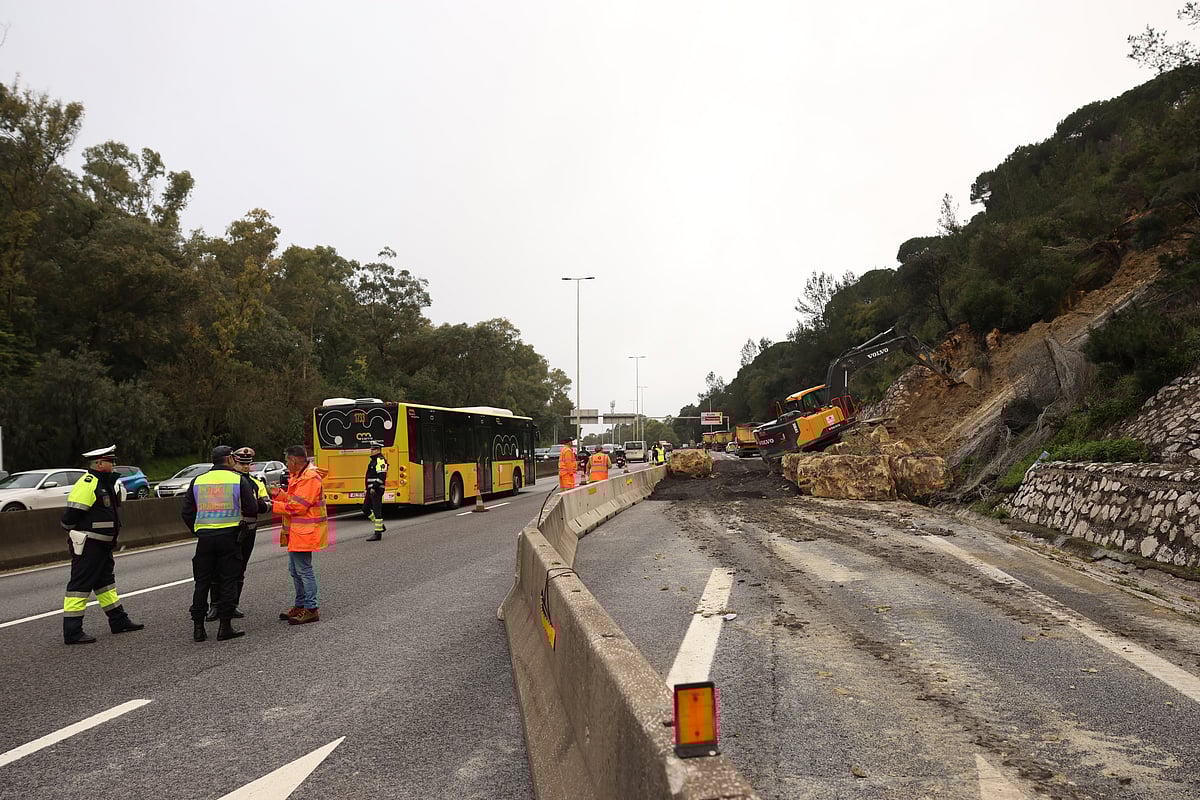
Brisa has reported that the landslide on the A5 motorway was caused by an abnormal volume of water due to recent storms, leading to soil instability and debris on the road. A technical analysis to determine a solution is expected to be completed next week. The president of Brisa announced that the company will not seek compensation from the Portuguese state for the landslide on the A1 near Coimbra, despite estimated losses exceeding three million euros. The storms have caused significant damage across the country, including fatalities and destruction of infrastructure.
The Lisbon City Council is currently undertaking work to stabilize the slope in the Graça area after a landslide caused by bad weather, which continues to necessitate the relocation of residents, revealed the councillor for Works. Joana Baptista stated that they are already on site conducting topographic surveys and geological tests, and moving forward with a design/construction procedure for slope stabilization and water drainage. The councillor spoke during a meeting of the Lisbon Municipal Assembly, addressing questions from PEV and BE deputies regarding the landslide and the preventive evacuation of buildings. On February 10, a landslide was recorded in the Graça parish, leading to the evacuation of seven people from three buildings on Rua Damasceno Monteiro as a precautionary measure. According to Joana Baptista, the slope in question is between Rua Damasceno Monteiro and Travessa Terras do Monte, which has a significant area and has previously been addressed by the Lisbon City Council in 2010 and 2017 for consolidation and stabilization. Due to recent adverse weather conditions, another landslide occurred in an area that had not yet been intervened. All residents have been duly informed, and those who were relocated will have to remain so, as the houses still do not meet safety conditions. The outdoor areas of Rua Damasceno Monteiro will also remain closed for now. A major project is underway for the coming months. In this context, BE presented a recommendation for the council to take immediate measures for slope stabilization and containment, which was approved with votes against from IL and CDS-PP. Regarding the impacts of bad weather in the city, Lisbon Mayor Carlos Moedas stated that damage assessments are still being conducted but expects to present this information on Thursday, estimating damages in the millions of euros and emphasizing that the central government must respond. Moedas noted that recent storms caused over 2,000 incidents in the city, highlighting the need to intervene in over 200 streets to fill potholes and emphasizing the General Plan of Lisbon to minimize flood risks. The PS inquired about urban hygiene reforms, as the council plans to extend inter-administrative contracts until December 31, 2026, despite Moedas' management considering the delegation of powers to parish councils as the source of problems. The PSD mayor responded that a transition period is necessary, stating that from 2025, waste collection around eco-islands will be ensured by the City Council. The municipal group of IL questioned the Lisbon Without Wires programme, aimed at removing dead cables from facades and poles, with Urbanism councillor Vasco Moreira Rato revealing that 330 buildings have been intervened and about 37 kilometres of cables removed, with work continuing in the Baixa area and other neighbourhoods throughout the year.
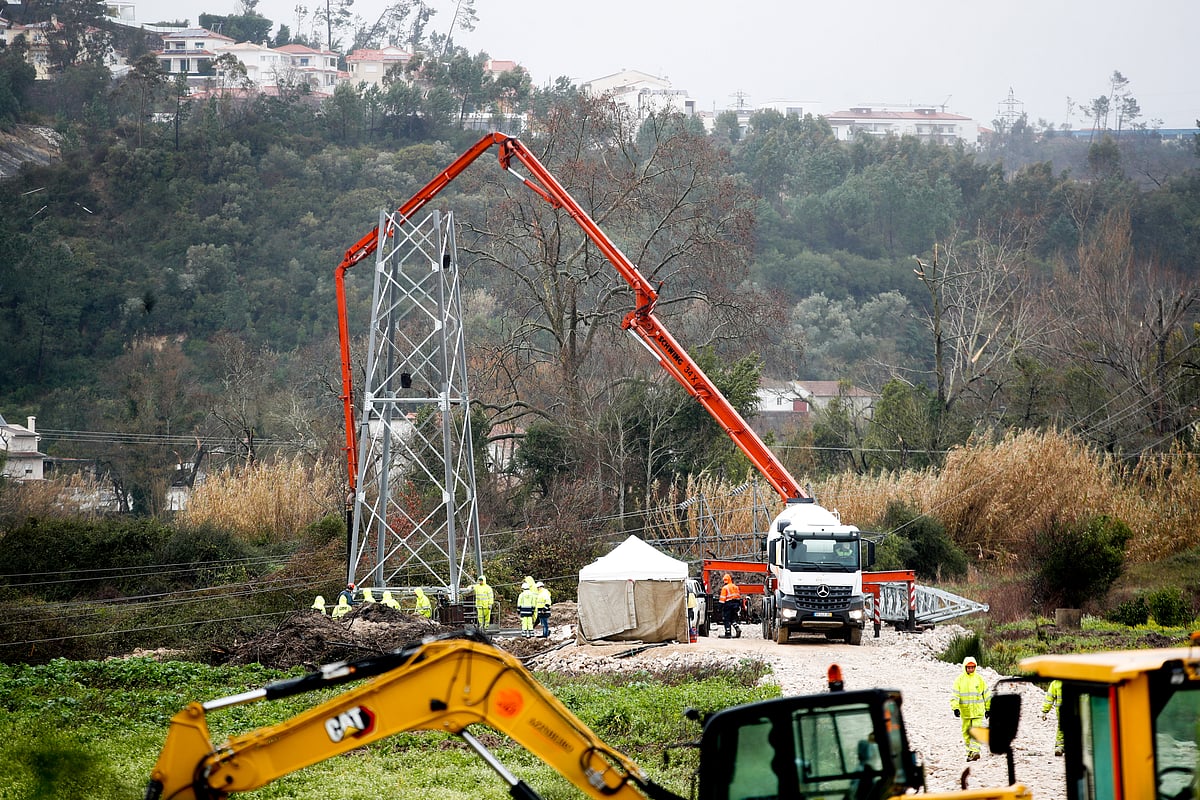
Approximately 1,800 customers of E-Redes in areas affected by storm Kristin remained without electricity as of 5:00 PM on February 22. The EDP group company stated it is focused on restoring electricity supply. Earlier, 4,500 customers were reported without power. The storms have caused significant damage, resulting in 18 fatalities and affecting 90,000 students due to school closures. The Central, Lisbon and Tagus Valley, and Alentejo regions were the most impacted, with estimated damages in Seixal around 15 million euros.
The Mission Structure for the Recovery of Affected Areas reports 34,000 applications — including over 25,000 pre‑registrations — for the €10,000 reconstruction support aimed at homes in the Centre and Lisbon and Tagus Valley, with roughly 9,000 formal submissions handled through the two CCDRs. Authorities also note 66,000 insurance activations (around 8,000 for companies), while the Intermunicipal Council of CIM Leiria met to assess the local calamity response. Transport disruptions persist: the A16 has reopened after a short closure caused by a fallen advertising sign, but Infraestruturas de Portugal reports restricted railway circulation on parts of the national network due to recent bad weather. The IPMA forecasts easing rain and improving conditions through the weekend, which may reduce further transport and recovery impediments. The situation highlights strong demand for reconstruction aid, large insurance mobilisation and ongoing infrastructure vulnerability to extreme weather.
The arrival of Depression Marta is expected to bring heavy rain to Lisbon and Setúbal, with the most concerning period being between morning and early afternoon. Areas already facing complications may experience the worst impacts as this is the third depression to hit the region in a short span of time.
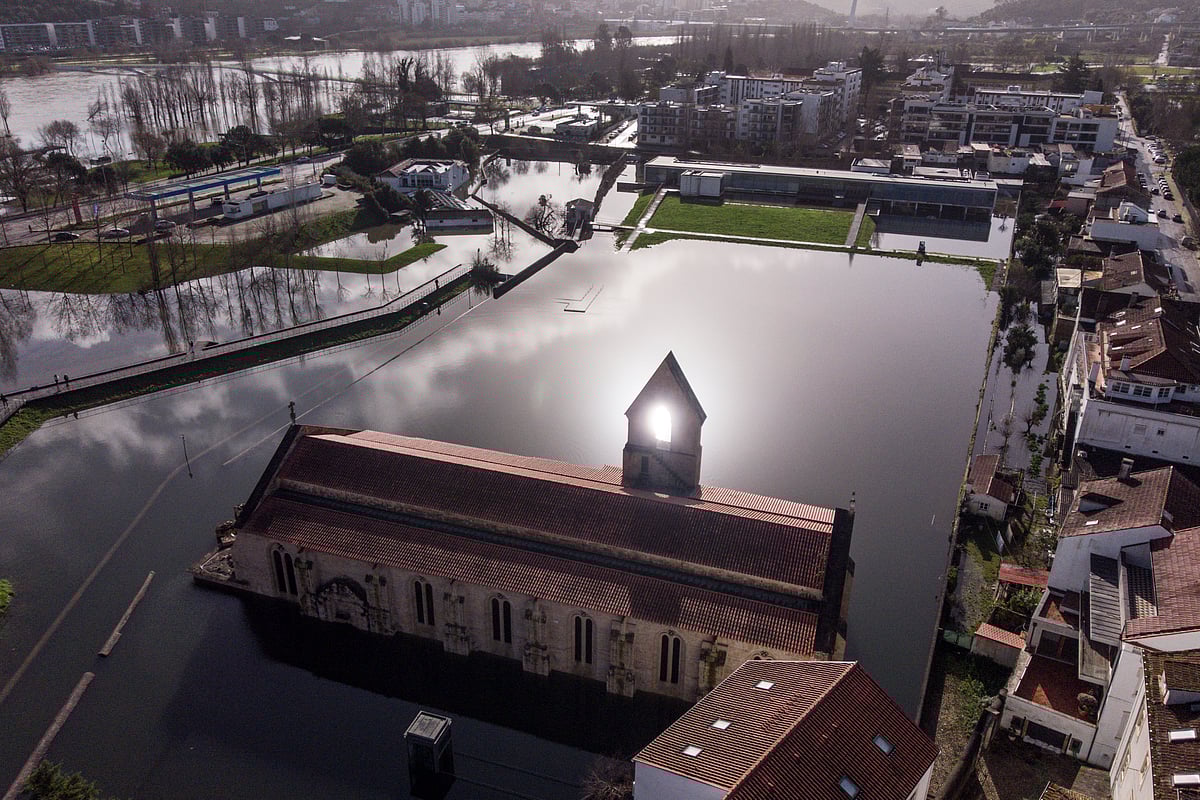
The flooding of the Lisandro River has left several homes inundated and forced the evacuation of residents in Torres Vedras. According to CNN Portugal reporter Carlota Celeiro, the local authority has closed roads and schools, urging people to check available access routes.
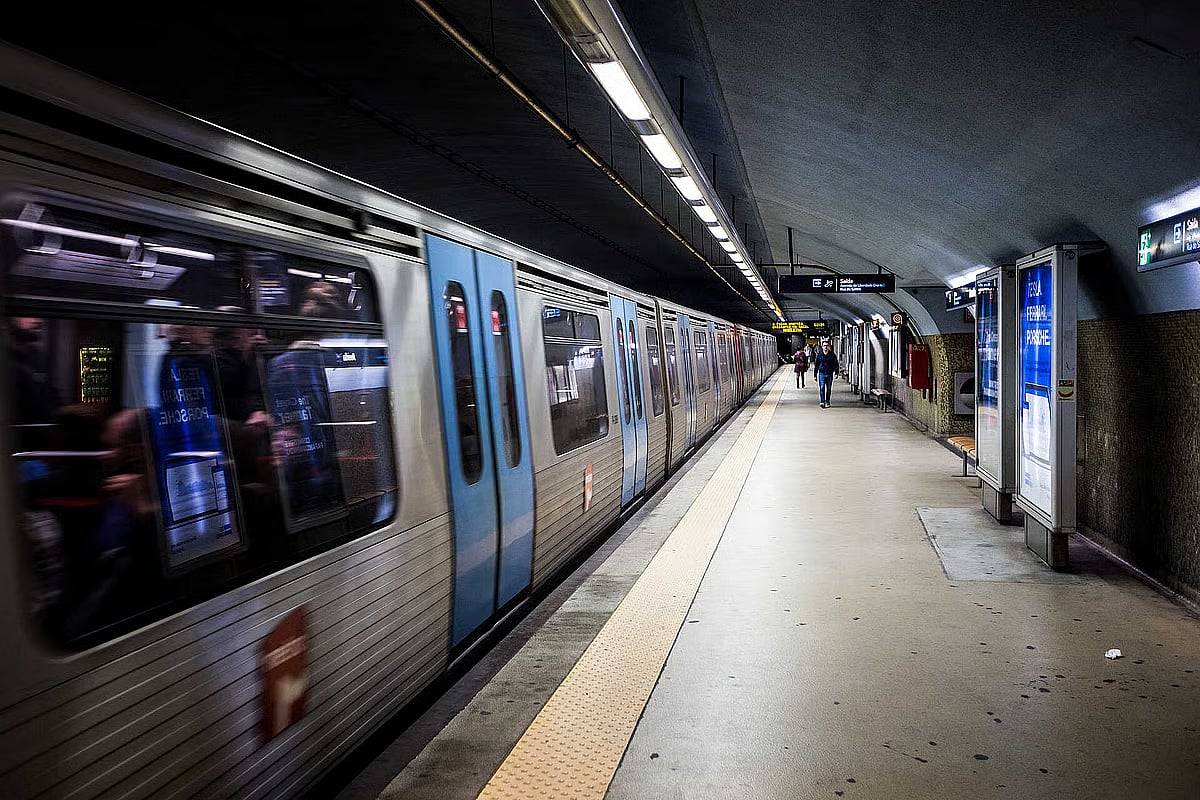
Train services on the North Line between Castanheira do Ribatejo and Alverca have been suspended since 6am due to flooding on the railway. The local council is also restricting access to the Tagus River at Terreiro do Paço as a safety measure.
The municipality led by Carlos Moedas highlighted that in light of the forecast for bad weather in the coming days, there remains “the risk of flooding and falling trees.”
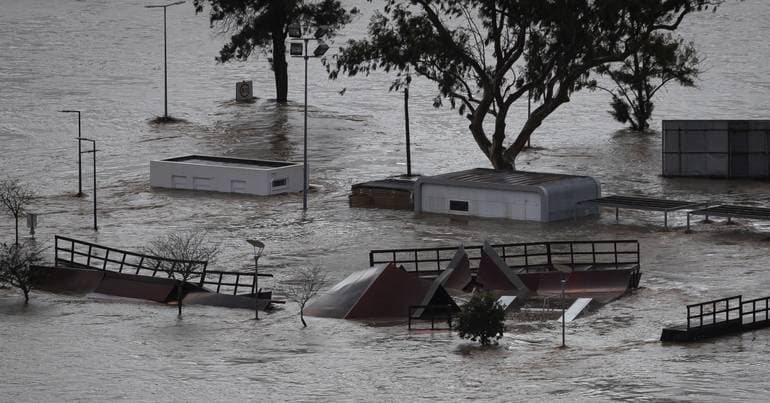
Commander Paulo Santos urges the population to stay at home due to flooding already affecting Oeiras after the Laje stream overflowed and flooded the streets of the municipal park. In urban areas, he explains, the watersheds are “completely sealed, and the water ends up flowing very quickly.”
Commander Paulo Santos says there are teams of operatives deployed in several parts of the country to respond to the worsening weather conditions that will affect the national territory from the early hours.
At the council meeting held on Monday, the head of the local authority, Inês de Medeiros, explained that this was one of the areas in the municipality most affected by Storm Kristin.
In this edition we discuss the economic impact of Storm Kristin, which may cause material shortages and put upward pressure on construction prices. We also look at record levels of renewable electricity, the European hurdles to the tender for the Lisbon Metro's Purple Line, and the historic rise in IMT revenue. We highlight the losses in the glass industry and the banking sector's response to the affected areas.
Rail services on the Linha do Norte between Castanheira do Ribatejo and Alverca (Vila Franca de Xira, Lisbon) were suspended at about 06:00 due to flooding of the track, CP – Comboios de Portugal confirmed. The suspension affects local commuter links on this section and comes as the declared state of calamity for the area has been extended until 8 February; authorities and the operator are monitoring conditions and assessing restoration timelines.