Letters to the editor
Metro transit authorities have acquired a new eight-million-dollar rail grinder to replace aging equipment that has been in operation since 1976, aiming to improve track maintenance and safety.

Latest news and stories about metro expansion in infrastructure in Lisboa, Portugal for expats and residents.
Metro transit authorities have acquired a new eight-million-dollar rail grinder to replace aging equipment that has been in operation since 1976, aiming to improve track maintenance and safety.

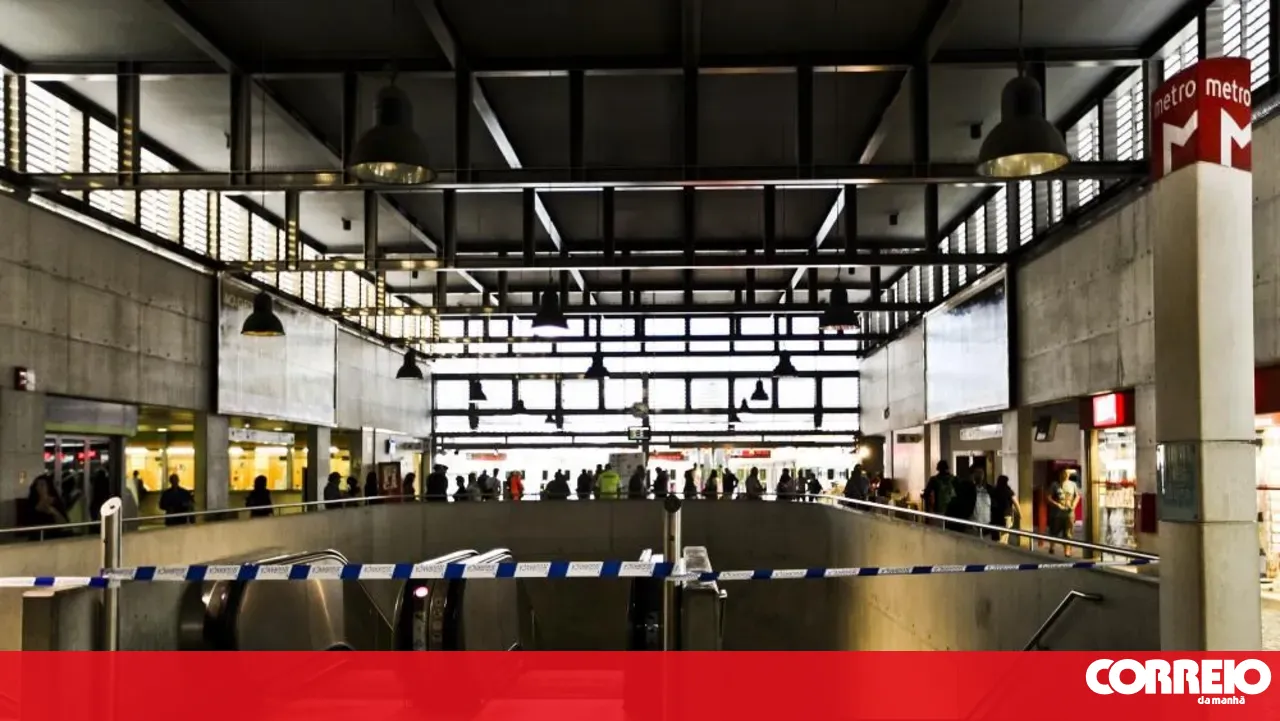
The Lisbon Metro Green line will suspend service between Rossio and Cais do Sodré from May 2 to May 5 due to expansion works, with full operations resuming on May 6.

The new equipment represents an investment of approximately eight million and replaces a grinder that had been in service since 1976. The machine's function is to correct the natural wear of the rails.

The Lisbon Metropolitan is replacing its current rail grinder, in operation since 1976, with a new piece of heavy railway maintenance equipment named 'Esmeralda', representing an investment of around eight million euros. By correcting irregularities in the rails, this equipment helps to reduce vibrations and noise, and extend the lifespan of the tracks.

The Lisbon Metropolitan will extend its operating hours from Friday night to Saturday until 03:00 across all four lines, “joining the Santo António celebrations and the Lisbon Festivals,” the company revealed today.
From Friday night to Saturday, service will run until 3 am on the four existing lines. Additionally, Iran dismisses conclusions regarding the agreement with the United States.

The Lisbon Metro will support the spirit of the Santos Populares with extended hours, running at 12-minute intervals on Saturday. Cais do Sodré and Alameda will also host special events.

From the 12th to the 13th of June, some transport services will be reinforced and others will have restrictions in Lisbon.

The Lisbon Metro's circular line is now expected to open only in 2027, following several delays and a multi-million euro budget overrun. At the same time, new projects are in preparation, lines are awaiting funding, and there are promises to improve the service provided to passengers. But where exactly does the metro expansion stand, and what might change in the coming years? Listen to the new episode of Economia dia a dia, Expresso's daily podcast.

Originally presented as being ready by the end of 2023, Lisbon’s long-awaited expansion of the underground (Metro) network, should now be coming on track during the first quarter of 2027. The post Lisbon Metro expansion: completion date slips back even further appeared first on Portugal Resident.

The effects of the general strike called by the CGTP for Wednesday, June 3rd, will be felt a day early on the Lisbon Metro. The company warns that there will be no train services between 11:00 pm on June 2nd and the end of June 3rd, with normal service only expected to resume at 6:30 am on Thursday, June 4th. CP - Comboios de Portugal has also warned of potential disruptions to train services. CGTP Secretary-General Tiago Oliveira has urged workers to join the strike to protest against the government's labour package.

Traffic was suspended in April 2023 for construction of the circular line and was scheduled to be restored by the end of 2024. Cars and buses will return to the road this Thursday morning.

The Circular Line is scheduled to begin operations in the first quarter of 2027.

Carris buses will begin circulating on that thoroughfare again this Thursday. The number 25 tram will resume its normal route there on Monday.

Taking into account one of the changes to the statutes made now, the Lisbon Metro “may develop collective transport partially on the surface, in a trench, at ground level or on a viaduct”.

Metropolitano de Lisboa (ML), currently responsible for underground metro operations, will also manage light rail surface services following a new decree-law. This change aims to improve public transport connectivity between Lisbon and the surrounding Metropolitan Area, facilitating faster and more accessible travel. The legislation allows ML to expand its scope to include high-capacity surface transport systems, such as light rail, and potentially manage the extension of the South Tagus light rail system to Costa de Caparica. This initiative aligns with sustainability goals to reduce carbon emissions and traffic congestion in the region.


The Government continues to look for new funding sources for the expansion of the Lisbon Metro's Red Line and admits that the final option could be the State Budget (OE). The Secretary of State for Mobility, Cristina Pinto Dias, said this Tuesday that this could be the solution, after the funds...

The Lisbon Metropolitan company will begin a study this month in conjunction with CP – Comboios de Portugal and Transtejo with a view to “evaluating a potential coordinated adjustment of schedules,” states the Ministry of Infrastructure and Housing in a response to the Chega Parliamentary Group. “This study will take into account the needs of...”

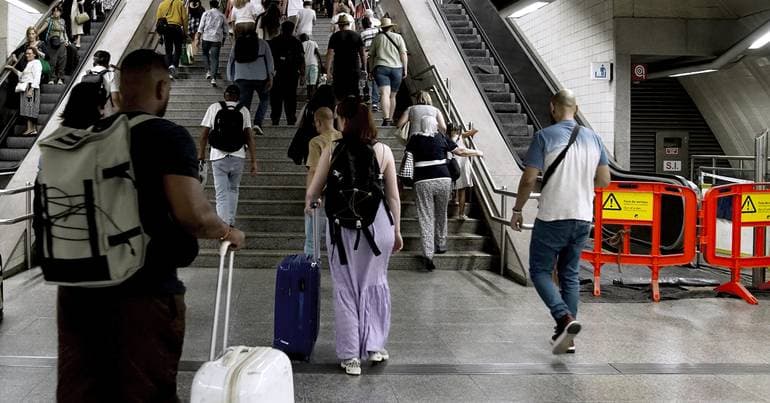
The new president of Lisbon Metro, Cristina Vaz Tomé, criticised the company's previous management and stated that it only remains operational due to state funding. Speaking at an innovation conference, she highlighted issues such as long-standing broken escalators and the lack of competition, which she claims leads to stagnation. She emphasised the need to improve financial results and noted that the company is developing a new signalling system to allow for driverless trains. The event also featured insights from business leaders Paulo Pereira da Silva of Renova and Luís Abrantes of Movecho regarding the role of innovation in their respective industries.

During the same period, the Baixa-Chiado station on the Blue Line will remain operational.
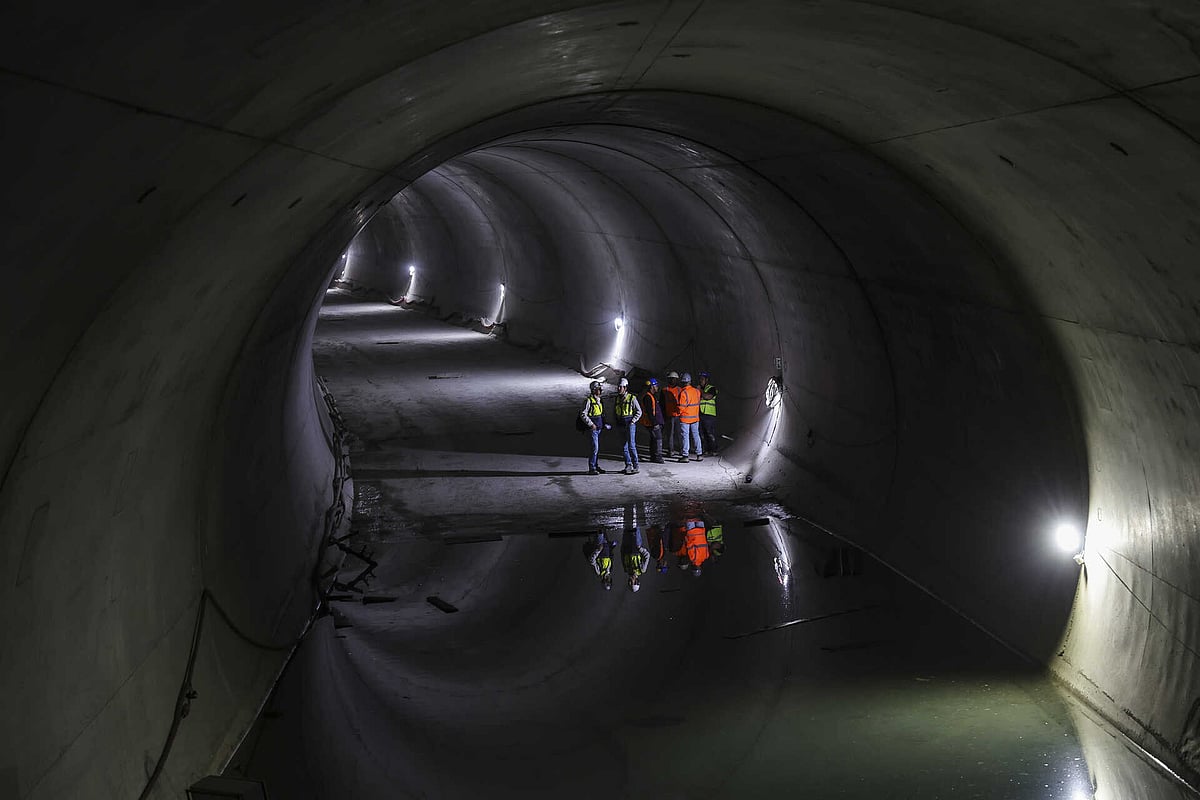
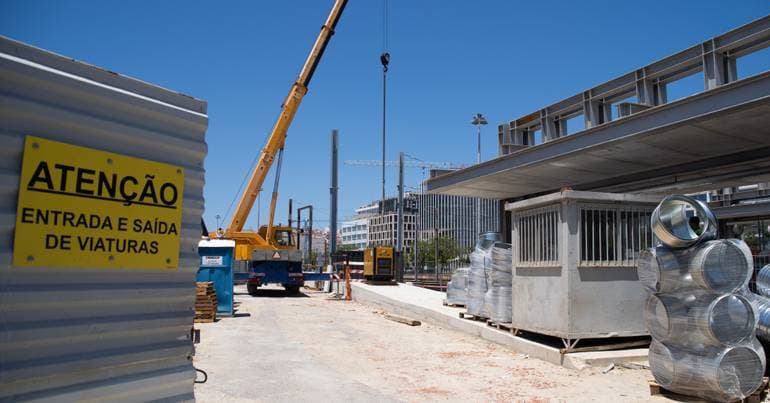
The suspension is due to construction work on the future circular line.


From 210 to 240, then 270, followed by 331. All in millions of euros. Now, a new injection has been announced, the first under the government of Luís Montenegro: an additional 48 million euros. The bill to build the Lisbon metro circular line has now reached 380 million euros, which represents an 80% cost overrun compared to...

Cristina Vaz Tomé, CEO of Metropolitano de Lisboa, announced that the new CBTC signaling system, set to launch with the new circular line next year, will eventually enable driverless train operations. While the system is already being tested for safety, full automation requires further investment, political consensus, and infrastructure upgrades, such as platform screen doors. Tomé emphasized that staff will be retrained for new roles as the network evolves.

The system will become operational in the first quarter of next year.

The Lisbon Metropolitan is awaiting the final jury report to proceed with the awarding of the contract for the design and construction of the Violet line, after the European Commission decided to approve the proposal submitted by the consortium led by Mota-Engil, which replaced the Chinese supplier CRRC with a Polish rolling stock manufacturer.