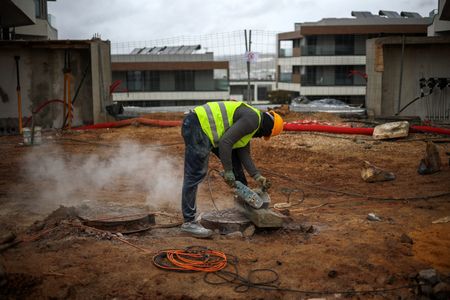
Grocery store operating outside the law
Authorities, including the PSP, have uncovered an illegal grocery store operating in Agualva-Cacém, prompting an investigation into regulatory compliance.
cmjornal.pt

Latest news and stories about expat rights in immigration in Lisboa, Portugal for expats and residents.

Authorities, including the PSP, have uncovered an illegal grocery store operating in Agualva-Cacém, prompting an investigation into regulatory compliance.
An analytical overview of recent shifts in national visa policies and gold residency programs, specifically examining their impact on expatriate communities and coastal living trends.

The number of Brazilian voters residing in Portugal has surged by 66.6% since 2022, with Lisbon emerging as the largest electoral district for expatriates globally.
Chega leader André Ventura has expressed willingness to support the government's Single Social Benefit (PSU) proposal, provided the PSD agrees to seven specific conditions, including restrictions on immigrant support, while the Left Bloc has introduced an alternative bill.
The case occurred after the SEF refused entry into Portugal to Ihor Homeniuk at the Lisbon airport border.
Amílcar Correia analyzes the rise of discrimination and exploitation against immigrants, attributing these trends to the government's alignment with xenophobic and racist political rhetoric.

The Portuguese Council for Refugees has pledged to provide legal assistance to Omar Al-Hayali, an Iraqi national who was recently assaulted in Lisbon's Alameda Afonso Henriques.

An analytical exploration of the growth and development of Portuguese tech unicorns, as featured in E magazine.

An analytical look at the recurring trend of AIMA overturning deportation orders, highlighting the ongoing challenges regarding expat residency rights and permit regulations.

Guinean students holding valid visas are facing detention, humiliation, and forced repatriation, highlighting systemic failures and aggressive practices in border control.

Brazilian President Lula visits Lisbon for diplomatic meetings, with discussions expected to address disagreements regarding Portuguese nationality law and bilateral relations.
Brazilian expatriates in Portugal are raising concerns over immigration law changes, rising xenophobia, and administrative backlogs at AIMA ahead of President Lula da Silva's visit, urging diplomatic intervention.

The Agency for Integration, Migration and Asylum (AIMA) has reopened its online portal for family reunification applications just before the Brazilian President's visit to Portugal.

The European Union has fully implemented its new Entry/Exit System, replacing physical passport stamps with mandatory digital biometric registration for non-EU citizens to enhance Schengen Area border security.

Psychologist Juliana Ribeiro de Souza Revoredo is researching the emotional and professional impact on Brazilian lawyers following the sudden termination of the reciprocity agreement between the Brazilian and Portuguese Bar Associations in 2023.

Joom CEO Ilya Shirokov warns that proposed changes to Portugal's nationality law create market uncertainty and hinder the recruitment of international talent, noting that the company has already lost potential candidates to Germany.

Mafalda Guerra, a Chega activist, was dismissed following an RTP investigation that uncovered her properties being utilized as illegal housing for immigrants in Lisbon. The report raised significant concerns regarding the legality of the rentals and the implications for immigrant communities.

SOS Racismo says a young São Toméan, Samuel Edi, remains detained at Lisbon Airport “without knowing the factual or legal reasons,” and alleges he was “brutally assaulted” by police. The PSP rejects the claims, denying any unprovoked assaults or mistreatment. The case reflects a direct dispute between an advocacy group and law enforcement, raising questions about transparency, detainee rights, and the need for an independent inquiry or clear official documentation to establish what occurred.

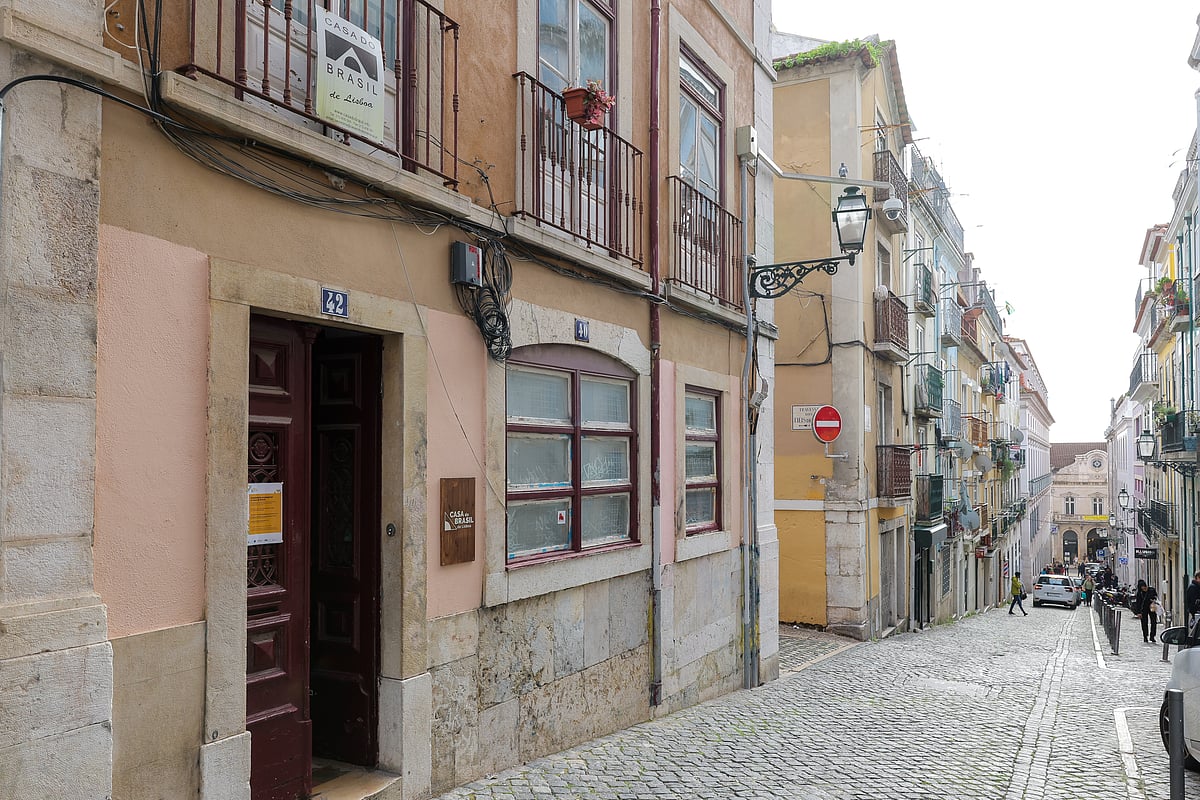
Changes to the Foreigners Law continue to cause confusion among the immigrant community. This amendment, which came into effect last October, increased the time limit for the Agency for Integration, Migration and Asylum (AIMA) to process family reunification applications to nine months. These changes will be the subject of an online information session hosted by Casa do Brasil on Tuesday, August 4th, at 3:00 PM. The session will be led by jurist and senior technician Patrícia Peret, who will explain the practical implications of the updates and new rules. Participation is free, but registration is mandatory and spots are limited. Previous sessions have covered topics such as education, nationality law, diploma equivalence, and mental health.
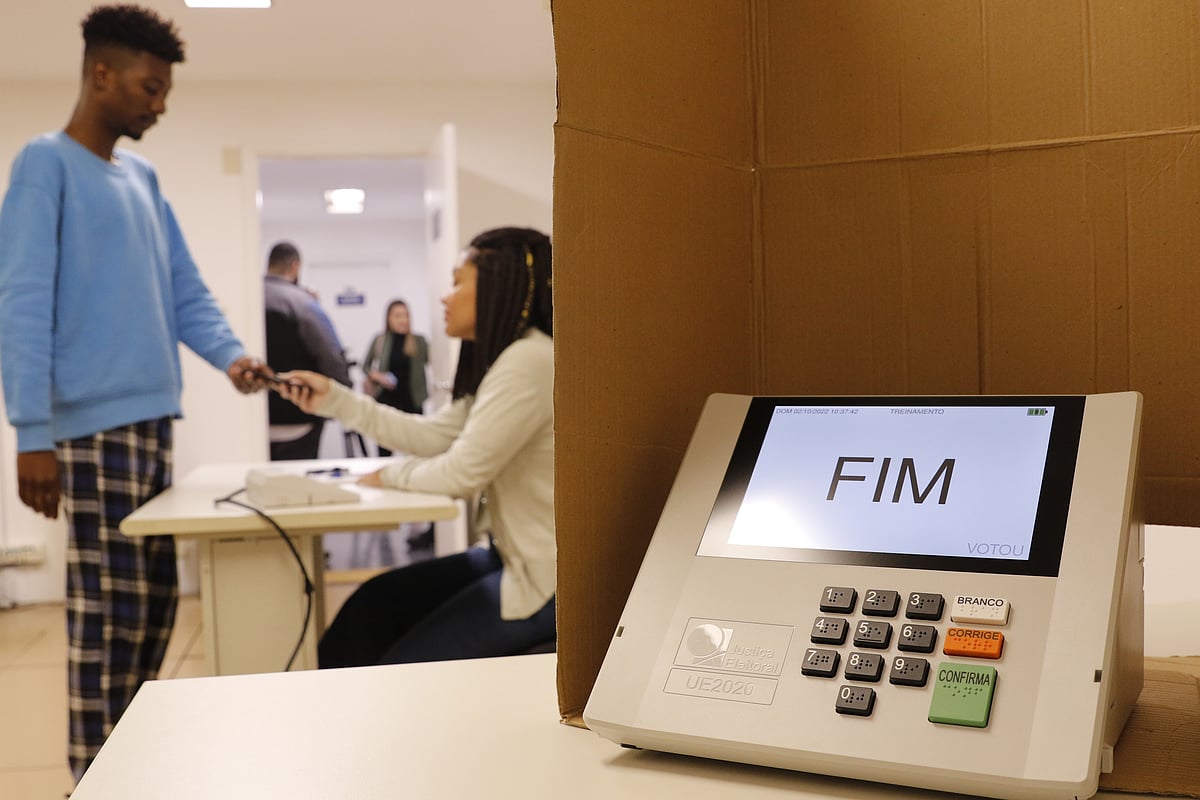
The registration period for absentee voting in the 2026 presidential elections began this Monday (20). Voters with electoral domicile in Portugal who are in Brazil on October 4th will be able to vote on Brazilian territory. The reminder was issued by the Consulate-General of Brazil in Lisbon, noting that the application must be made directly through the Brazilian Electoral Justice's official channels.
A 58-year-old lawyer was arrested in Odivelas on suspicion of embezzling at least 1.2 million euros from the bank accounts of foreign clients under the pretext of expediting 'Golden Visa' applications, the Judiciary Police (PJ) announced on Thursday, July 16. The arrest was carried out on Wednesday by the National Anti-Corruption Unit. The embezzlement reportedly occurred between 2023 and March 2026. The suspect allegedly accessed numerous client accounts to transfer funds for personal use. While 33 victims have been identified, the police believe this number may rise. The lawyer is charged with qualified fraud, breach of trust, and money laundering, and will appear in court for questioning regarding coercive measures.

The 58-year-old detainee deceived 33 victims by claiming he needed money to issue 'Golden Visas'.

A parish council employee involved in the case was convicted of the crime of abuse of power.

A reflection on the experience of Brazilian artist Sérgio Pererê, who was detained at Lisbon Airport while en route to a tour in Germany. The article explores the subtle, systemic nature of racism, the emotional toll of such encounters, and the profound dignity with which the artist navigated the injustice.

A lawyer recounts the experience of representing Brazilian artist Sérgio Pererê after he was detained at Lisbon Airport while en route to a tour in Germany. The article reflects on the subtle, systemic nature of racism, the burden of proof placed on victims, and the artist's composed response to the ordeal.
The Consulate-General of Brazil in Lisbon recorded 50,537 service requests in the e-consular system between January and June of this year. Passports and travel authorizations led the demand among the services provided.