A new study from the Technical University of Vienna identifies the Portuguese housing market as systematically inaccessible for middle-income earners, highlighting a broader European trend where average buyers struggle to afford basic living spaces.
Electrical engineer João Santos is using his platform 'O Explorador' and viral social media content to challenge inflated property prices in Lisbon, advocating for market transparency and aggressive negotiation.
The Tax Authority has issued a warning that renting out a primary residence before selling it can disqualify homeowners from capital gains tax exemptions, regardless of their registered tax address.
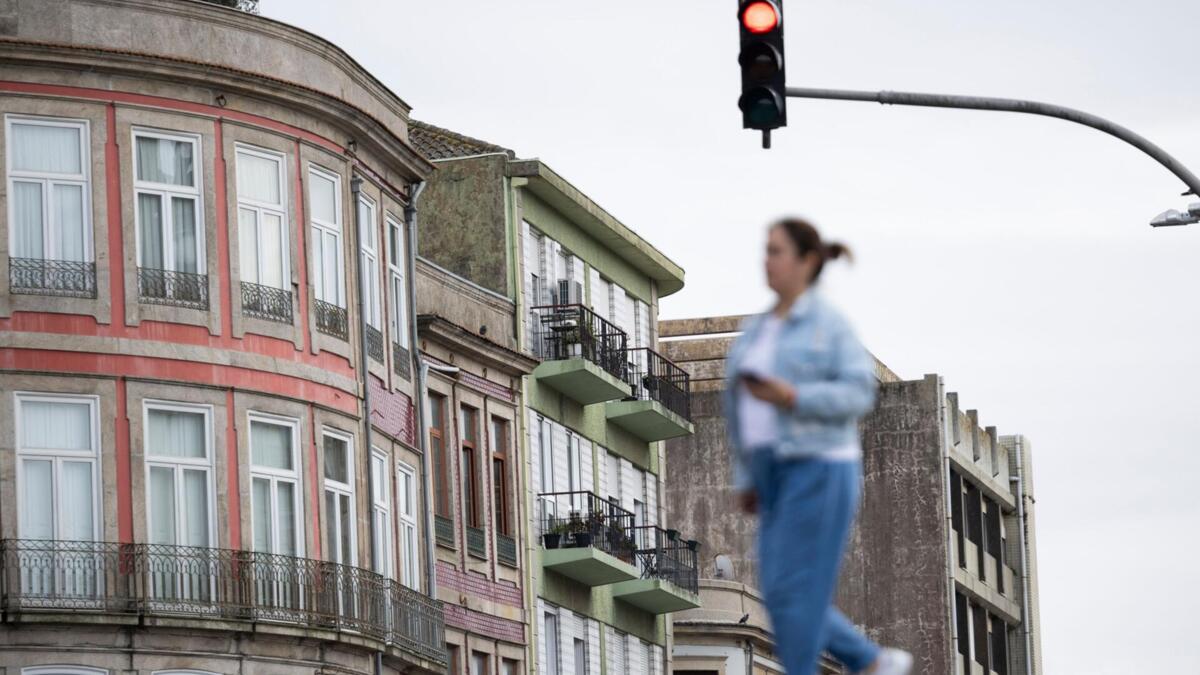
A recent report reveals that housing affordability in several European cities has reached a critical point, with Lisbon recording a price-to-income ratio of 18.7, meaning residents must dedicate nearly 19 years of average annual earnings to purchase a home.
A neo-Nazi group plotting an attack on the Prime Minister was found with a hit list of 120 individuals, while the government faces legislative setbacks with a rejected labour reform and shifting trends in the Portuguese property market.
The government maintains its decision to auction properties despite criticism that these buildings could have been repurposed to address the public housing crisis.
The Portuguese state has sold two vacant buildings in central Lisbon for 20 million euros, a price point that likely precludes their original intended use for public housing.
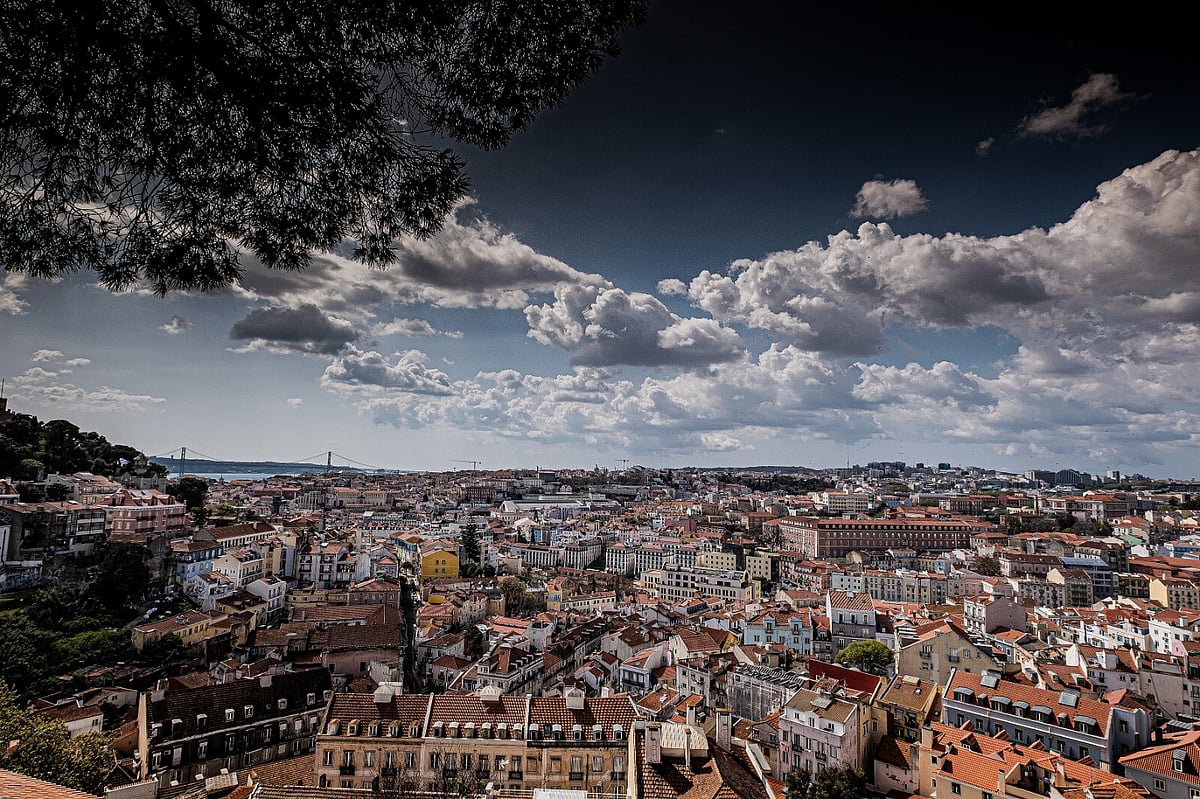
An analytical look at the property market reveals that Lisbon has become the least affordable capital city in Europe, driven by rising costs of living and housing.
Lisbon has joined major European cities like Barcelona and Milan in rolling back tax incentives for digital nomads and restricting short-term rentals to address severe housing shortages and market saturation.
A report highlights the significant price gap in the housing market, noting that foreign buyers are willing and able to pay 43% more for properties compared to local Portuguese residents.
This Wednesday features the ECO Festival's 10th-anniversary celebration, a parliamentary debate with the Prime Minister, the release of INE's April housing evaluation survey, and the publication of the financial stability report.
Eight vacant government properties in Lisbon, recently sold or slated for auction, represent a missed opportunity to create approximately 450 public housing units.
Reported house prices rose 16% year‑on‑year, but the data provided appears inconsistent: the body states prices reached €2,111 per square metre in Q3 last year, while the headline claims €5,000 per square metre in Lisbon. This likely reflects different measures or geographies (national average vs Lisbon city centre, asking vs transaction prices). Verify source breakdowns and timing; implications include tighter affordability, stronger expat/investor demand in Lisbon, and amplified regional divergence in the housing market.
Cascais City Council has exercised its right of first refusal to buy 32 plots near Quinta da Marinha for €30 million, blocking a sale the owner had negotiated with two private firms. The council approved a loan to finance the acquisition, raising issues about use of public funds to secure strategic, high-value land in one of the municipality’s most expensive areas and the implications for local planning and market dynamics.
António Brito Guterres says that when comparing salaries and housing prices, Portugal stands out among European criteria. The urban studies expert advocates for more public housing and believes that limiting short-term rentals is not enough.
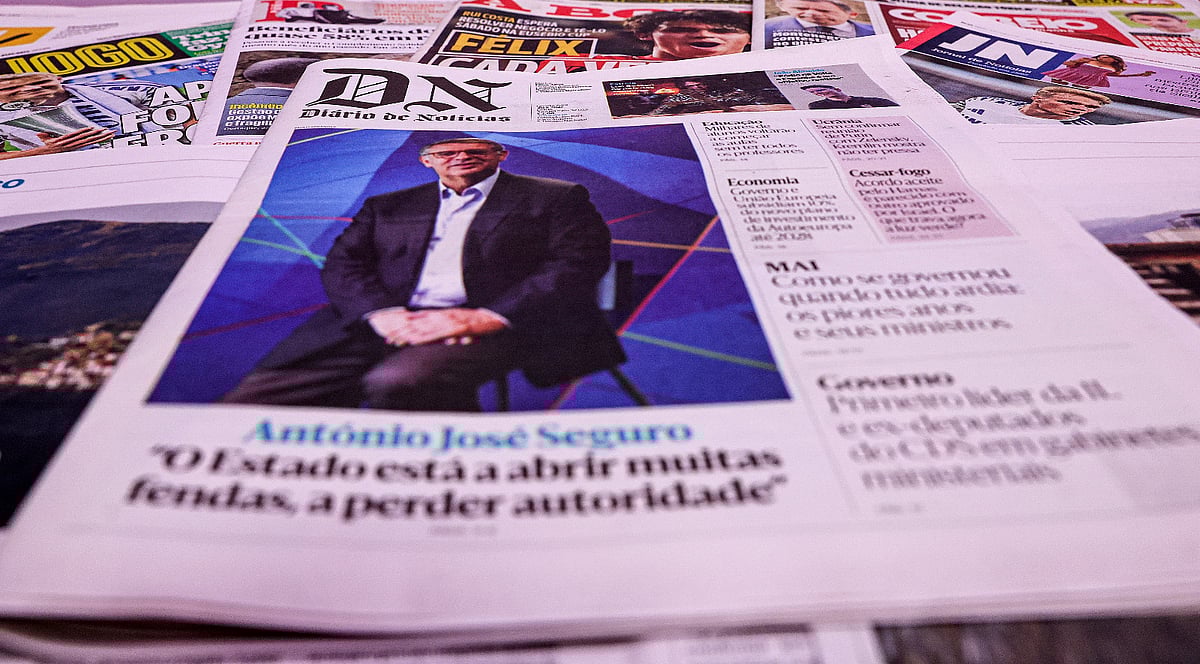
On the day of a motion of no confidence presented by Chega against the Government, Público headlines Portugal's public debt rating, noting that for the first time in over a decade, it is better than Spain's (89.7% versus 100.7%) according to a major rating agency. Fitch Ratings upgraded Portugal from 'A' to 'A+'. Negócios reports on Tax Authority instructions regarding the increased IMT tax rate for non-resident homebuyers. Jornal de Notícias highlights a criminal group that robbed banks using ride-hailing cars and food delivery uniforms to hide their identities, stealing over 900,000 euros, and notes the death of Nuno Cardoso, a mayor who left his mark on Porto. Correio da Manhã reports on a businessman who lost 22,000 euros at a Lisbon nightclub and is suing three women for fraud, while also covering the PISA results showing a historic decline in Portuguese student performance. Diário de Notícias features farmers' criticism of the Government over rising fuel costs and lack of support. Observador reports that Amancio Ortega's holding company has sold 91.7 million REN shares to Parpública. Eco reports that companies are demanding structural measures from the Government to cope with rising fuel prices threatening industrial margins.
The Confederation of Portuguese Business (CIP) is awaiting the rent-setting process to lease the Palácio do Manteigueiro, the former headquarters of the Ministry of Economy, to establish the association's new base there. “The process is ongoing with no new developments,” the president of CIP told ECO, confirming that it is “a...”
High-end residential leasing is being driven by a shortage of supply for sale. Rental values in this segment now exceed those recorded in Madrid and Berlin, according to real estate consultancy Savills.
Lisbon continues to stand out in the real estate market, with prime residential rents rising by 7.6% in the first half of 2026, the second-highest increase among the 30 cities analysed by the Savills World Cities Prime Residential Index. Sales prices also followed the trend, recording a 3.3% increase, driven by a shortage of supply in the city. The Portuguese capital, behind only Cape Town, demonstrates robust demand for prime properties, according to the study, resulting in a significant appreciation of rents. The report explains that international buyer demand remains high, but supply is limited, which has been a crucial factor in rising rents and is conditioning sales price growth. In June 2026, the average cost of a prime property in Lisbon was 14,600 euros per square metre, while the average rent was around 30 euros per square metre per month. By comparison, Lisbon has already surpassed Madrid, where a prime square metre costs 11,700 euros, but it is still far from Paris (19,000 euros) and Geneva (26,300 euros), the most expensive city in the European group analysed. The appreciation pattern is not limited to Lisbon, as other southern European cities also recorded increases in prime sales prices, with Madrid growing by 2.4%, Barcelona by 1.5%, Athens by 1.2% and Rome by 0.2%. These cities face demand that exceeds supply, thus sustaining values in a context of greater caution among global buyers. For the second half of 2026, the Savills report projects growth of between 2% and 3.9% for Lisbon, aligning it with cities such as Madrid, Barcelona, Singapore, Seoul and Kuala Lumpur. The combination of limited supply and international demand is expected to be the main driver of appreciation until the end of the year, positioning Lisbon among the best-performing prime residential markets in Europe. Real estate development is accelerating in Portugal, with supply rising by 22%.
Companies in Europe are accelerating real estate decisions to secure space in top-tier buildings as demand for high-quality offices continues to outpace supply. According to Cushman & Wakefield's European Office Update, Grade A offices accounted for 51% of leased space, with vacancy rates at a historic low of 3.3%. Prime rents rose by an average of 4.6% over the 12 months ending June 2026, with Lisbon seeing a 10.3% increase. Despite geopolitical uncertainty, investment volume reached €22 billion in the first half of 2026, as limited development pipelines and resilient demand continue to support the sector.
Público headlines the accident at the Glória Funicular, reporting that Carris has not opened any disciplinary proceedings. The company admits it may still do so, but there is a risk that potential infractions may already be time-barred. The front page photo features Messi's farewell to the Argentine national team. Correio da Manhã highlights that house rents rose by 2.56% in January, warning that rising inflation is penalising tenants. The photo feature covers Benfica's 2-1 victory over Estoril at the Luz stadium, marking Palhinha's debut. Jornal de Notícias reports that while there are more care homes and support for the elderly, they only reach one in ten people, as the rapid growth of the population aged 65 and over strains the sector's capacity. The photo shows Benfica's win. Jornal Económico notes that Portugal is in the top 10 for wind power, ranking seventh in new installed capacity with a 200 million euro investment and over two gigawatts planned by 2030. It also highlights TAP's losses increasing to 99 million euros amidst privatisation. Jornal de Negócios focuses on rising house prices, stating that housing will weigh even more on family budgets as variable-rate mortgage payments rise this month with no relief in sight from Euribor futures. The photo features Apple's new CEO, John Ternus, inheriting a four-trillion-dollar company and the challenge of AI. Diário de Notícias headlines the plan to replace the funicular involved in an accident that injured 16 people in Lisbon a year ago, with Carris expecting the new Glória Funicular to be operational by 2029. The front page photo covers the Strait of Hormuz, the centre of new military attacks between the US and Iran.
Tourists from the USA fell by 3.1% during the summer month and Greater Lisbon showed a 4.3% drop in occupancy rates per room, according to INE data, revealing a picture of unstable demand alongside the expansion of the hotel sector.