Mobility in the Lisbon Metropolitan Area: success
The Lisbon Metropolitan Command of the PSP is calling for increased staffing, enhanced social support for drug addiction, and a more measured public discourse regarding regional security.

Latest news and stories about mobility in daily life in Lisboa, Portugal for expats and residents.
The Lisbon Metropolitan Command of the PSP is calling for increased staffing, enhanced social support for drug addiction, and a more measured public discourse regarding regional security.

The Navegante digital platform has launched integrated real-time transport data across the Lisbon Metropolitan Area, covering major operators to enhance regional mobility planning and journey predictability.

The protocol was signed during a meeting of companies overseen by the Mobility sector, by the presidents of six companies: CP - Comboios de Portugal, Metropolitano de Lisboa, Metro do Porto, Metro Mondego, TTSL/Soflusa, and Mobi.E.

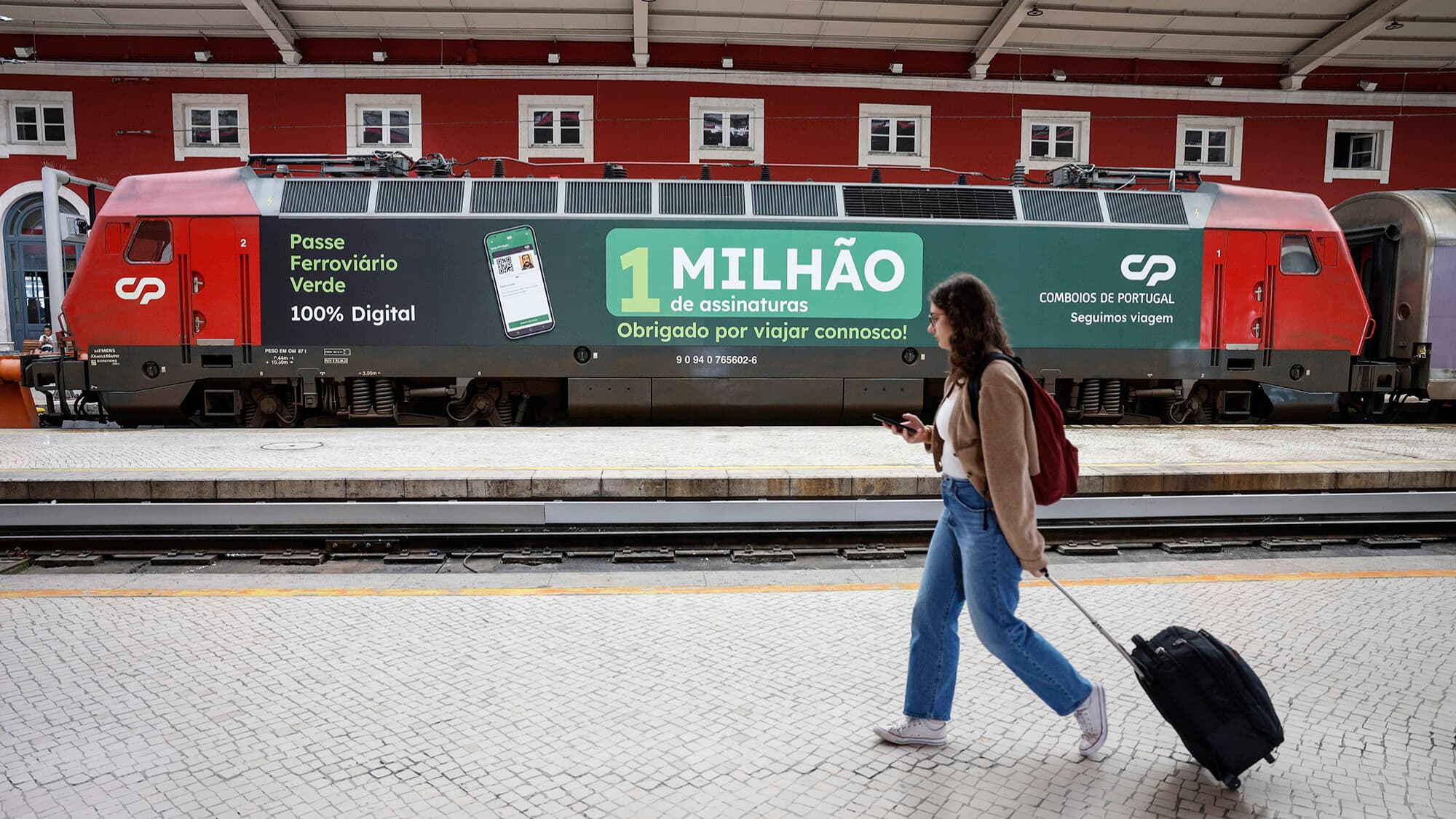
The Secretary of State for Mobility, Cristina Pinto Dias, told ECO that the expansion of the Green Rail Pass to the urban lines of Lisbon and Porto will be operational 'the day after promulgation'. Integration into Fertagus will happen 'by the end of the year'. The expansion of the Green Rail Pass was announced by the Prime Minister in...

As European Mobility Week begins, commuters share their grievances regarding the urban train services operating within the Lisbon metropolitan area.

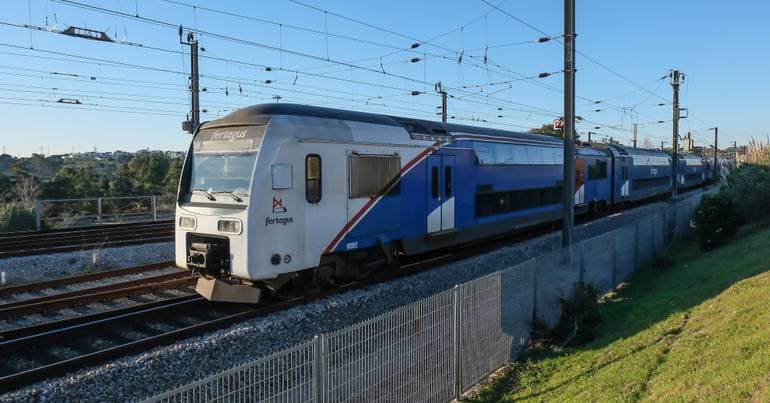
Fertagus trains have transported 560 million passengers since 1999, more than the population of the European Union.

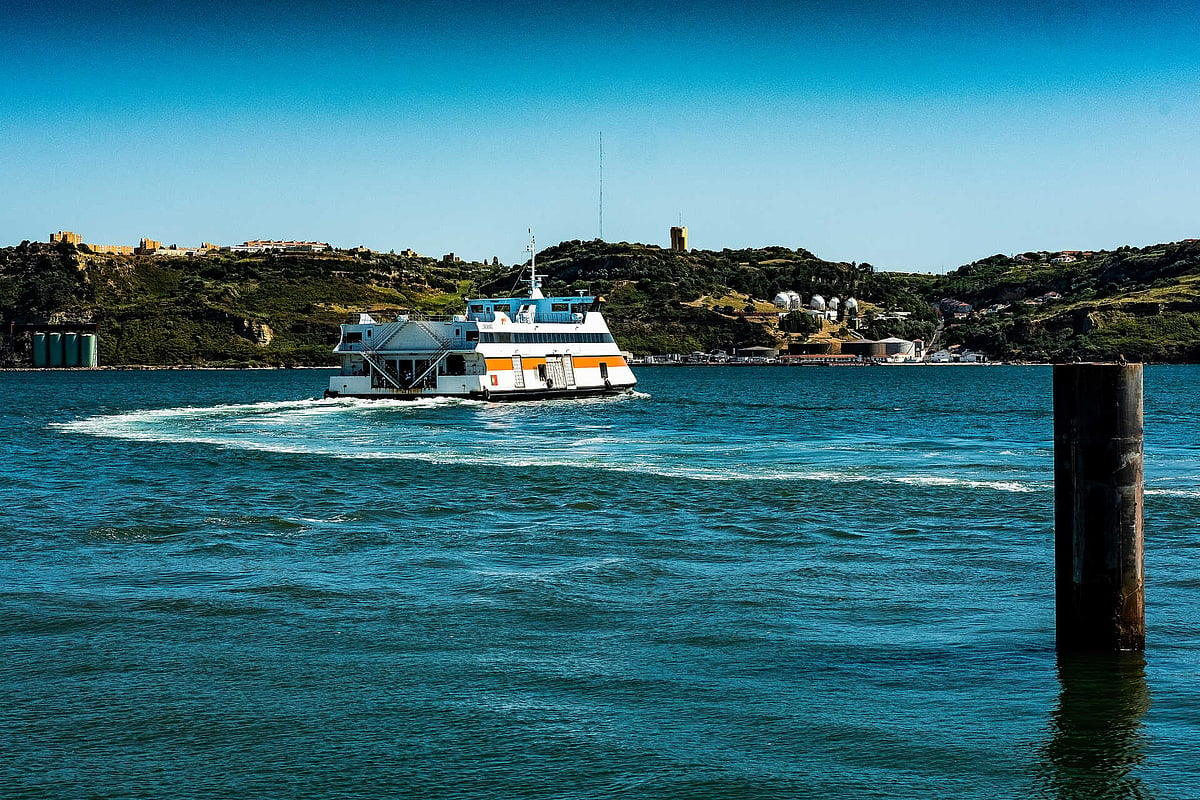
The river connection between Trafaria (Almada) and Lisbon will be extended to Pedrouços/Algés (Oeiras) starting Thursday, with daily service provided by TTSL. This new route coincides with the NOS Alive music festival and aims to boost public transport options during high demand. The service will run on a six-month trial basis, marking the first new river connection created by the company since 1997. TTSL president Rui Rei highlighted the move as a commitment to sustainable mobility. Additionally, the company recently launched an experimental weekend service between Seixal, Barreiro, and Cais do Sodré to improve inter-municipal travel on the south bank of the Tagus.

Lisbon faces severe mobility challenges as its public transport network fails to meet the needs of its citizens, leading to a heavy reliance on private vehicles and ride-hailing services. With approximately 20,000 ride-hailing and taxi vehicles operating daily, the city's infrastructure remains congested. Recent reports from the European Court of Auditors highlight significant flaws in urban mobility planning, particularly the lack of integration between municipalities. As major events like Rock in Rio and international football matches further strain the system, residents face long wait times and rising costs, while the city's leadership, including Mayor Carlos Moedas, continues to face criticism over the effectiveness of the transport network.

The car park will be free for all Navegante pass holders, who can then continue their journey using public transport or the GIRA bicycle network.

According to the Sintra city council, the 'experimental mobility' measure aims to improve access, safety for residents and workers, and the visitor experience, and will remain in place until 6 April.

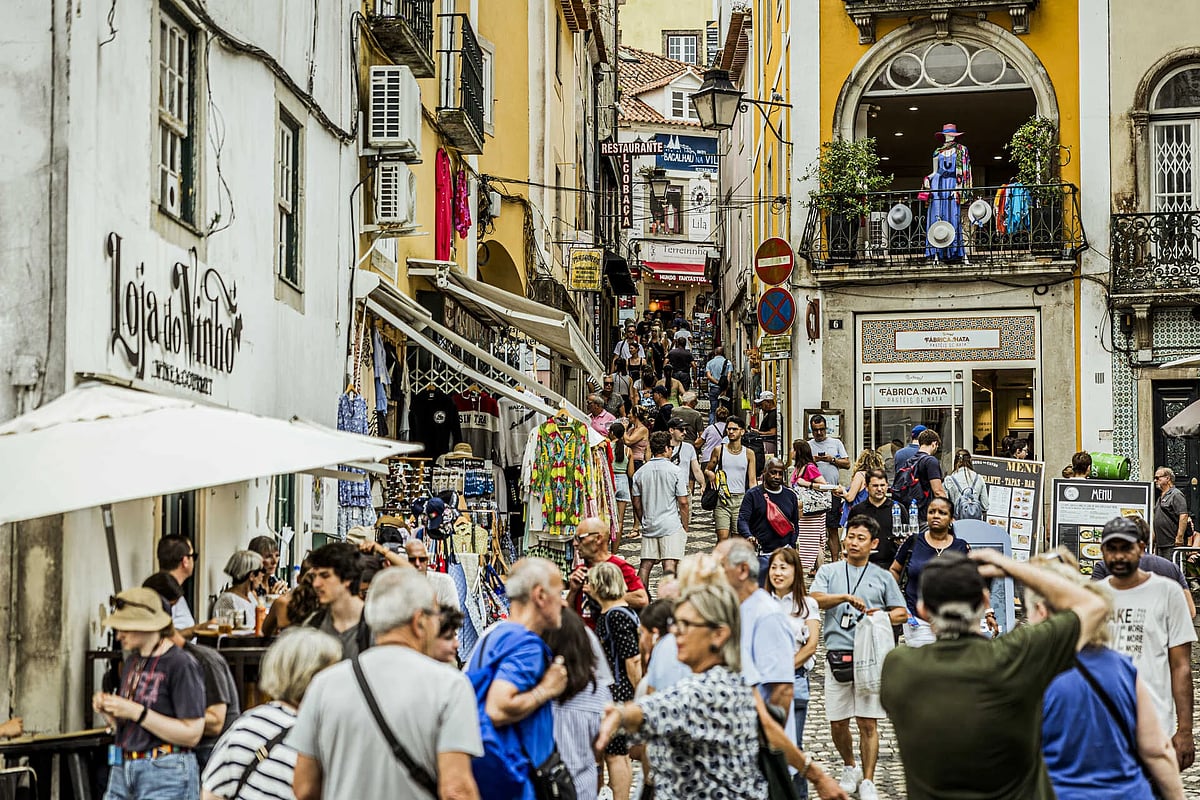
Sintra City Council is implementing temporary traffic restrictions in the town's historic centre starting Thursday, 19 March, to improve mobility and safety. Private vehicle access will be limited, and tourist buses must park in peripheral lots at Lourel and Ramalhão. The 'Living and Visiting the Town of Sintra' operation, running until 6 April, includes enhanced signage, operational control points, and redirected public transport routes. Mayor Marco Almeida stated the measures address long-standing concerns from residents and workers, aiming to restore the quality of the UNESCO World Heritage site.

Sintra Council has approved the expansion of paid parking to beach areas, increased rates for car parks and limited-duration zones, and introduced monthly permits for tourism operators. The measure, announced on Wednesday, March 11, aims to manage parking pressure in urban areas and tourist hotspots. The new tariffs, effective from April 1, have faced criticism from opposition parties, who argue the move lacks a comprehensive mobility strategy and negatively impacts residents and local businesses. Mayor Marco Almeida defended the decision, citing the need for better space management and promising future plans for additional parking capacity.

Mobility is indeed one of the most pressing issues in life in Lisbon. I could give many examples, but I will stick to one that everyone knows: the stairs of Chiado.

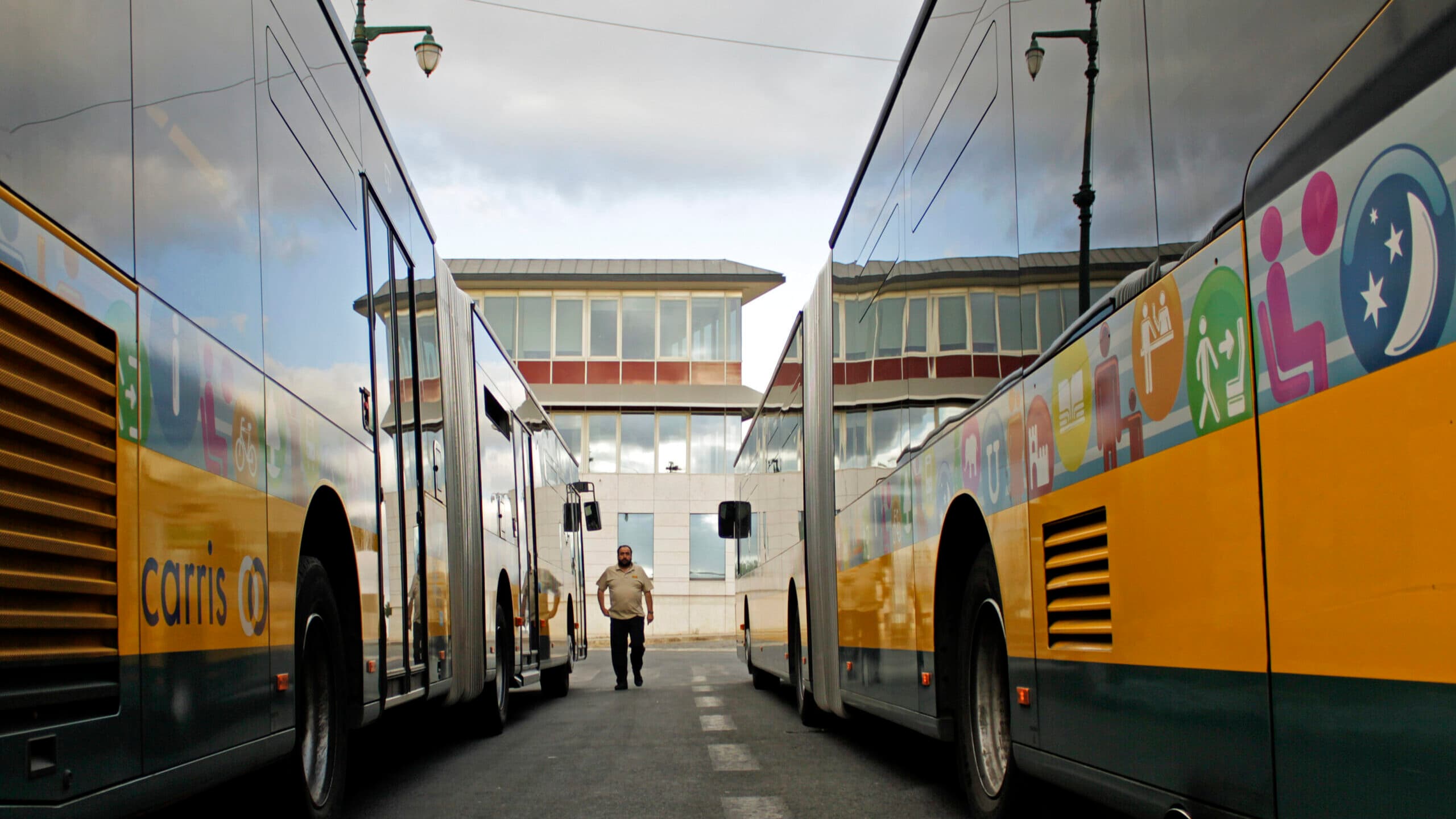
The metropolitan public transport operator Carris Metropolitana reached a new high in 2025, carrying 194 million passengers — the highest annual ridership on record.

Around €3.8 million has been invested by Lisbon City Council in the works, which aim to improve mobility and accessibility. Traffic closures are expected.

A petition by passengers concerned about mobility in the Lisbon Metropolitan Area denounces “frequent delays, train cancellations, overcrowding and serious failures in passenger information”.

New millionaires are no longer just looking for relaxation: they want mobility, entertainment, and multiple homes at the same time. Portugal is now on the map, in a list that includes cities like Dubai and New York. However, the Portuguese offerings are still limited to keep up with a lifestyle that never stops.