

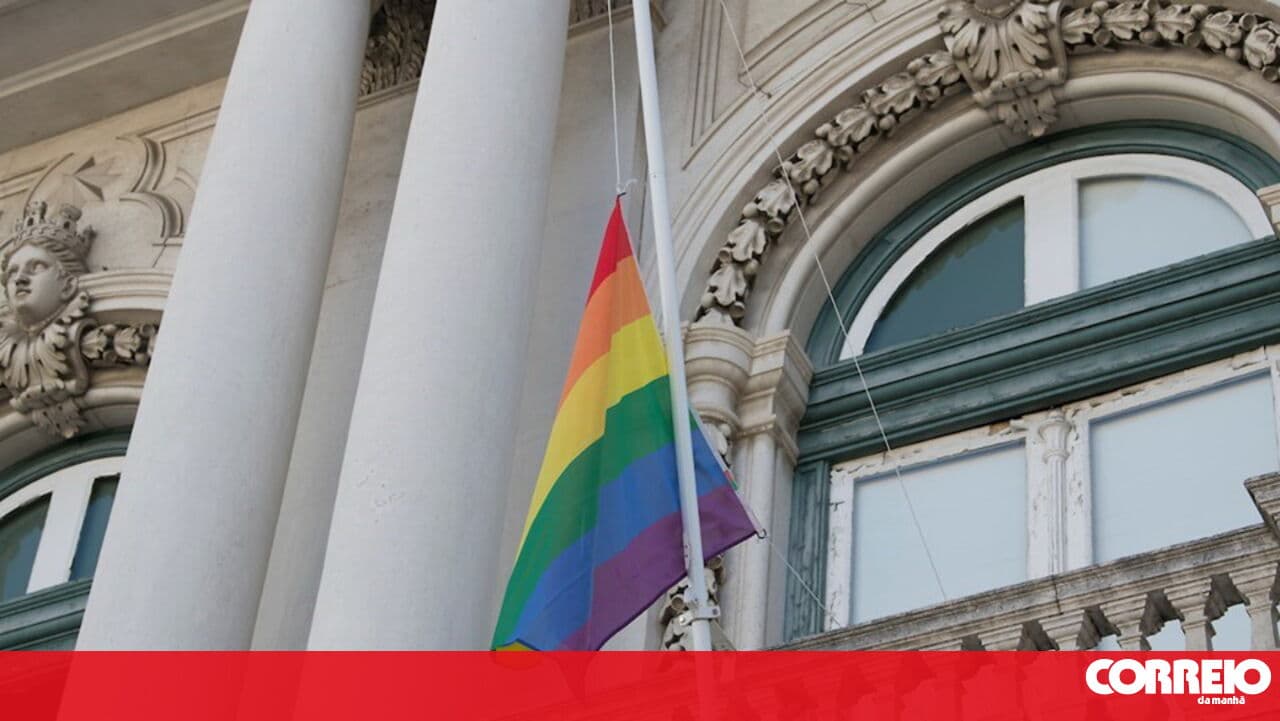
LGBT flag raised in Évora on Portugal Day
🎭 Culture#lgbt-rights+1 more
The LGBT pride flag was hoisted in the city of Évora to mark Portugal Day.

Latest news and stories about lgbt rights in Portugal for expats and residents.
The LGBT pride flag was hoisted in the city of Évora to mark Portugal Day.
When politics attempts to correct those who exist, science and culture remind us that true deformity may lie in the society that excludes. A column by Sandra Morais Cardoso
The article discusses the ongoing challenges and the significant lag in the acceptance and integration of LGBT+ individuals within the Catholic Church in Portugal.

The actress is promoting a petition that proposes the revocation of the law that criminalises these practices.

With the country caught between a devastating storm and a war with economic impact, the right is amusing itself by reversing the gender identity law without listening to experts and focusing on the major issue of LGBT flags. As shown in the choice of Constitutional Court judges, the PSD is trying to break the three-bloc deadlock. And, as it fails in the National Health Service and housing and may lose the economic situation that protected it, it is likely that these joint diversionary manoeuvres with Chega will begin to multiply.
Five organisations spoke out against the submitted bills, stating they create fear and uncertainty and leave children and adolescents who have already begun their transition unprotected.

The PS argues that the bill addresses “a problem that does not exist.” At issue is the opposition to flags linked to “ideological, partisan, or protest movements” on state buildings.

The centrist project is yet to be discussed by MPs and has not been voted on. A proposal by Chega was rejected. Parties pointed out 'constitutional reservations' regarding the proposals, recalled the incident involving quilts and portraits of Ventura in the Assembly of the Republic to accuse Chega of hypocrisy, and pointed the finger at Chega and CDS for manufacturing problems to 'fuel culture wars'.

The Chega bill was rejected with votes against from all parliamentary groups except for the proposer and the centrist party.
The article discusses recent proposals by the Portuguese political parties CDS-PP and Chega to restrict the display of certain flags, including those representing ideological causes and other countries, on public buildings. These proposals aim to prevent the use of public institutions as platforms for propaganda or division. However, they have faced strong criticism from left-wing parties and representatives, who accuse the right-wing parties of attempting to suppress symbols of the LGBT community, notably the rainbow flag. Critics argue that the measures threaten to infringe on rights and are part of a broader pattern of persecution against marginalized groups. The debate highlights tensions over cultural and social symbols in Portugal's political landscape.